Some say Al-Burhan's forces need a significant victory to let them negotiate with their heads held high, but with the paramilitary RSF gaining ground, that looks less likely. Where does this end?
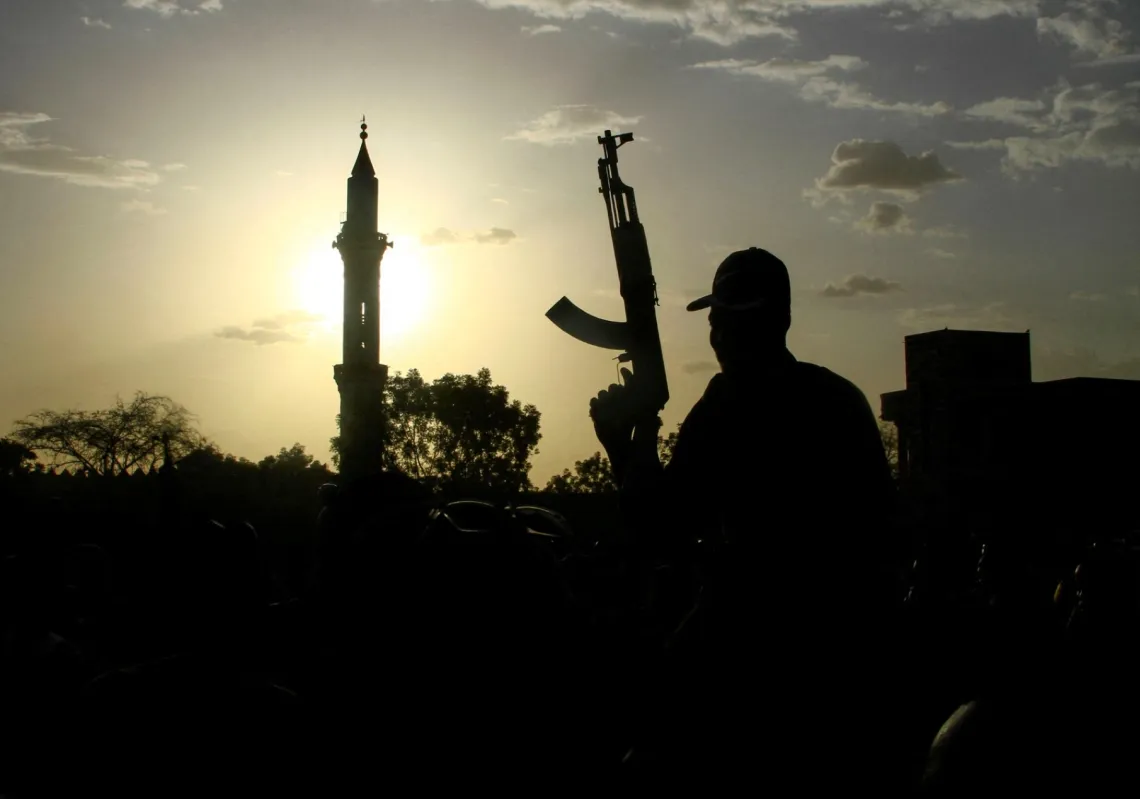
From the arming of tribes to protect goat herders to the rise of the RSF, who are currently fighting the military, Al Majalla sheds light on Sudan's endemic militia problem.
An accord between one of the warring generals and a former civilian prime minister may have at first appeared positive, but in fact, makes a path to peace more treacherous.
As the deadlock in fighting continues with no end in sight, there is growing suspicion that Islamists are involved with the war and could complicate it further while suffering continues on the ground
There is consensus that the regular army needs to be purged of political influence. Progress depends on reaching an agreement on what to do about the Rapid Support Forces, and justice must be served.
The ill-fated coup of October 2021 cost Sudan and its people nearly $9bn. Meanwhile, experts estimate that the direct and indirect costs of the Sudanese war hover around $100mn per day.
Eradication of rebels? Removal of remnants of the old regime and the transfer of authority to civilians? History shows us that many proposed outcomes from either faction in the conflict seem unlikely.
Sudan's de facto leader appeared in public to refute links with Islamists and an international deal to get him out of the capital. The priority now should be UN help for a proper peace process.
Former UK ambassador to both Sudan and Saudi Arabia says Riyadh could play an important intermediary role because it has experience dealing with both the Sudanese military and the RSF
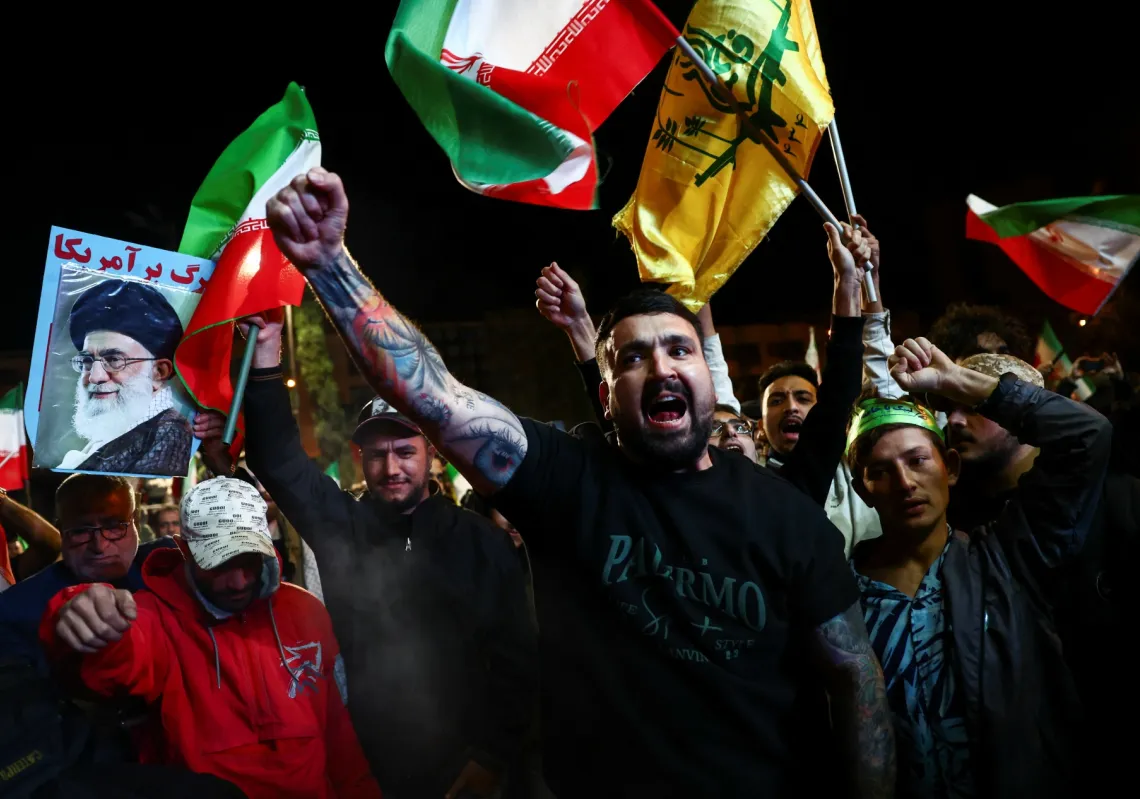
A US-Israeli attack on Iran has turned into a regional war, sending Brent crude prices over $100 a barrel, and throwing shipping, inflation, and monetary policy into turmoil
The current conflict is unlikely to go global for now, but the speed at which it has spread regionally is alarming. A look at history shows the geopolitical factors that led to world wars.
Riyadh and Cairo are trying to ease the acute oil shortfall through alternative pipelines, but these are just band-aid solutions, as the world's most vital energy corridor remains closed by Iran
The rushed 2025 rollout raised questions about the government's seriousness. Since then, no meaningful record has been published, fuelling fears that it was just a show.