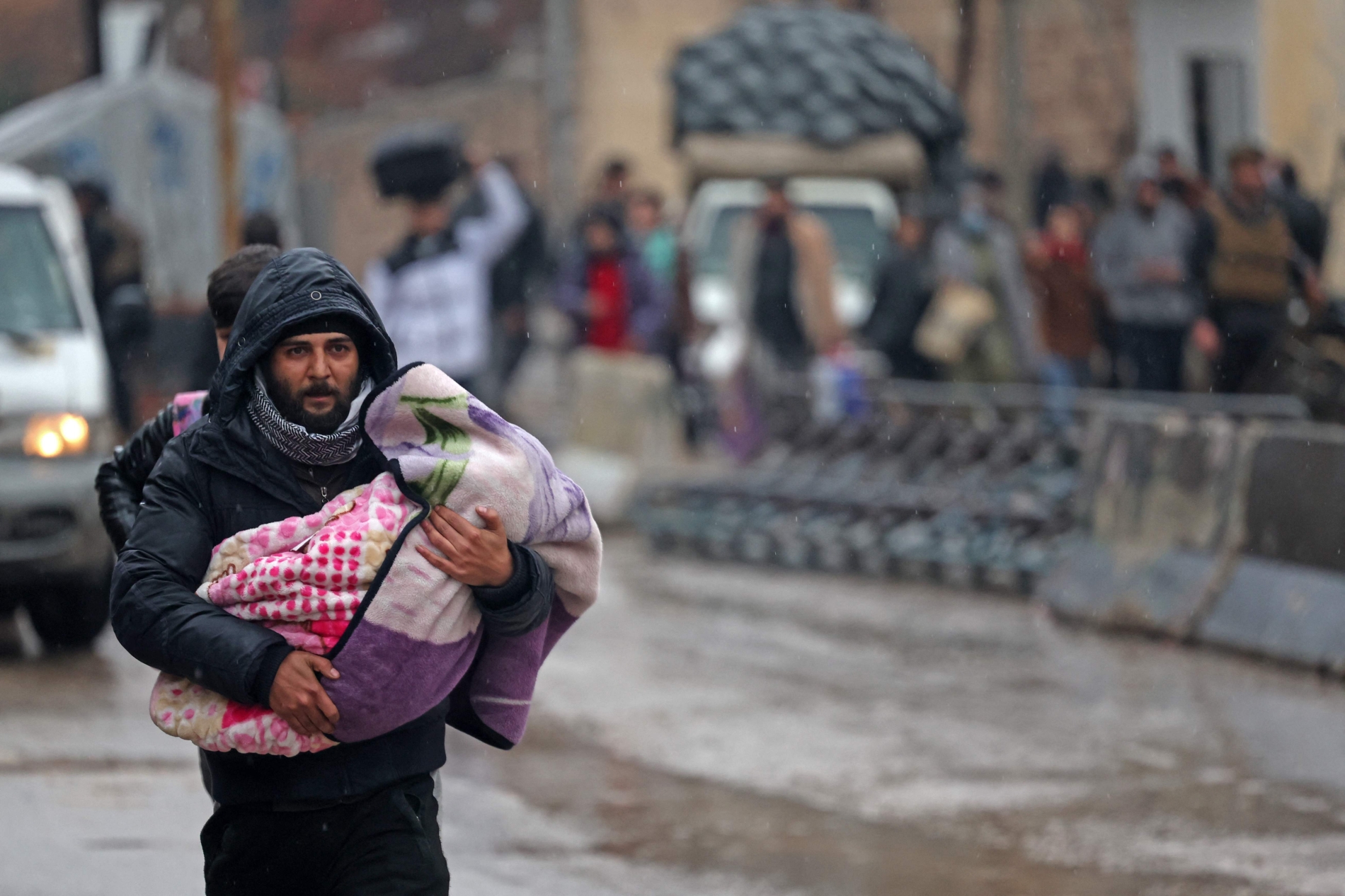

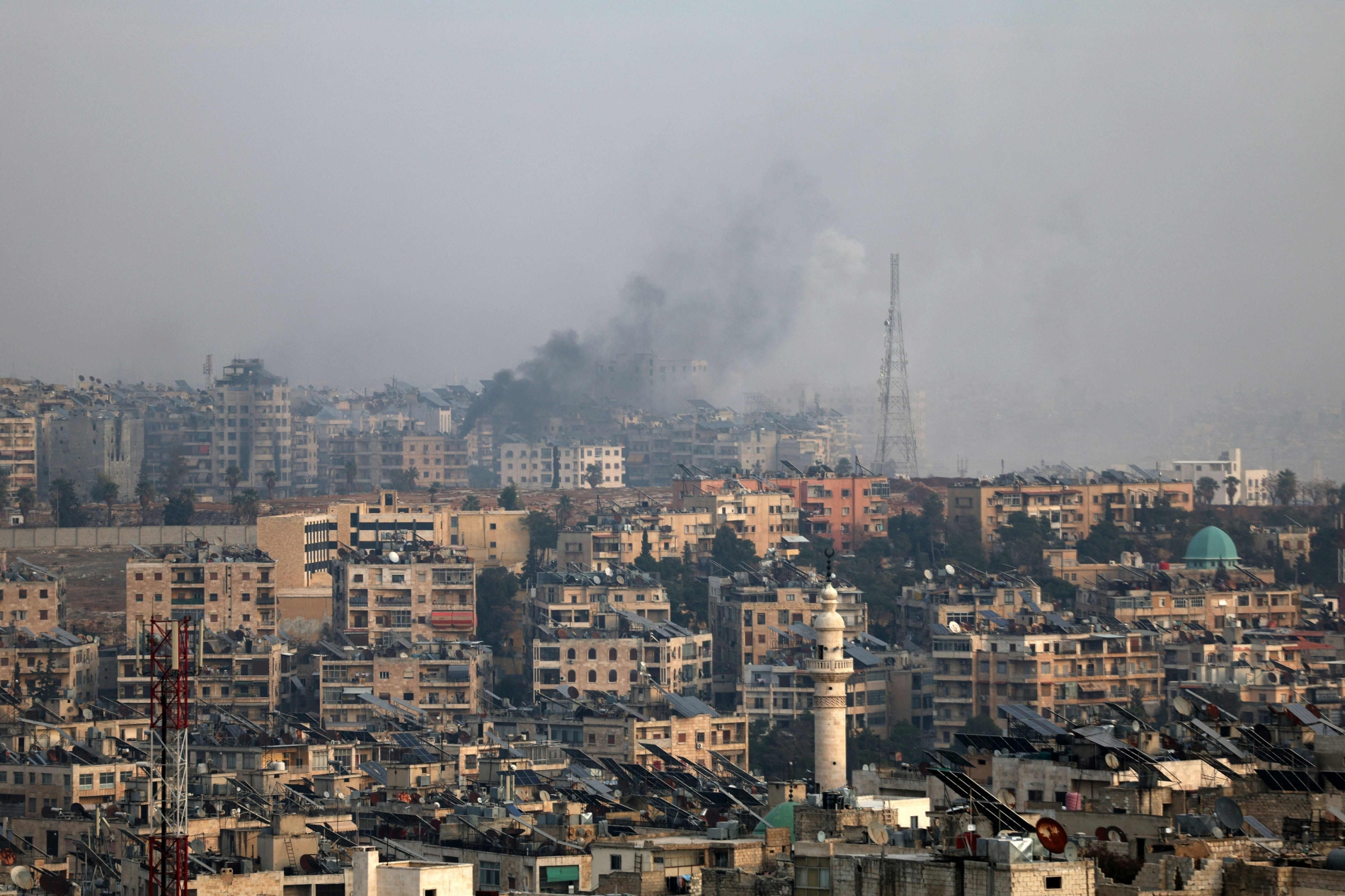
Clashes in northern Syria between fighters of a Kurdish militia and those representing government forces in Damascus have shaken the ancient city of Aleppo, which is still trying to recover from the effects of the devastating civil war. If fighting spreads beyond the predominantly Kurdish neighbourhoods of Ashrafieh and Sheikh Maqsoud and beyond Aleppo, there is a real risk that Syria could be dragged into a new civil war.
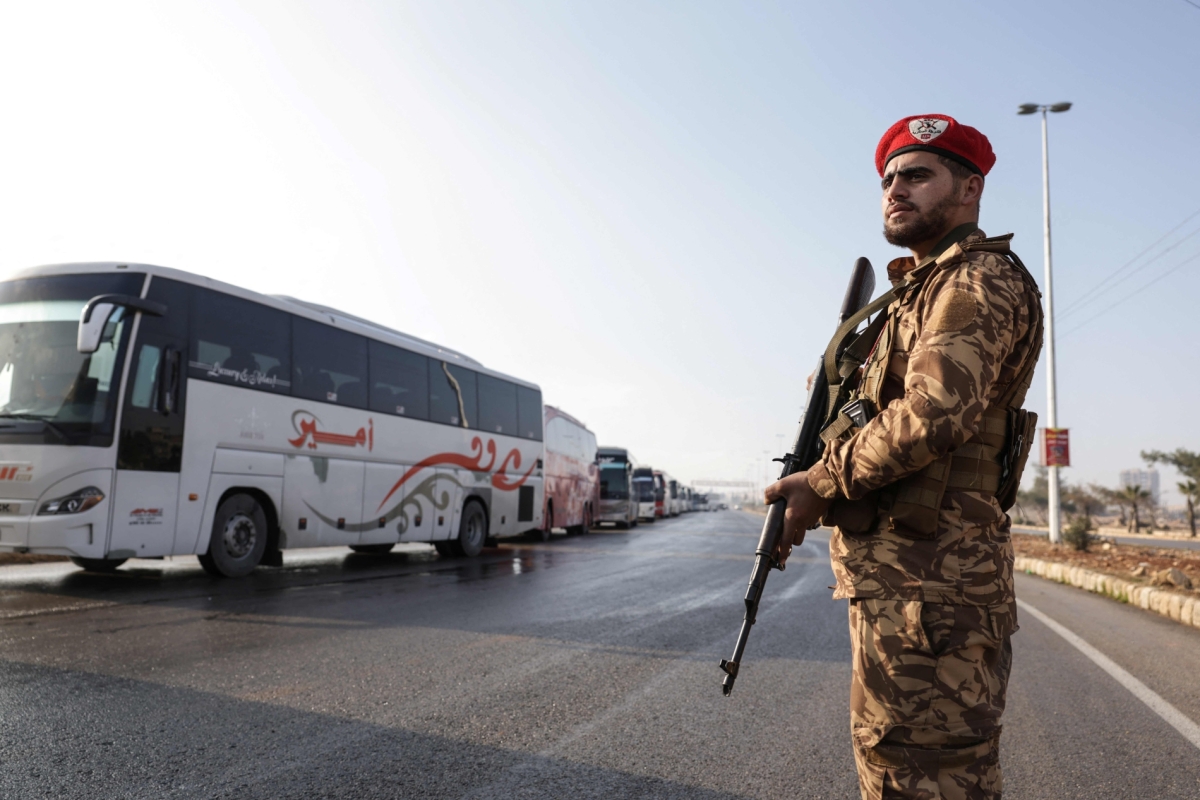
After heavy fighting left more than 20 dead and many more injured, the Syrian army is now in full control of Ashrafieh. On Thursday night, the Ministry of Defence declared a ceasefire around Sheikh Maqsoud, Ashrafieh, and Beni Zeyd, and allowed a safe passage for several hours for armed groups to leave Aleppo for the SDF’s north-east stronghold. In April 2025, as agreed with Damascus, YPG forces left the neighbourhoods, relocating hundreds of fighters east of the Euphrates River. Only Asayish internal security forces remained, plus YPG forces disguised as Asayish.
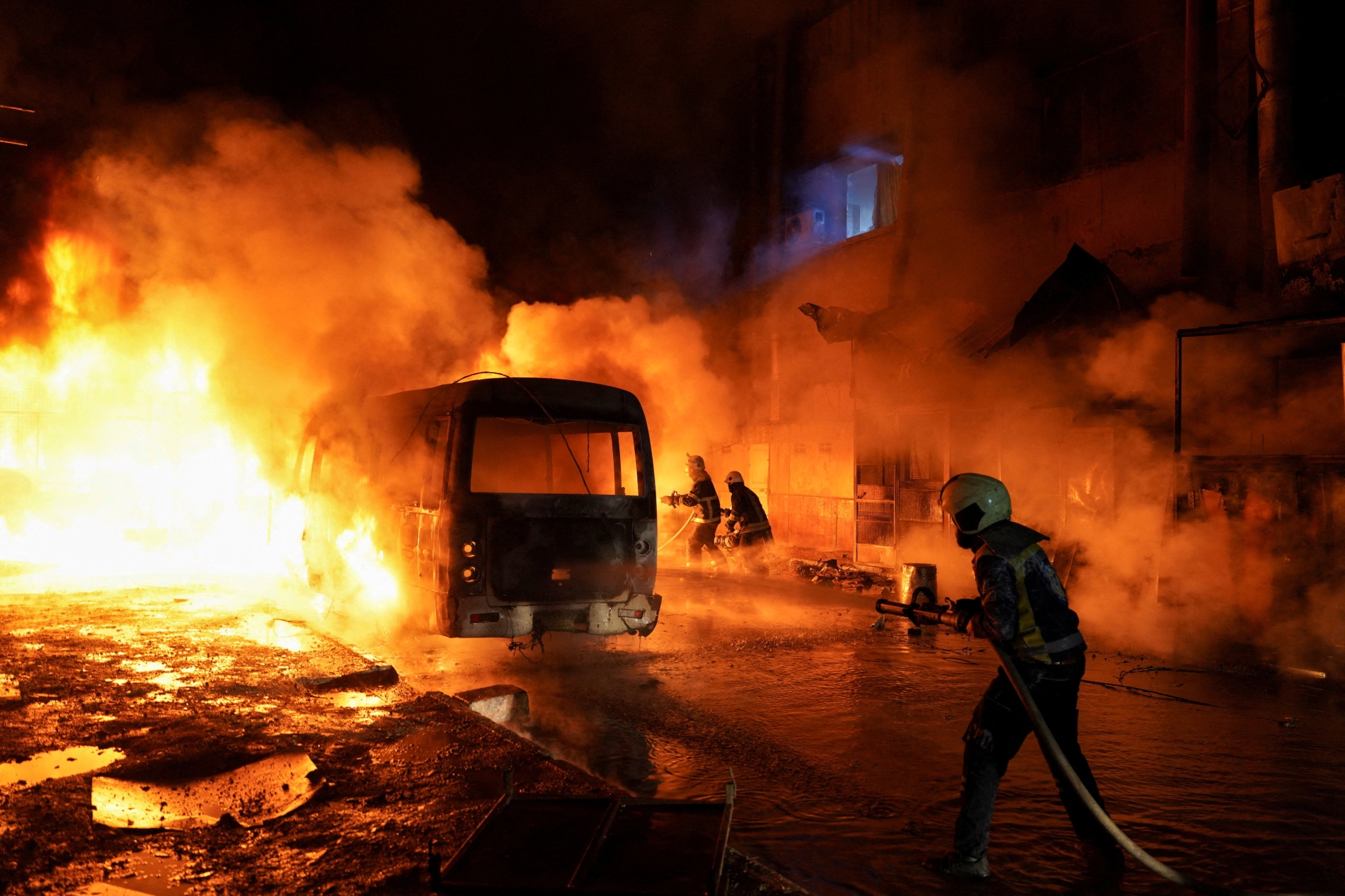
As Al Majalla went to press, the Syrian army had given Kurdish fighters a Friday morning window and route to leave Aleppo, but the Kurds (aligned with the Syrian Democratic Forces, or SDF) had refused to go. The army then declared the area a closed military zone and imposed a curfew. As night fell, footage was posted online purportedly showing explosions, with heavy fighting reported in Sheikh Maqsoud.
Commenting on social media, the SDF said the area was “coming under intense and heavy shelling by factions and militias affiliated with the Damascus government, using various types of heavy weapons, tanks, and artillery”. It added that “this constitutes a wide-scale assault targeting residential areas and reflects a pattern of systematic war of annihilation against the population”.
Clashes amid talks
Negotiations between Damascus and the Kurdish-led autonomous set-up in Syria’s north-east, governed by the Syrian Democratic Forces (SDF), had been ongoing in an effort to finalise arrangements made under an agreement signed on 10 March 2025. Talks had gained momentum in recent weeks, and an agreement seemed close, according to reports leaked to the press. Moreover, there was a positive atmosphere created by the agreement reached between Syria and Israel in the US-mediated talks in Paris just a few days ago. So, why did fighting erupt in Aleppo in recent days?
Damascus thinks the SDF’s insistence on its maximalist demands threatens Syria's unity. The Kurds, in turn, insist that they will not return to the situation as it was prior to the beginning of Syria’s 14-year civil war in 2011. For them, this means that their armed forces will not be disbanded, and that they will not accept a return to a strongly centralised administrative structure.
One of the key elements of the 10 March agreement is the integration of the SDF’s armed wing into the national army, alongside other big issues, such as Syria’s administrative system, the new constitution, ownership of SDF-controlled oil fields, and the distribution of oil revenues.