Differing priorities, values, and interpretations have led to a trust deficiency on both sides of the Gulf for decades, but the US war on Iran brought those festering issues to the fore
From Hitler and Mussolini to South American dictators, world leaders have long seen in football's biggest tournament an opportunity to further an agenda
From its hosting of US naval forces to its accession to the Abraham Accords, there are many reasons why Iran sees Manama as a justifiable target, but the shared animosity dates back decades
While it could be tied to military calculations related to the current US-Iran war, it also reflects a deeper struggle between two opposing regional visions
Tehran prioritises foreign power and influence, whereas the Gulf states prioritise economic development and stability. The presence of foreign bases in the Gulf is just an excuse.
Tehran has emerged from the US-Iran war more willing to take risks, less constrained by fears of escalation, and more convinced military pressure can yield results
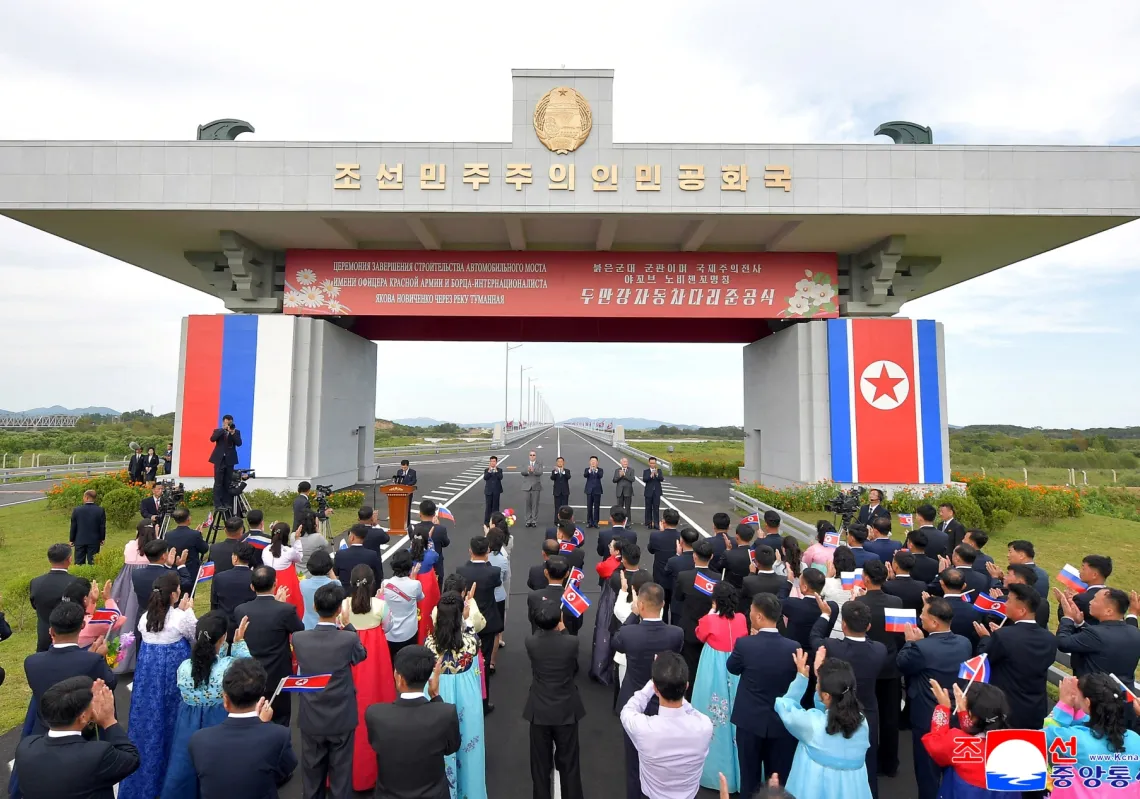
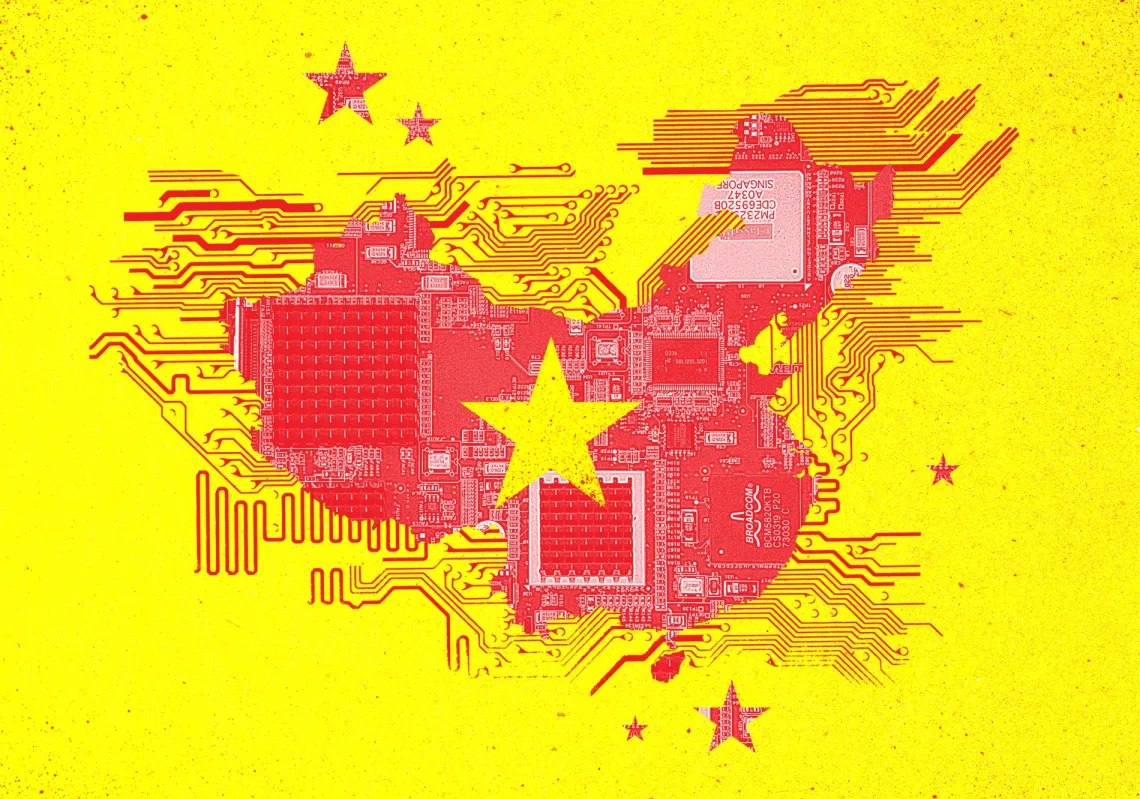
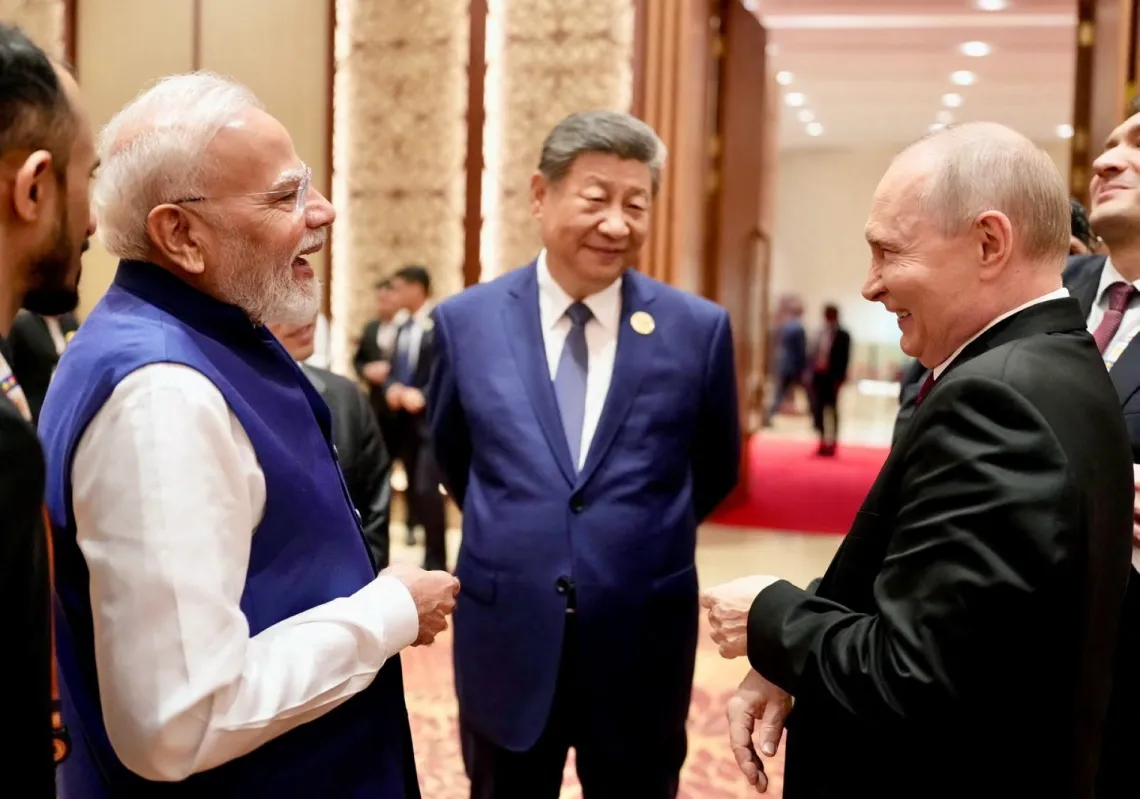
China understands that North Korea is no longer the besieged ally with no gateway other than Beijing, and that leaving the field entirely open to Russia carries a mounting strategic cost
Netanyahu continues to defy calls from Washington to pump the brakes on Israel's offensive in Lebanon, something Iran has linked to a future peace deal
From Hitler and Mussolini to South American dictators, world leaders have long seen in football's biggest tournament an opportunity to further an agenda
From 3D players to data-transmitting balls, the sport's biggest tournament is awash with technology to help with everything from offside decisions to viewer angles, but does this come at a cost?
Netanyahu continues to defy calls from Washington to pump the brakes on Israel's offensive in Lebanon, something Iran has linked to a future peace deal
While it could be tied to military calculations related to the current US-Iran war, it also reflects a deeper struggle between two opposing regional visions