What was cutting-edge in 2000 now sits in museums. From wires, dial-up, and fax paper to the world in the palm of your hand, tech empires have risen and fallen in just a generation.
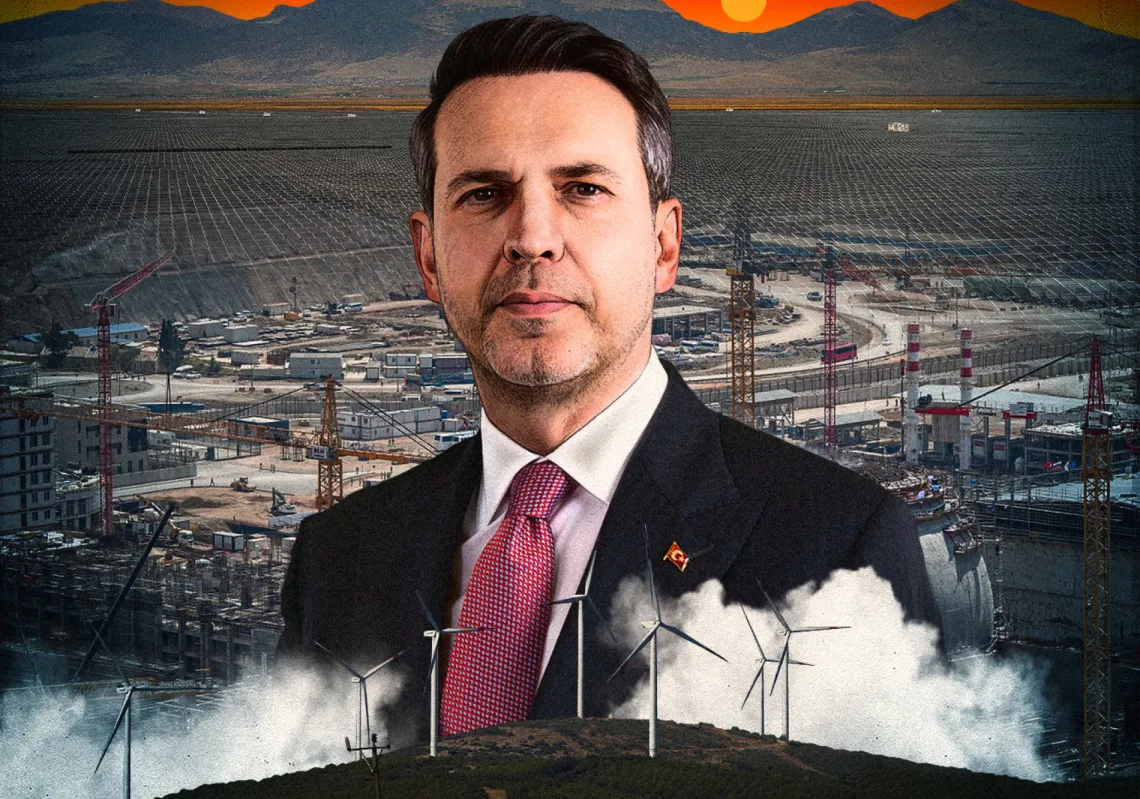
Economic and technological dynamism characterised 2025, with ambitious initiatives aimed at accelerating non-oil growth, diversifying national economies, and ushering in regional integration
There are common themes between those states experiencing growth and those facing crisis and instability. It pays to look at the success stories and to think bigger, including on a regional level.
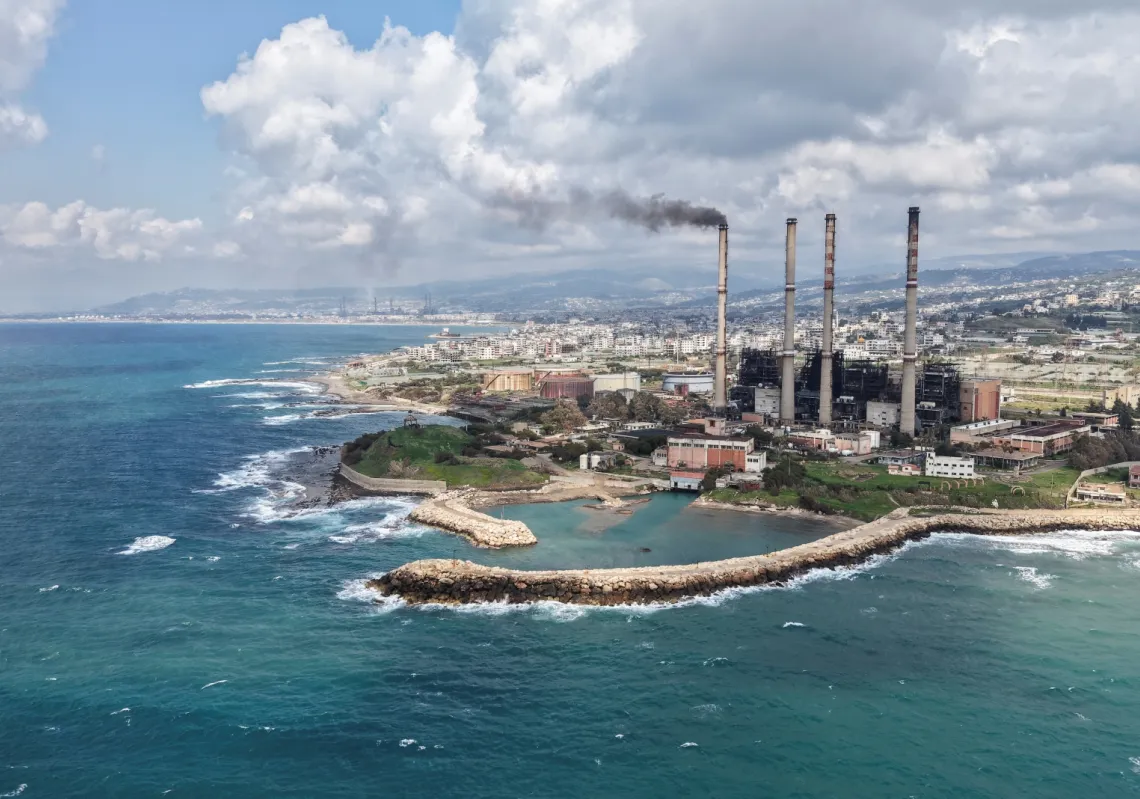
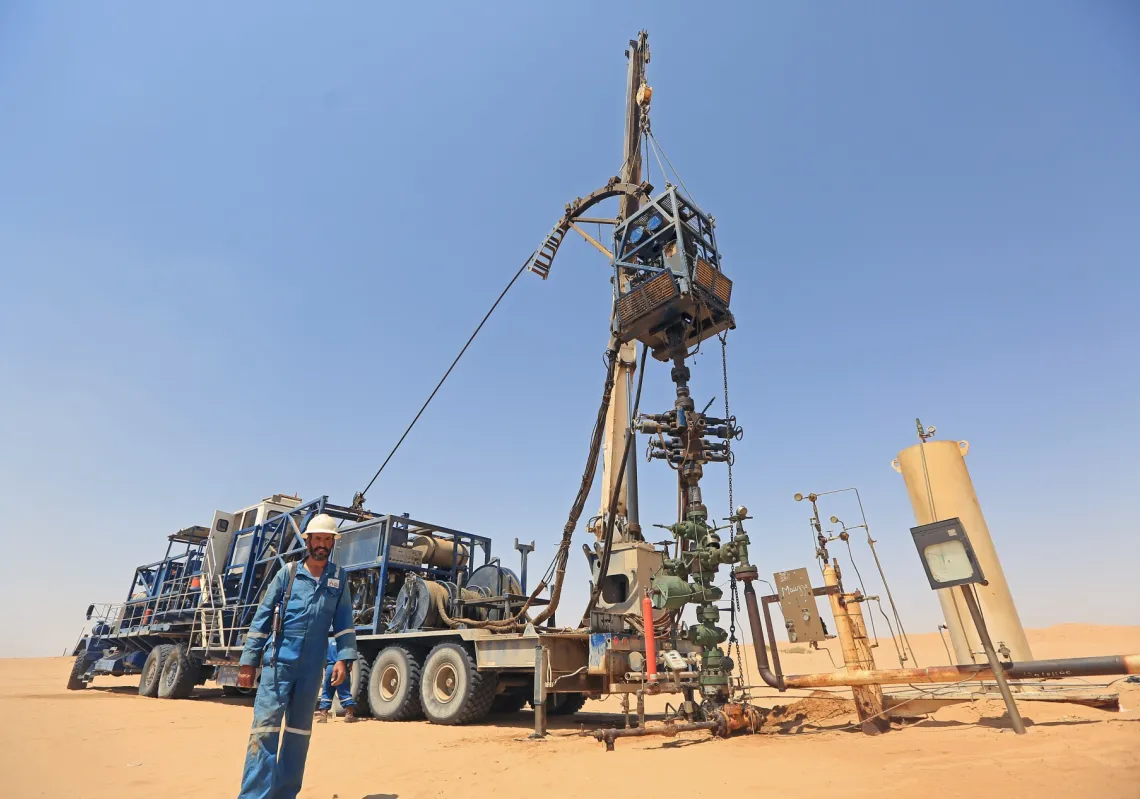
Oil markets in 2025 traded headlines for fundamentals, as OPEC+ supply management, a cautious pivot by the US Federal Reserve, and resilient global demand kept prices in a narrow range
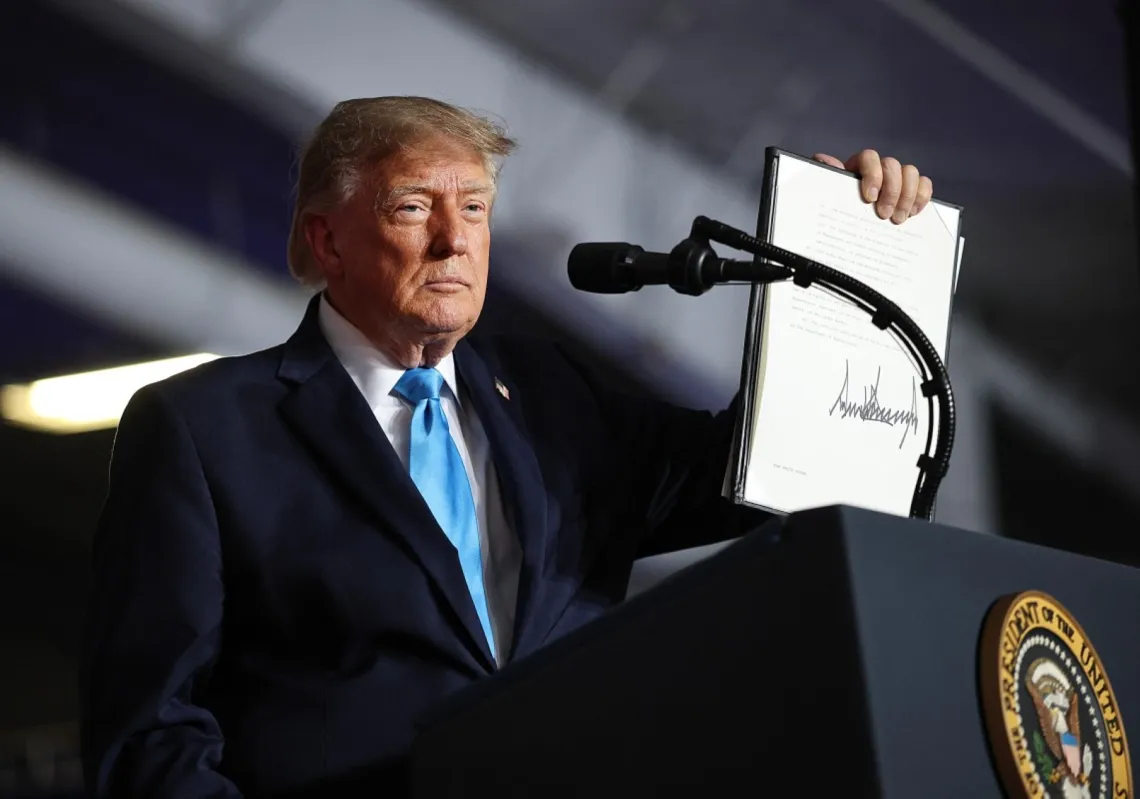
US Supreme Court judges are being asked to consider whether the President had the authority to impose broad tariffs on countries citing 'national security,' or whether that right falls to Congress.
Vast and reliable datasets held by the state are increasingly being made publicly available around the region. Those using this data to design new products and services are driving growth.
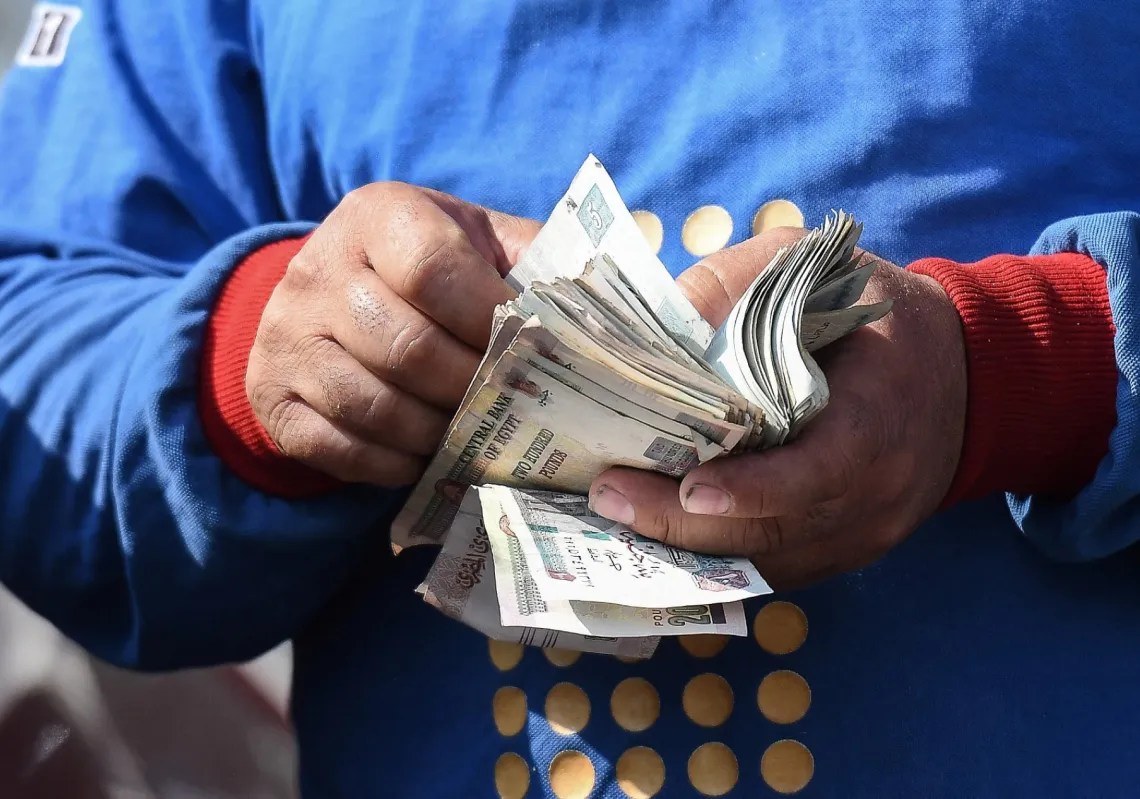
Quality assurance issues for locally made drugs, shortages in some areas, and the dizzying cost of imported medicines makes it a bad time to get ill in Egypt.
Odourless, colourless gases such as helium, neon, radon, argon, krypton, and xenon power key industries. They are rare, difficult to extract, and hugely valuable, yet largely under the radar.
The two appeared to be in lockstep in many areas, but dig deep, and you will see where they don't align. So, what does this mean for the region? Al Majalla explains.
If anywhere encapsulates the Syrian capital in recent decades, it is this enigmatic and iconic public space, which has seen more than its fair share of changes
No single party in Yemen can can impose dominance over the other through military force, nor can any side achieve dominance solely by relying on external actors