

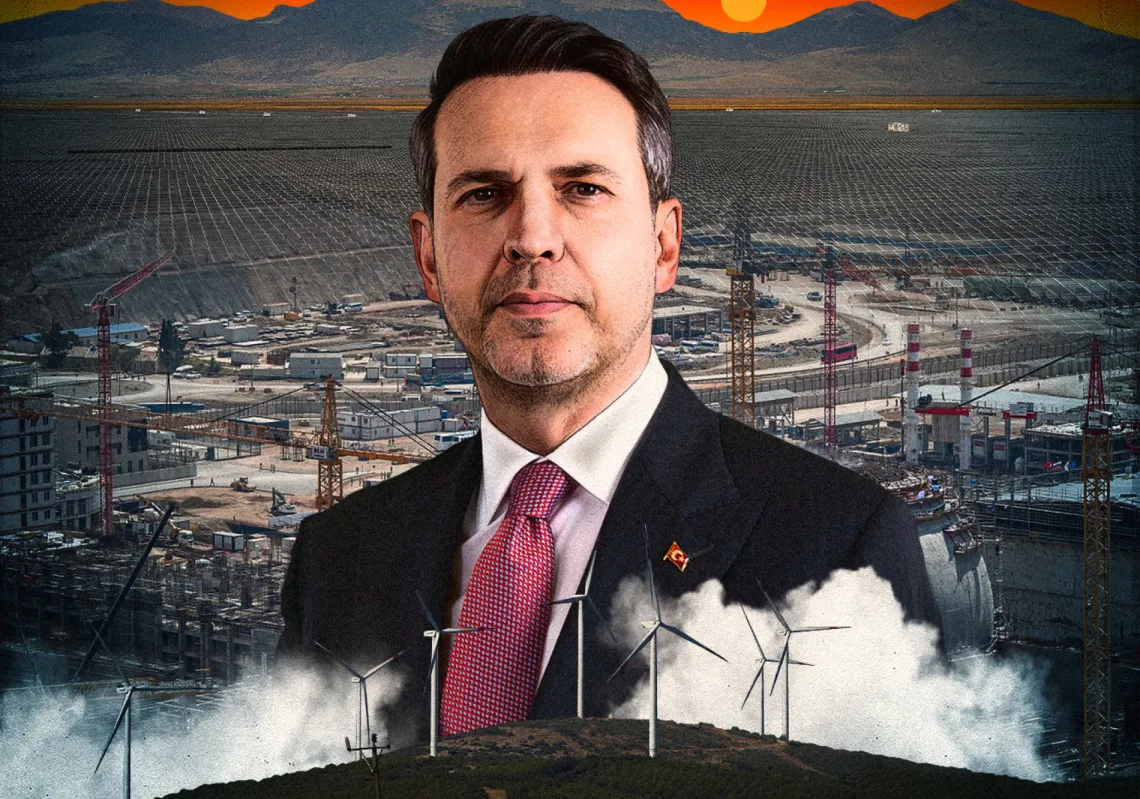


Her task will be to balance the country's security imperatives with American expectations regarding burden-sharing, defence spending, and economic cooperation
The flare-up is no isolated episode. Rather, it is the most dangerous chapter in a fraught, decades-long relationship that began during the Soviet-Afghan War in the 1980s.
Afghanistan's ancient town of Bagram once sat on the Silk Road, along a key passage from India. Today, it is sought by America, Russia, and China for different reasons that are no less strategic.
For decades, Riyadh and Islamabad have been on the same page when it comes to defence and security, but their alliance has always been based on understandings. That is now evolving.
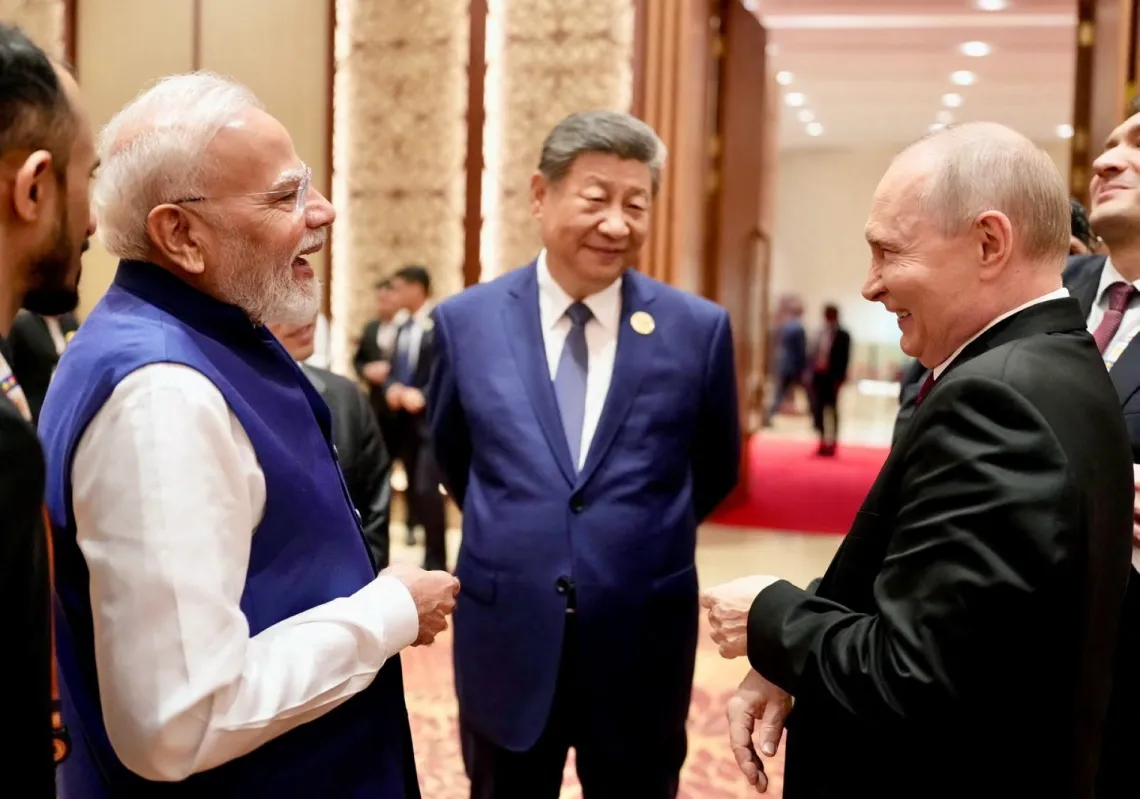
Beijing would like the week to mark a historic turning point in which a unipolar world finally gave way to multipolarity. To others, it was just tub-thumping bravura. In reality, it was a bit of both.
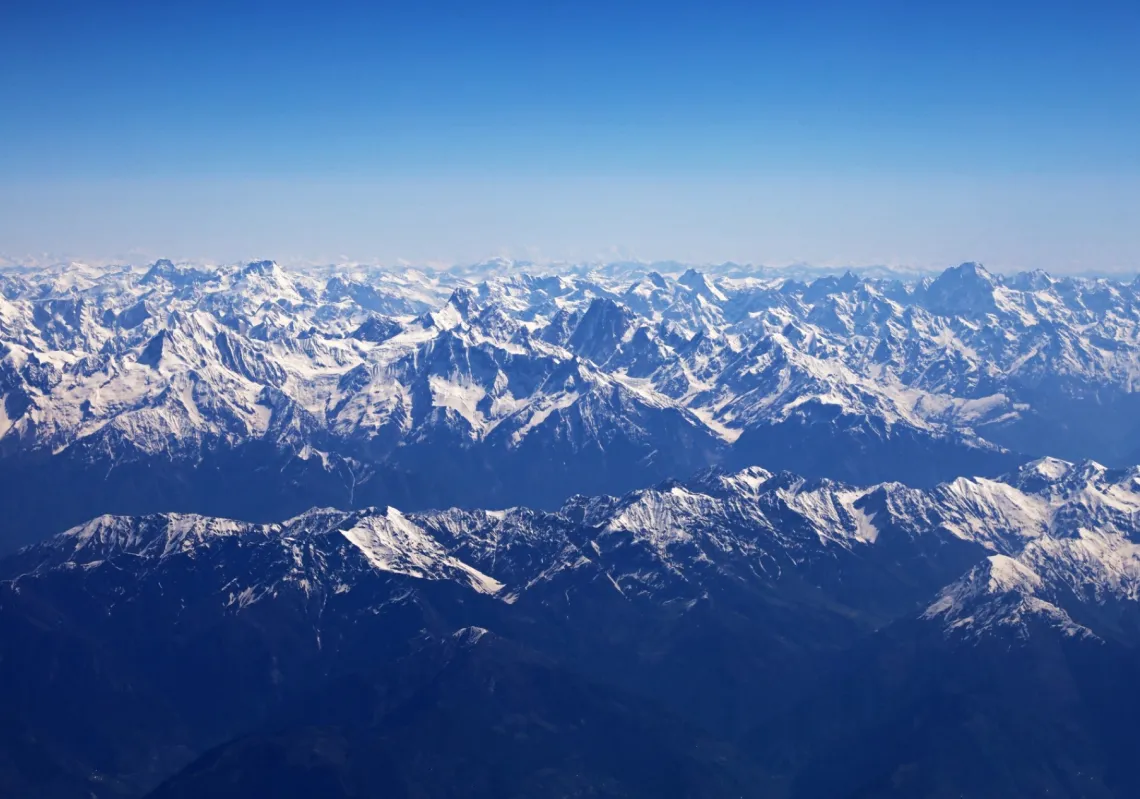
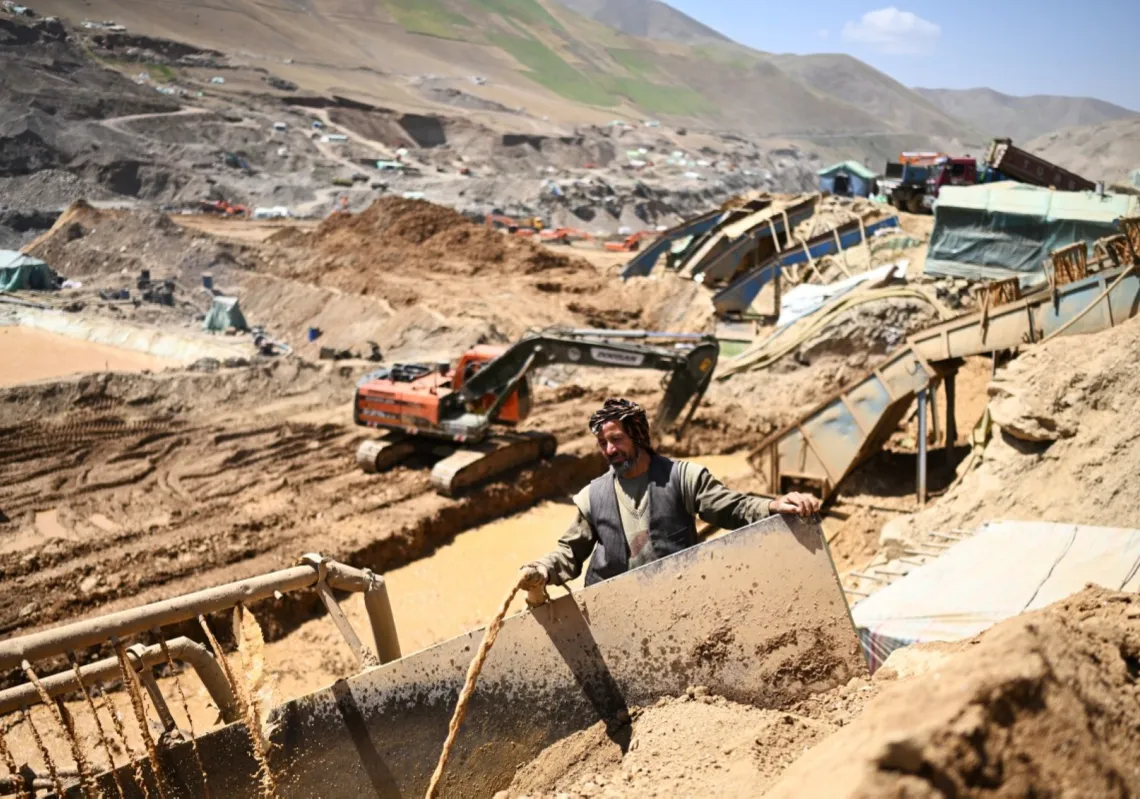
An earthquake in Afghanistan earlier this week levelled entire villages and left people trapped under rubble for days, but in the shadow of the Hindu Kush, saviours were thin on the ground
The two atomic bombs dropped on Japan by the US remain a subject of intense debate, and the world is still learning the lessons of those fateful events
From dhows carrying spices to tankers carrying oil, trade between South Asia and Arabia has been healthy for hundreds of years, with room to grow further.
Tehran appreciates the rhetoric from Islamabad, but to succeed in its war with Israel, it needs tangible support and reliable allies, something Pakistan may find difficult to muster
Balanced fiscal management, targeted deficit reduction, and strategic growth initiatives underpin this year's budget, with a strong emphasis on citizen partnership
What began as a locally rooted trade in coca leaves and opium evolved into a transnational system of cartels that challenged governments, corrupted institutions, and destabilised countries