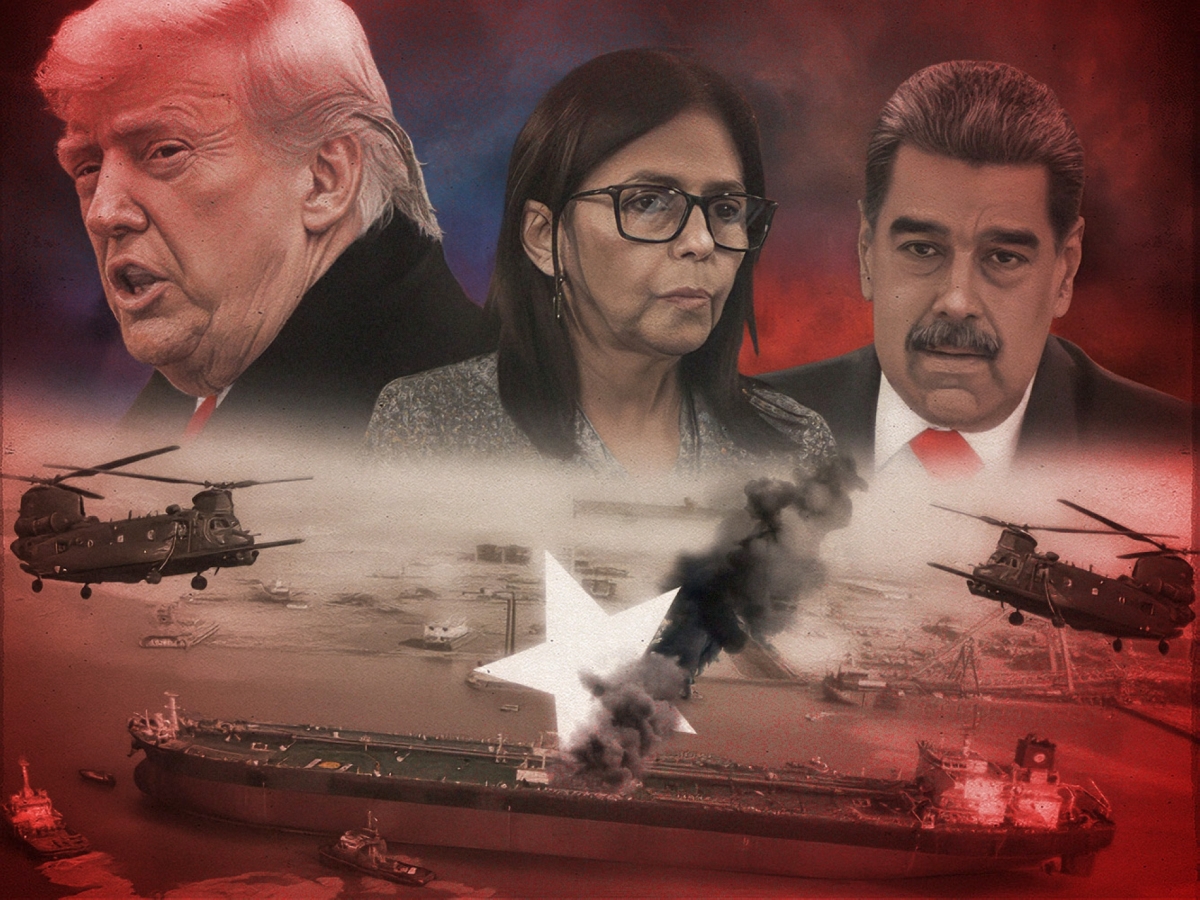

After the White House’s audacious mission to snatch Nicolás Maduro and his wife from Caracas, there are more questions than answers about Venezuela’s future. It is also unclear what lessons US President Donald Trump will draw from successfully toppling a brutal dictator, and how that might impact his foreign policy more broadly.
Here are five major questions policymakers and journalists will puzzle over in the coming days—with some context for how to think about them.
1. Who is actually in charge?
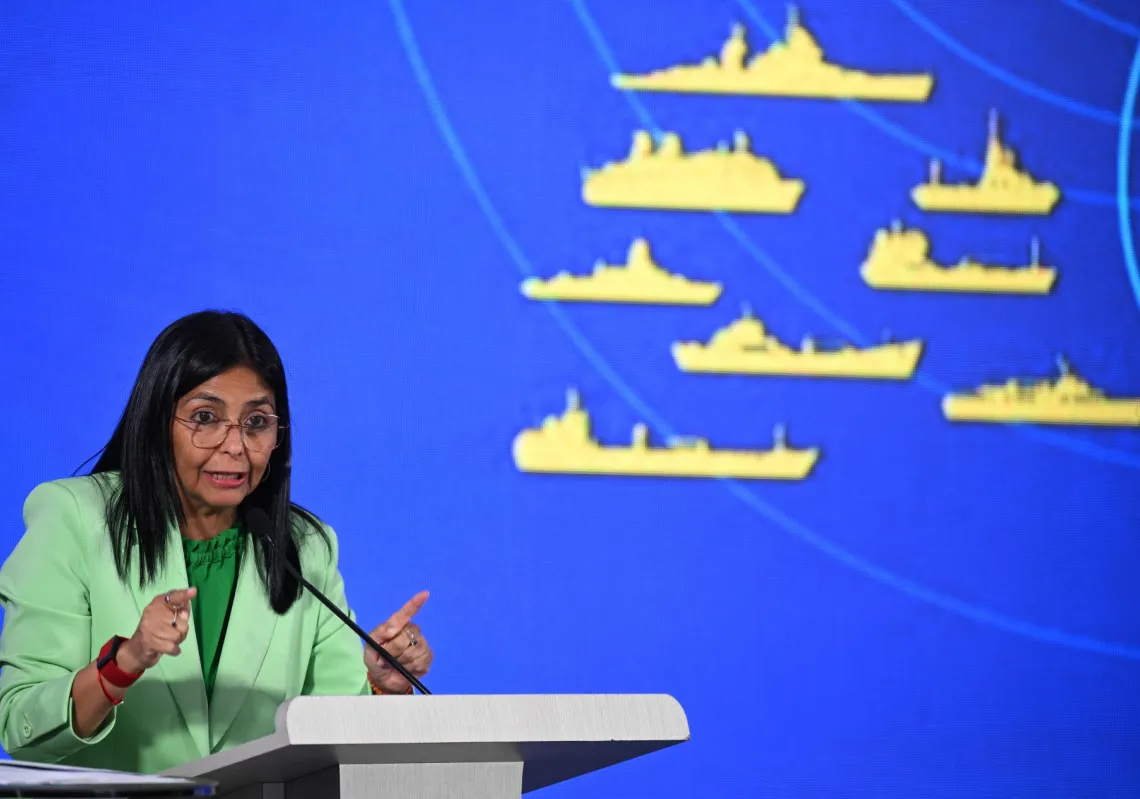
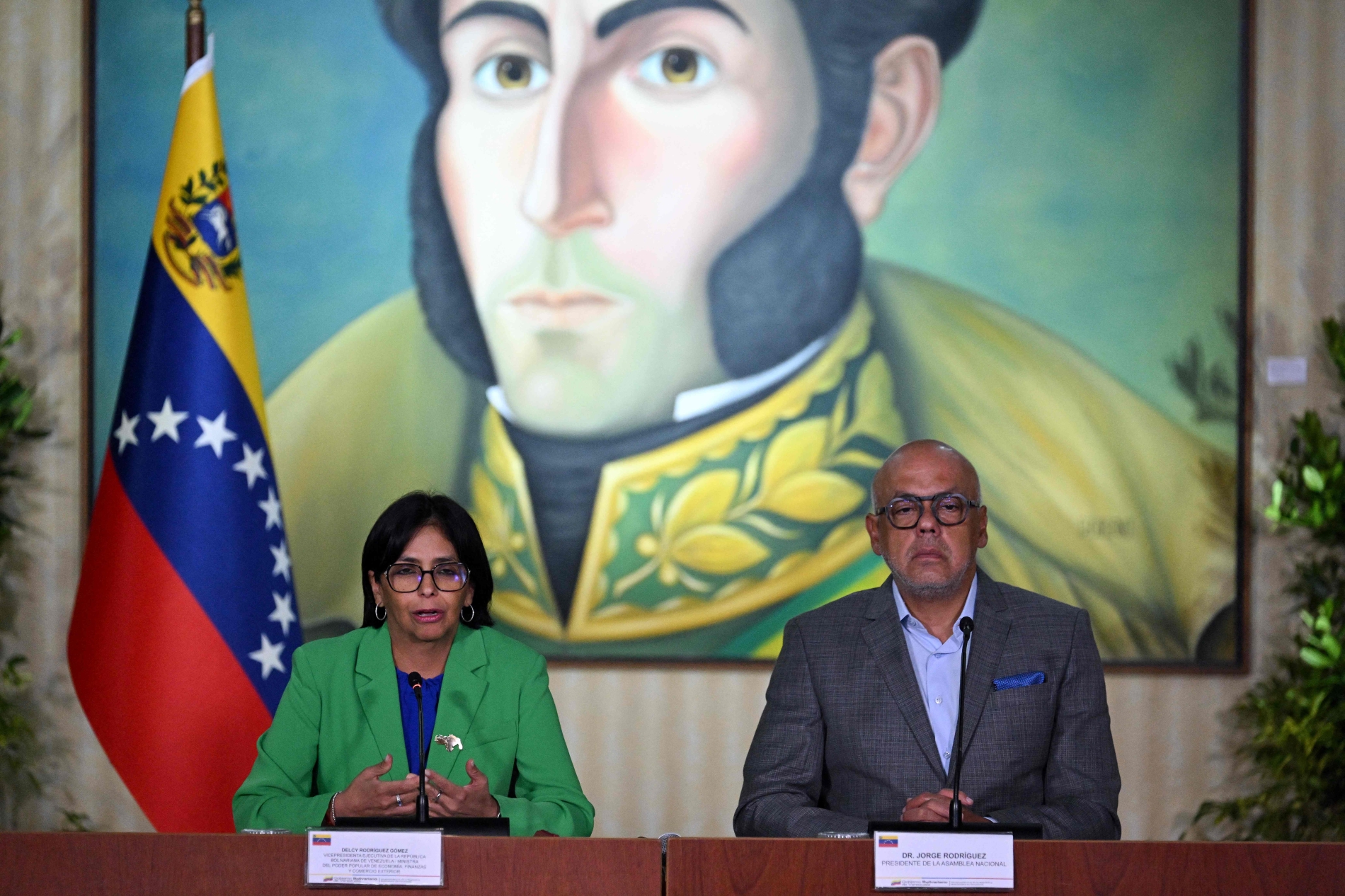
Trump surprised the world when he announced on Saturday that the United States would “run” Venezuela until he was satisfied with a transition to a new leader. In reality, Maduro’s departure left Vice President Delcy Rodríguez in pole position. What this means is that the operation to nab Maduro was not quite a regime-change mission; it just removed the figurehead. Notably, Rodríguez was no puppet deputy. In Venezuela, the vice president plays a major role. Rodríguez runs the petroleum ministry in addition to a major intelligence agency. Her brother heads the National Assembly.
Read more: Delcy Rodríguez and Venezuela’s politics of survival
There are rumours that Rodríguez may have struck a deal to enable Maduro’s capture. The interim leader may be playing a double game, telling the cameras that she wants Maduro back while privately liaising with American diplomats about Venezuela’s future. For now, we just don’t know the truth. Rodríguez may be powerful, but she has every reason to fear the United States.
One thing seems less ambiguous: The situation doesn’t look promising for María Corina Machado. The 2025 Nobel Peace Prize winner has publicly praised Trump and sought his good graces in the hope of one day taking over from Maduro. But at his public remarks on Saturday, Trump dismissed Machado, saying, “She doesn’t have the support within—or the respect within—the country.”
2. Why topple Maduro?
Trump made clear on Saturday that Operation Absolute Resolve was not about democracy. If it were, he would have talked about a road map to elections instead of seemingly endorsing Maduro’s deputy and snubbing Machado. (Trump didn’t even name-check Edmundo González, the winner of the 2024 presidential election.) The operation also wasn’t about fentanyl, which did not merit a mention in the Department of Justice’s indictment against Maduro. The document mentions cocaine, but Venezuela is hardly the greatest source of that particular drug.
Other potential factors, such as the migration crisis caused by Maduro’s misrule or the kleptocratic, criminal, and illegitimate nature of his government, are significant but hardly unique or enough cause for a US military intervention. If they were, Washington would be embroiled in regime change operations on several continents.
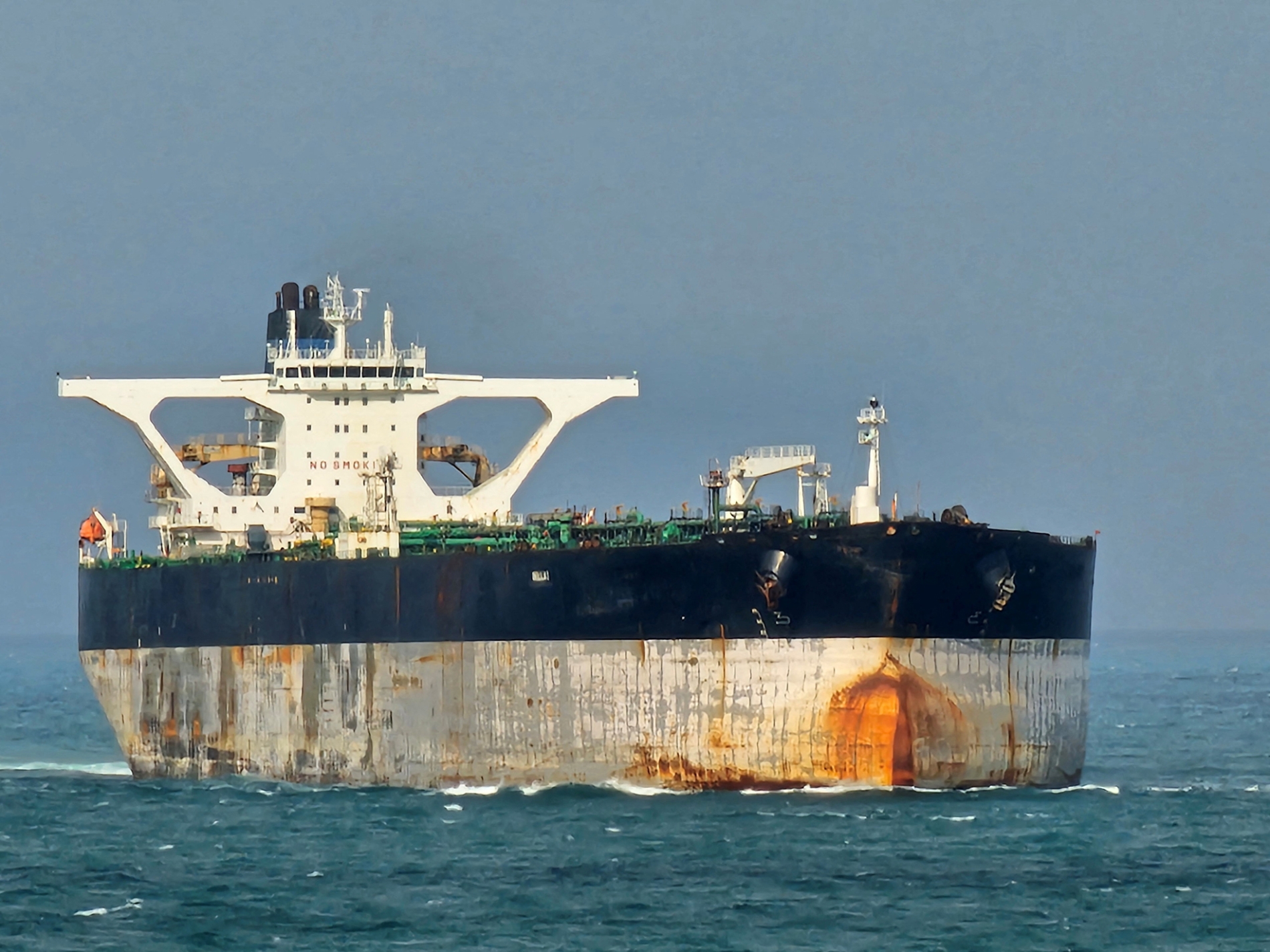
Trump has mentioned oil multiple times since announcing Maduro’s capture, but even that seems like a far-fetched rationale for ousting Maduro. Caracas has ruined its oil infrastructure and chased away a generation of capable personnel. Turning things around would take years and cost more than an estimated $100bn, a price that feels even more daunting given the current low price of crude—a market signal that suggests slowing demand.
Read more: The problem with Venezuela's oil is technical, not political
One mustn’t discount the possibility that Trump doesn’t personally care about Venezuela, and that he may have delegated policy to two key lieutenants: Secretary of State Marco Rubio, who has long been a hawk on Venezuela and neighbouring Cuba, and Deputy Chief of Staff Stephen Miller, whose pet issue is immigration. To a degree, that may explain Trump’s televised remarks about oil—a topic he does care about—and his vague assertion that he would soon decide which of his cabinet officials would “run” Venezuela.
The Trump administration’s repeated invocation of the Monroe Doctrine suggests an attempt to intellectualise US actions in Latin America, which include not only the operation in Venezuela but also the co-opting of El Salvador’s prisons and a $20bn bailout of the Argentinian economy led by the pro-Trump leader Javier Milei. Under this theory, the White House sees the Western Hemisphere as its playground.
Two unintended consequences may immediately arise. Major regional economies such as Brazil, Canada, and Colombia may either find ways to punch back at the United States or strike alliances that increase their collective power. And then there’s the question of the other hemisphere. Seen from the corridors of power in Beijing, New Delhi, or Moscow, the White House’s actions in Caracas suggest that big powers can do as they please in their backyards. Policymakers in those capitals may one day want to test the boundaries of this new world disorder.