Change is coming in Iran

Khamenei has struck a defiant tone amid growing protests against his regime, but a series of regional setbacks, coupled with Trump's adventurism, could finally bring it down

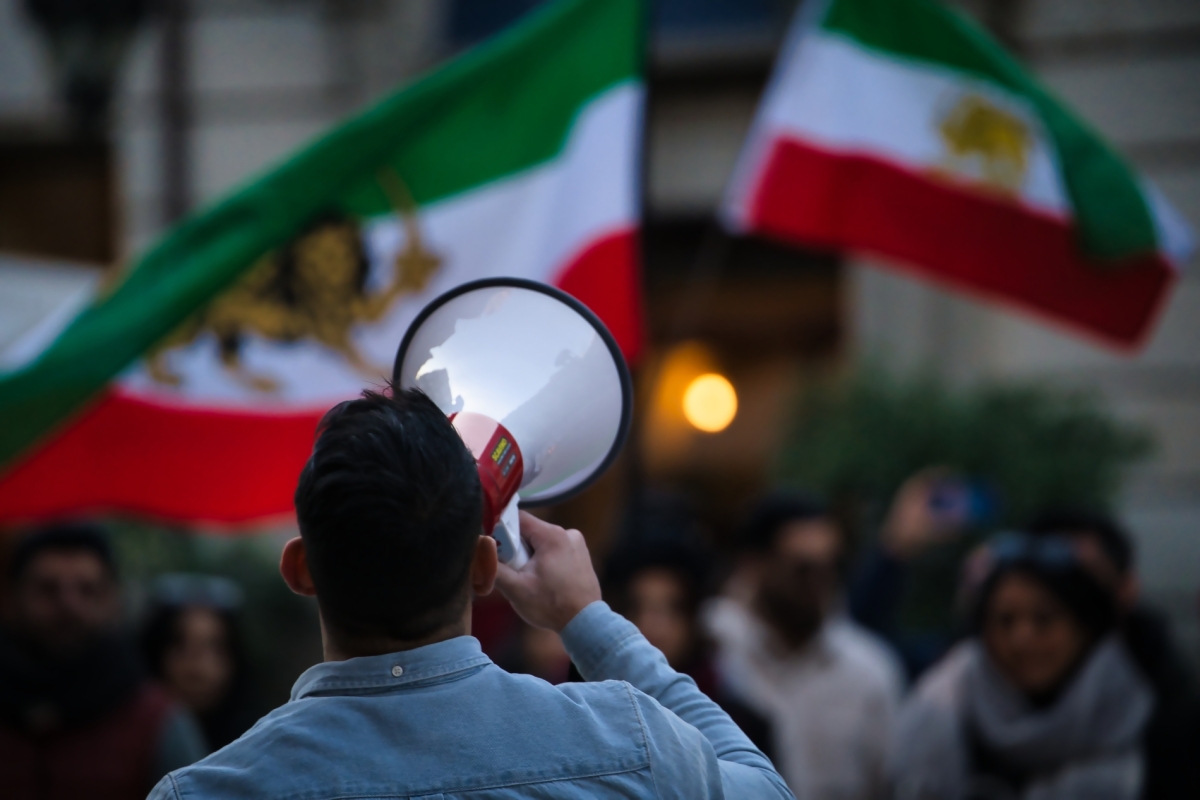
Picture for illustrative purposes only.
shutterstock
Picture for illustrative purposes only.

Change is coming in Iran

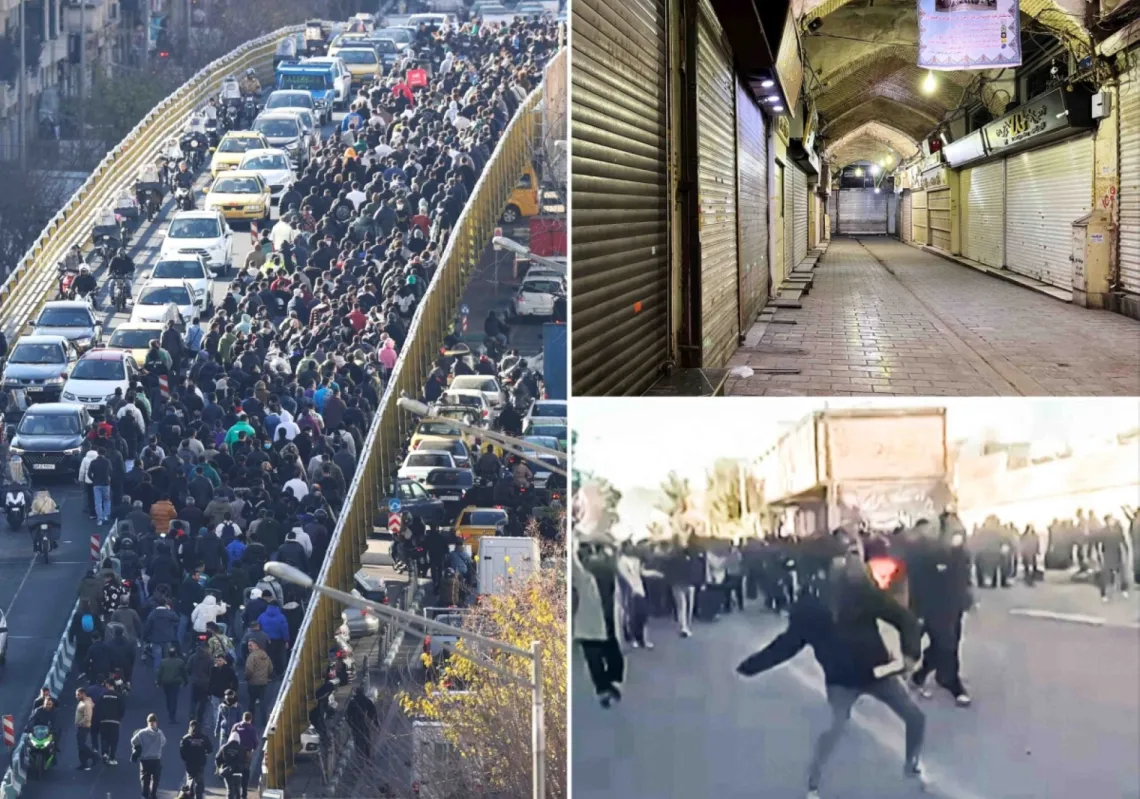
A new wave of anti-government protests in Iran, which broke out on 28 December, entered a dramatic new phase on 8 January. Throngs of people filled the streets all over Iran, including in the country’s largest cities such as Tehran, Mashhad and Isfahan. The regime responded with a total internet shutdown, which made it harder to assess the crowd sizes, but all evidence points to some of the largest protests in recent Iranian history.

The spark of the initial protests was the fall in the value of Iranian currency, but they quickly became political. This is because it has become clear to all serious observers that the country’s economic problems are entangled with a myriad of unaccountable institutions that make up the Islamic Republic, all headed by the 86-year-old Supreme Leader Ayatollah Ali Khamenei.

As they had in previous protest waves in 2017-18, 2019-20 and 2022-2023, Iranians now chanted "Death to Dictator" and other slogans directly targeting the top echelon. Another popular one was "Khamenei is a Murderer, His Leadership is Annulled". The ferocity and intensity of the protests were evident in dramatic actions, including an attack on a local governor’s office in Shazand and on the provincial state broadcaster's headquarters in Isfahan.

A considerable number of protesters, in cities all over Iran, chanted slogans in favour of Reza Pahlavi, son of the last Shah of Iran, who has posed himself as an opposition leader from his American exile. In fact, Pahlavi had called for slogans to be chanted at 8 pm on 8 and 9 January, adding that, based on the response to this initial call, he’d issue further calls to action. The massive show of force so far has added to his clout. Issuing a message after the Thursday protests, he asked more people to join and pledged: “Be sure that victory belongs to you.”
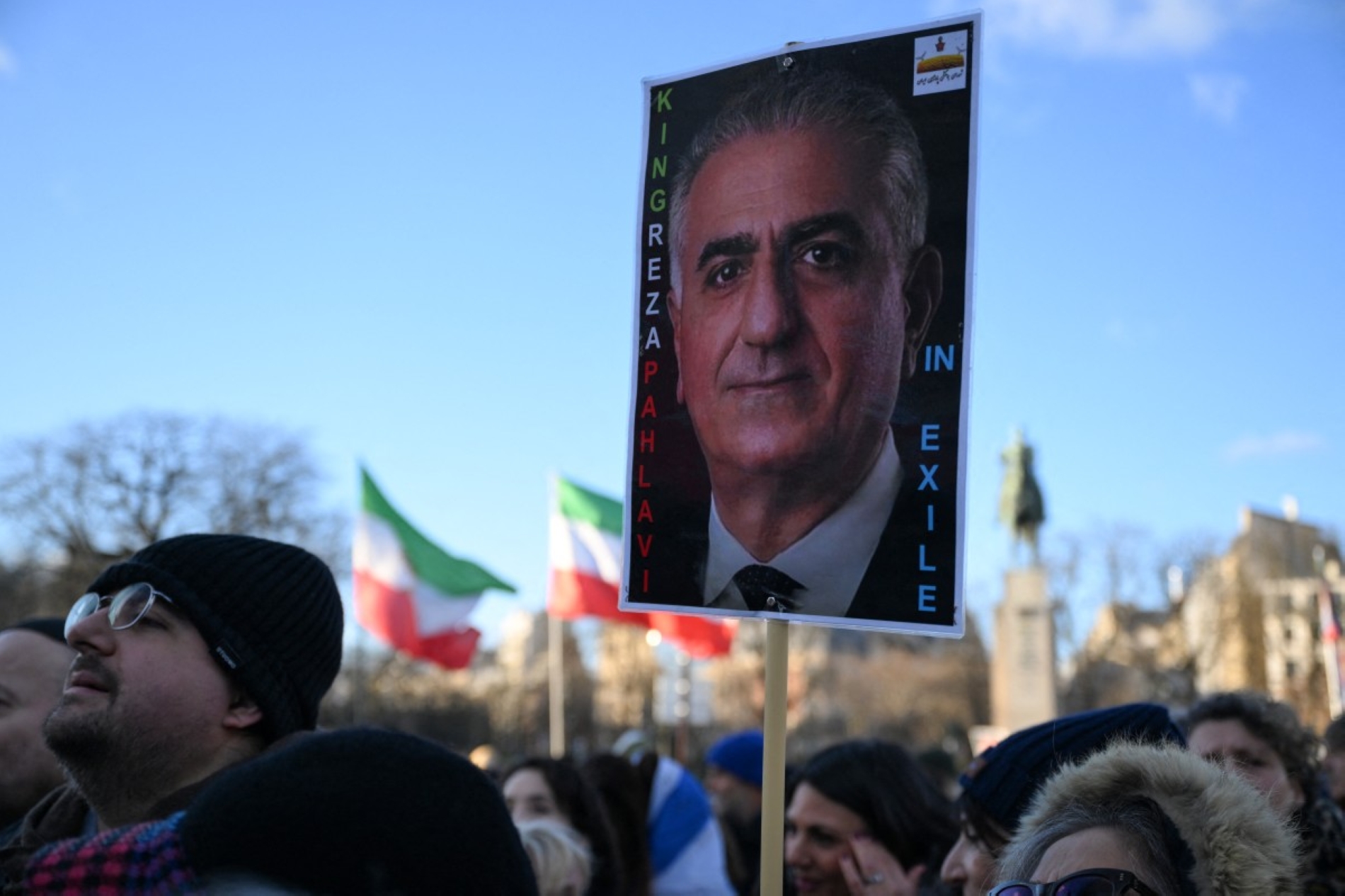
Photo by BLANCA CRUZ / AFP
A protester holds a placard of Iranian opposition leader and son of the last Shah of Iran, Reza Pahlavi, during a demonstration against the Iranian regime's crackdown on protests in central Paris, on 4 January 2026.

Divisive figure

Pahlavi remains a divisive, not a unifying figure. The movement around him has practised an ultra-nationalist, right-wing politics, often characterised by noxious speech, which has repelled many Iranians. All of this means that his camp has done little to assure others of their democratic credentials. But his supporters have seemingly increased.

The evidence for this is not just the street chants, but that most Iranians now know several people around them who support Pahlavi. This support is not always for the restoration of the monarchy or Pahlavi’s politics as a whole. Many simply see him as a necessary figurehead to challenge the Islamic Republic.
The Islamic Republic appears cornered, but its leadership shows no will to compromise

But that job comes with tremendous challenges. Pahlavi has so far been unable to work with other opponents of the Islamic Republic who don't accept his authority. Last year, he declared himself the transition leader, but he has done little to bring others on board or build the necessary institutions to make this vision a reality. His claim of being in touch with thousands from Iran's security forces, who've allegedly declared a readiness to work with him, has still shown no tangible result. People chanting Pahlavi's name in Iran will also soar expectations over his next move.

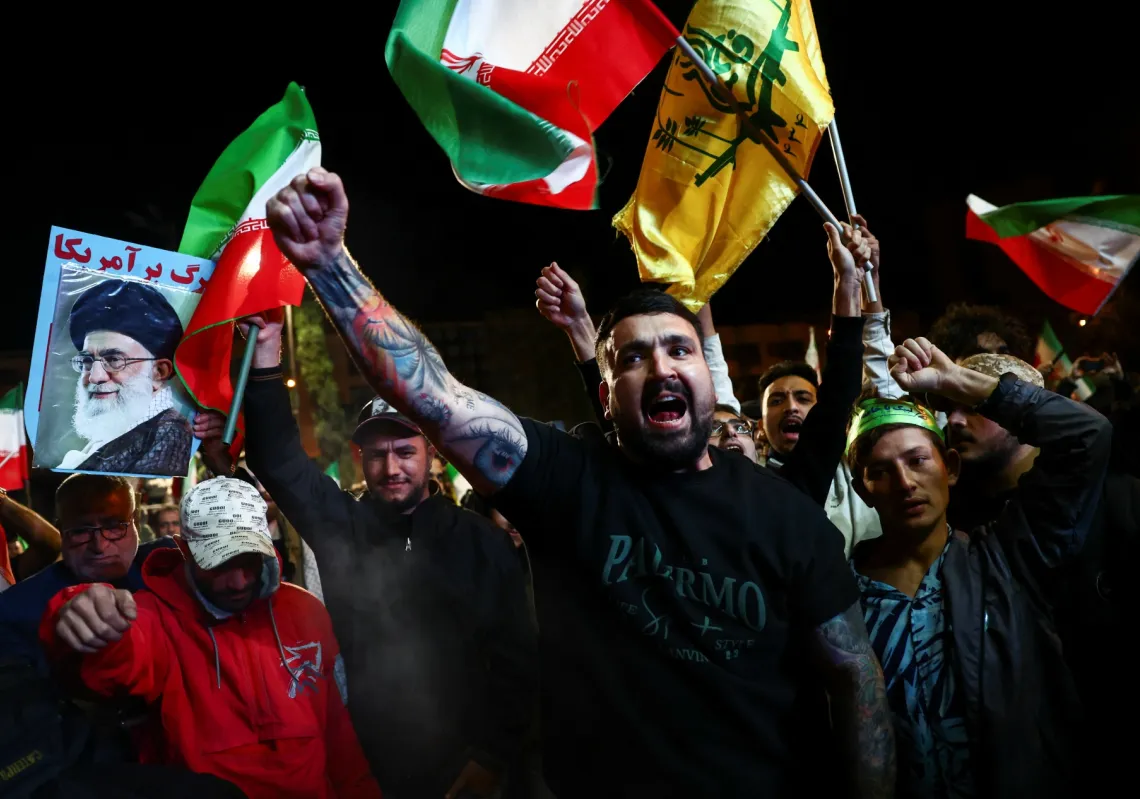
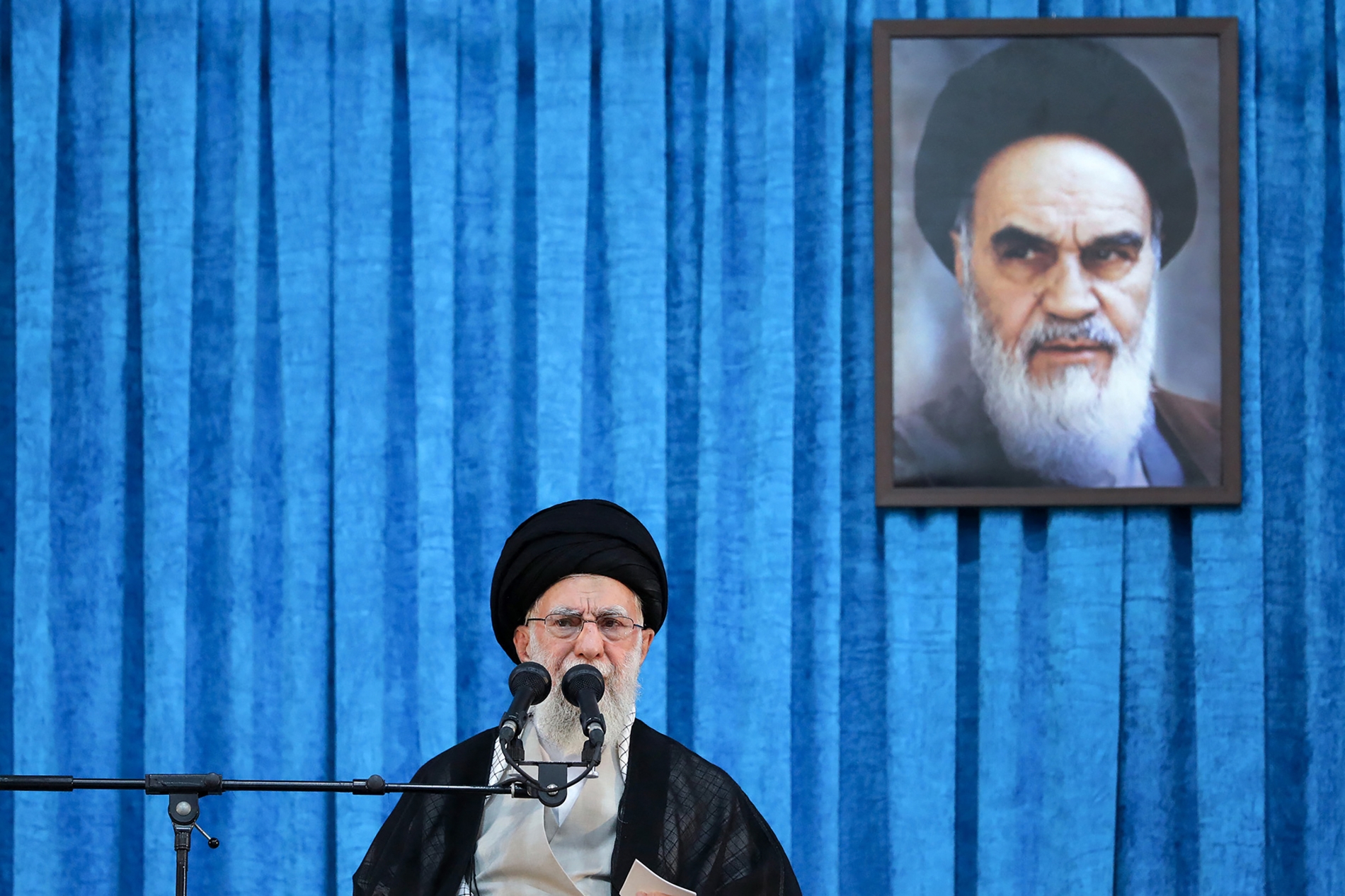
For its part, the Islamic Republic appears cornered, but its leadership shows no will to compromise. In a defiant speech on Friday, Khamenei attacked protesters as rioters who "burn buildings in their own country" for the sake of US President Trump. Khamenei was referring to Trump's expressed support for the protests and his repeated pledge that he'd come to the aid of the protesters if the regime mowed them down (dozens have already killed in the protests, although Trump has awkwardly downplayed this).

KHAMENEI.IR / AFP
Iranian Supreme Leader Ayatollah Ali Khamenei addresses Iranians on the occasion of the 36th anniversary of the death of Ayatollah Ruhollah Khomeini (portrait), in Tehran on 4 June 2025.

Defiant tone

Khamenei also ominously referred to "hundreds of thousands of noble people" who had died to establish the Islamic Republic. The ageing leader is once more throwing down the gauntlet, promising to meet the protesters with his familiar iron fist. He even boldly predicted the fall of Trump, comparing him to Quranic tyrants Nimrod and the Pharaoh.

But repression can't save his regime forever. Longstanding Western economic sanctions have crippled the country, and the economic dead-end is too obvious to ignore. Last year, Iran struggled to provide regular electricity and water to its people. Huge rises in the cost of living have made basic food items a luxury for millions of Iranians.

Regionally and internationally, the regime has also been dealt blow after blow. Its Axis of Resistance, i.e. a coalition of militias it backed in Arab countries, mostly lies in ruins. The fall of the Assad regime was followed by the fall of Maduro in Venezuela, bringing down Tehran's two closest allies.

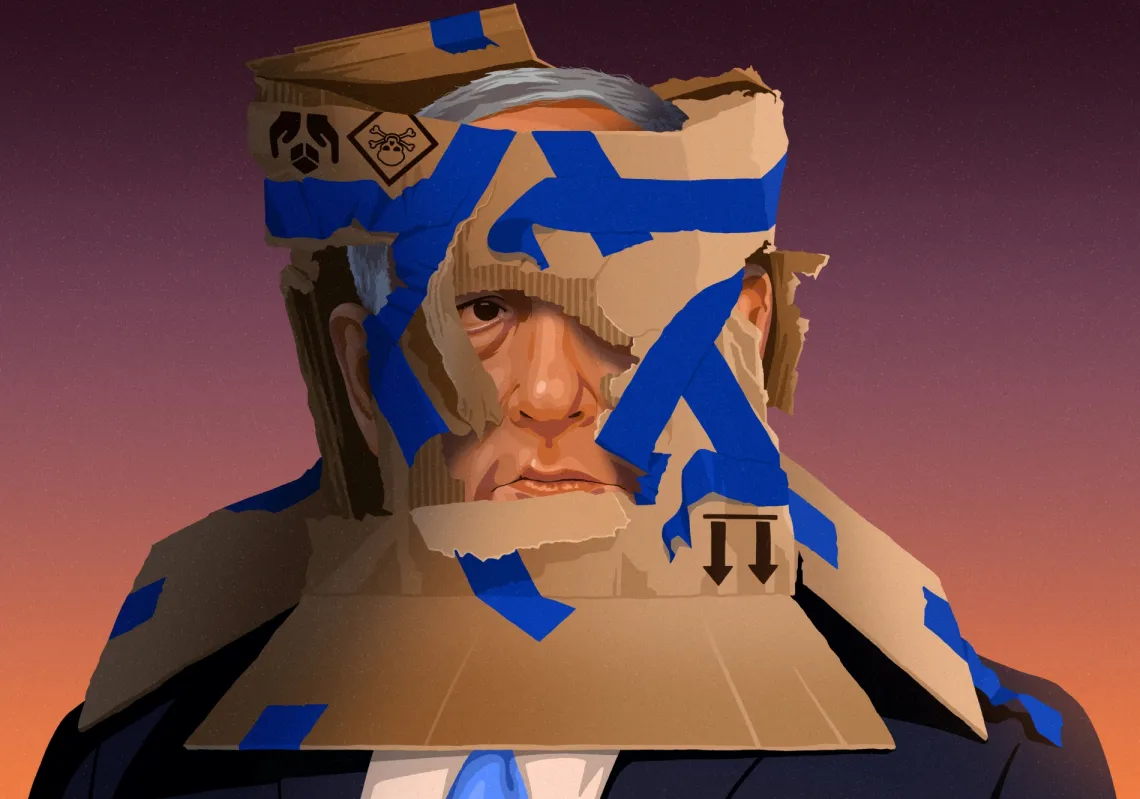
In the coming days and weeks, Khamenei will find himself under siege from two sides: his own people in Iran and his chief foreign adversaries, the US and Israel. The status quo doesn't appear tenable, and either one of the two could potentially bring him down.

But there is also a third element: figures inside the regime and its security forces. Many were simply waiting for Khamenei to die of old age, but recurrent crises might convince them that it's time to move now. One way or the other, change is bound to come to Iran. The writing is on the wall for the regime built by Khamenei.

font change