The problem with Venezuela's oil is technical, not political

Tighter US control over Venezuelan exports won't necessarily redirect barrels, reshape trade flows, or alter global supply balances

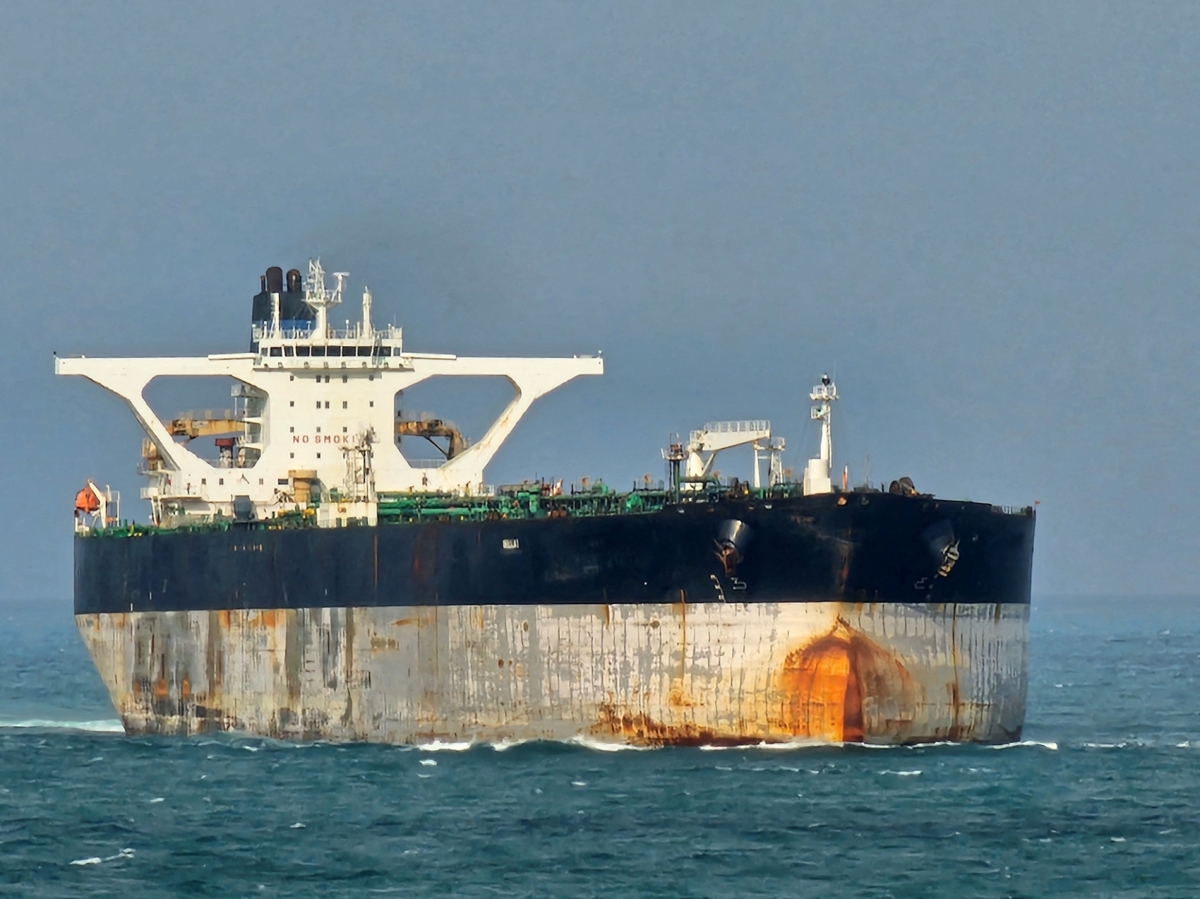
A Venezuelan oil tanker in the middle of the sea near Singapore, after being pursued by US authorities, on 18 March 2025.
Reuters
A Venezuelan oil tanker in the middle of the sea near Singapore, after being pursued by US authorities, on 18 March 2025.

The problem with Venezuela's oil is technical, not political

Venezuelan crude oil has once again found itself at the centre of global oil market debate, given the recent US attack on the country and subsequent abduction of its president, Nicolás Maduro

And while some analysts opine that tighter US control over Venezuelan exports could quickly redirect barrels, reshape trade flows, or even alter global supply balances, the issue isn't so straightforward. It's actually more of a technical issue than a political one—one shaped by geology, refining economics, logistics, and capital availability.

Reserves vs reality

While Venezuela holds the world’s largest proven crude oil reserves—a fact that is frequently cited—these reserves reflect hydrocarbons in the ground, not barrels that can be produced, processed, and reliably delivered to market. Venezuelan production is overwhelmingly onshore, concentrated in the Orinoco Belt, where output consists largely of ultra-heavy and extra-heavy crude grades.

These barrels are among the most technically demanding in the global system. They are dense, high in sulfur, and often require blending with lighter crudes or condensates before they can even be exported. This ultra-heavy crude requires hundreds of billions of dollars in sustained investment in upstream, upgrading, logistics, and export infrastructure. Even under the most optimistic assumptions, restoring production to historical levels would take many years, not months. As a result, reserves alone do not translate into market power unless accompanied by capital, technology, and time.

Over the past decade, underinvestment, operational degradation, and infrastructure decay have sharply limited Venezuela’s ability to monetise its resource base. As a result, export capacity is far below the geological potential. Venezuelan crude exports have typically fluctuated between 700,000 and 900,000 barrels per day when flows are relatively stable. That number, not the reserves number, is what matters for market impact.
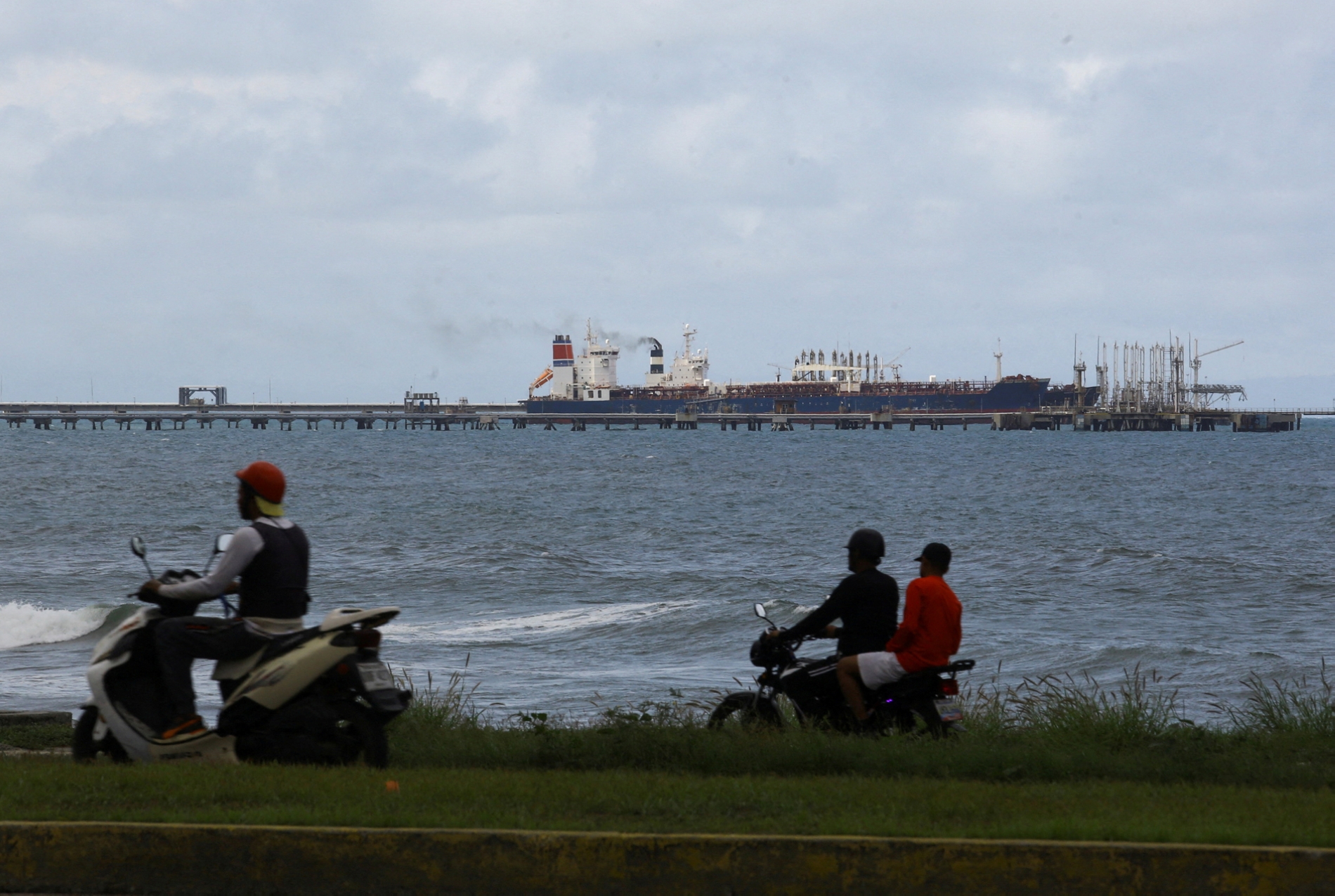
Reuters
Huge ships transporting Venezuelan oil, which is subject to US sanctions, near the Venezuelan city of Puerto Cabello, on 29 December 2025.

China vs the US

Over the past several years, China has emerged as the primary destination for Venezuelan crude. This relationship is not driven by crude quality preference—Chinese refiners are not natural buyers of ultra-heavy oil—but by commercial flexibility. Chinese buyers have been willing to accept deep discounts, irregular delivery schedules, and elevated logistical risk.

Equally important is how these barrels are paid for. Venezuelan crude moving to China has often been settled through non-standard mechanisms: commodity swaps, debt repayment structures, indirect settlement arrangements, and, according to market reporting, at times alternative financial channels outside the traditional dollar-based system. These structures allow barrels to move despite sanctions, but they also distort pricing transparency and delay cash realisation. China, in effect, has served as a clearing outlet of last resort, absorbing barrels that struggle to find compliant homes elsewhere.

If Venezuelan crude were redirected toward the United States, the nature of the trade would change fundamentally. US refiners operate within a highly regulated, transparent, and dollar-denominated commercial system. Crude must be purchased outright, financed through compliant banks, insured by recognised providers, and cleared through legally defensible contracts.

Informal barter arrangements, opaque swap structures, or crypto-linked settlements—mechanisms that may function in bilateral or sanctions-adjacent trade—do not scale into the US refining system. The United States does not “take” crude; it buys crude, at market-linked prices, under enforceable commercial terms. This distinction alone significantly limits the amount of Venezuelan oil that can be absorbed by the US market and at what price.
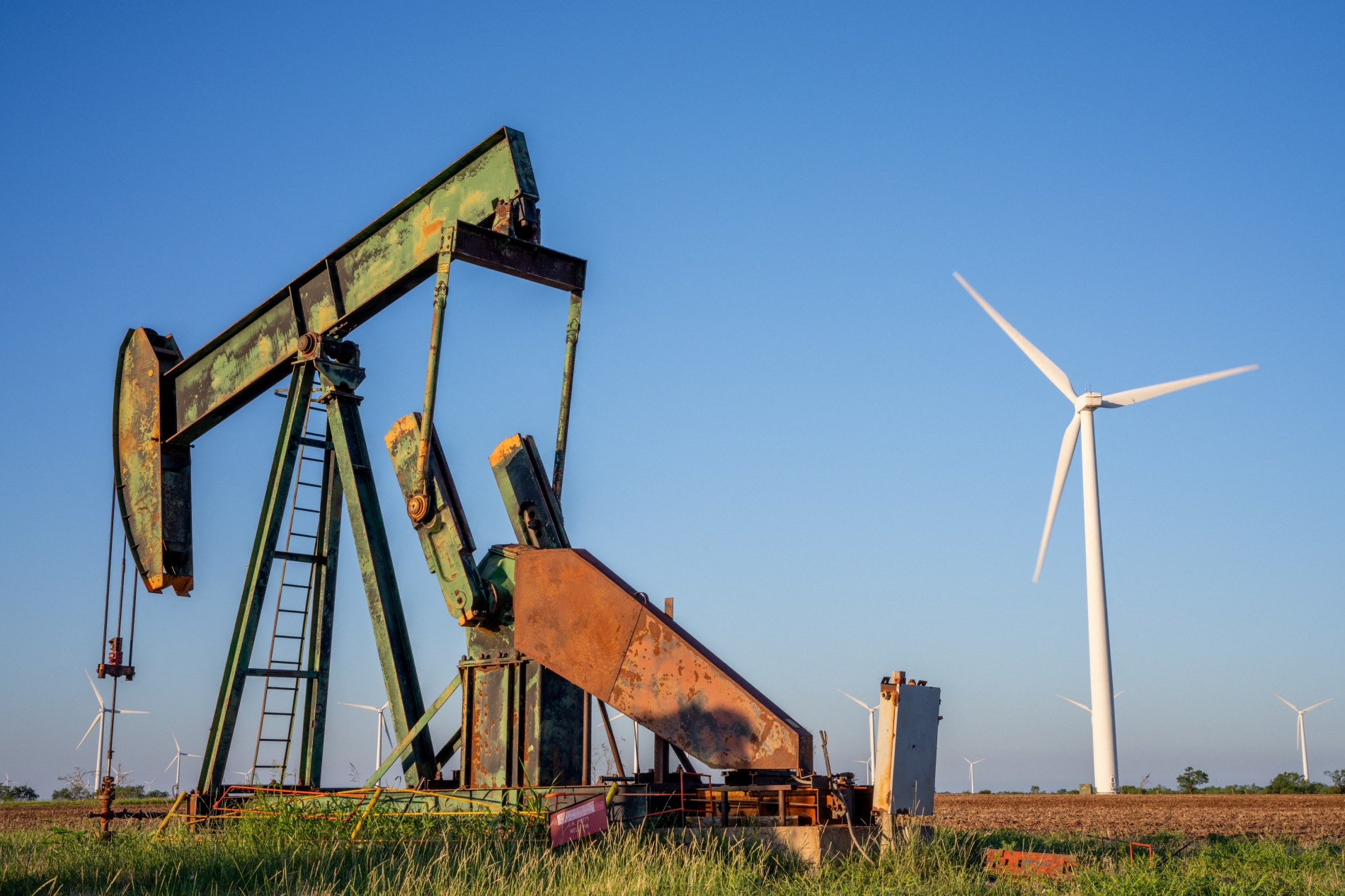
Being home to the world's largest reserves alone doesn't translate into market power unless accompanied by capital, technology, and time

From a technical perspective, Venezuelan crude is not foreign to US refiners. The US Gulf Coast hosts some of the world's most complex refining systems, equipped with delayed cokers, hydrocrackers, and deep desulfurization units. These assets were designed, in part, to process heavy sour crudes.

Venezuelan Orinoco grades typically fall in the 8–16° API gravity range, with sulfur content frequently exceeding 3–4%. This places them at the extreme heavy end of the barrel spectrum. By comparison, heavy sour grades from the Arabian Gulf generally sit closer to 20–28° API, with lower sulfur content and more consistent quality.

This difference is not trivial. While both are classified as heavy sour, Arabian Gulf crudes are easier to run, require less blending, and offer more predictable yields. US refiners can process Venezuelan crude, but often only within narrow operating windows and with higher costs.

This is why Chevron has historically played a critical role. Its operational experience in Venezuela and its access to US Gulf Coast refining capacity make it uniquely positioned to handle these barrels. Even so, compatibility does not equal scalability.

Brandon Bell/AFP
An oil pump jack is shown in a field on June 28, 2024, in Nolan, Texas.

Volume remains the decisive constraint. The United States imports well over two million barrels per day of crude from the Middle East, with Arabian Gulf producers accounting for a substantial share of that total. At this scale, Venezuelan crude exports, at 700,000–900,000 barrels per day, cannot replace Arabian Gulf supply.

Even if every Venezuelan barrel were redirected to the US—an unrealistic assumption—it would only supplement US heavy sour intake rather than restructure trade flows or materially alter global balances. This limitation is compounded by the upstream reality: heavy oil production in Venezuela is capital-intensive and requires continuous investment simply to sustain output.

Years of underinvestment have left fields and upgrading facilities in decline, meaning any meaningful production recovery would require hundreds of billions of dollars and a stable investment framework. As a result, Venezuelan crude remains a marginal contributor to the global system, not a system-resetting force, with any supply response measured in years rather than months.

Venezuelan crude continues to matter more as a sentiment-driven market narrative than as a true volume shock. Headlines about enforcement actions or asset seizures can briefly move futures prices, but sustained price impact requires sustained, deliverable barrels—something Venezuela has consistently lacked.

The market recognises this reality, which is why initial price reactions tied to Venezuela are often short-lived and followed by rapid reassessment once it becomes clear that physical supply has not materially changed. Venezuela sits at the intersection of vast geological potential and severe practical limitations.

AFP
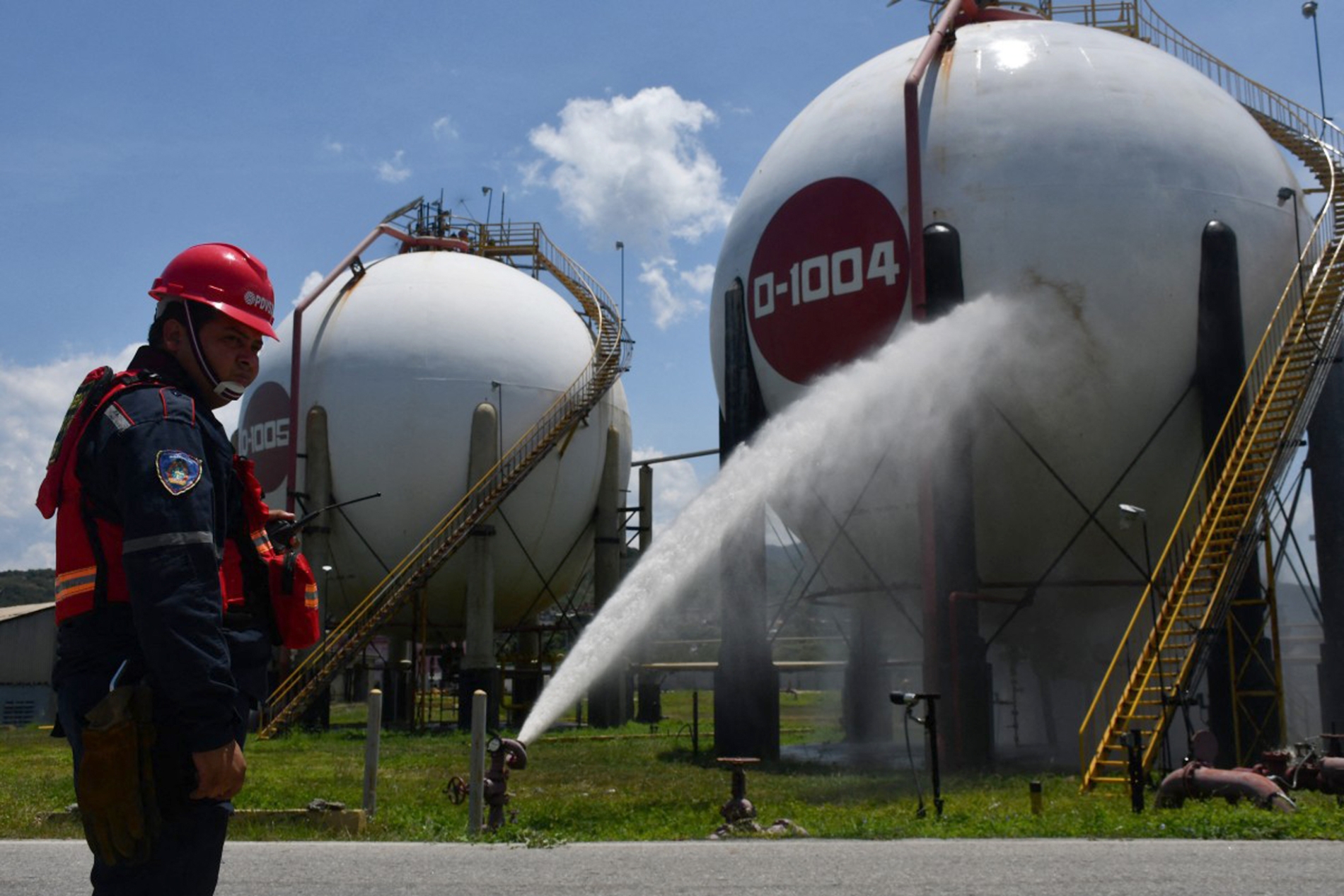
A worker stands next to oil tanks belonging to the Venezuelan state oil company, in Puerto Cabello, Venezuela, on 27 September 2025.

China has absorbed its crude by accepting unconventional trade mechanisms and deep discounts, a model the US cannot and will not replicate. Any redirection of Venezuelan crude westward would therefore change routing and pricing at the margin without rewriting global oil balances.

The barrels exist, but their influence is constrained by quality, scale, logistics, and capital requirements. In today's oil market, control over exports does not equate to control over supply, and reserves alone do not move prices.

The broader conclusion is clear: Venezuelan crude is not a market-disrupting force. It is a capital-intensive, technically demanding, and time-constrained supply source. Any shift in control would reshuffle trade routes rather than flood the market or damage global balances. The oil market would adjust, not break.

A closer reading of market realities shows that concerns over Venezuela are largely overstated. Even if Venezuelan barrels return more visibly to global markets, they will not overwhelm supply or displace Arabian Gulf crude.

If the United States were to play a role in structuring or supervising Venezuelan crude exports, this would not mean a flood of uncontrolled supply, but rather a shift toward greater transparency, compliance, and market discipline. Venezuelan barrels would move through formal channels, find their natural refining homes based on crude quality, and be priced more efficiently—rather than being sold at steep discounts through opaque, sanction-driven routes.

Far from affecting Arabian Gulf producers or destabilising the market, this evolution would likely improve overall market clarity. For years, a large share of Venezuelan crude has flowed quietly to China through sanction-linked arrangements. Bringing those barrels back into the open market does not increase global supply; it simply moves volumes from the shadows into the light.

AFP
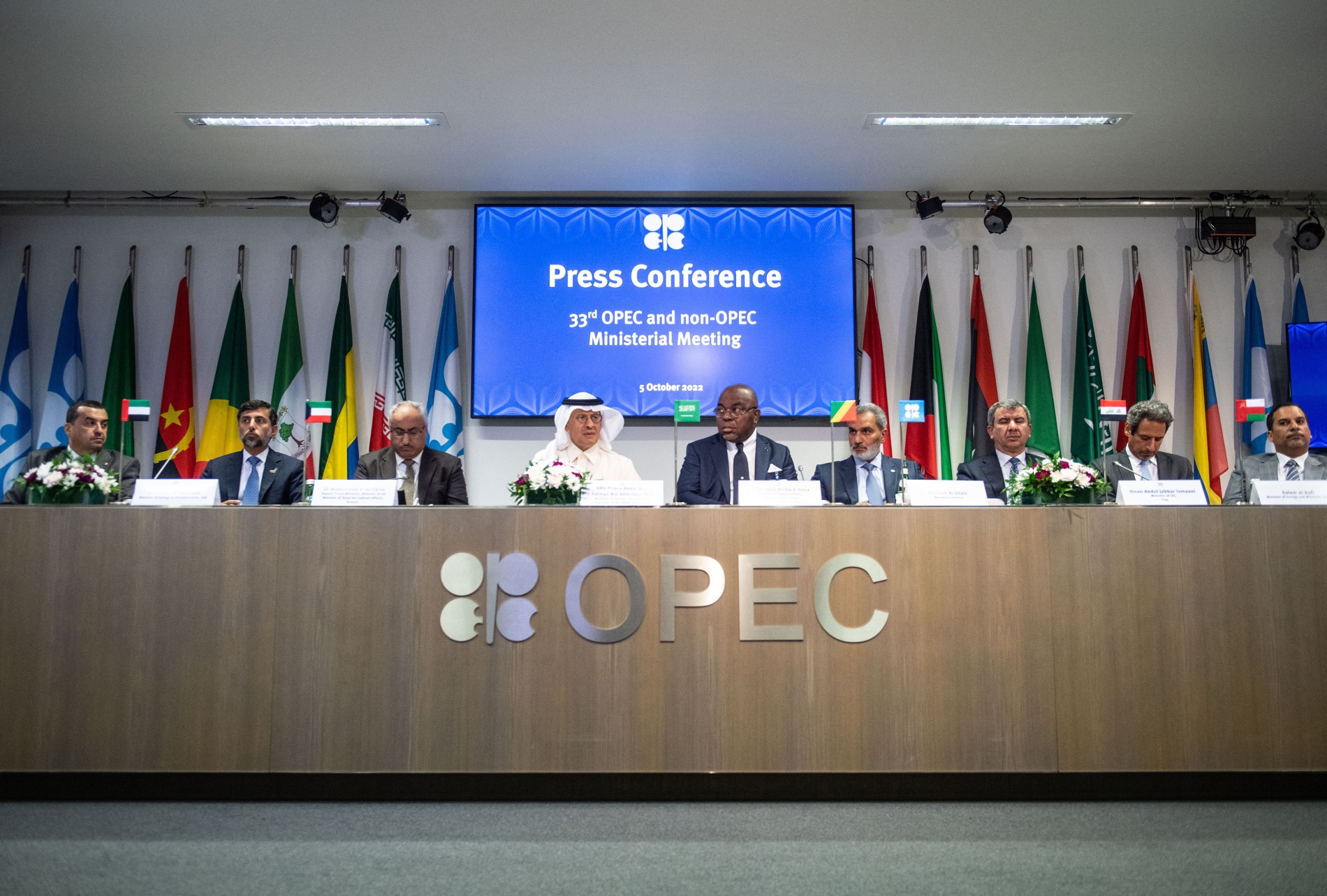
Press conference by representatives of OPEC member states following the organisation's meeting in Vienna, Austria, on 5 October 2022.

In that sense, what is unfolding is not a threat to OPEC or Arabian Gulf producers, but a normalisation process that supports market stability. It reinforces OPEC's role, preserves Arabian Gulf competitiveness, and improves transparency—outcomes that ultimately serve the global oil market rather than disrupt it.

The longer-term context is equally important. In the early 2000s, Venezuela produced more than 3 million barrels per day, a period that coincided with the active participation of international oil companies such as ExxonMobil and ConocoPhillips in the Orinoco Belt and other projects. That production peak was supported by large-scale foreign capital, advanced technology, and experienced project management. This dynamic changed sharply in 2007, when Venezuela moved to nationalize key oil assets, prompting ExxonMobil and ConocoPhillips to withdraw from the country after failing to reach new contractual terms with the government. Following their exit, production entered a prolonged structural decline as investment, technical capability, and operational efficiency eroded.

Notably, Chevron remained in Venezuela, retaining minority stakes in joint ventures with PDVSA and maintaining operational continuity. Chevron was able to continue producing and exporting Venezuelan crude—largely uninterrupted under various U.S. licenses—but its presence alone was insufficient to offset the loss of scale, capital, and expertise left behind by ExxonMobil and ConocoPhillips.

The data therefore tell a consistent story: Venezuela's production decline was not triggered by recent enforcement actions, but by the structural break that followed the 2007 withdrawals. Today's export volatility reflects the consequences of nearly two decades of underinvestment, reinforcing the conclusion that restoring production to anywhere near early-2000s levels is a long-term challenge, regardless of export controls or trade rerouting.

font change