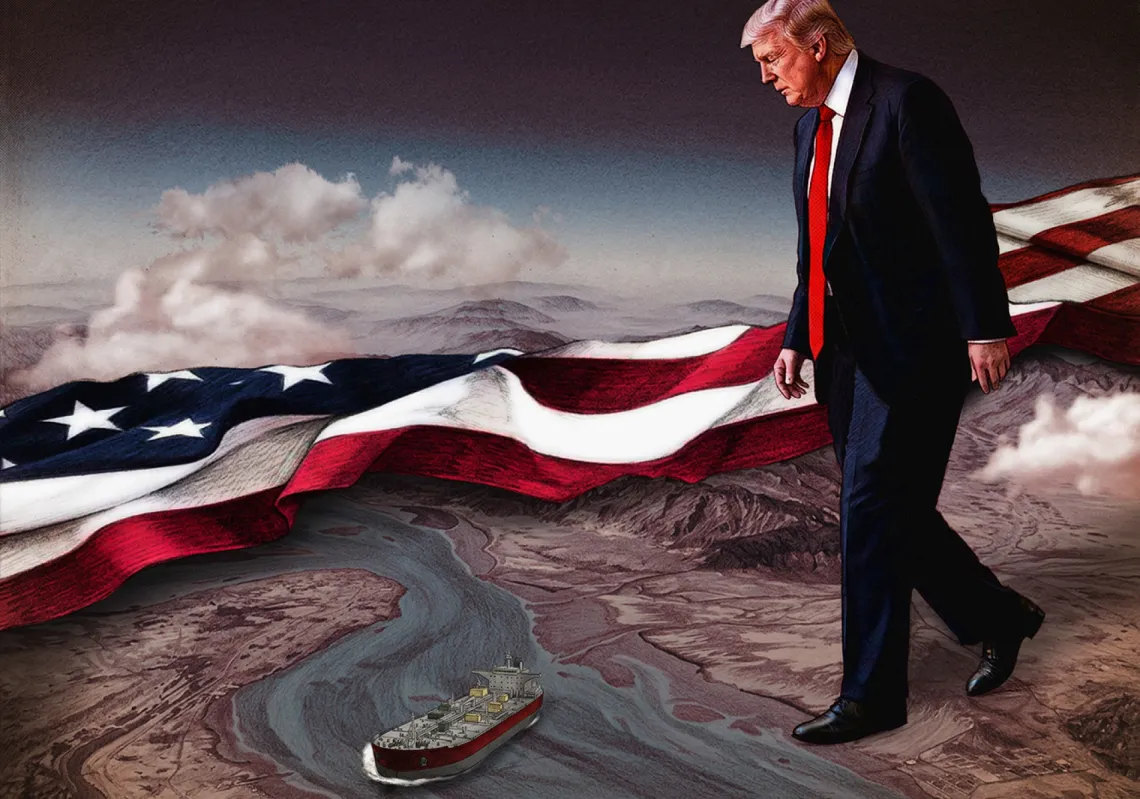
If history is any indication, then yes. While much of modern-day America was acquired through conquest, large chunks of the country were also bought from reluctant sellers under pressure.
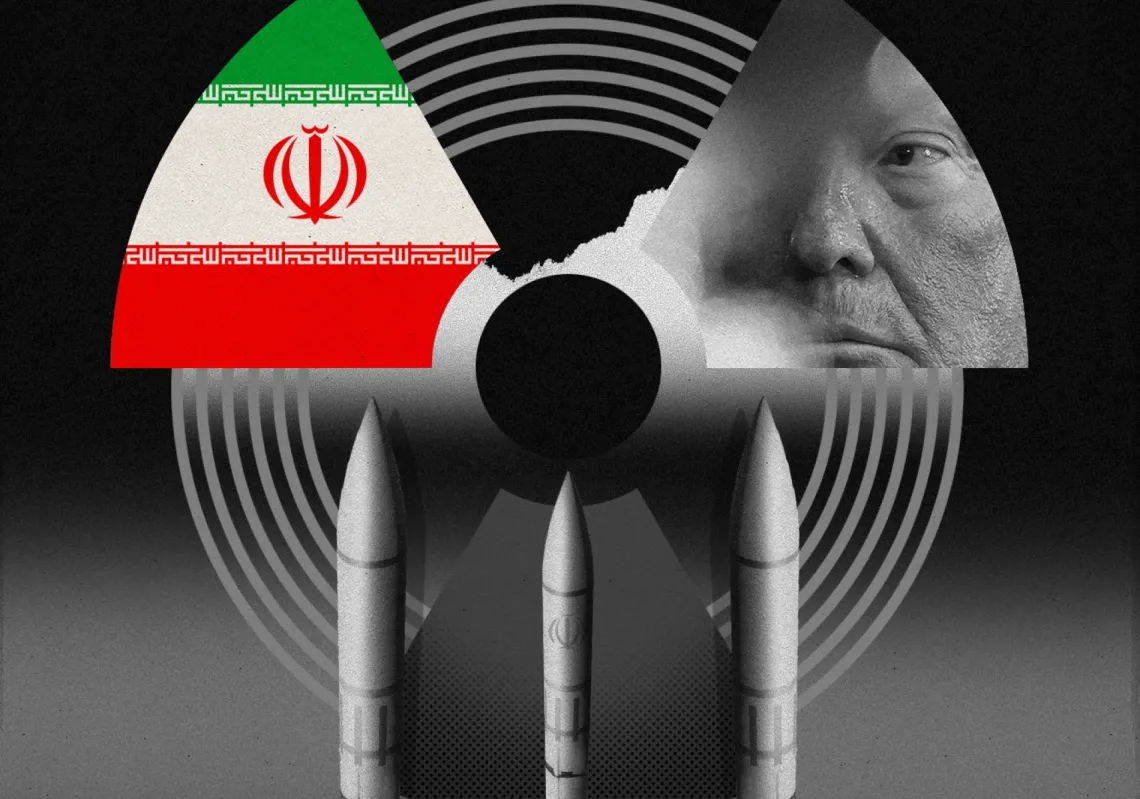
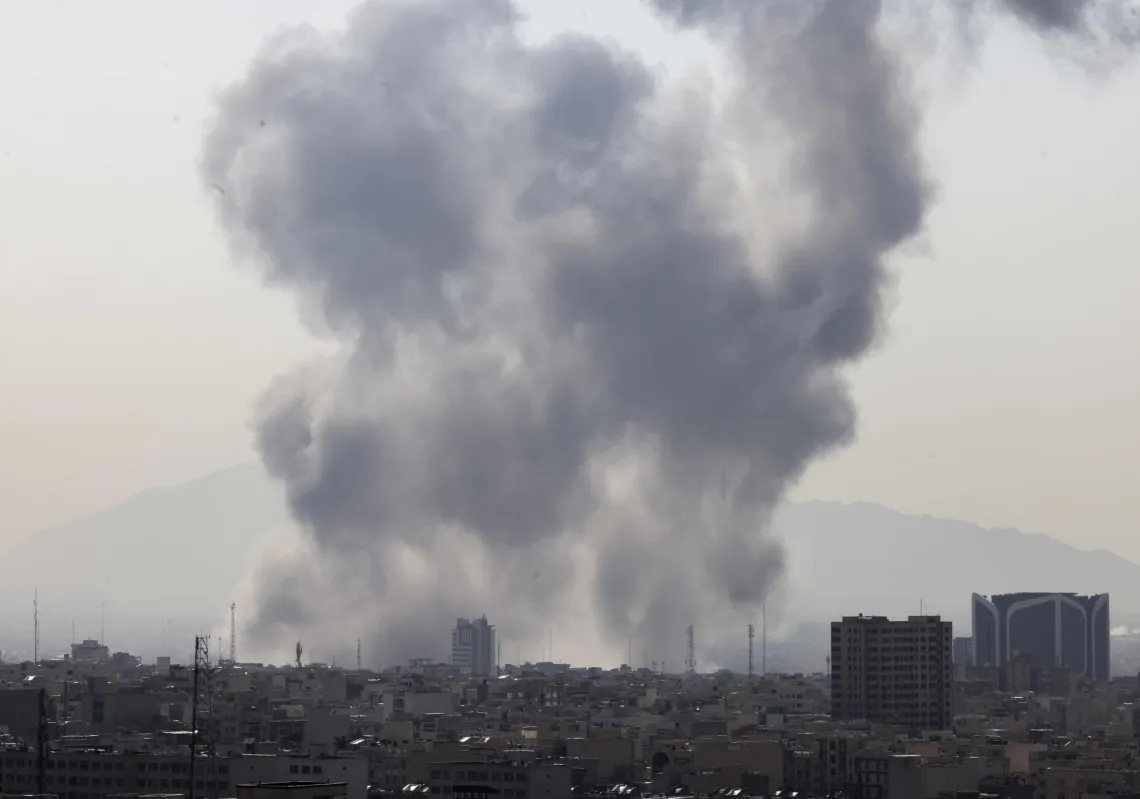
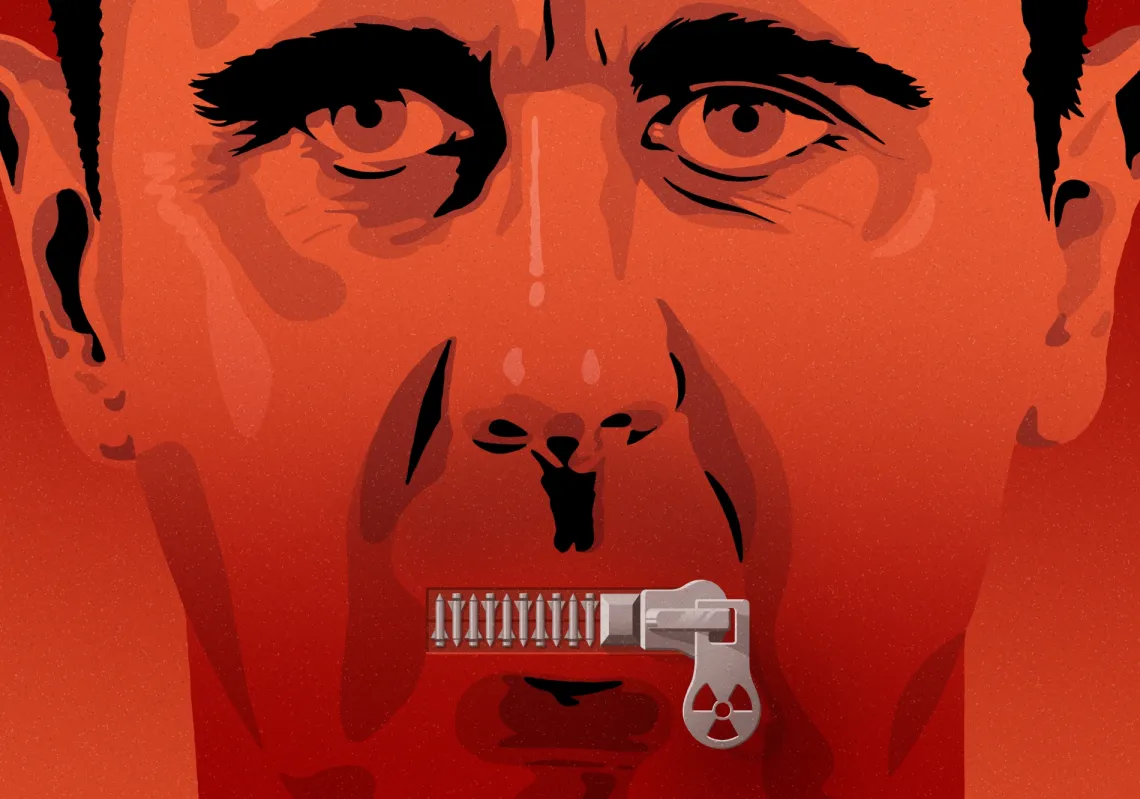
Whether American military action triggers a rapid collapse of Iran's regime or gradually erodes it over time, all paths lead to one destination: the end of the Islamic Republic
From a US military build-up in the region to Trump's growing unpopularity at home, several factors could influence his decision on whether or not to attack
Trump made no secret of his desire for the US to 'own' Greenland and has threatened to take over the frigid Arctic island 'the easy way or the hard way', but its people do not want to become American
Its role within the group is likely to remain institutional rather than operational in the near term, but its status as a founding member continues to carry historical and symbolic weight
This year's WEF report says that rules and institutions that have long underpinned stability are under siege in a new era in which trade, finance and technology are wielded as weapons of influence
When states are attacked, authority gravitates towards institutions capable of mobilising resources, enforcing discipline, and coordinating a military response
Cairo and Tehran have been at loggerheads since 1979, but the Iranian threat has always acted as a check on Israeli ambitions. If Iran is completely defeated, Israel will reign supreme.
Even if it stays on the sidelines of the US-Iran war, the country is fragile. Unlike larger economies that can absorb shocks in global markets, it has little room to cushion the impact.