
No one truly knows what Donald Trump will ultimately decide to do about Iran in the coming weeks—perhaps even Trump himself. But for a US president who prides himself on his unpredictability, the success of his overall foreign policy is, at best, checkered. While Trump has scored some wins on the world stage in his first year in office, he has also suffered setbacks. From the Ukraine war to his global tariff war, the verdict is not yet out.
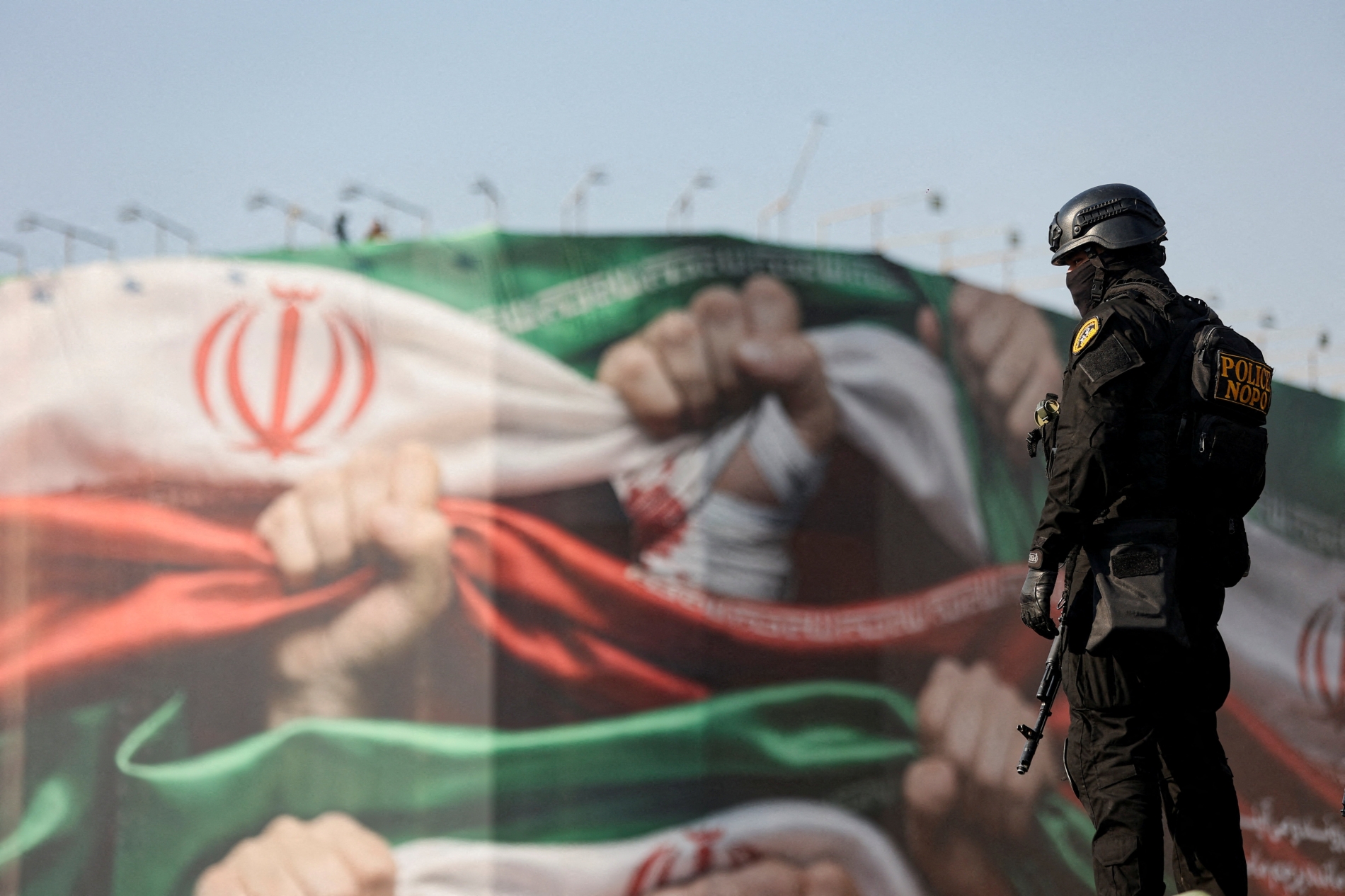
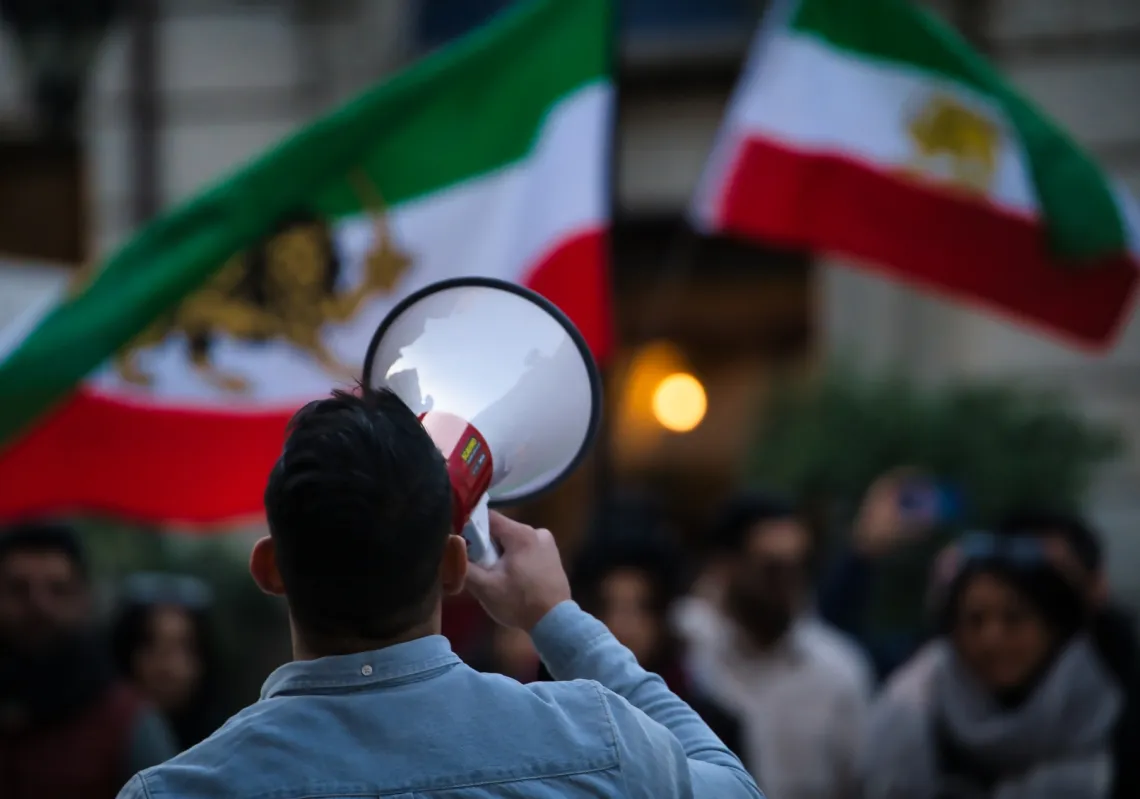
Trump’s battle with Iran also falls into this category. Whether there will be an all-out war, a tactical decapitation strike, or another round of negotiations is anyone’s guess. But the US seems poised to do something, despite Trump seemingly walking back threats he made just a few weeks ago when he urged Iranian protesters to “take over your institutions, " promising that “help was on its way”.
Since then, Trump has expanded the set of options he has on Iran, keeping the door open to diplomacy while also sending more military firepower towards the Middle East, including the USS Lincoln aircraft carrier and several accompanying warships. Trump asked his military advisors for "decisive options,” just as his top Middle East envoy Steve Witkoff hinted earlier this month in Davos, Switzerland, that the US was still seeking some sort of diplomatic pathway with Iran.
Below are several factors that could influence or give clues as to what direction Trump will ultimately take.
1. US military build-up in the region
The fact that Trump has sent more military firepower into the Middle East, at a time when his administration just released national security strategy and national defence strategy documents signalling that the US should scale back its resources and commitments in the Middle East to focus on the Western Hemisphere, fuels speculation that an attack on Iran is imminent.
The additional firepower sent to the Middle East this month could simply be a negotiating tactic, or it could be a harbinger of looming military action, as was the case when US special forces seized Venezuelan President Nicolás Maduro earlier this month. But in the event that the US does strike, do not expect a repeat of decades-long military ground campaigns in Iraq and Afghanistan.
It is more likely that a strike would be limited in scope, given the vulnerability of the US military personnel and assets strewn across the region in places like Israel, Syria, Iraq, and several Gulf countries. For its part, Iran has promised to strike back hard this time, after mostly limiting its attacks during the 12-day war last year to Israel.
2. US diplomatic channels to Iran
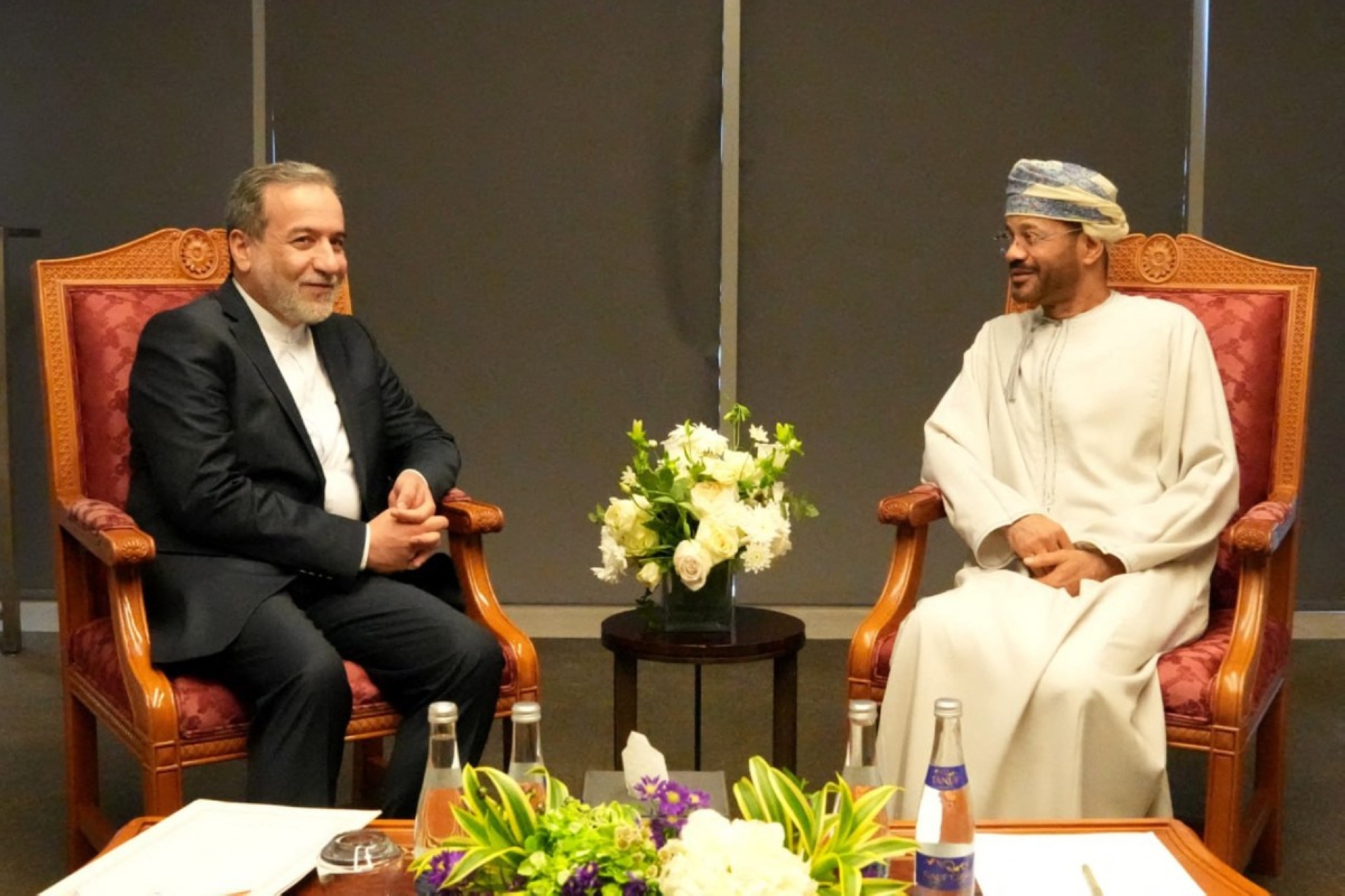
US negotiators met directly with Iran in several rounds of talks hosted by Oman in Muscat and Rome last spring to discuss Iran’s nuclear programme, which had become a key focus and point of contention in the run-up to the 12-day war. However, in the middle of negotiations, Israel attacked Iran, leading to a severe trust deficit on Iran’s part over whether the US was serious about diplomacy.
Qatar ended up being a key intermediary in ending that war. It is unclear whether diplomatic channels are active this time, but the fact that there are no outward signs of contact is worrying. Diplomacy only works if a country genuinely engages, rather than just talking about it.