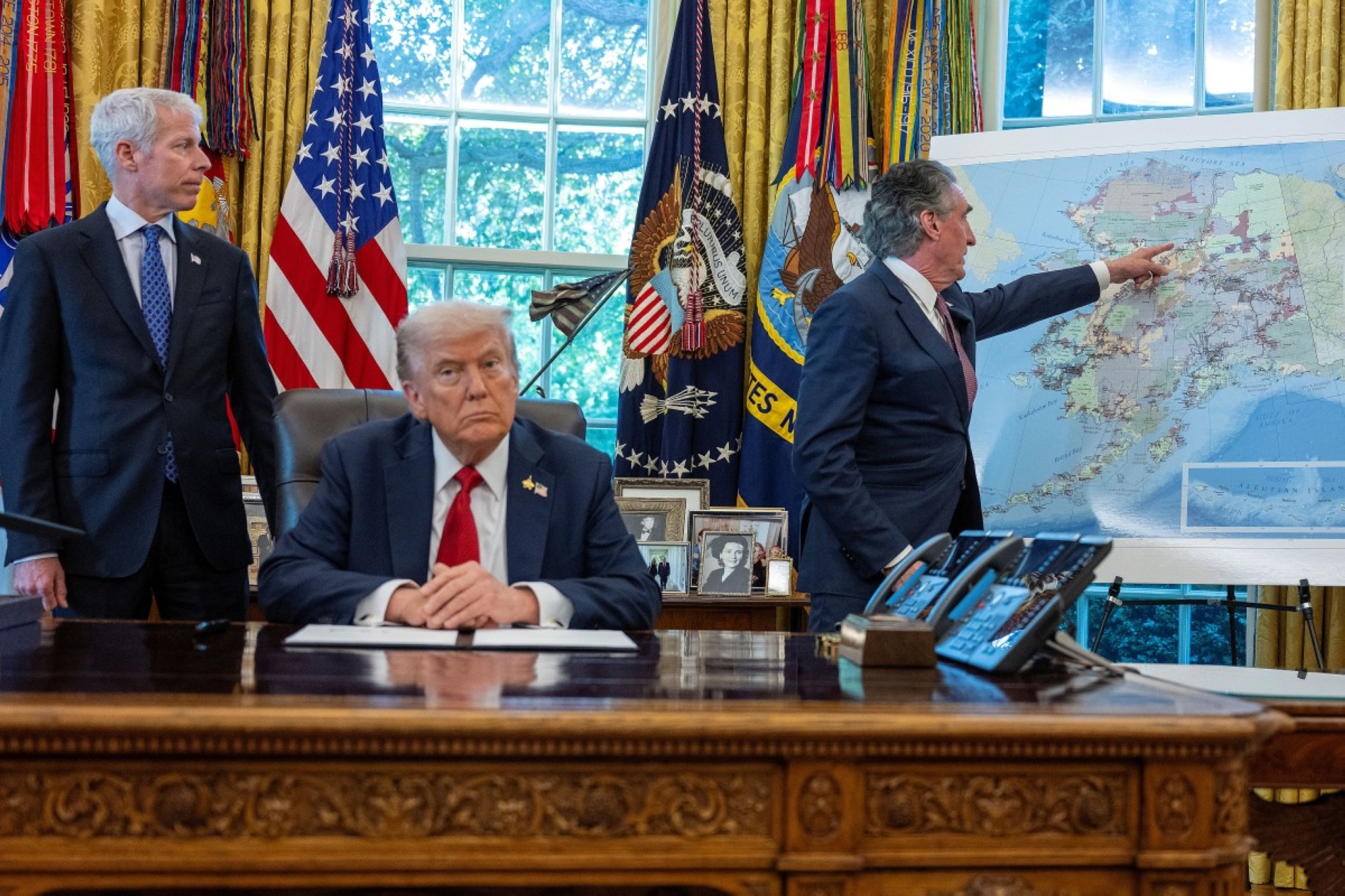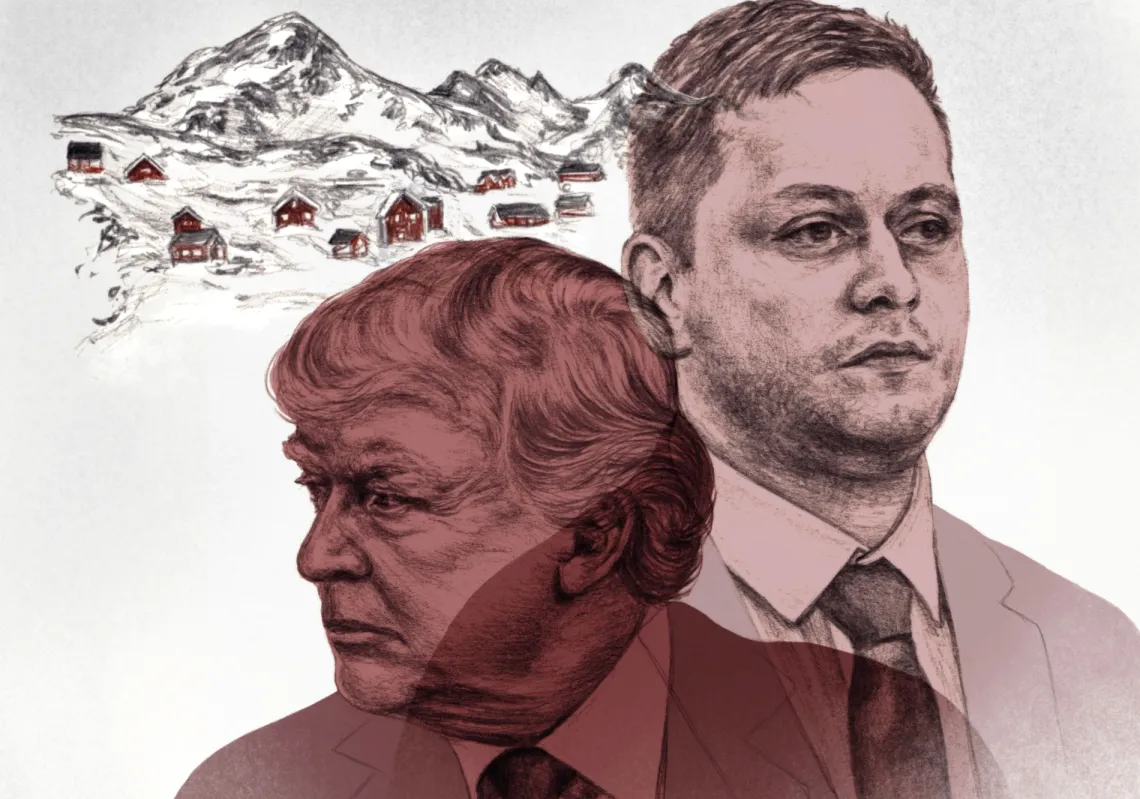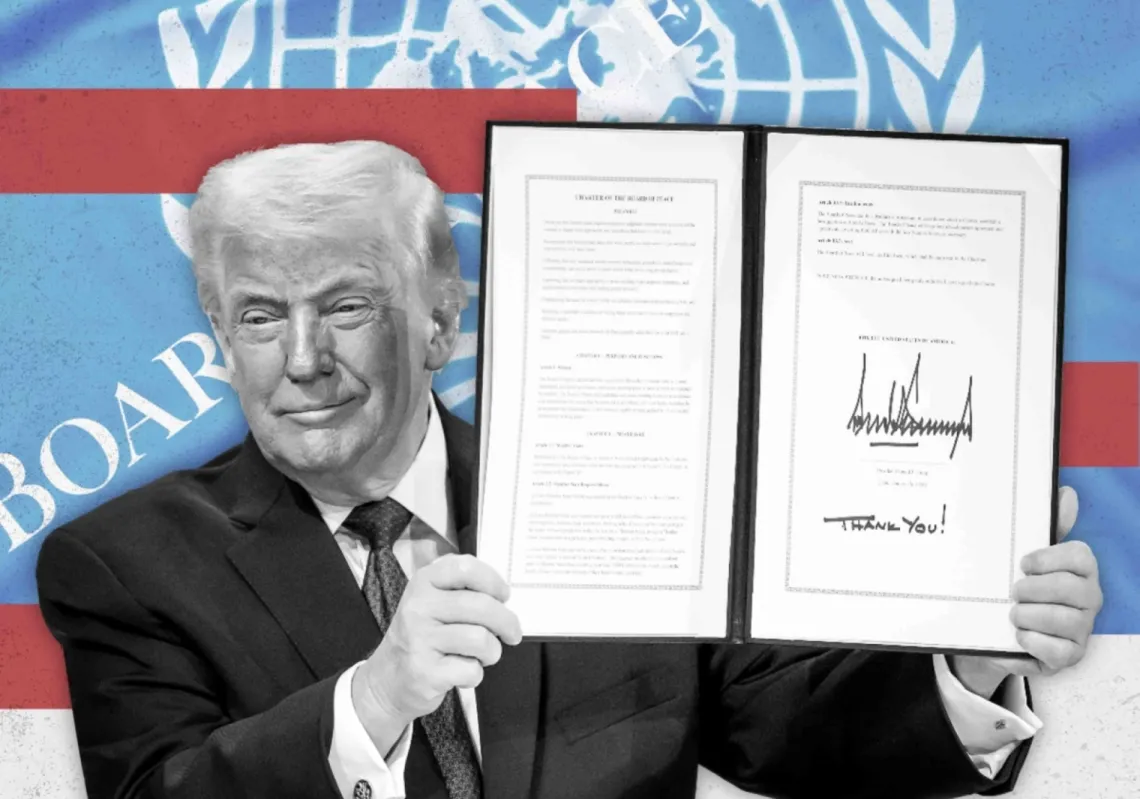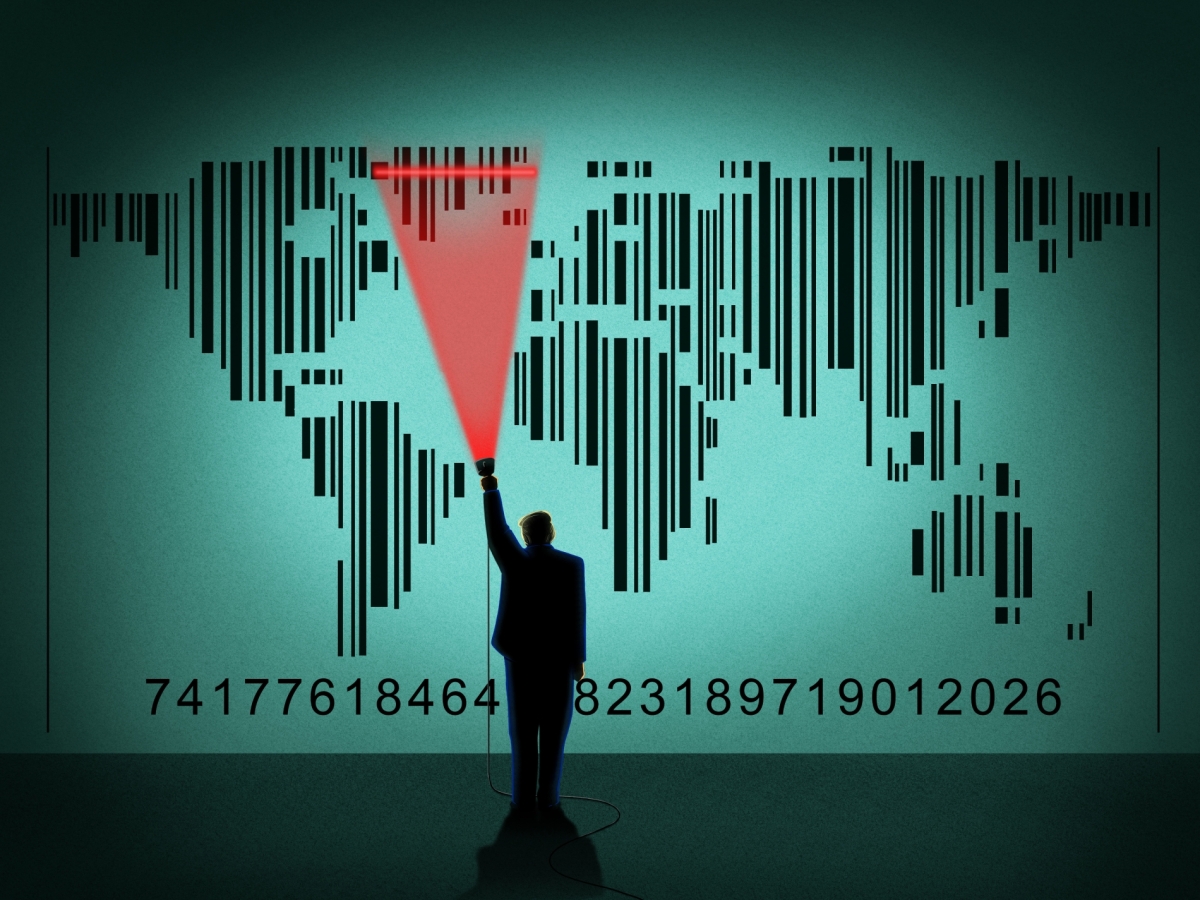
“There are some places that are never for sale.” American President Donald Trump was told this to his face—not at the recent World Economic Forum in Davos, nor by the Danish Prime Minister, Mette Frederiksen, about Greenland, but, rather, by Canadian Prime Minister Mark Carney in the Oval Office at the White House in front of the media in May 2025. Carney was attempting to tamp down Trump’s territorial ambitions toward Canada, which have strained relations between the two countries since the president returned to office for his second term. Trump’s retort to the Canadian PM at the time was equally telling: “Never say never".
Little did anyone know this exchange would be so prolific and foreshadow Trump's 2026 bid to acquire Greenland. Despite the banter over property sales, a historical irony that bound together both Trump and Carney was largely overlooked: both the US and Canada comprised land acquired through conquest and purchase.
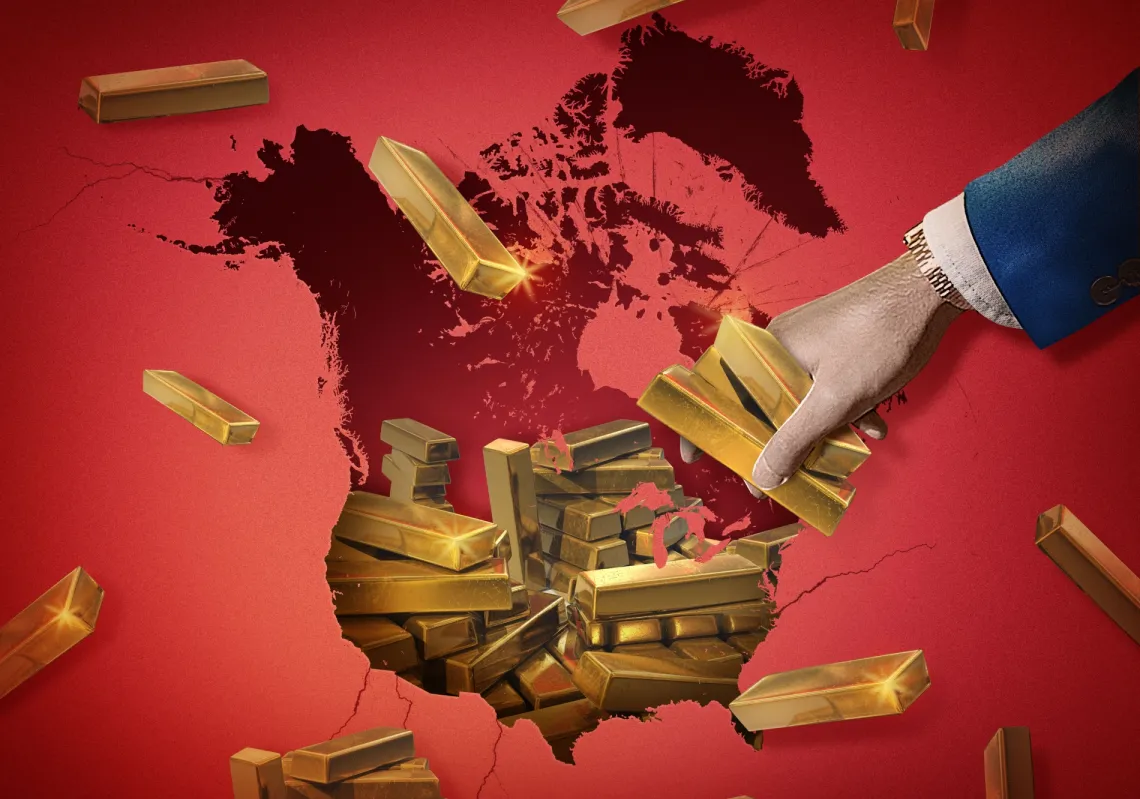
For Canada, it was a single giant purchase from a private company: in 1870, the Hudson’s Bay Company, founded as a fur trade enterprise in 1670 and which collapsed in 2025, sold to the government of Canada a territory known as Rupert’s Land that covered 3.8 million square kilometres, making it the single biggest land purchase in the history of North America. Covering one-third of modern-day Canada, the sale price was approximately $35mn (a major bargain by today's standards). Tellingly, the views of Indigenous peoples already on the land were ignored, and the territory would see uprisings in 1870 and 1885 in response.
By the time of the Canadian purchase, the American model of territorial expansion had already been established. From the original 13 colonies, which represent only about 12% of today’s United States in terms of land mass, the country grew through annexation, conquest, and purchase. Annexation covered a variety of places, including Hawaii and Texas.
Territory through conquest came through the 1846 to 1848 Mexican-American War, which yielded 1.3 million square kilometres of land now covered by multiple American states, including California, Nevada, and Utah. The 1898 Spanish-American War enabled the United States to become a global empire, controlling lands in the Pacific and Caribbean that it still controls to this day.
Equally typical of American expansion through conquest and annexation has been the history of growth through the purchasing of land. This past connects directly to Donald Trump and his approach to acquisition and demonstrates that the rhetoric about Greenland is not inconsistent with the scope of American history.
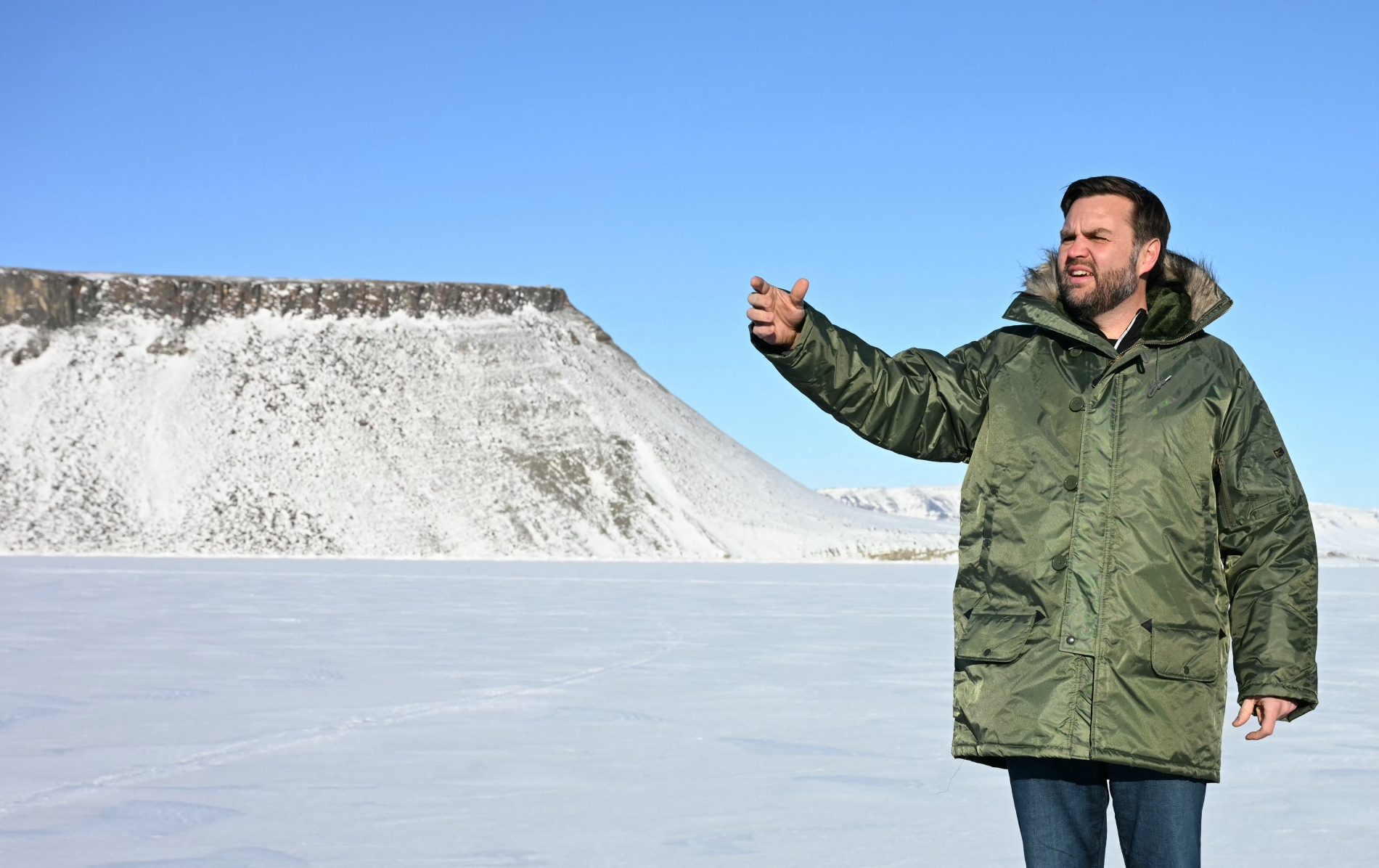
Indeed, Trump’s Greenland efforts reflect a circling back to 19th-century American politics, when a relatively small US would dramatically expand, effectively becoming an empire.
Even before the United States existed as an independent entity, it became identified in mythic fashion with a land purchase. In 1626, a Dutch colonist purchased the island of Manhattan for goods worth a small sum. Historically viewed as the duping of credulous Indigenous inhabitants, thus justifying the taking of land from those who lived on it, the actual story was more complicated and involved radically differing perceptions of property ownership.
It is major land purchases in the 19th century, however, that serve as the precedent for Trump and Greenland in the 21st century. Trump has not shied away from making these connections explicit: in the context of the seizure of the President of Venezuela, Nicolás Maduro, Trump emphasised the 1823 Monroe Doctrine, which warned European powers against incursions in the Western Hemisphere that the United States was preserving for itself. He labelled his updated version the “Donroe Doctrine”; in turn, the president has stated that his favourite US president is William McKinley, who served from 1897 to 1901, during which America captured territory in the war with Spain.
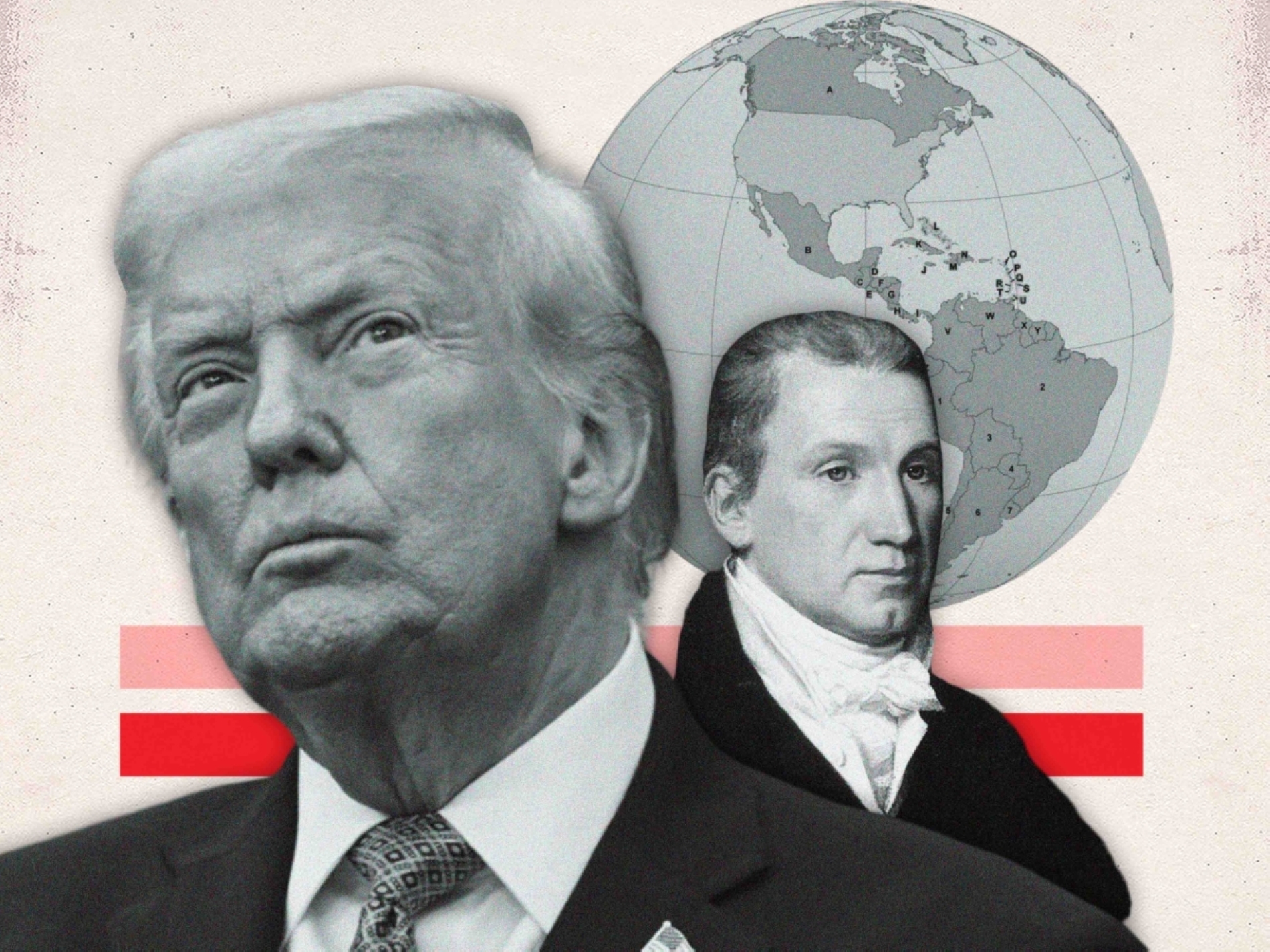
Read more: The Donroe Doctrine and the new hemispheric order
The 19th century began with the first major territorial purchase by the nascent United States under the leadership of Thomas Jefferson, its third president. In 1803, France, under Napoleon, sold a vast territory covering 2.14 million square kilometres of the interior of North America that had previously been under Spanish control. The price was $15mn, the equivalent of about $350mn today. The massive bit of real estate, roughly twice the size of the original 13 colonies, would eventually become all or part of 15 current US states.