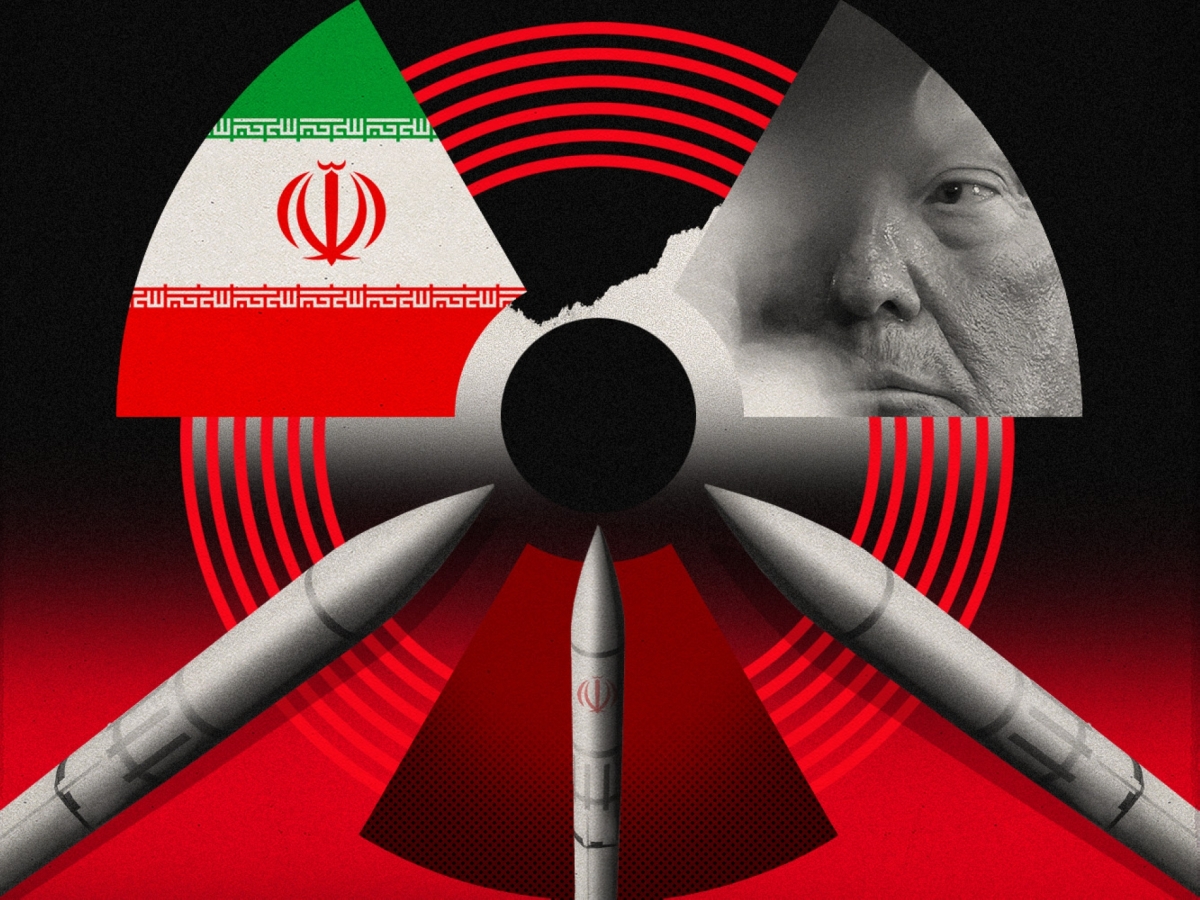

US President Donald Trump prefers to make a deal with Iran over going to war. That we know because he has said it repeatedly. What we don’t know is the type of deal he is willing to accept and the compromises the Iranians are willing to make.
At the time of writing, the two sides agreed to negotiate and meet on Friday in Türkiye. US Special Envoy Steve Witkoff and Iranian Foreign Minister Abbas Araqchi will meet in Istanbul, along with representatives from Saudi Arabia and Egypt, Reuters reported.
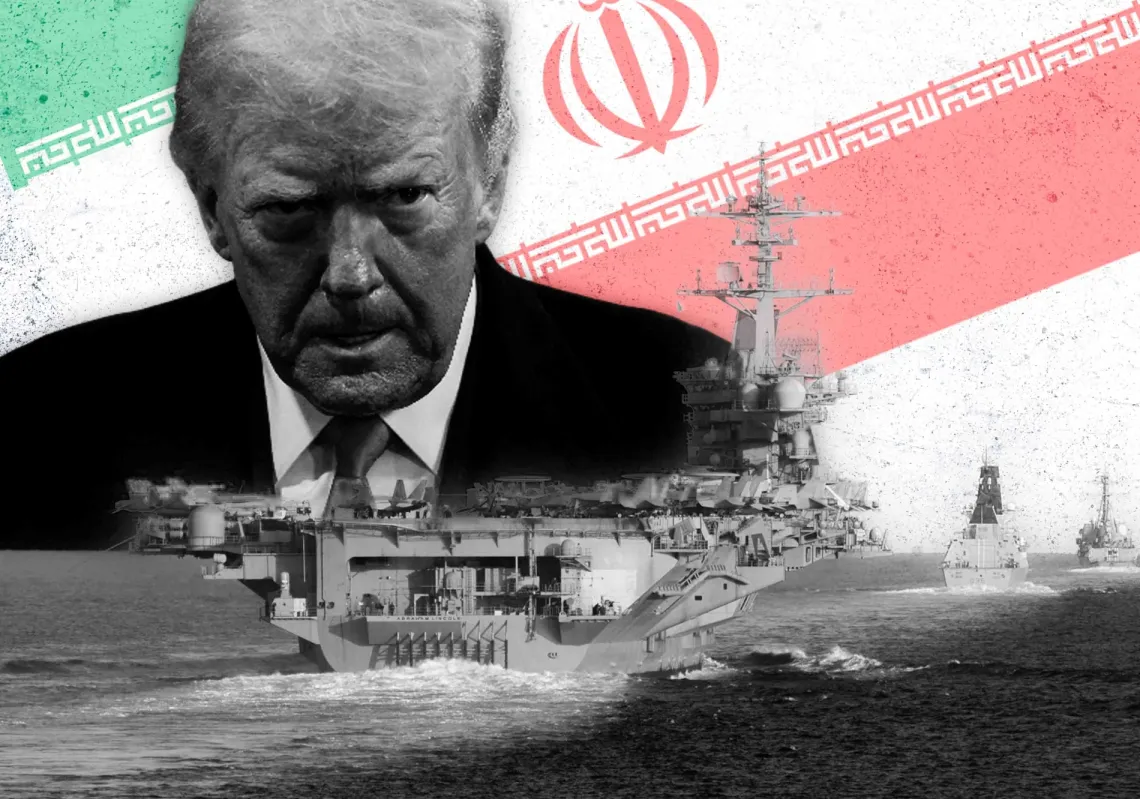
Trump says he believes Iran “does want to make a deal” with the United States. His comments come amid the deployment of a large US naval force near Iran, and Iran has signalled it is open to talks on fair terms while rejecting coercion.
For his part, Iranian President Masoud Pezeshkian has said his country is ready to negotiate with the US after requests from "friendly governments in the region" to respond to a proposal for talks.
In a statement on X, Pezeshkian said he had told Foreign Minister Abbas Araghchi to pursue talks "provided that a suitable environment exists - one free from threats and unreasonable expectations".
Pezeshkian said Iran would pursue "fair and equitable negotiations" with the US, adding that they should be "conducted within the framework of our national interests". His words come after the country's Supreme Leader, Ayatollah Ali Khamenei, warned any attack on Iran would spark a "regional war".
I have instructed my Minister of Foreign Affairs, provided that a suitable environment exists—one free from threats and unreasonable expectations—to pursue fair and equitable negotiations, guided by the principles of dignity, prudence, and expediency.
— Masoud Pezeshkian (@drpezeshkian) February 3, 2026
Common sense suggests that the more maximalist Trump’s demands are, the less likely Tehran will concede, and thus the closer we will be to a military confrontation. The more flexible Trump is, the more likely Tehran will cooperate, and as a result, the farther we will be from war.
So, what exactly is Trump asking for?
1. Nuclear issue
In May of last year, he said he would accept nothing less than the “total dismantlement” of Iran’s nuclear programme. Last week, however, he said “NO NUCLEAR WEAPONS.” But those are two very different things.
Every American president since George W. Bush has warned Iran against acquiring the bomb. If that’s what Trump is seeking, then Tehran will happily bargain, lie, and conceal as it always has to avoid facing a far superior US military machine. It might give up its highly enriched nuclear material, but in return, keep its programme intact, essentially buying itself time until Trump leaves power so it can resume enrichment.
But if Trump insists on Iran terminating all of its nuclear programme, then Tehran most probably won’t agree not only because it has put in a ton of effort, time, and money into building it but also because for Supreme Leader Ali Khamenei, it will look like surrendering to the Americans, whom he views (just like his predecessor Khomeini did) as the “Great Satan.” If it comes down to that, he might decide to take his chances by fighting (and hope Trump doesn’t finish, given his aversion to open-ended wars) rather than signing a capitulation agreement with his arch-enemy.
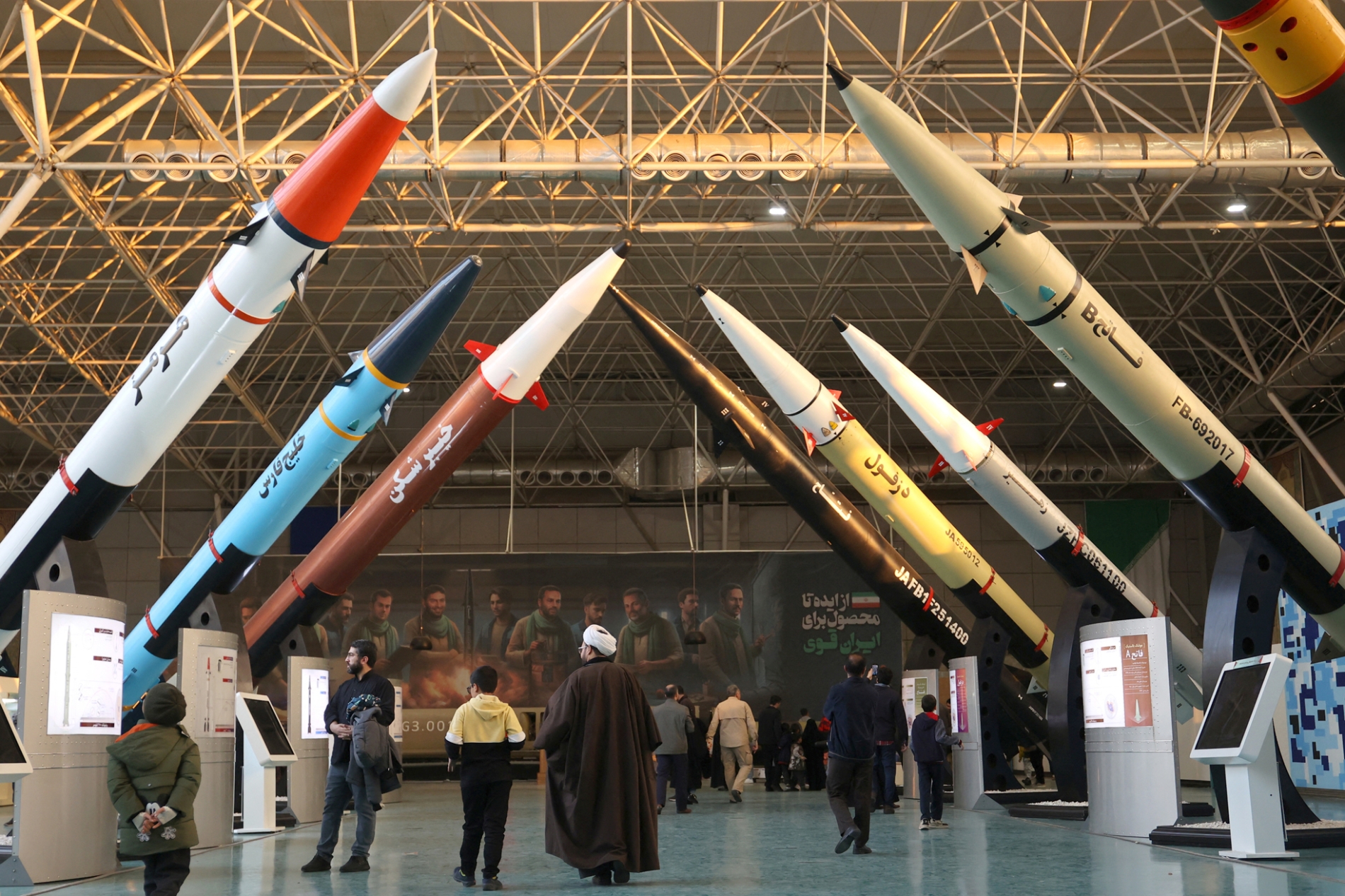
2. Missle arsenal
That’s on the nuclear front, but what about Iran’s missile arsenal and regional militia network, and then the freedom aspirations of the Iranian people? Where is Trump drawing the line on each?
At first, Trump seemed to show care for the protestors, threatening to bomb Iran if it didn’t stop killing them. But now, his focus seems to have shifted. That shouldn’t be shocking, though. Human rights in Iran were never a priority for Trump or any American president before him when dealing with the Islamic Republic. It’s harsh but very true.
On Iran’s missiles, about which Israel and the Gulf Arab states worry a lot, it’s even more complicated than the nuclear programme. It’s doubtful, if not inconceivable, that Iran will give up the only shield that’s preventing its adversaries from toppling its regime. The bargaining range on the nuclear programme, in fact, is wider than it is on the missiles. I see Khamenei and his generals making zero concessions on the missiles. Similar to his logic on totally giving up the nuclear programme, Khamenei might as well use those missiles in a war for survival instead of giving them up and thus making Iran especially vulnerable to future attacks.
3. Regional proxies
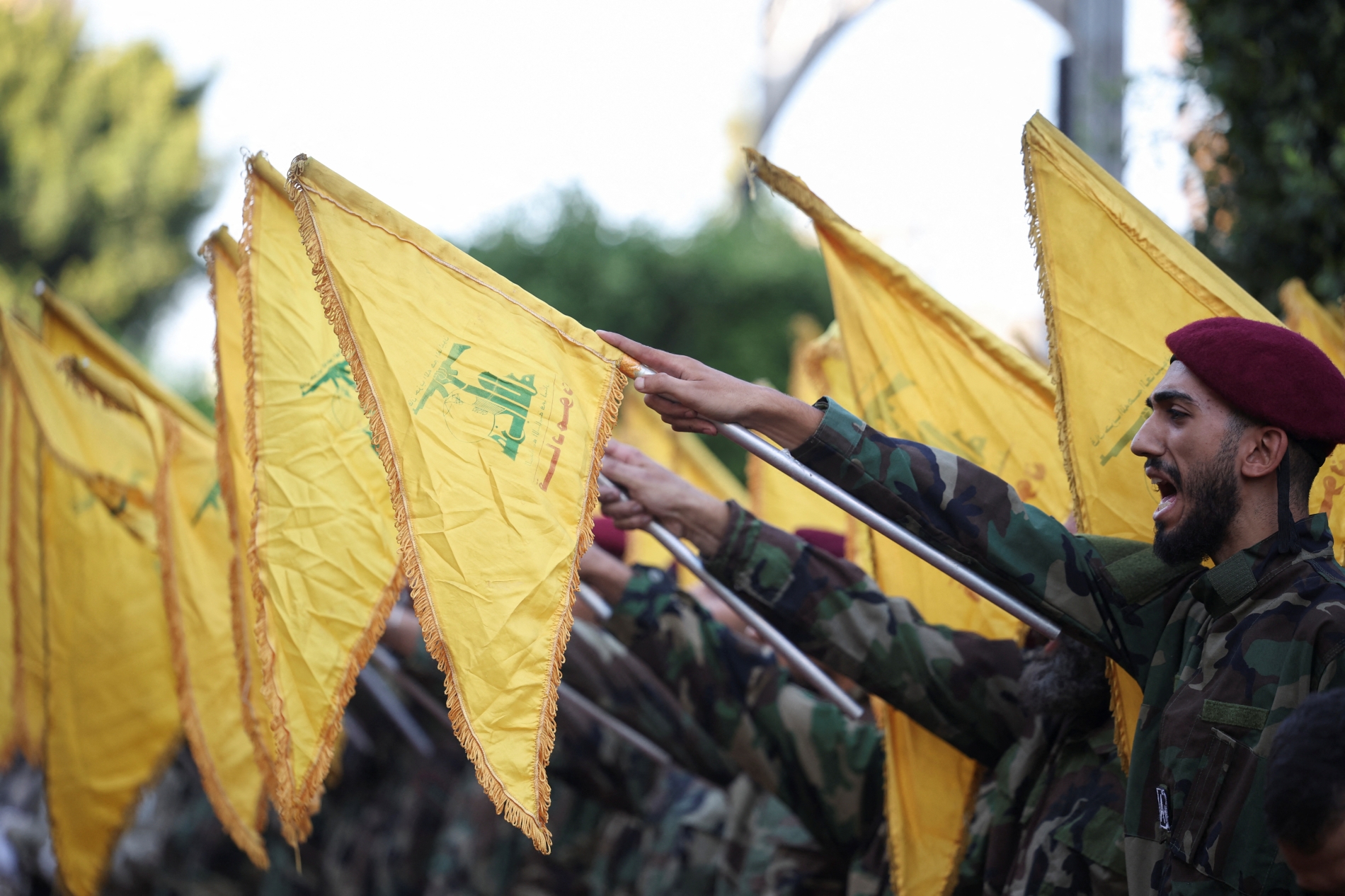
The biggest space for bargaining, perhaps, is on the regional proxies. Those actors—the Lebanese Hezbollah, the Yemeni Houthis, the Iraqi militias, and the Palestinian Hamas and Islamic Jihad—are important tools for Iran to project power, but unlike the missiles and the nuclear programme, they’re not existential issues over which Tehran can’t negotiate.
If Iran can avoid a war with the United States by abandoning (or pretending to abandon) some or all of its regional allies, it might just consider it. Plus, the Iranians know it will be incredibly difficult for the United States to constantly monitor and enforce such an agreement. Smuggling weapons and cash to regional militias is Tehran’s favourite sport.
Can Trump make Iran budge?
Trump has deployed a massive amount of firepower in the region precisely to force Iran to make a deal with some serious concessions. Secretary of State Marco Rubio is right: the Islamic Republic is at its weakest point since its birth in 1979, so this is the perfect time to make strong demands.
But if Iran doesn’t budge, then the worst thing Trump can do is launch a symbolic or limited strike (or none at all), settle for a disadvantageous or ambiguous deal, and claim some kind of diplomatic victory. That would absolutely torpedo US credibility and embolden the regime like never before.