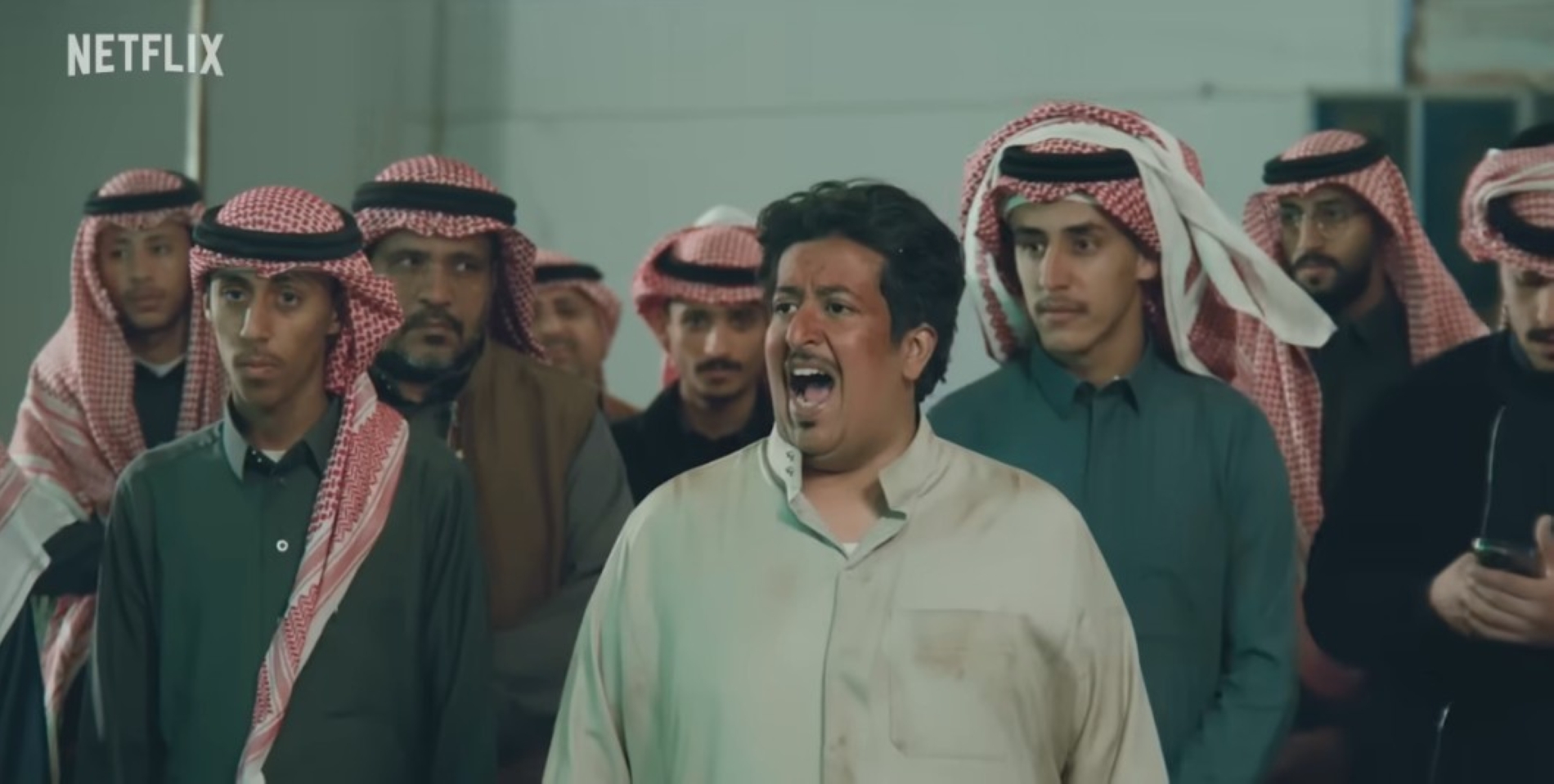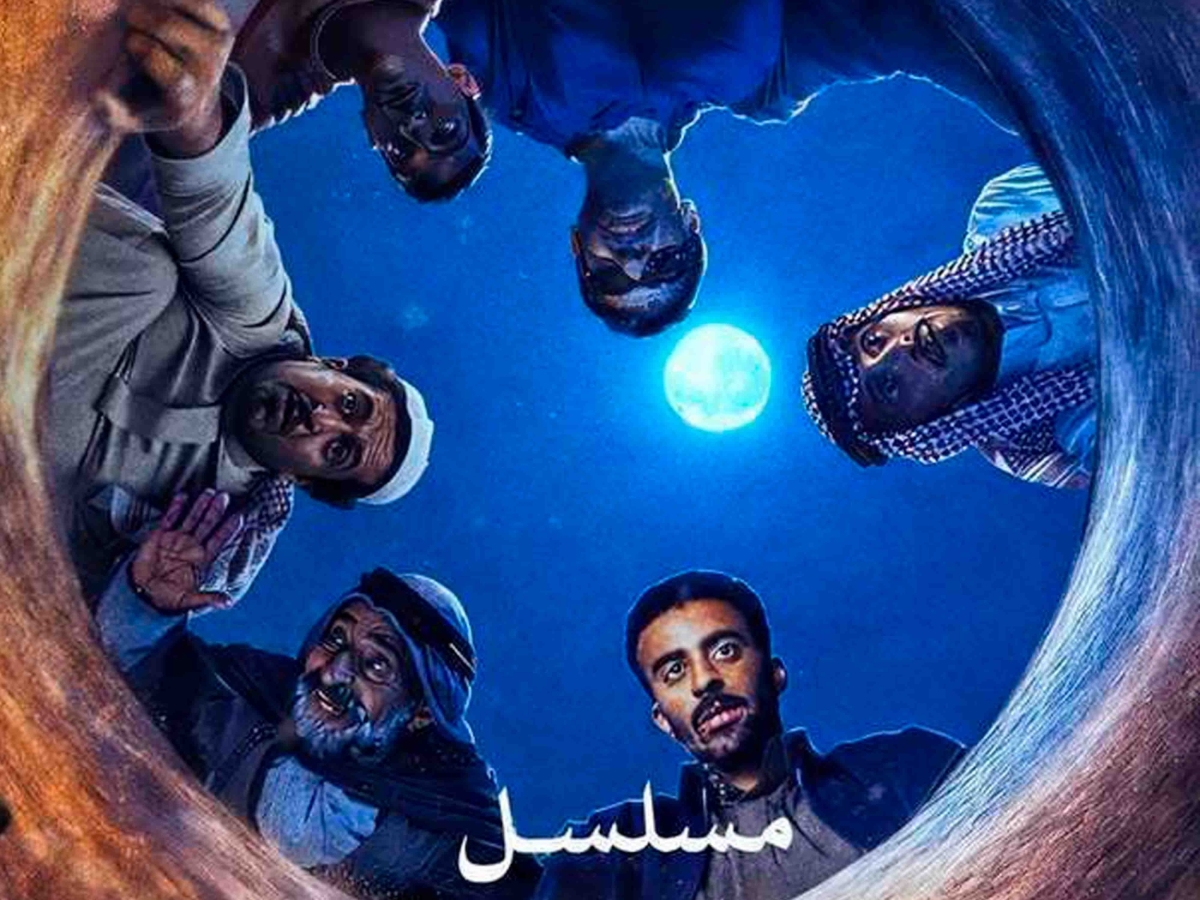

Saudi production company Telfaz11 has moved between comedy and social drama while seeking to engage the transformations of local society in a light-hearted yet intelligent manner. Of its work, Alkhallat (The Mixer) remains the most firmly established expression, being the best known. It is also supple, capable of renewing itself across different media, from short films on YouTube to cinema and now to global streaming platforms.
In Alkhallat+, which arrives this year in partnership with Netflix, the project appears more alert than ever to its own identity and to its audience. Comprising four standalone episodes under the collective title The Desert Does Not Negotiate, the series moves beyond the elements that secured its earlier success. It sets out to test them afresh within broader visual and production horizons.
The series, which launched on 2 April, has been widely discussed on social media and has topped Netflix’s most-watched list in Saudi Arabia. It draws strength from an identity built over years, fusing comedy and drama without forgoing its local sensibility or its outward reach. Ali Al-Kalthami’s return to acting, alongside his contributions to writing some of the episodes, reconnects the work to its roots, while entrusting direction to Aziz Al-Jassmi and Mohammed Al-Ajmi gives it a different spirit.
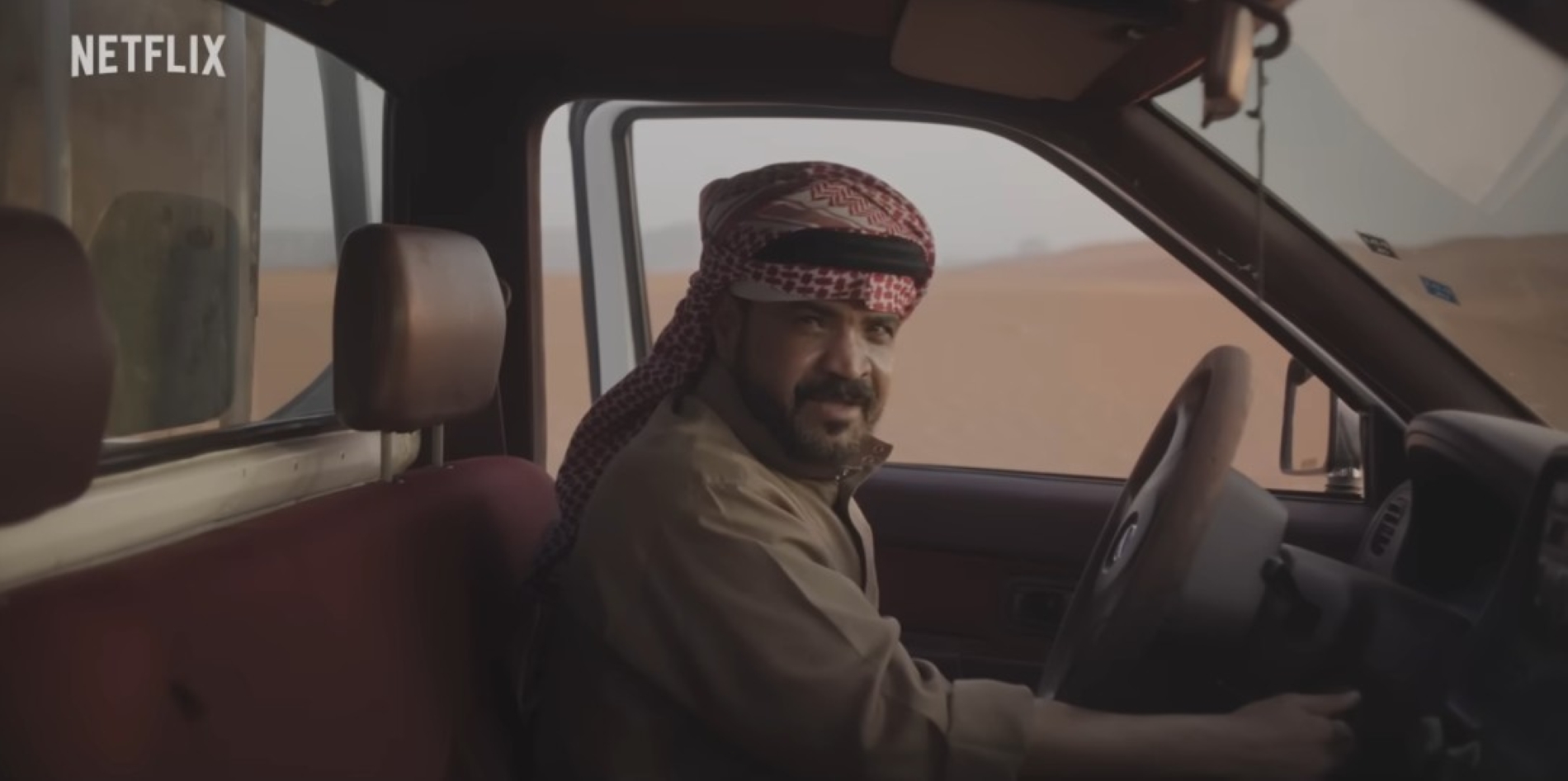
The title The Desert Does Not Negotiate carries added resonance. Here, the desert is more than a setting; it is a structure that governs relationships within the work, an open and unforgiving expanse that grants no privileges. In this, Alkhallat+ sidesteps the cliché of the desert environment by not turning it into a subject in its own right but rather retaining it as a narrative instrument. In every episode, its presence serves as a point of departure rather than a final destination.
The Road of Death
In the first episode, The Road of Death, the desert functions as more than a visual backdrop; it becomes a space of psychological and existential trial. The story begins with a family journey along a remote desert road in an unspecified location, yet it soon acquires a symbolic dimension centred on the adolescent son’s movement away from dependency and towards self-assertion.
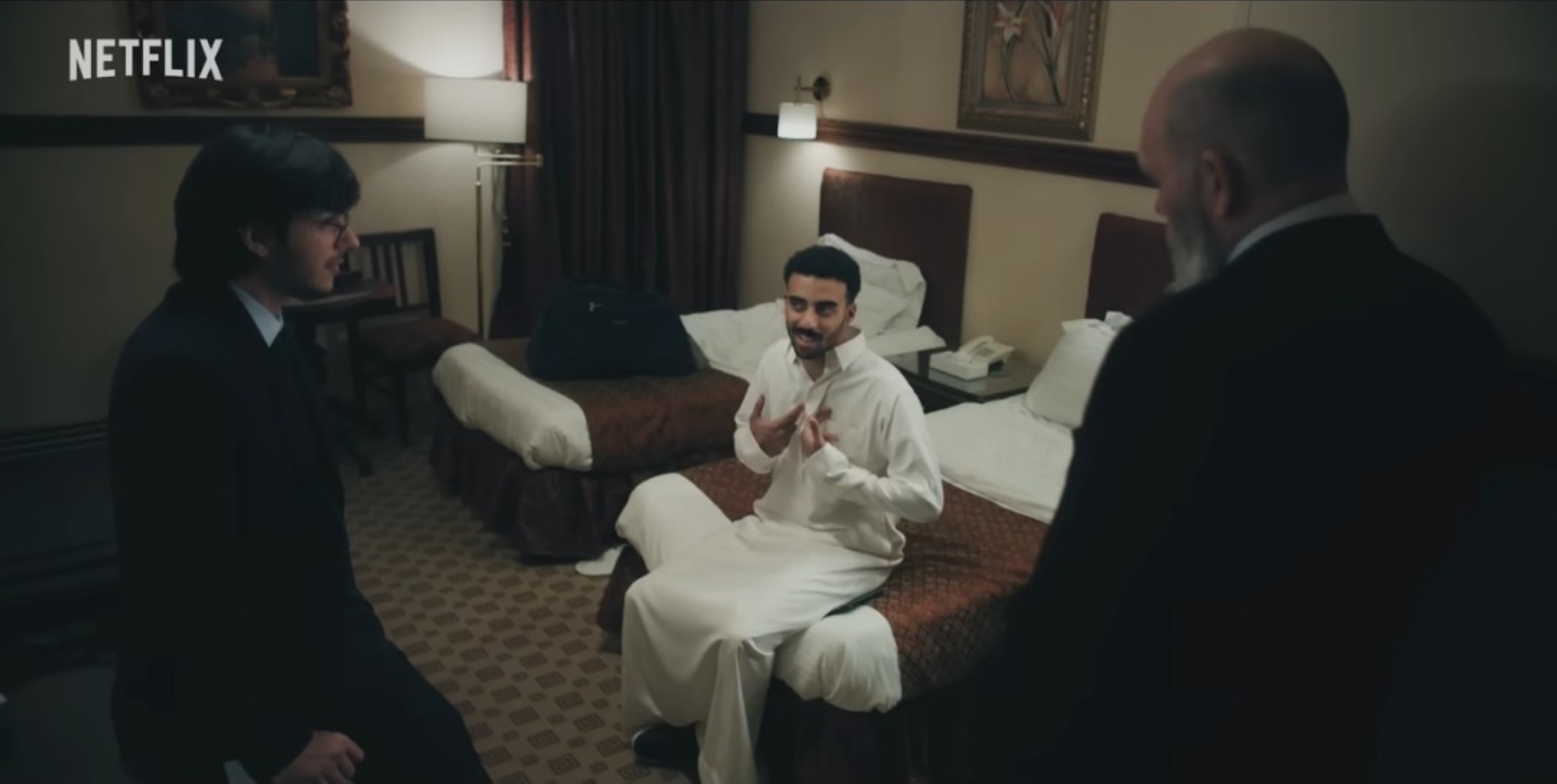
The son, played by Omar Al-Qadi, is shaped gradually through the eyes of others, until social recognition itself becomes a condition for the formation of his identity. The moment he is handed the steering wheel marks the point of transformation, a tacit declaration of adulthood. The script captures this shift with acuity, reflecting a shared experience in which many viewers may recognise something of themselves.