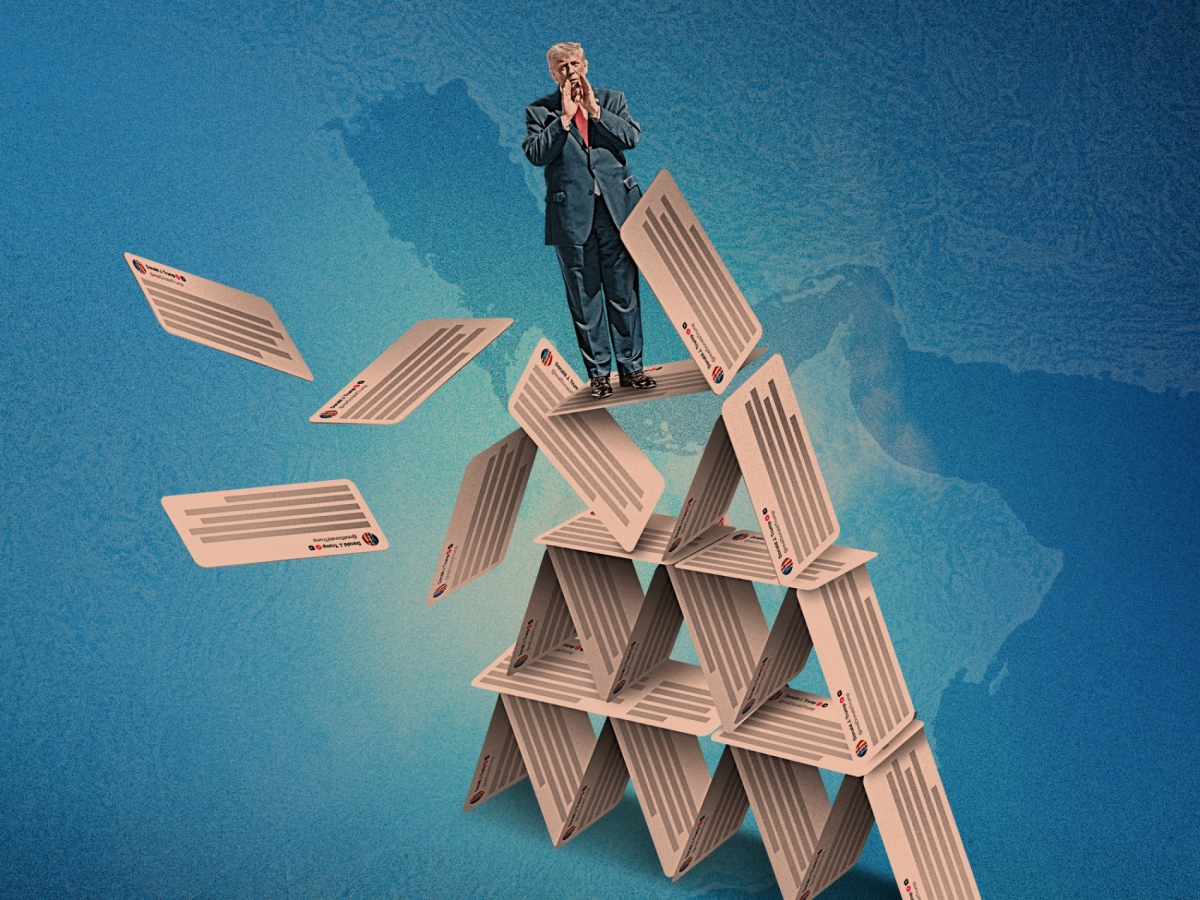
Trump has lost the Iran war, but how badly?

While all the effects of this conflict may take time to fully realise, short and medium-term signs expose the limits of US power and see America's rivals benefiting

Al Majalla

Trump has lost the Iran war, but how badly?

The United States has a history of mistaking defeats in war for victories. In 1973, Richard Nixon declared his administration had achieved a “Peace with Honour,” which didn’t betray Washington’s South Vietnamese allies, but barely two years later, Saigon fell. In May 2003, George W Bush announced that major combat operations had ended in Iraq and that “an ally of Al-Qaeda” had been removed. Yet, the US remained enmeshed in a military quagmire fighting said terror group, among others, for another eight years, and returned again in 2014 to fight the Islamic State (IS).

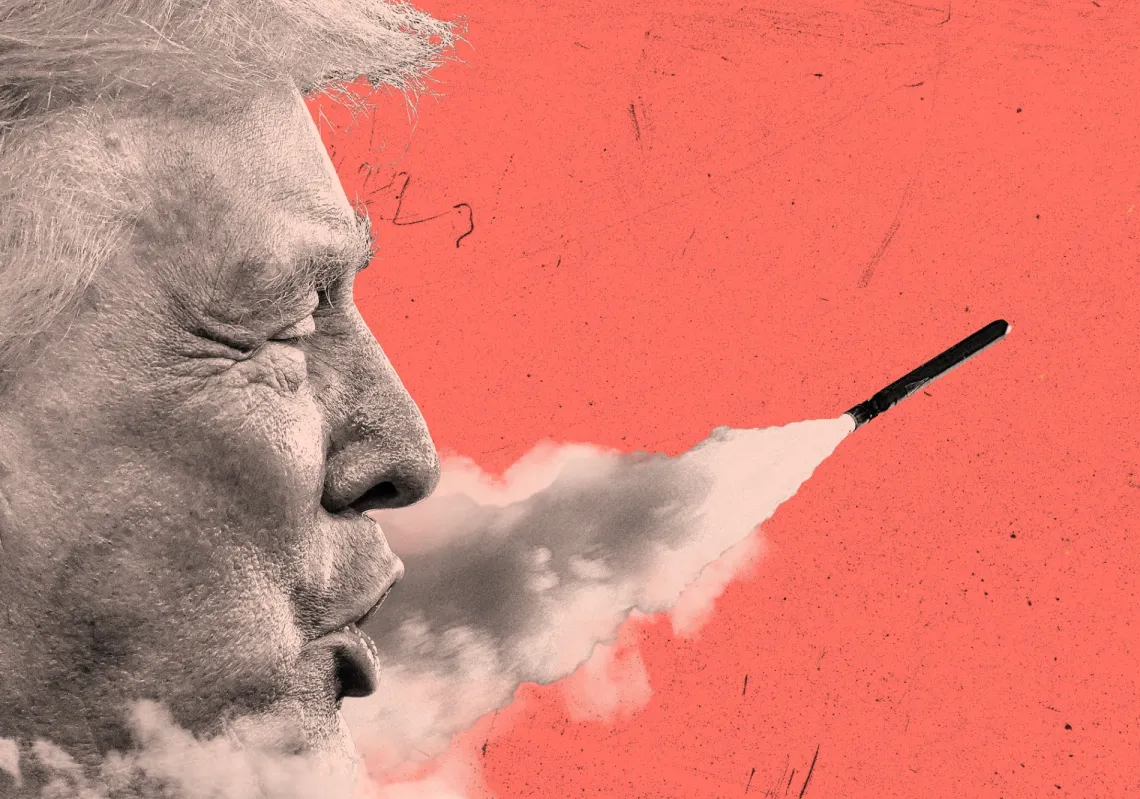
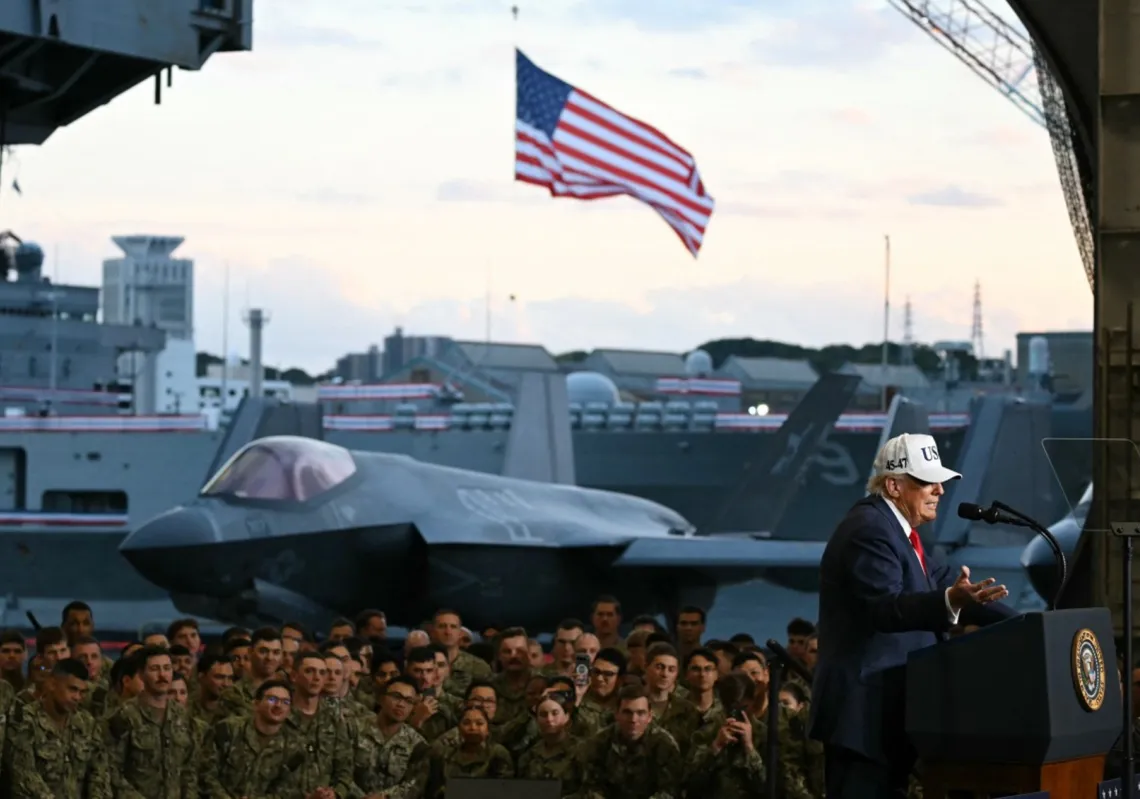
In the current US-Iran war, President Donald Trump also insisted that “We’ve won this war,” even before April’s ceasefire. But it is extremely hard to interpret what has unfolded since 28 February as a US victory, no matter how you look at it. Since then, we saw Trump constantly changing his war aims—oscillating between regime change and ending Iran's nuclear programme.

While the US succeeded in killing Iran's Supreme Leader Ali Khamenei and several other leaders, and degraded Iran’s military capabilities, neither regime change nor the removal of Tehran’s ability to build nuclear weapons had been achieved. And while those two scenarios cannot be completely written off, the war has made both far more unlikely.

Not only were none of these objectives realised, but the repercussions of the war have been disastrous for many around the world. From Trump's point of view, both he and the US as a whole have emerged from the war in a weaker position, which could seriously damage Washington’s strategic position in the region and globally.

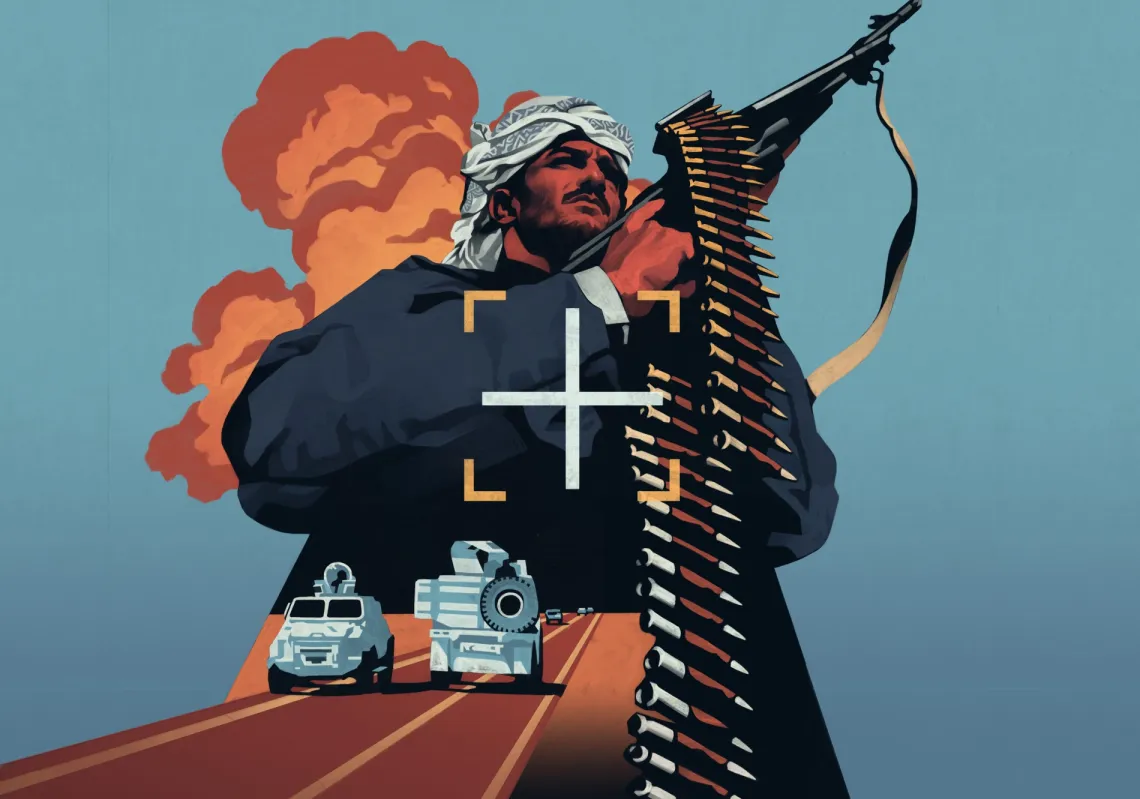
For its part, despite being battered, Iran has arguably come out of the conflict with a stronger hand, having successfully shown its ability to damage the global economy via strikes on America's Arab Gulf allies and closing the Straits of Hormuz.

Even if the ceasefire holds, the political damage this war has inflicted on Trump and the Republican party can unlikely be reversed. His decision to wage war on Iran was hugely unpopular with the American public, and even within his own base, widening cracks had begun to emerge.
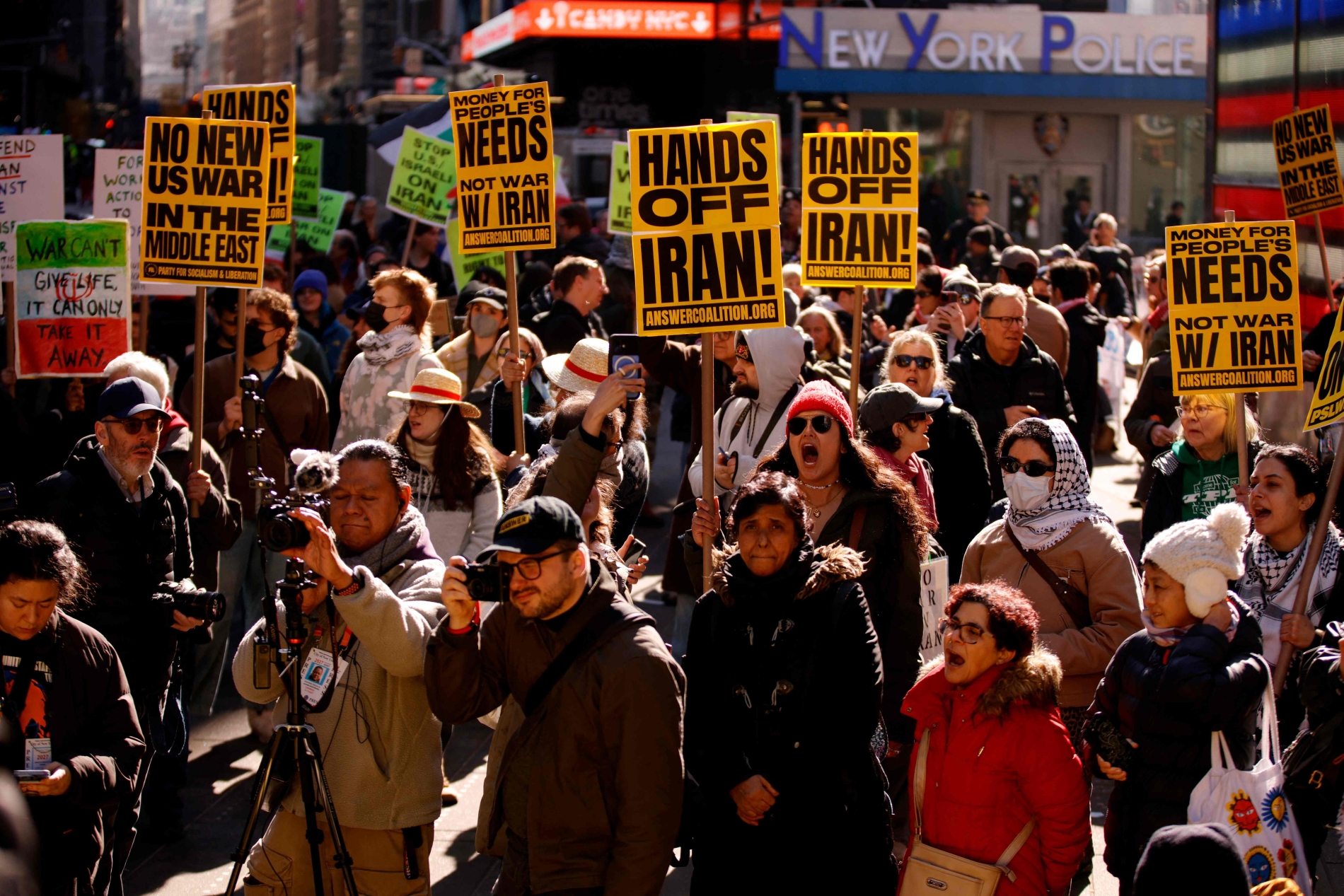
Leonardo MUNOZ / AFP
People hoist signs during a "Stop the War on Iran" protest in Times Square in New York City on 28 February 2026.

If oil prices and inflation remain high, voters will likely lash out at the ballot box, come November's midterm elections. And any consequent loss of Congress and/or the Senate in November will impact Trump's domestic agenda. Even parts of his conservative supporter base—staunchly against wars abroad and appalled by his criticism of the Pope and GIFs where he posed as Jesus—may deal Trump a politically fatal blow.

Power limits exposed

Internationally, like Vietnam and the 2003 Iraq War, Trump’s conflict has exposed the limits of US power and the inability to translate military superiority into positive political outcomes. As it did after 2003, this could embolden America's geopolitical rivals (and even some allies) to be more defiant of US wishes, in the Middle East and beyond.

But if the ceasefire doesn’t hold and the war resumes, these problems will only get worse. The US may have to become more deeply involved, risking a quagmire. This would only intensify internal opposition to Trump while the global economy suffers, possibly forcing an even more humiliating climb-down.
The war has damaged US credibility and reinforced Beijing's narrative that it is a more reliable global actor and force for stability than Washington

Angry allies

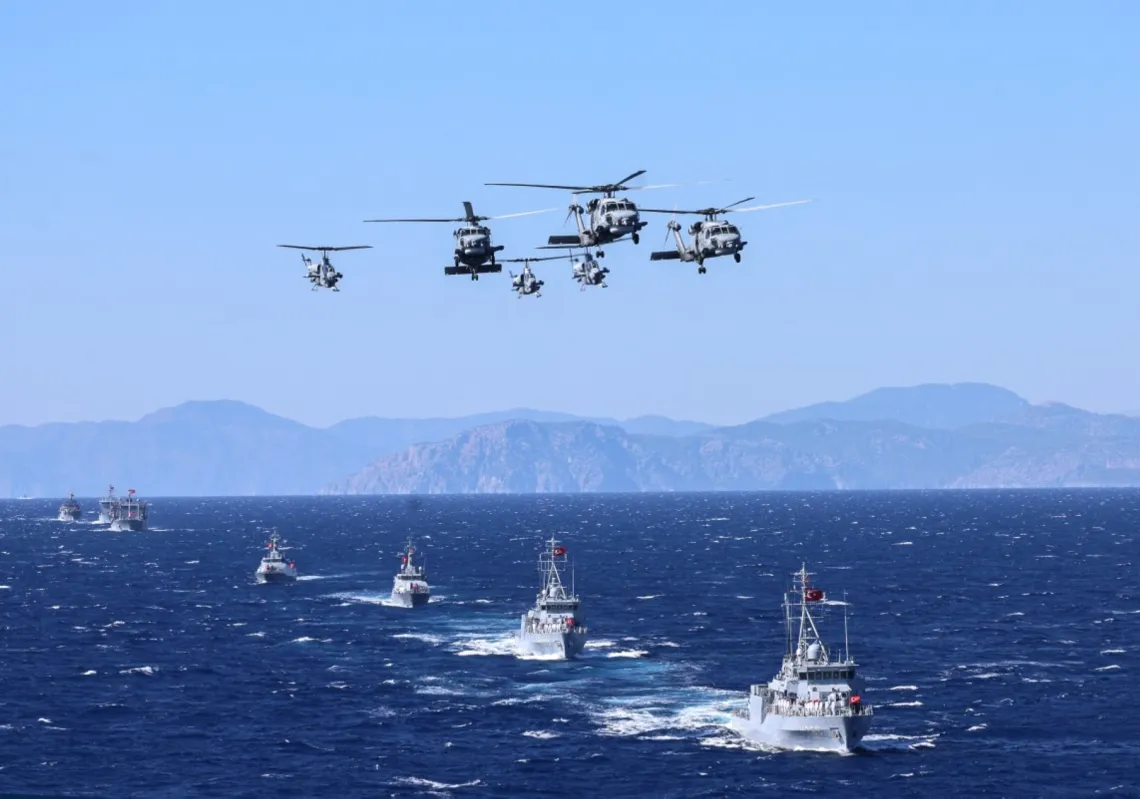
The war has also catalysed or exposed existing tensions that could weaken the US in the long term. In the Middle East, the security relationship with Washington is being seriously questioned for the first time in decades. Many allies are angry with Trump for dragging them into an unprovoked war and frustrated that, once begun, he was unable to achieve regime change, instead leaving a wounded, angry regime in place.  With Iran showing a willingness to strike almost all of its regional neighbours, irrespective of their relations with Tehran, most governments, especially in the Gulf, are starting to rethink defence strategies. While few will consider severing security ties with Washington, and several may increase their purchase of US weaponry in the medium term, many will be looking to diversify their security partnerships. Already, many Gulf states have shown openness to European actors increasing their military presence. Some may also explore greater cooperation with China, wondering whether hosting a small Chinese base alongside an American one, as in Djibouti, could help deter future Iranian attacks.

A further tension that has been exacerbated has been within the Transatlantic alliance. The reluctance of European allies to endorse the Iran campaign and lend assistance when asked has prompted an array of insults being flung by Trump. French president Emanuel Macron, Italian Premier Georgia Meloni and UK Prime Minister Keir Starmer have been especially targeted, despite being liked by Trump.

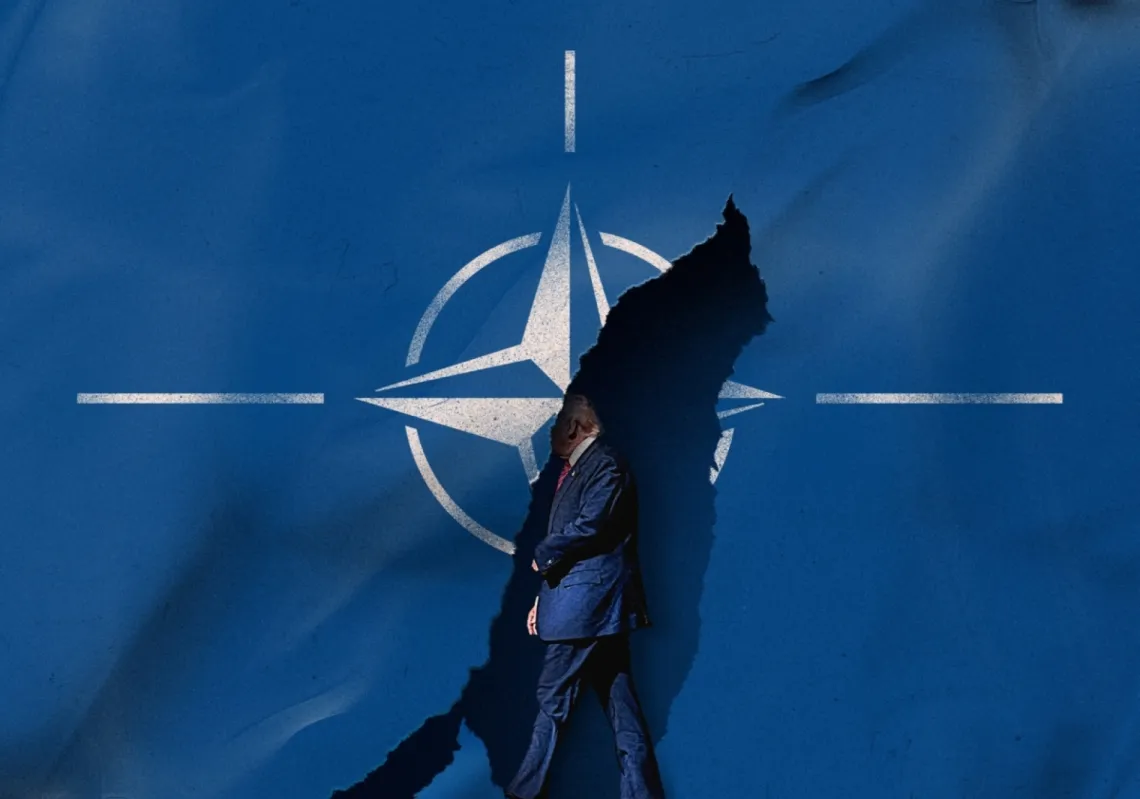
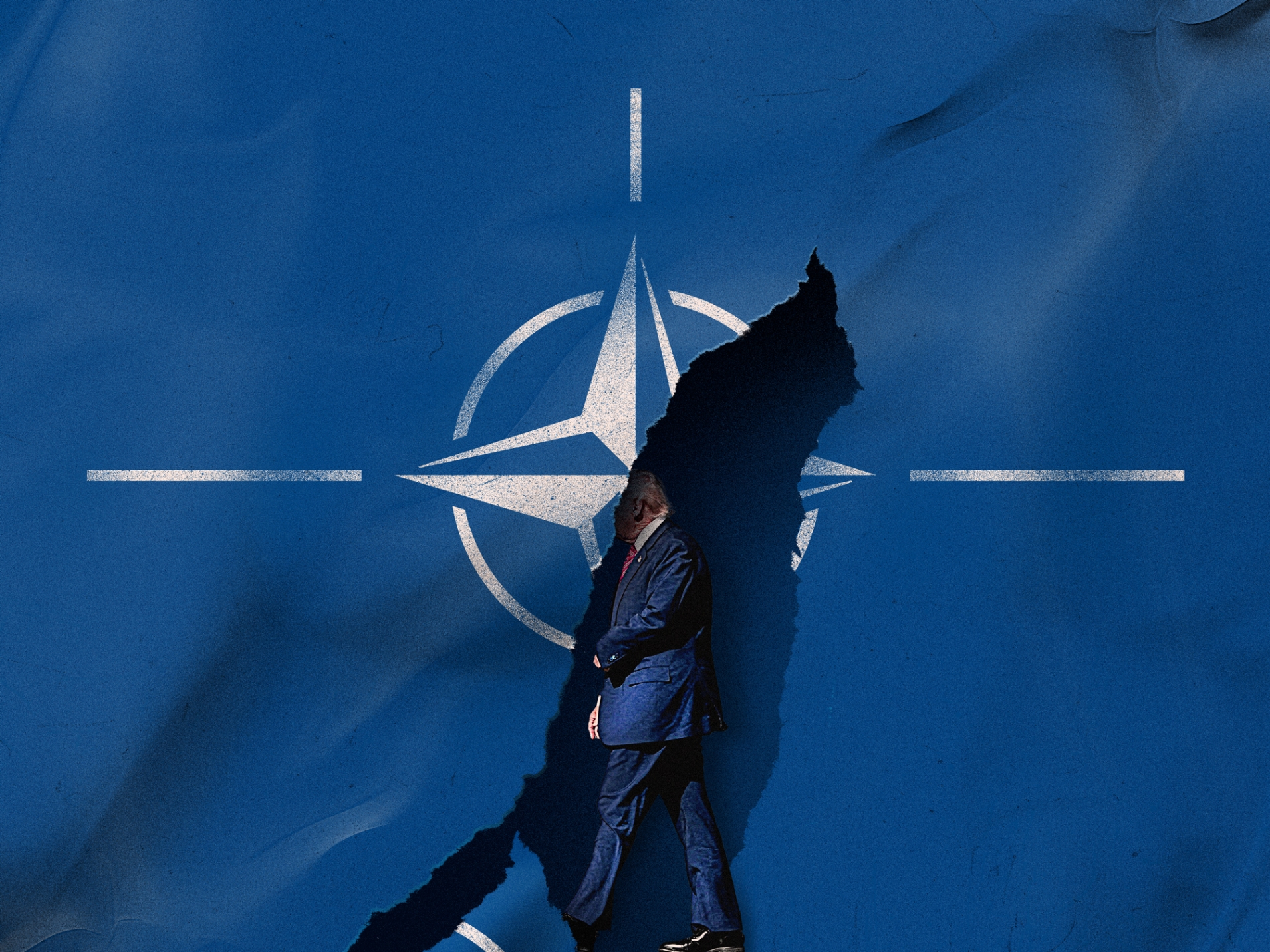
This has prompted many in Europe to worry whether Trump's slurs could translate into concrete action, such as an eventual pullout from NATO. "The US won't be there to help you anymore," he warned European governments in a post on 31 March, a threat that sent NATO Secretary General, Mark Rutte, scurrying to Washington in an attempt to regain Trump's favour. And as The Economist has warned that the US-Iran war has "pushed NATO closer than ever to the point of no return", Europeans are starting to contemplate a post-American future.

المجلة

Read more: Can NATO survive the US-Iran war?

Rivals benefit

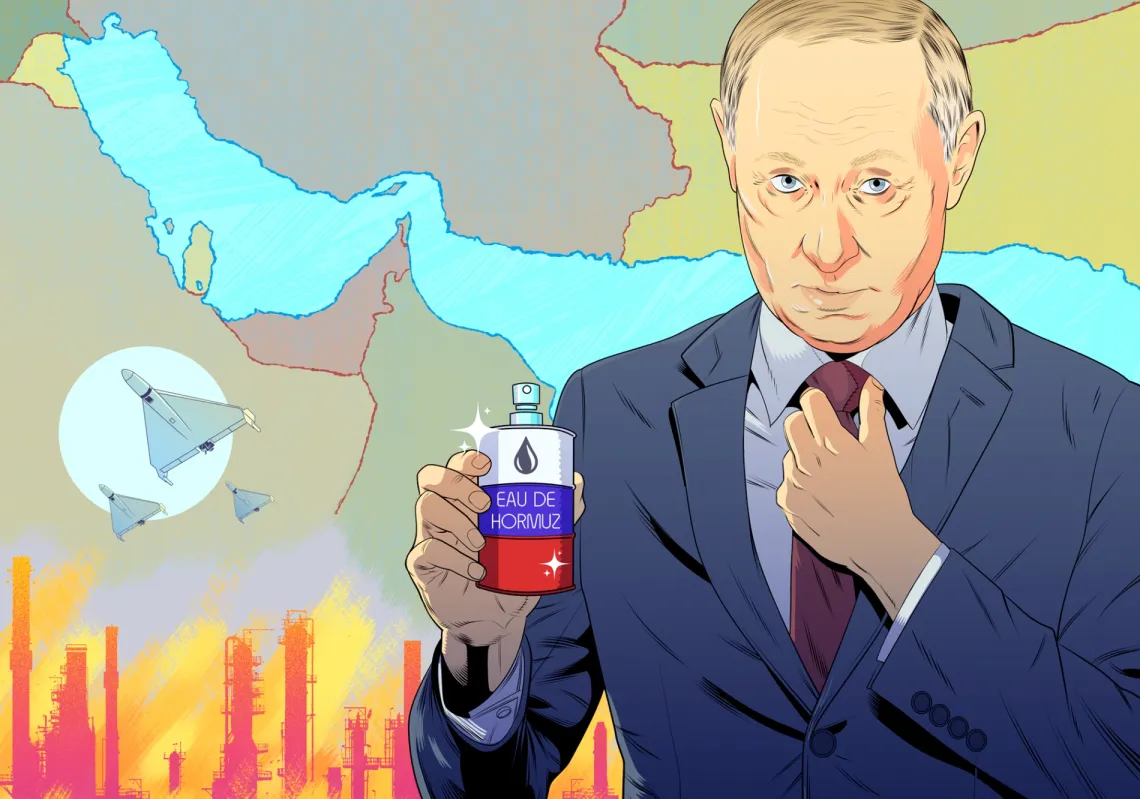
Meanwhile, Washington's global rivals seem to be benefiting from the war. For its part, the US has allowed Russia to sell some of its oil, raising vital revenue for Moscow, to offset the high global oil price.

Additionally, Trump's anger at his NATO allies and his distraction in the Gulf may also raise Russia's hopes that the White House will either lose interest in the Ukraine war or pressure Kyiv into accepting a deal in Moscow's favour. 

A far greater beneficiary has been China. Though hit by the economic fallout of the war and the relative weakening of its ally, Iran, it has emerged from the crisis in a stronger position. Economically, its heavy investment in renewable energy has been vindicated, insulating it from some supply issues, while it has even resold some of the LNG it purchased to neighbours at higher rates.

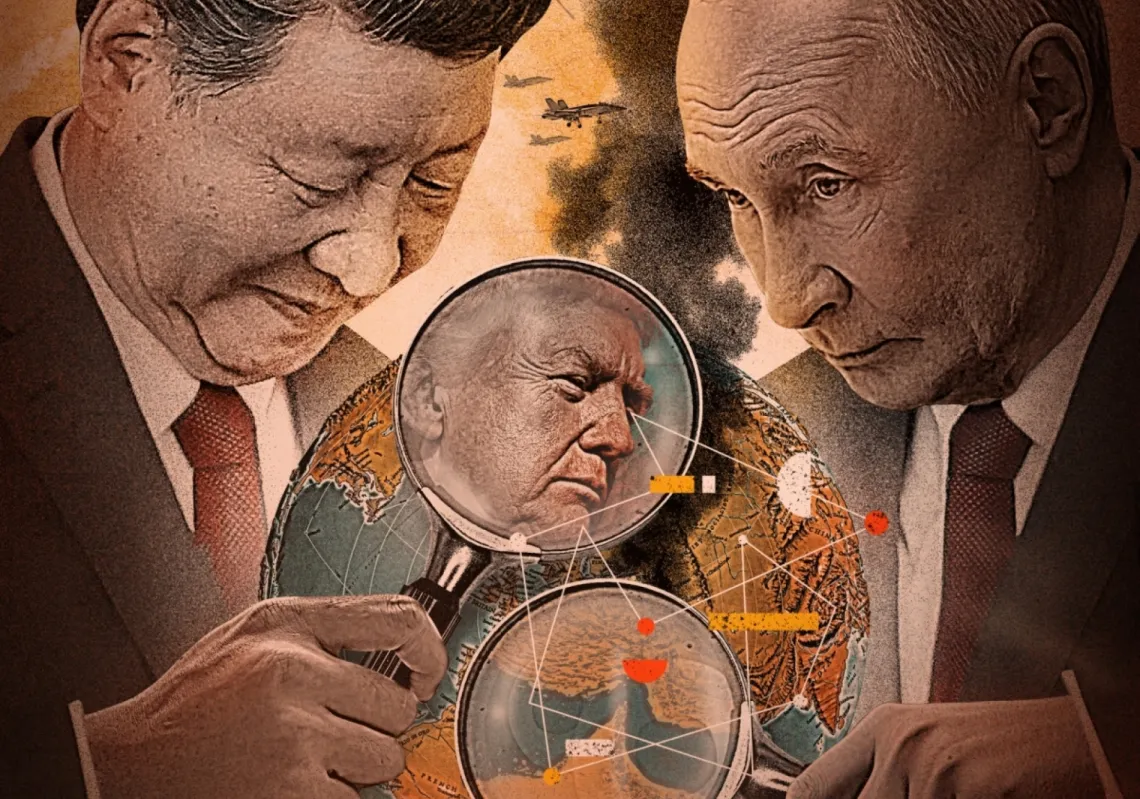
Geopolitically, the damage to US credibility stemming from the conflict reinforces Beijing's narrative that it is a more reliable global actor and force for stability than Washington. The US even had to request assistance from China to help reopen the Straits of Hormuz, while Beijing played a quiet but important role in securing the Pakistan-mediated ceasefire. China has emerged from the conflict with its reputation enhanced, while its American rival is in a worse position. 

font change