What we know about the India-US trade deal

Trump announced the deal in a social media post on Monday

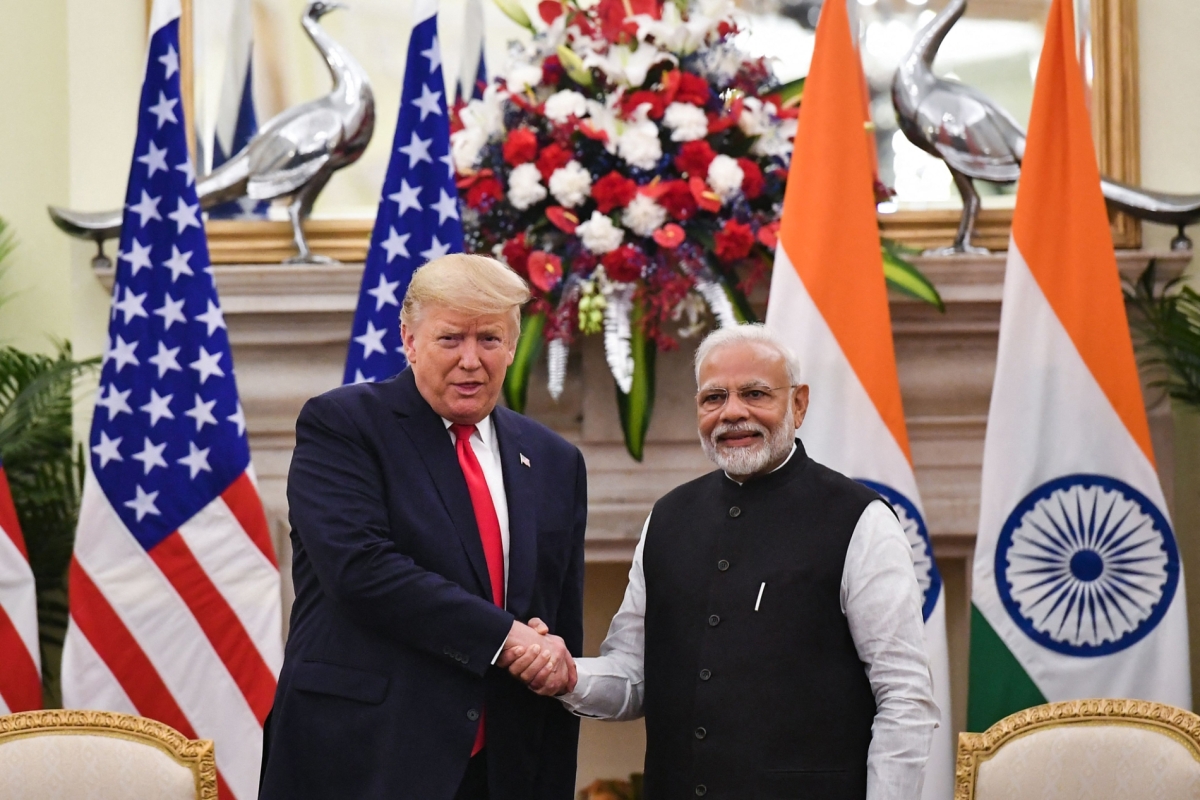
Incoming US President Donald Trump shakes hands with Indian Prime Minister Narendra Modi during a meeting in New Delhi, on 25 February 2020.
AFP
Incoming US President Donald Trump shakes hands with Indian Prime Minister Narendra Modi during a meeting in New Delhi, on 25 February 2020.

What we know about the India-US trade deal

India and the United States have reached a trade agreement after months of negotiations, according to social media posts from US President Donald Trump and Indian Prime Minister Narendra Modi on Monday.

Trump first announced the deal on Truth Social with a flurry of provisions, including that India had agreed to “stop buying Russian Oil, and to buy much more from the United States and, potentially, Venezuela.” India’s continued purchases of Russian oil after the beginning of the war in Ukraine have long been a sore point for Washington and for Trump in particular, with the US president slapping an additional 25% tariff on Indian goods over those oil purchases.

Since encountering pressure from the White House in recent months, New Delhi had already been reducing its purchases of Russian crude. Trump’s push for India to buy more from Venezuela reflects not only his desire to tap into the South American country’s oil market—after he ordered the capture of Venezuelan leader Nicolás Maduro—but also to ensure global crude prices stay relatively low.

Trump said Modi had agreed to “BUY AMERICAN” by investing more than $500bn in US industries such as agriculture, technology, and energy, although there are currently no further details on the timeline for such a deal. In return, Trump wrote, Indian goods entering the United States would face a reduced 18% tariff.


The Modi government has clinched several trade agreements with Western partners in recent months

Less clear is Trump's additional claim that India will "move forward to reduce their Tariffs and Non-Tariff Barriers against the United States, to ZERO." Trump has previously slammed India's protectionist policies and high tariffs, with New Delhi historically reluctant to reduce market barriers in sensitive sectors such as agriculture. 

Modi's own social media post, on X, was more circumspect, only mentioning the reduced 18% tariff and hailing the "immense opportunities for mutually beneficial cooperation" without sharing further details. The Indian Embassy in Washington did not immediately respond to a request for comment on the terms of the deal and the tariff reductions India had agreed to.

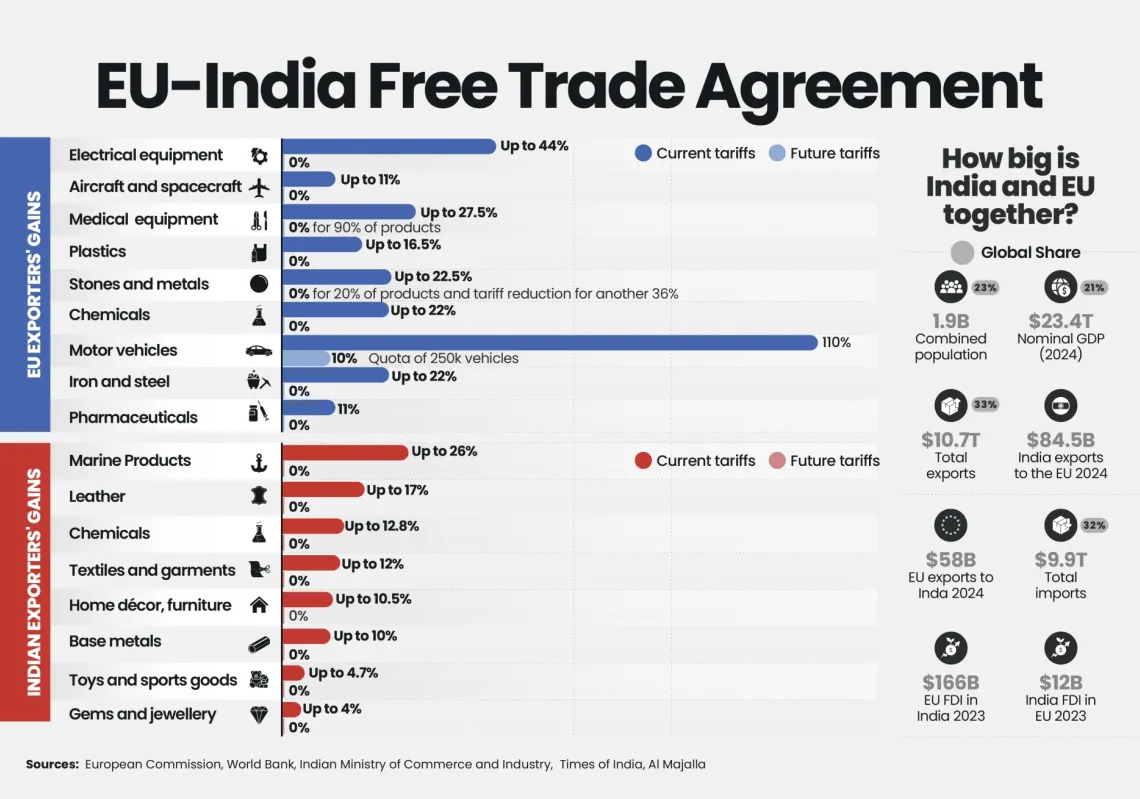
The Modi government has clinched several trade agreements with Western partners in recent months, including a free trade agreement with the United Kingdom last July, followed by a similar pact with New Zealand in December, and another with the European Union just a week ago, which had been in the works for nearly two decades.

font change