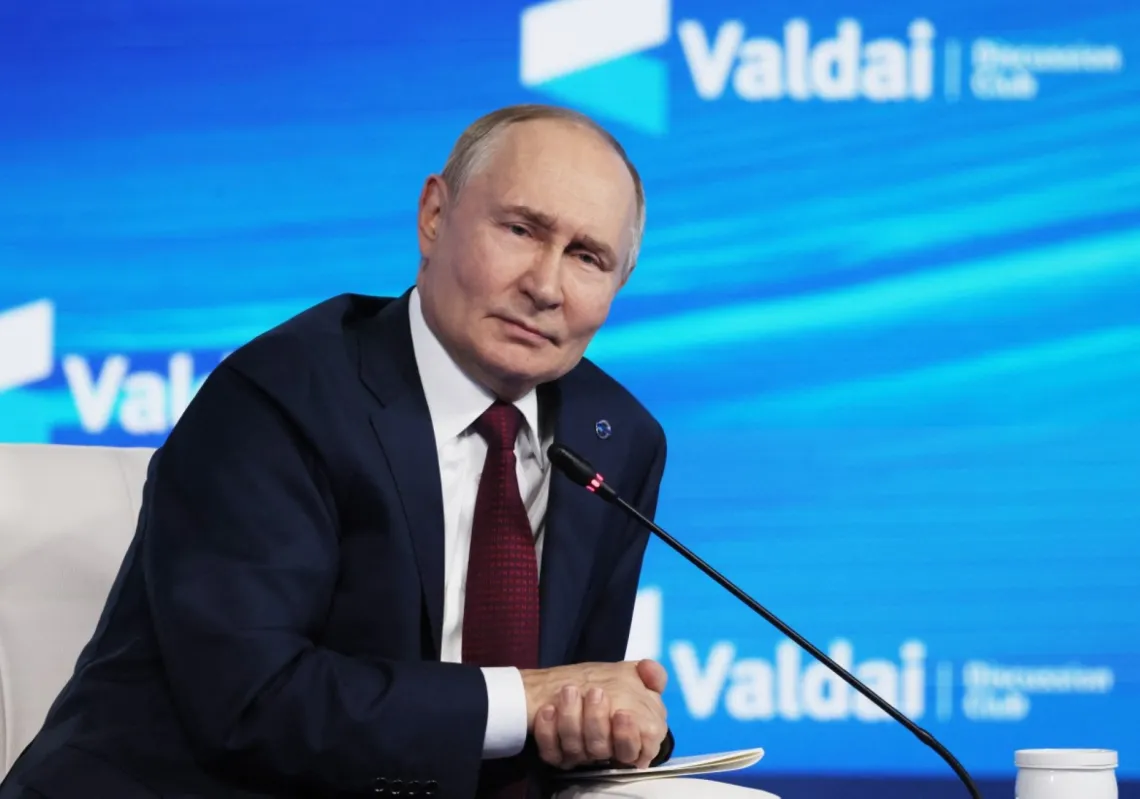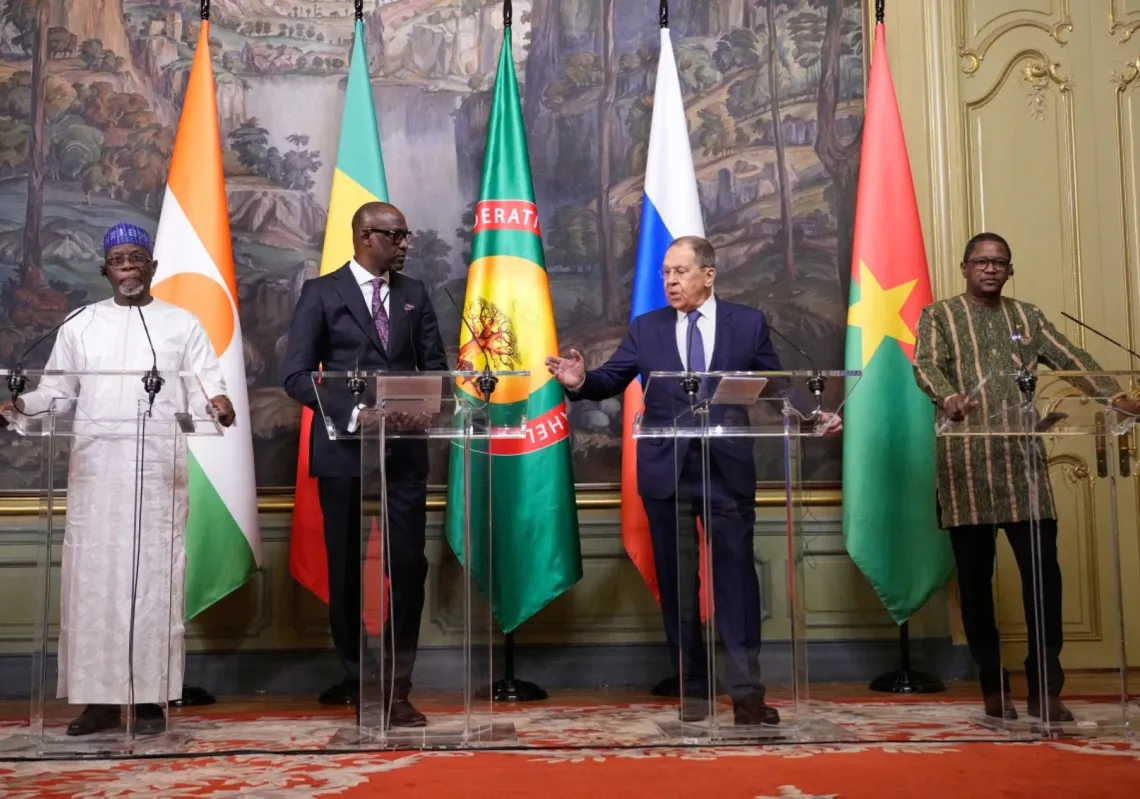
The Russian president says the next step is shaping a new construct—sovereignty as a service, as a resource, as an exportable value—which can already be seen in Africa
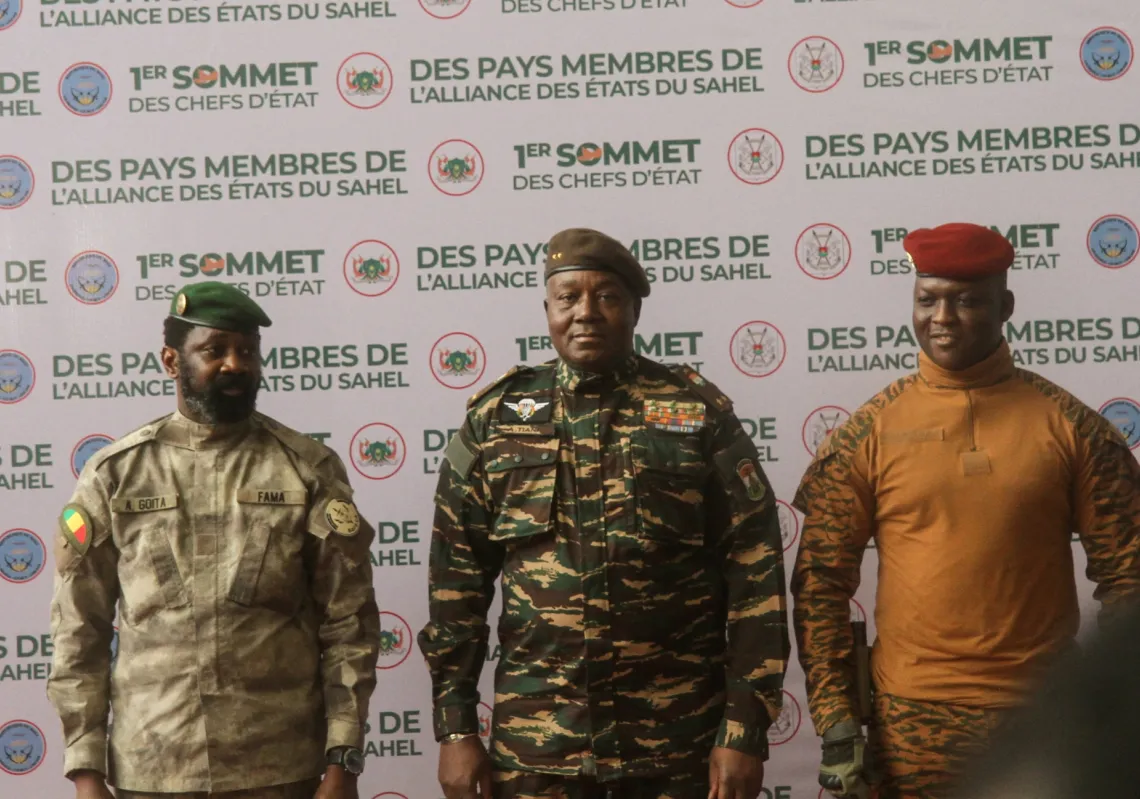
The withdrawal of Mali, Burkina Faso and Niger from the Rome Statute shows how international legal institutions are increasingly being seen as instruments of imperialism.
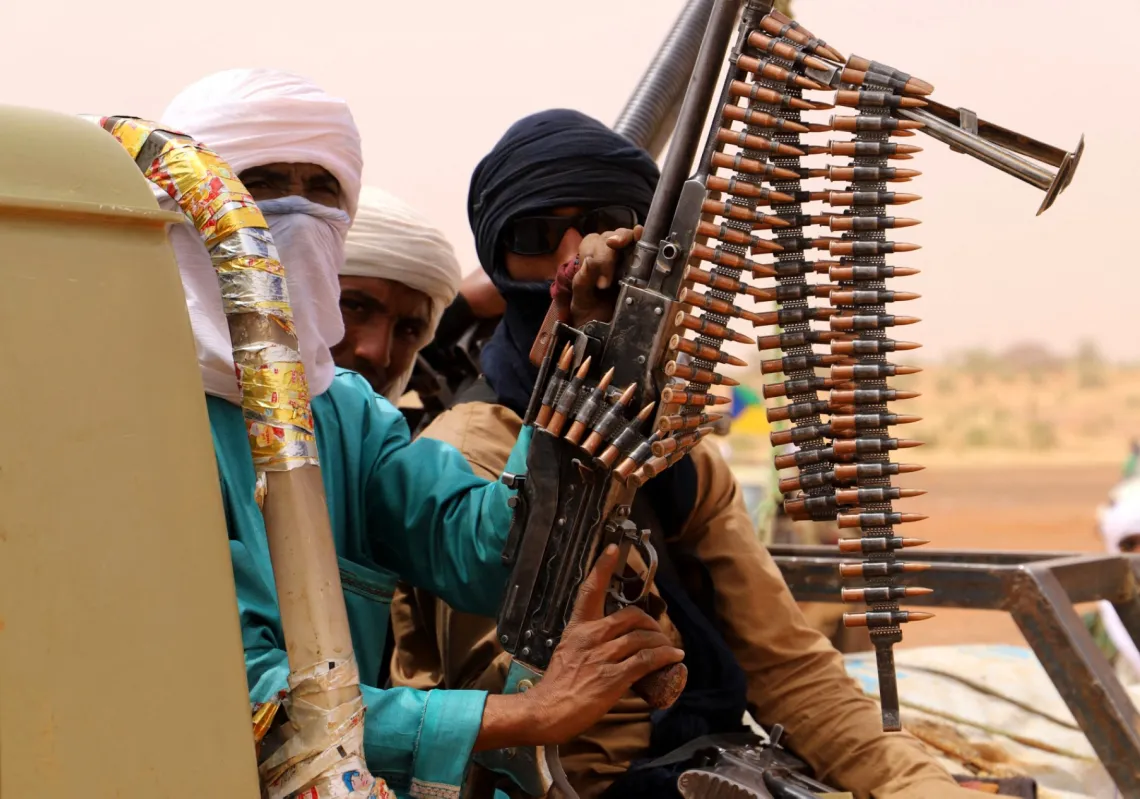
Armed groups are being formed in places like Mali, Niger, and Burkina Faso, where state militaries cannot defeat jihadists and separatists alone. Once formed, however, they seldom stay loyal.
Amid growing competition for influence in Africa from the US, Moscow has been deepening military and economic ties there, especially in Niger, Mali and Burkina Faso. Now, it must deliver.
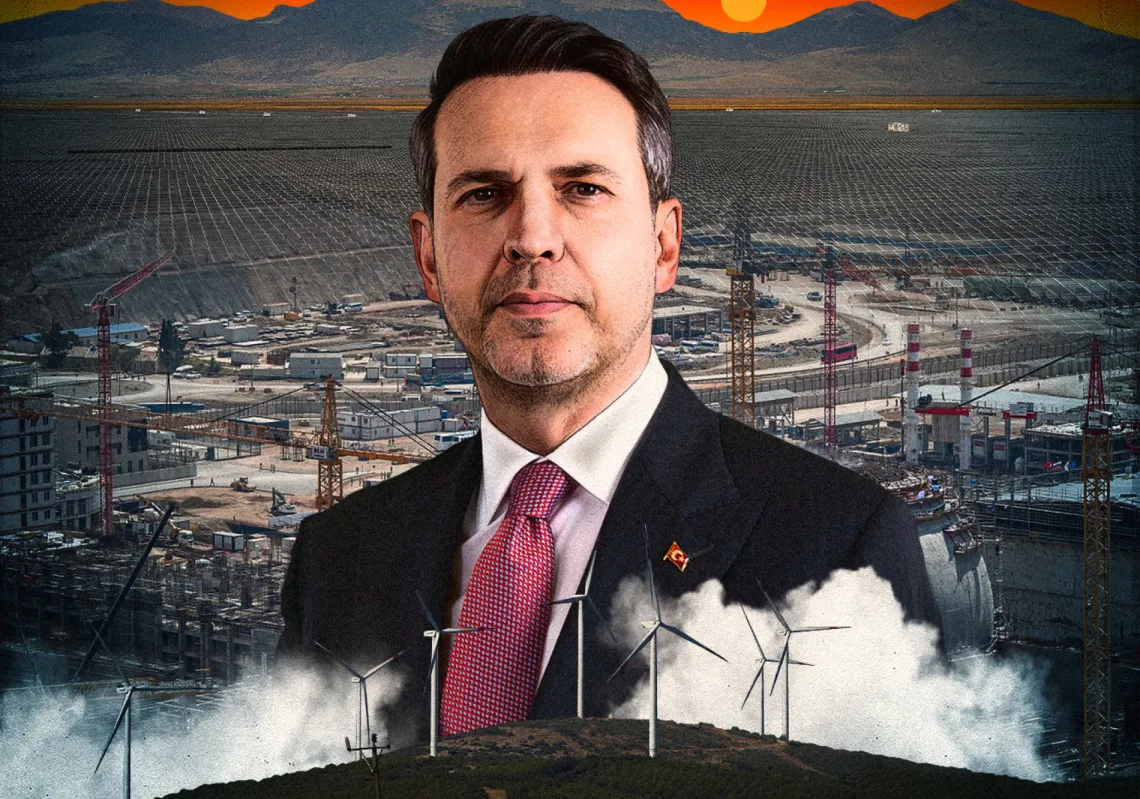
A five-day visit to Moscow ended with agreements to cooperate in a range of areas. Mali wants nuclear power and Russian military support, whereas the Kremlin has its eyes on a precious metal.
One of the world's poorest nations currently has one of the fastest growing economies in Africa. Looking at the map and surveys of its mineral deposits shows why that might continue.
A recent jihadist attack on Mali's capital and a growing threat from northern rebels reportedly getting help from Ukraine begs the question: is the Sahel a new Russia-West battleground?
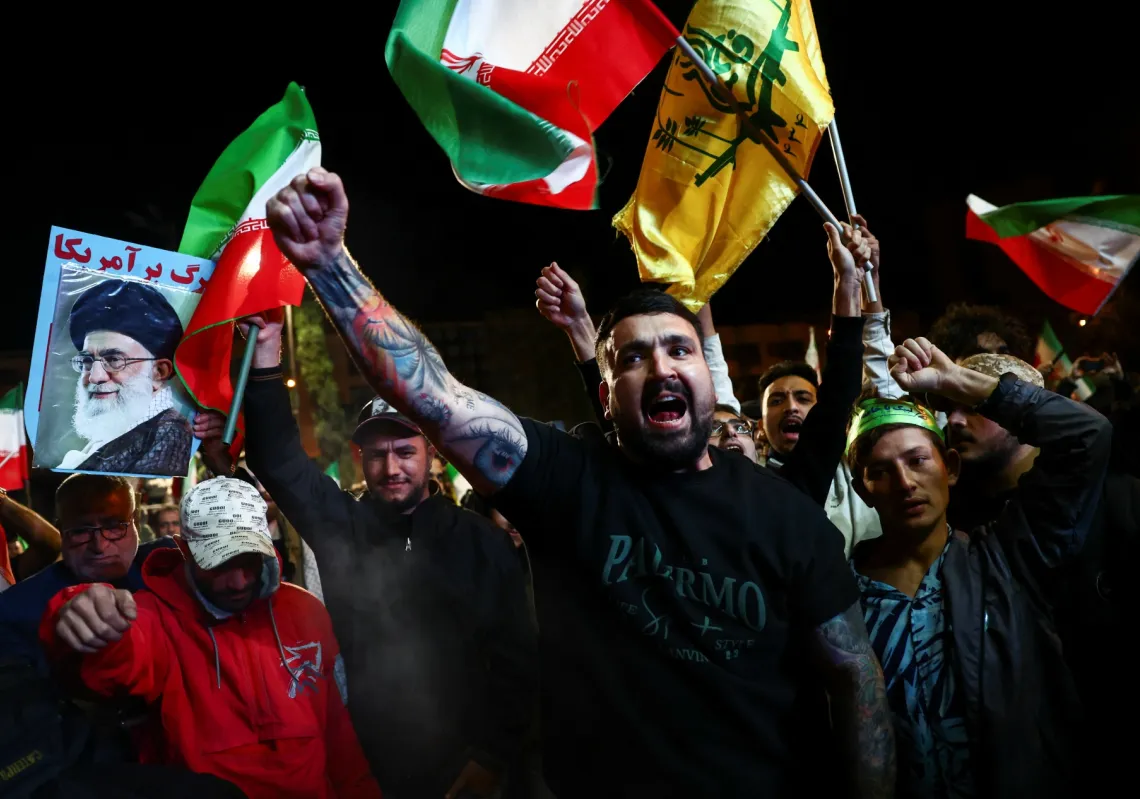
The US and French withdrawal from the Sahel lets the Russians, Chinese, and Iranians in. Tehran, in particular, will be keen to buy Niger's uranium, despite this being a red line for Washington.
A huge belt of land dividing the dry Sahara from the tropical savannah has become a playground for mercenaries. An absence of state security, poverty, and a lack of education create the perfect storm.
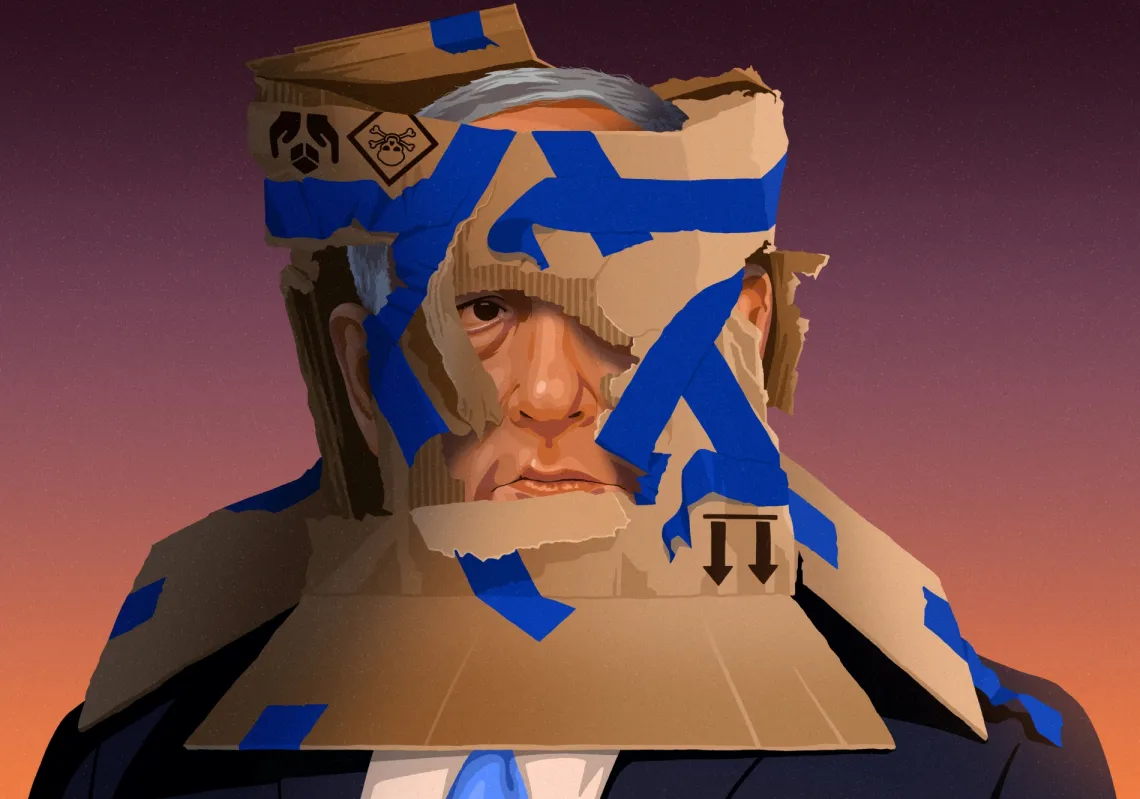
The US is poised to use Israeli gas as a lever to keep Iran on the backfoot following its regional setback, and it could even use it to undercut Russia's economy
Washington seems to have changed its tone after the RSF committed atrocities in October, putting increasing pressure on the foreign backers of a paramilitary that now controls Darfur. What next?