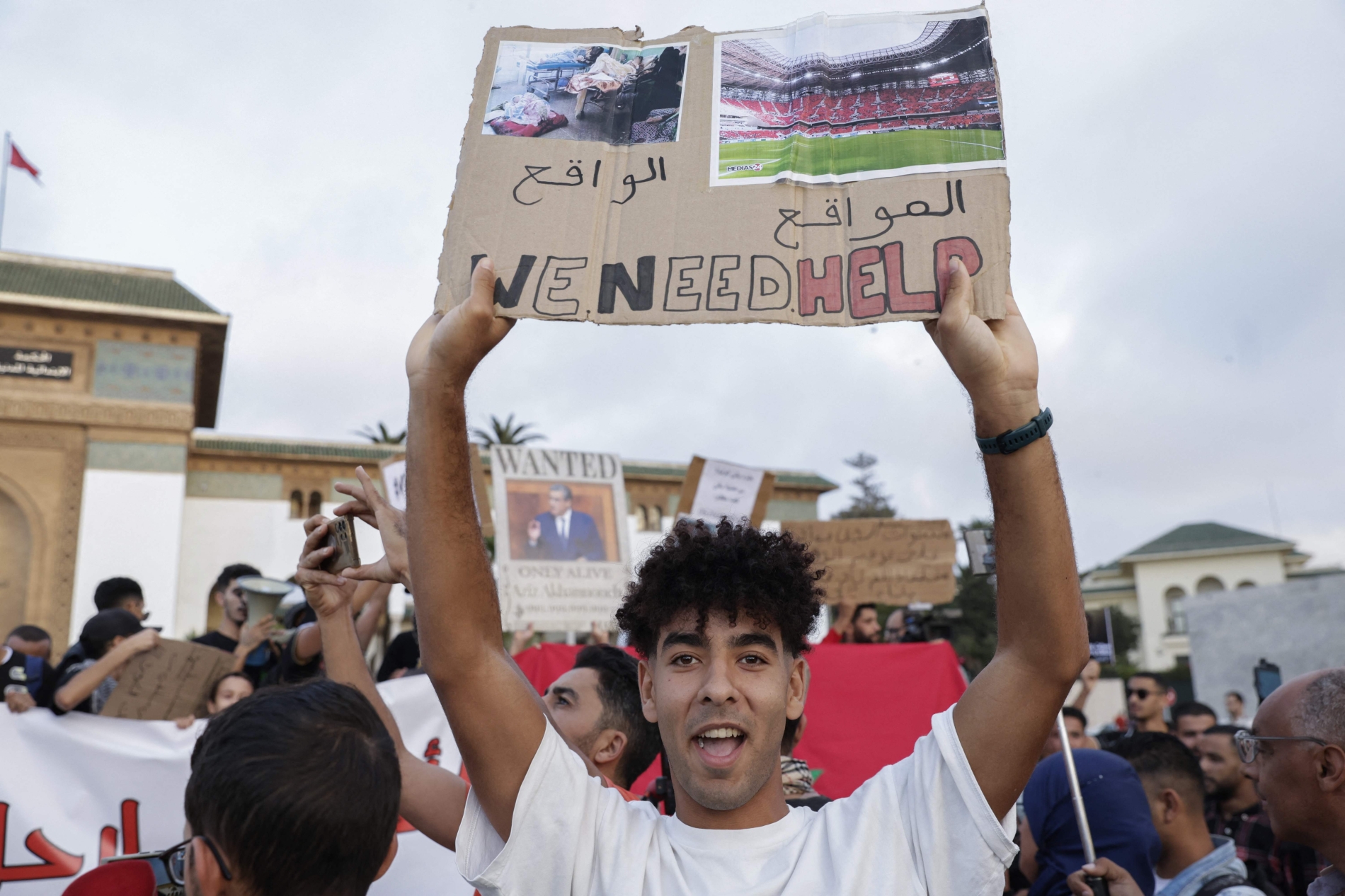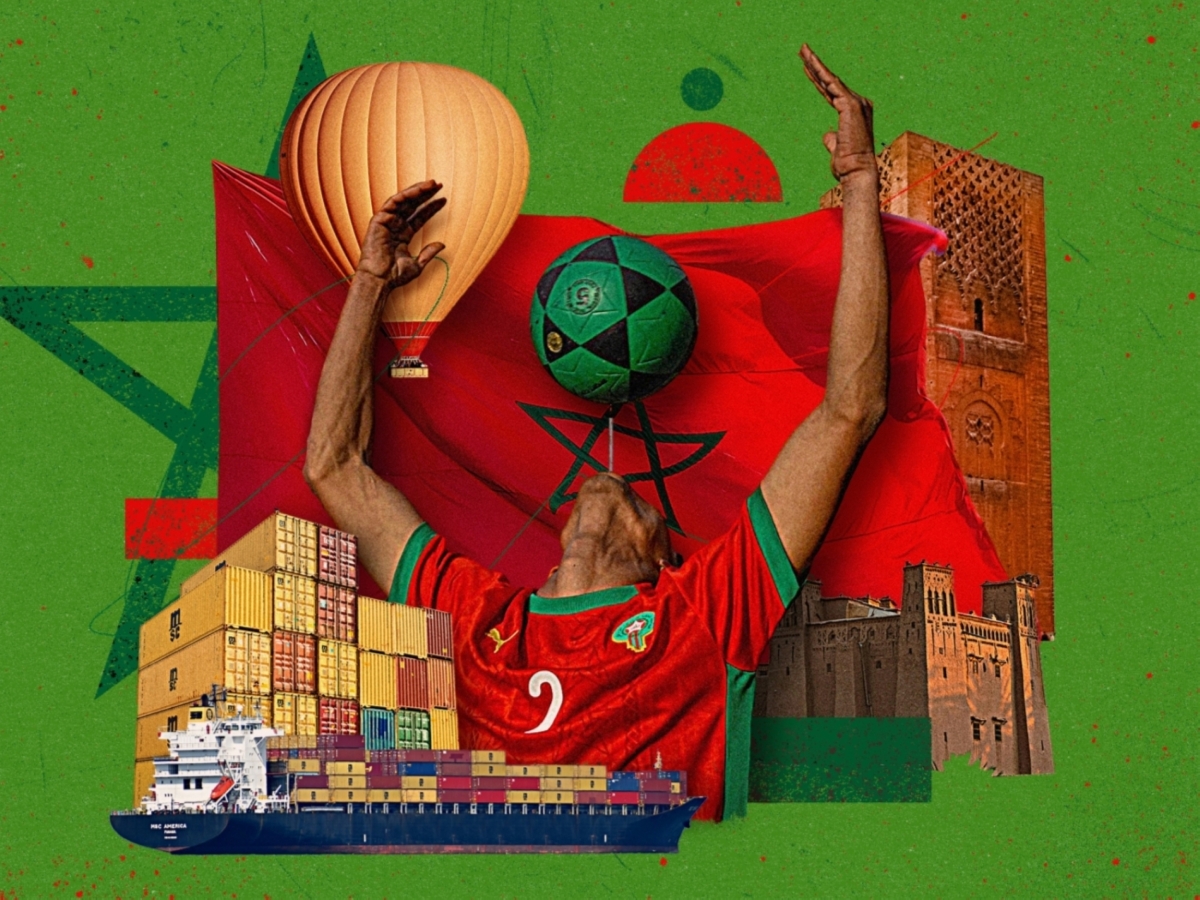

Entering 2026, Morocco’s economy has been boosted by tourism and investment, but significant challenges remain, including persistent youth unemployment, as the country moves towards a production-based model centred on exports and technology. With seasonal rainfall easing pressure on agriculture and nearly 20 million international tourists visiting the country, there are reasons for optimism, not least Morocco hosting a major football tournament, the Africa Cup of Nations.
The newly approved budget anticipates gross domestic product (GDP) growth of 4.8% in 2025 and 4.6% in 2026, the strongest performance since the Covid-19 crisis and similar to the average annual growth rate at the turn of the century. In recent years, that figure had fallen to around 2.5%, however, with economic and geopolitical crises running alongside seven consecutive years of drought. This hit rural areas particularly hard, with nearly one million jobs lost as a result.
According to Fitch Ratings, GDP growth in the coming year is forecast to be 3.5%, driven largely by non-agricultural sectors, particularly industry. Nonetheless, the economy remains vulnerable to the unpredictability of climate change. The agency has maintained the country’s sovereign credit rating at BB+, on a par with Oman and ahead of Egypt, Jordan, and Tunisia. Fitch highlights a narrowing of the budget deficit to 3.8% and notes that current debt levels pose limited exposure to external shocks, as most obligations are denominated in Moroccan dirhams.
Debt and spending
At 62% of GDP, public debt exceeds the global average. The 2026 budget estimates that debt servicing will amount to roughly $6.7bn. It aims to reduce public debt, but that is an ambitious goal that must be balanced against the urgent need for investment in big infrastructure projects, including a 400km high-speed rail line between Kenitra and Marrakech, an expansion of highways, upgrades to sports facilities, and the acquisition of dozens of new aircraft ahead of the 2030 World Cup, which Morocco will co-host.
Total expenditures in the 2026 budget are estimated at roughly $80bn. Sources at the finance ministry told Al Majalla that the government’s aim is to balance financial discipline and deficit and public debt reduction with investment for development, to stimulate economic activity, create jobs, and increase national wealth. They noted a turbulent economic environment globally, one that is marked by uncertainty.
The Moroccan budget identifies several priorities, including consolidating the country within global supply chains and accelerating major structural reforms. The budget aims to reduce the fiscal deficit to 3% of GDP by the end of 2026, an improvement of 0.5% compared with 2025. Even so, the Treasury will require an additional $5bn next year to bridge the gap between revenues and expenditures. The budget forecasts GDP growth of 4.5%, inflation capped at 2%, Brent crude at around $65 a barrel, and an exchange rate of ten dirhams to the dollar. These projections reflect a tilt toward stability.
Growth and jobs
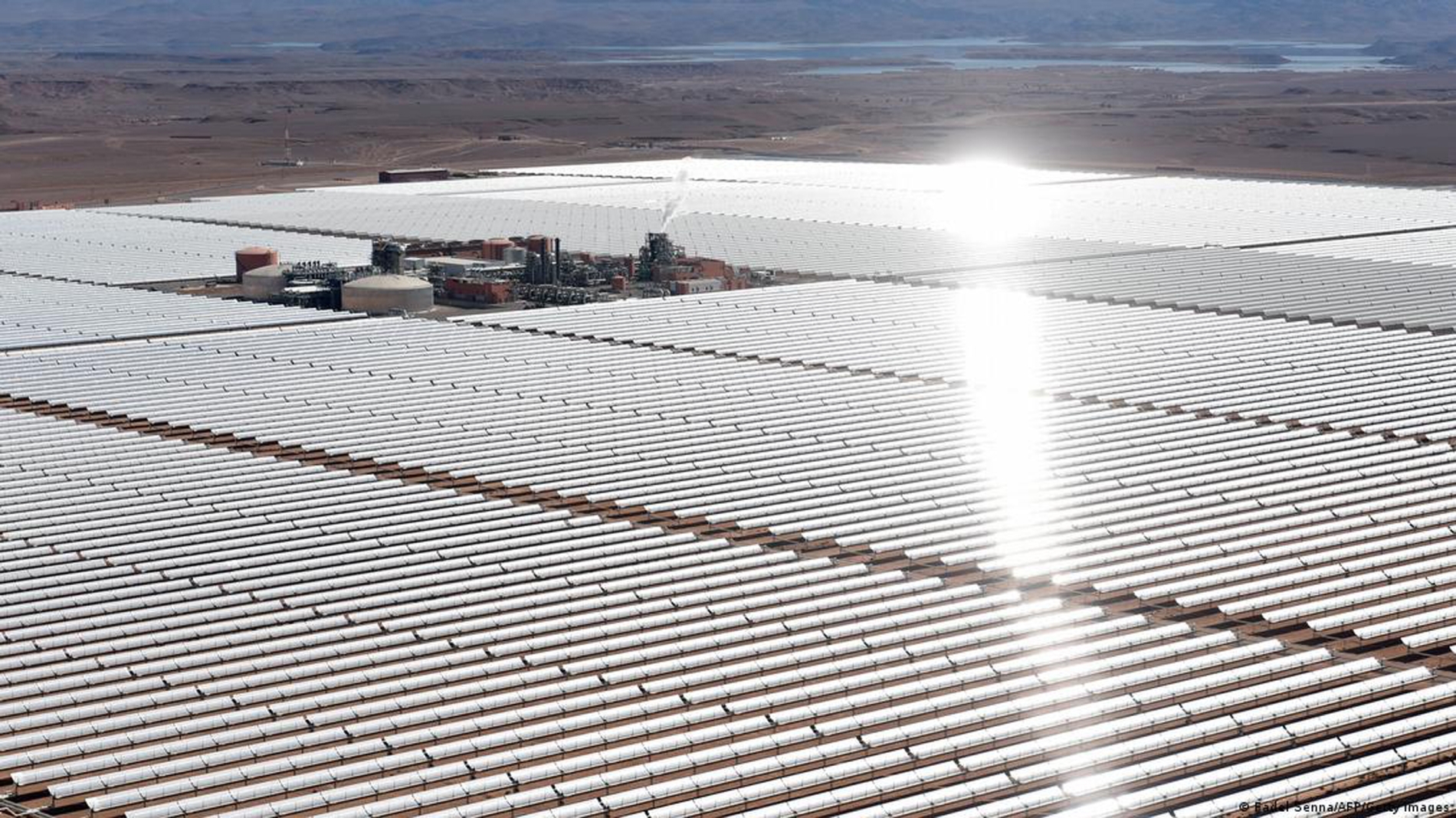
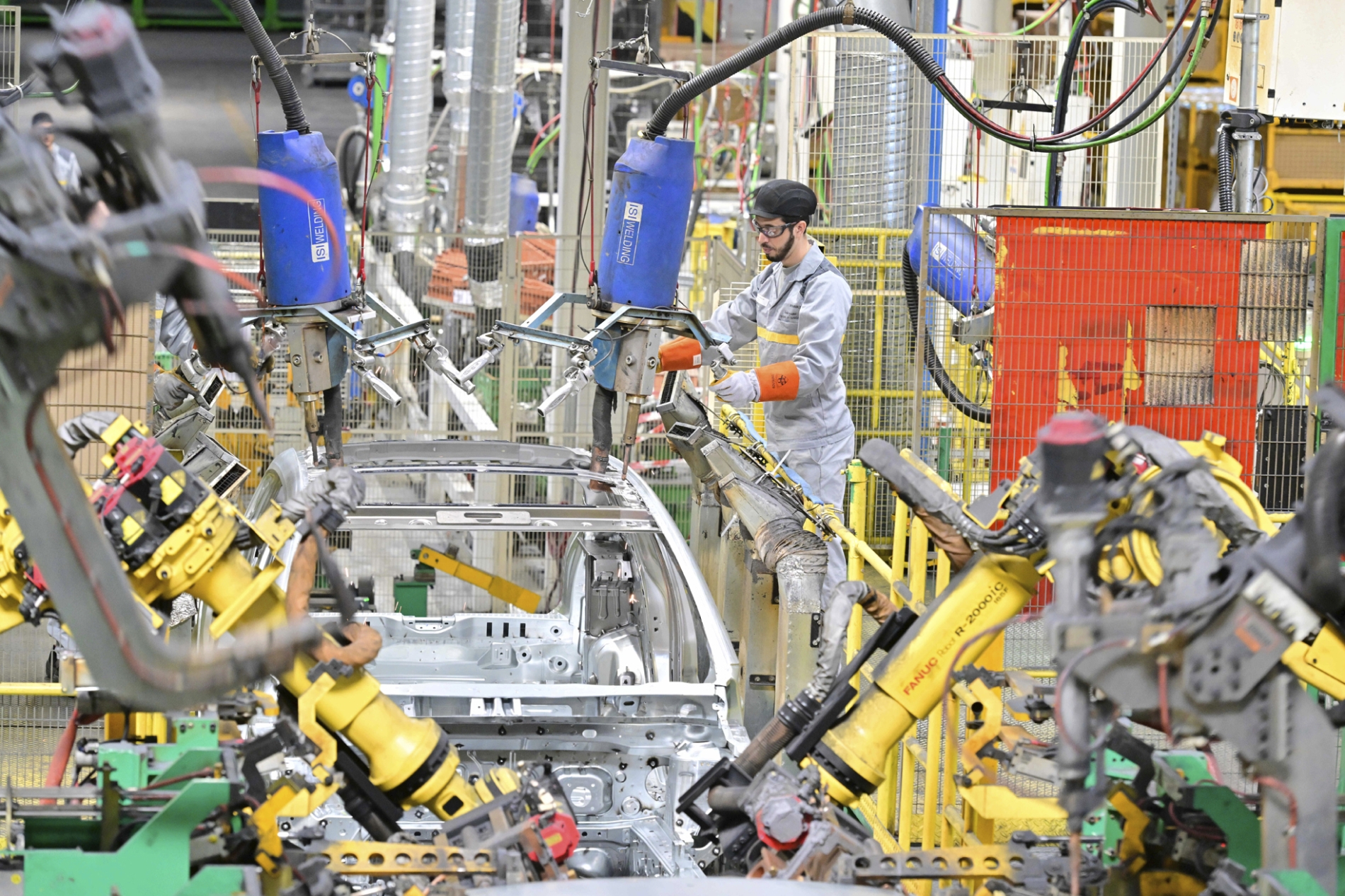
Fitch noted global volatility and climate change as factors in its growth forecast, despite the dynamism of Morocco’s automotive, aerospace, and phosphate exports, and its flourishing tourism sector. Agriculture contributes 11% of GDP but drought has hit jobs, with 275,000 young people entering the labour market each year.
Morocco appears to be an attractive destination for foreign direct investment (FDI) but the challenge lies in transforming these inflows into growth, job, and a surplus in the trade balance. Herein lies a point of contention between the central bank and the government, particularly over the impact of investment on Moroccans’ livelihoods and incomes. In 2024, despite a 3.8% growth rate, the Moroccan economy created only 82,000 jobs, while more than 140,000 entered the labour market.