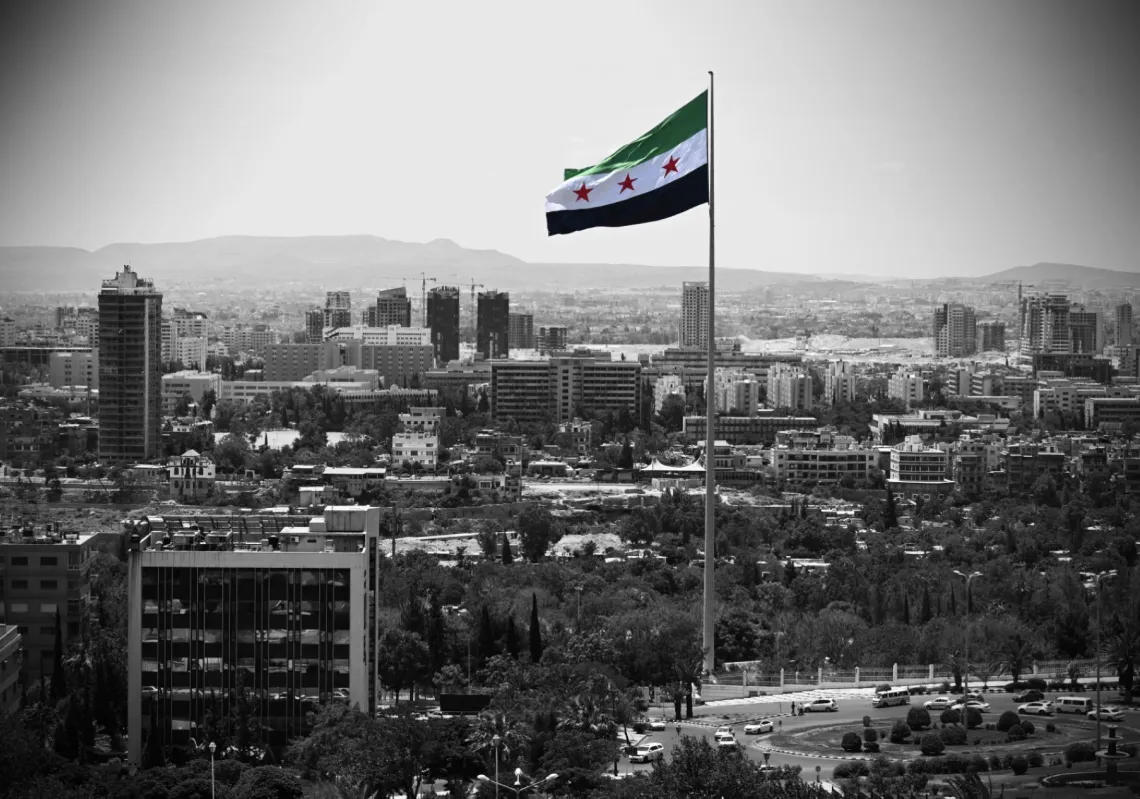
London is making it clear that it expects more than just symbolic gestures from Damascus when it comes to holding security forces accountable for atrocities
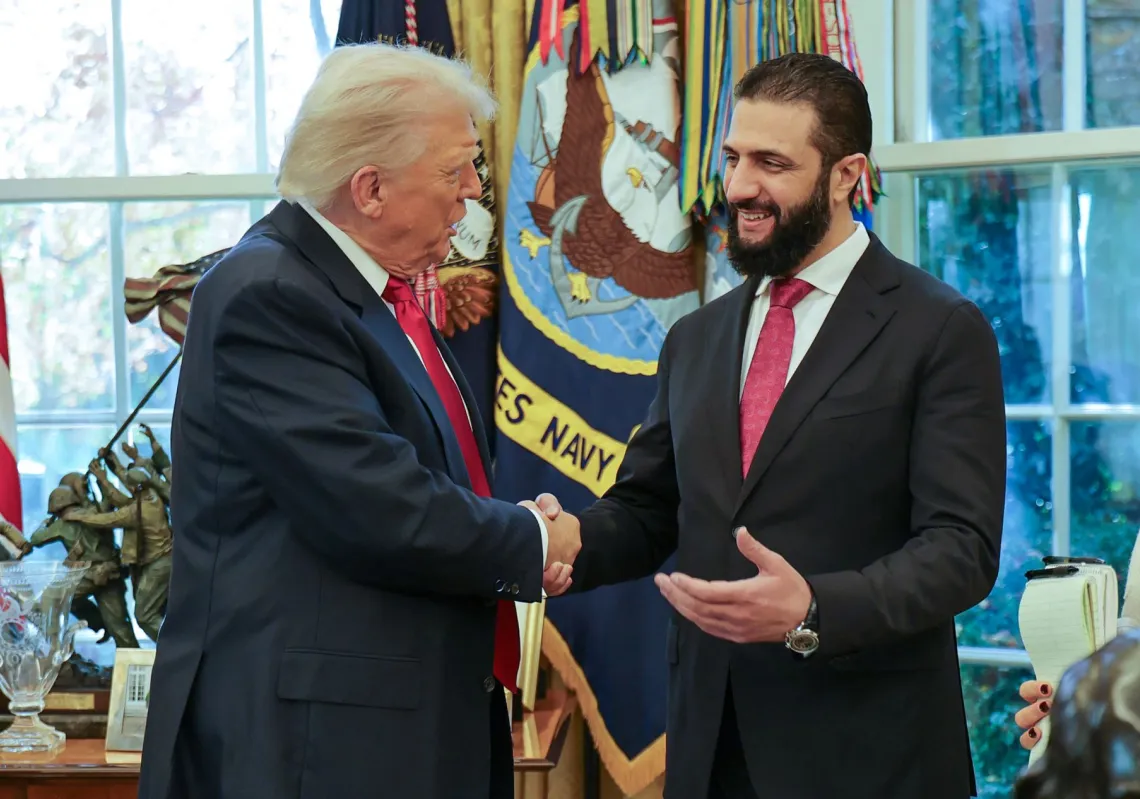
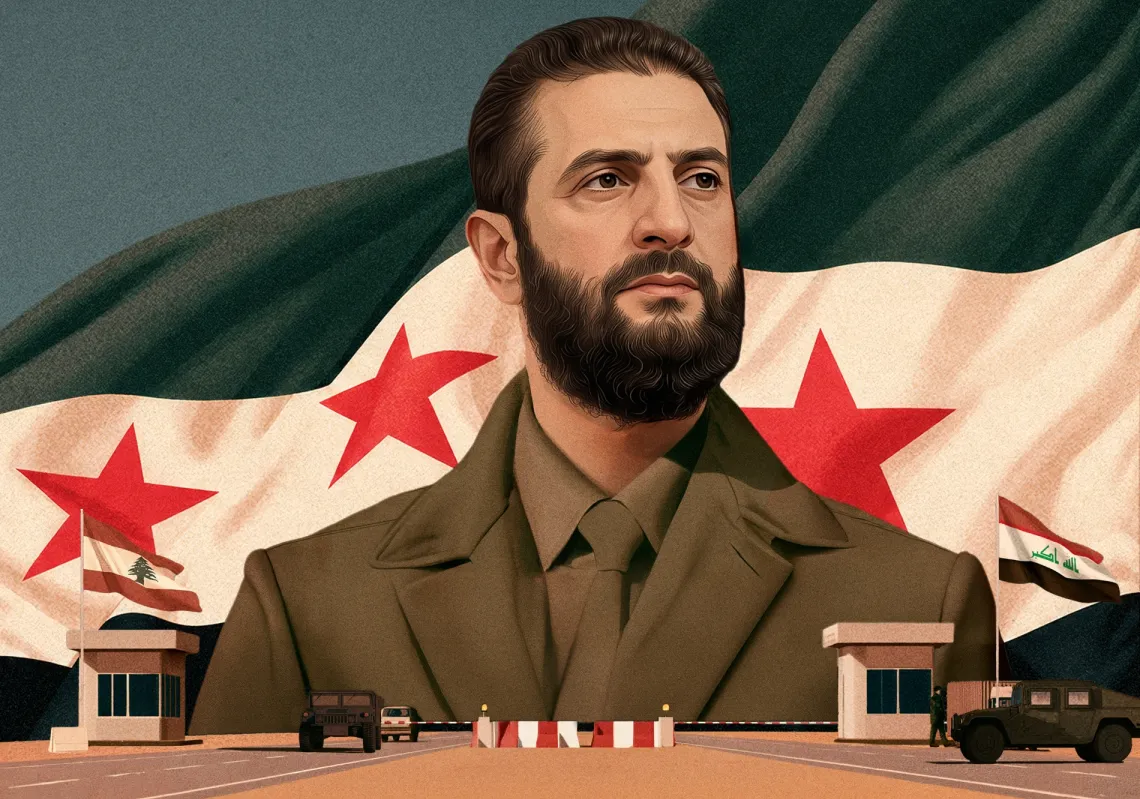
There was visible warmth when the US and Syrian presidents met in the Oval Office last month, with some even speculating a Trump visit to Damascus. But there is much to do before that happens.
Since Trump began lifting sanctions in May, no time has been wasted. US investment delegations have been flocking to Damascus, and security cooperation has already started.
On Monday, the Syrian president shook hands with Trump at the White House. Speaking to Al Majalla, a former State Department official explains why this is a moment she could have never imagined.
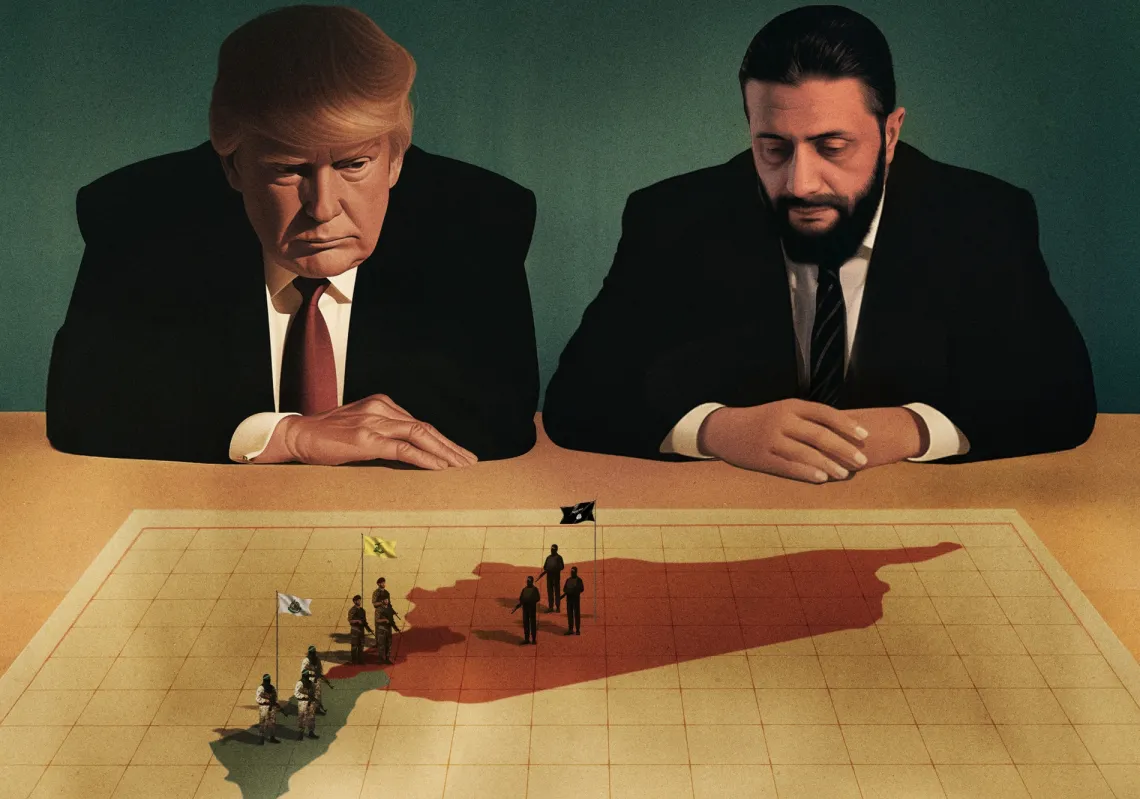
In what could be a historic turning point in US-Syria relations, the new government in Damascus will likely join the international coalition against the Islamic State (IS)
Ahmed al-Sharaa will be the first Syrian president to be welcomed at the White House on Monday. From Nixon to Clinton, Al Majalla looks back at official encounters between the two states since 1945.
Damascus has already taken steps towards this end, but international support will still be vital. It can also draw on relevant elements from Iraq's governing model.
In an interview with Al Majalla, the prominent French jurist discusses Israeli and Western duplicity, their violation of international law, and why Israel bears the cost of Gaza's reconstruction
Tehran's elite have few friends, but regional states fear the consequences of a disorderly transition. If Iran's 92 million people turn on one another, it could cause millions to flee abroad.
Going forward, the international community needs to reduce dependence on the US without upsetting the world's largest military and economic power. It will be a shaky tightrope to walk.
Scrapping foreign ownership caps and qualifying criteria will bring in more capital, with markets reacting positively to the latest reforms that build towards a more open country