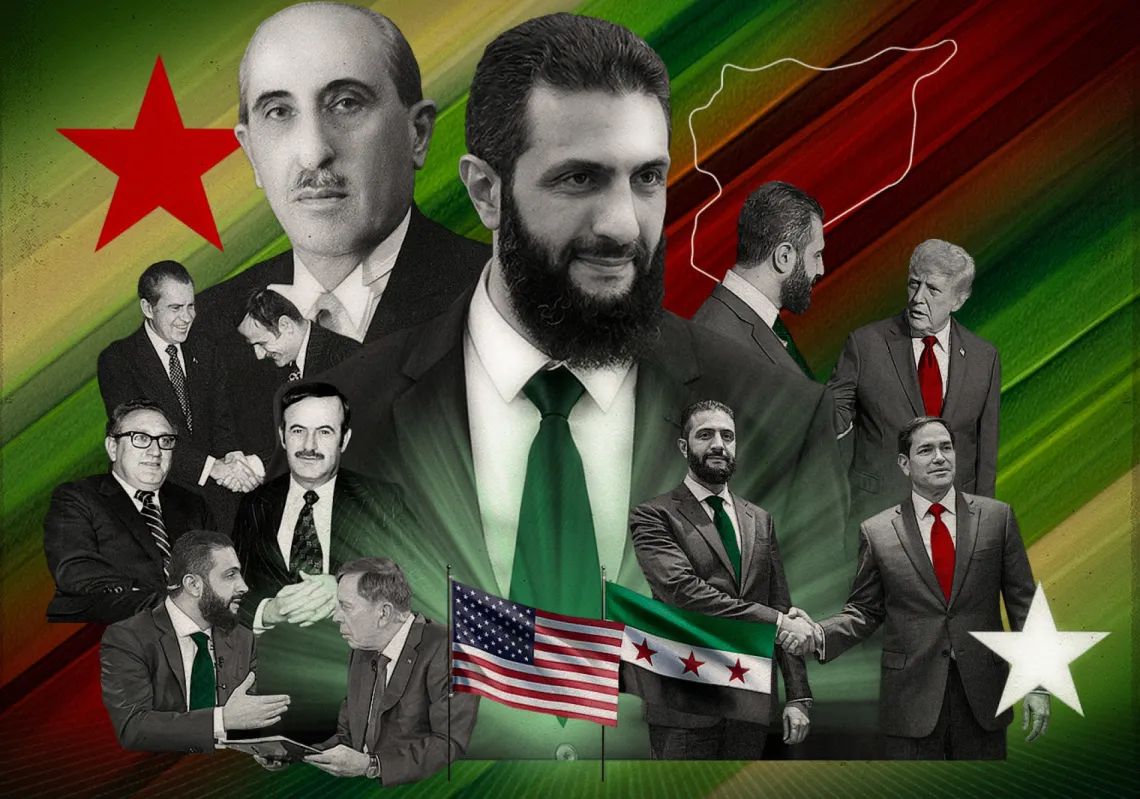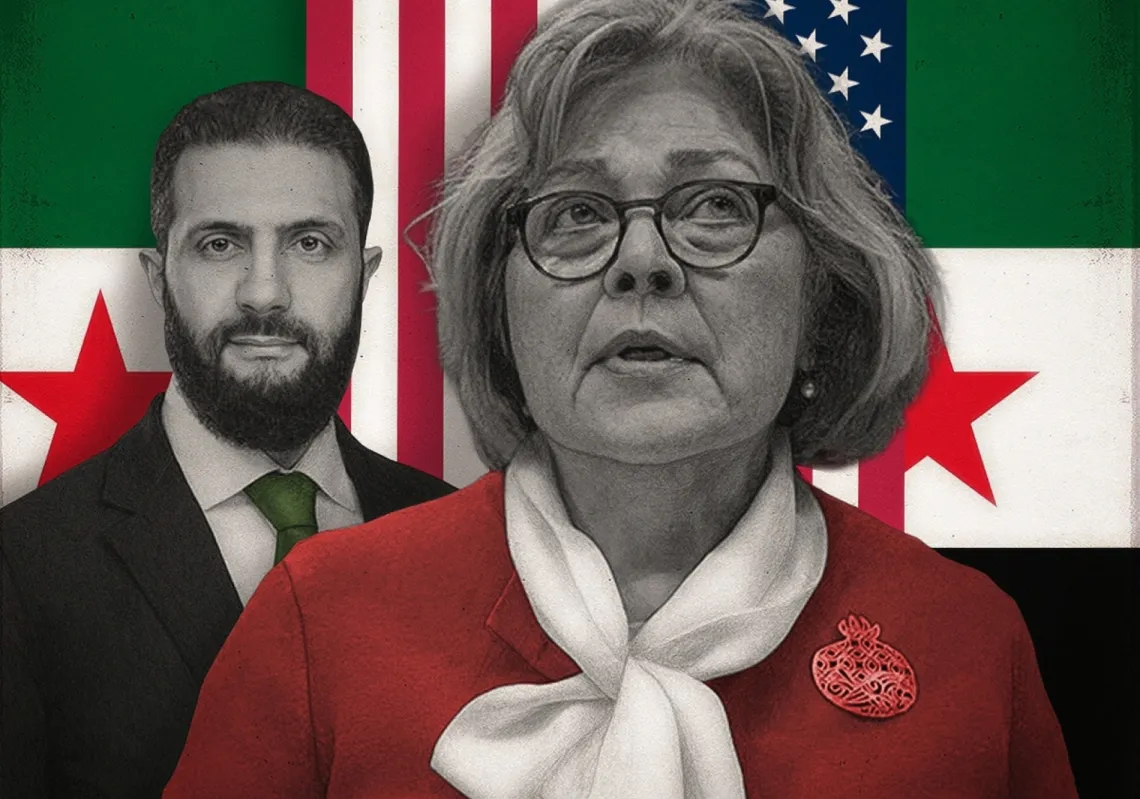
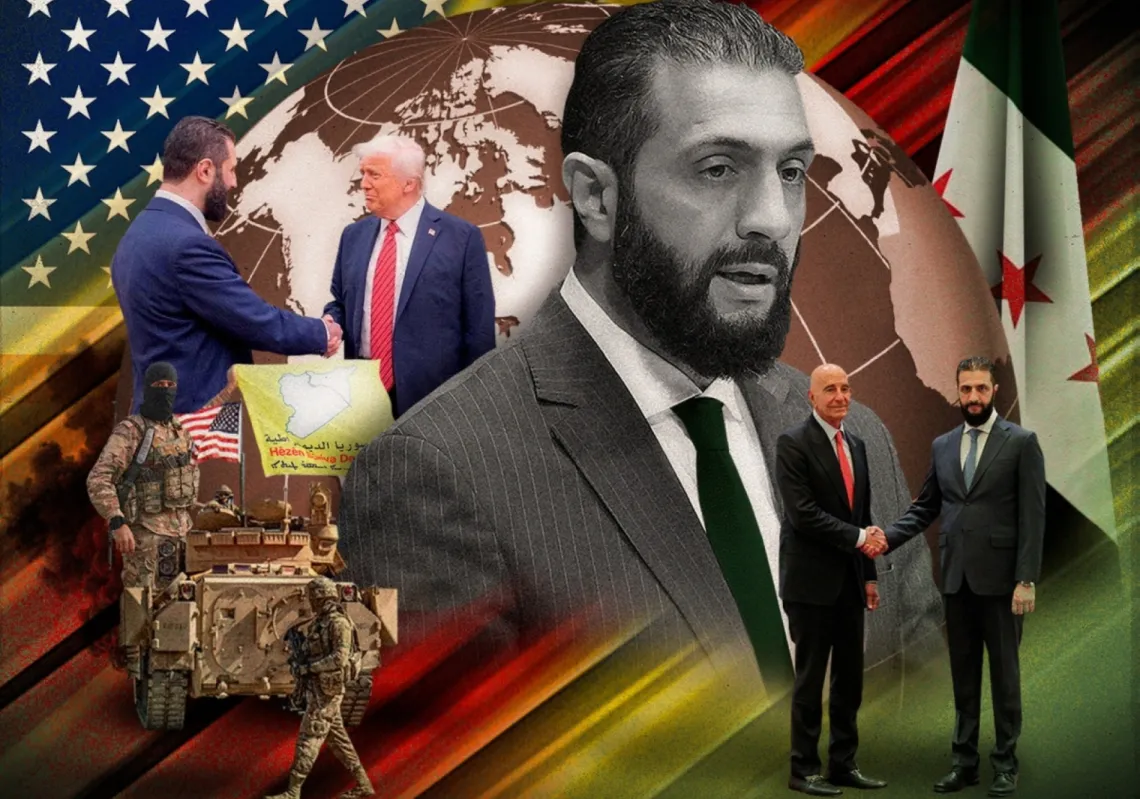
Ahmed al-Sharaa will be the first Syrian president to be welcomed at the White House on Monday. From Nixon to Clinton, Al Majalla looks back at official encounters between the two states since 1945.
Damascus has already taken steps towards this end, but international support will still be vital. It can also draw on relevant elements from Iraq's governing model.
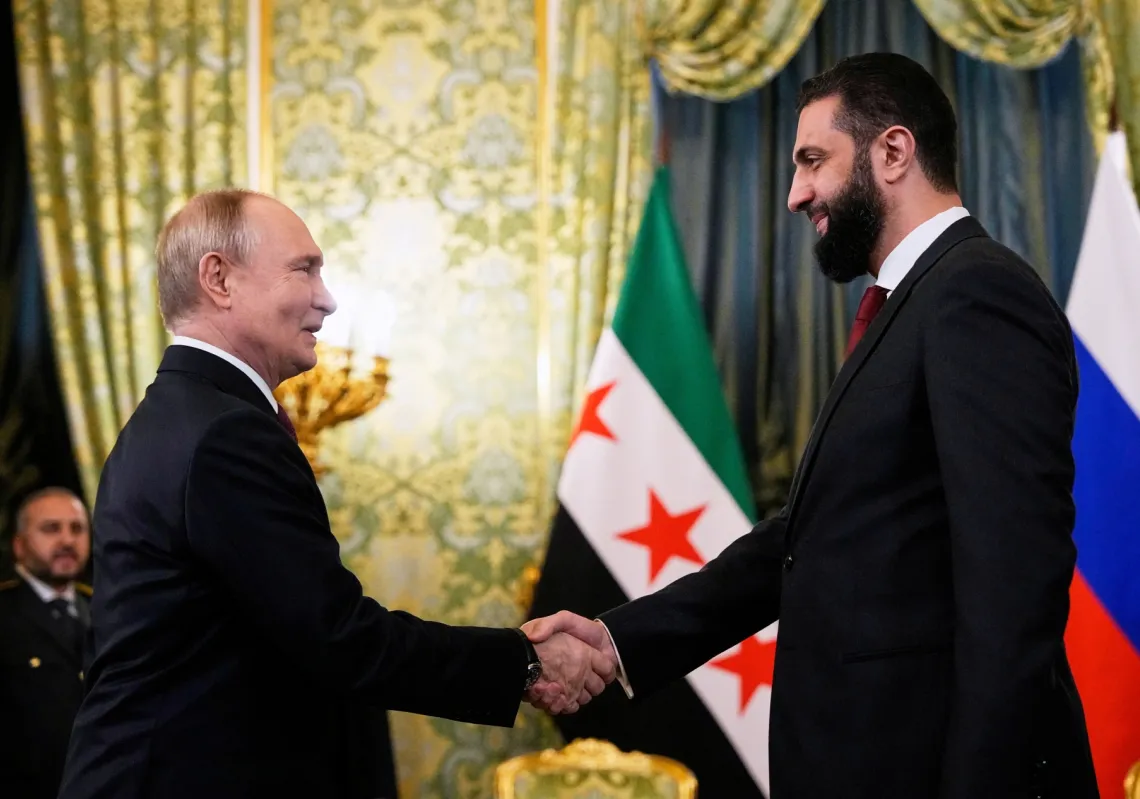
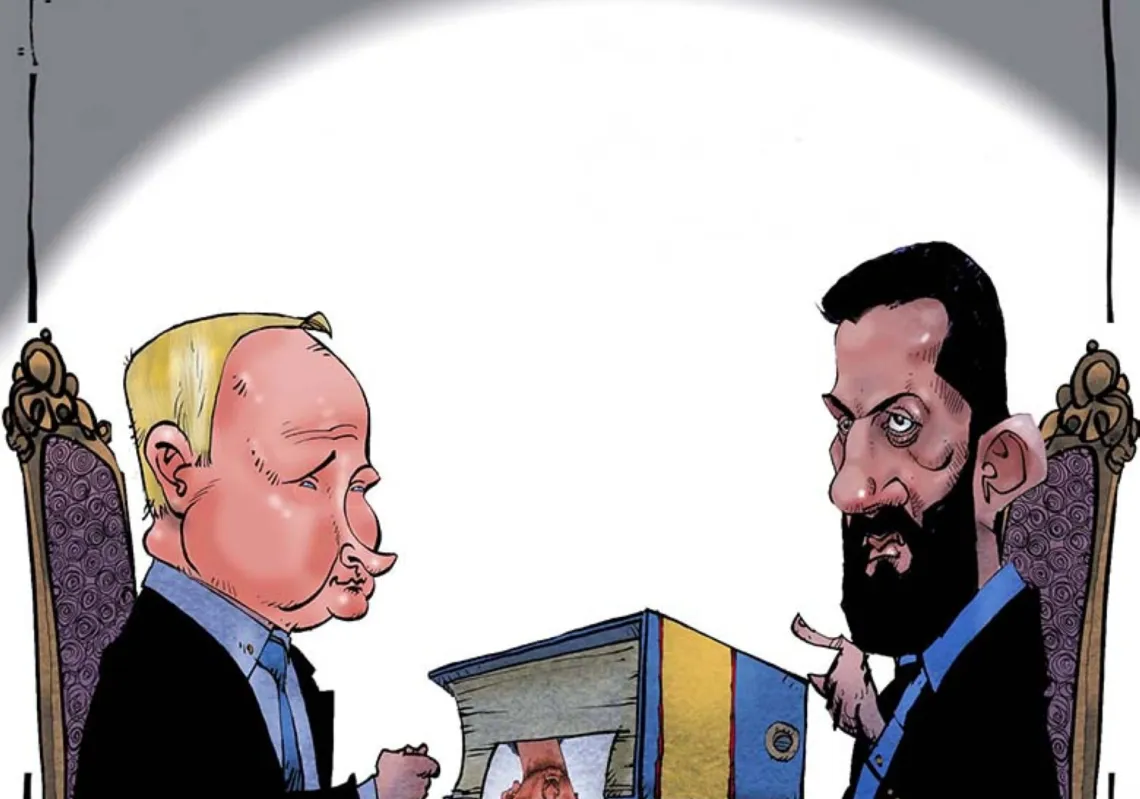
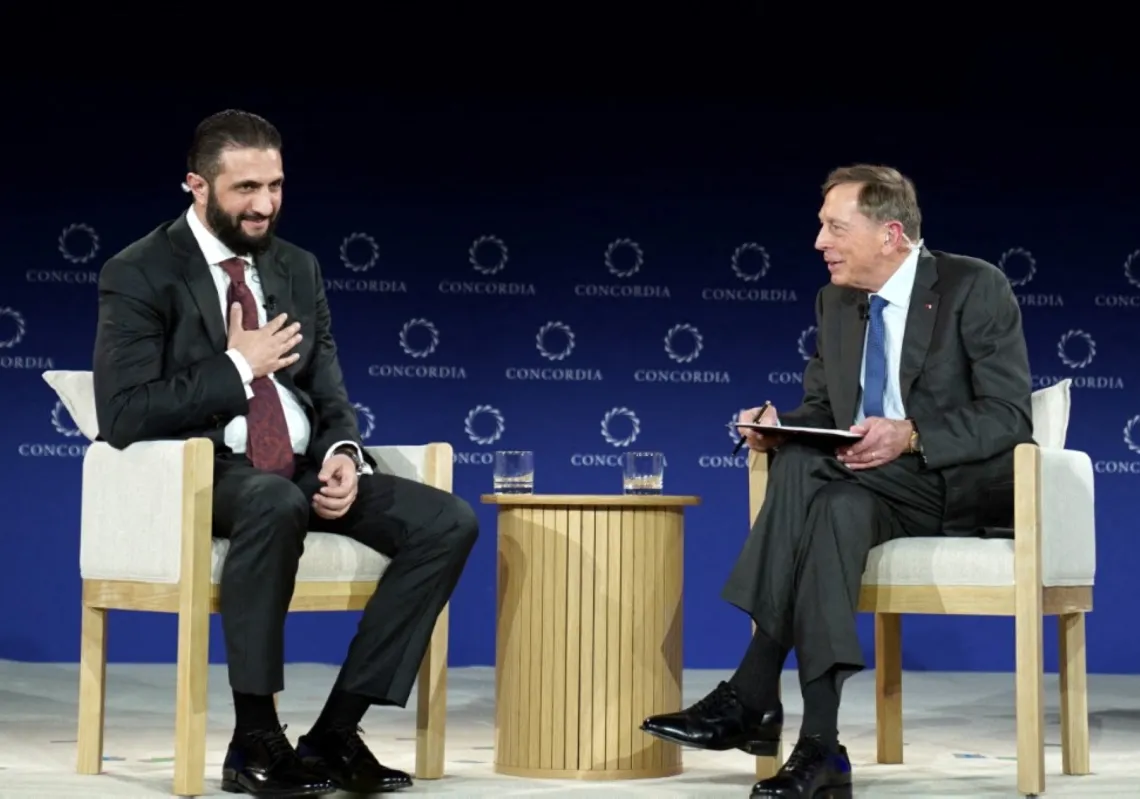
In Moscow, Syria's new president said he wants to restore and redefine relations with Russia—a former foe. But is this a genuine olive branch or a message to Washington?
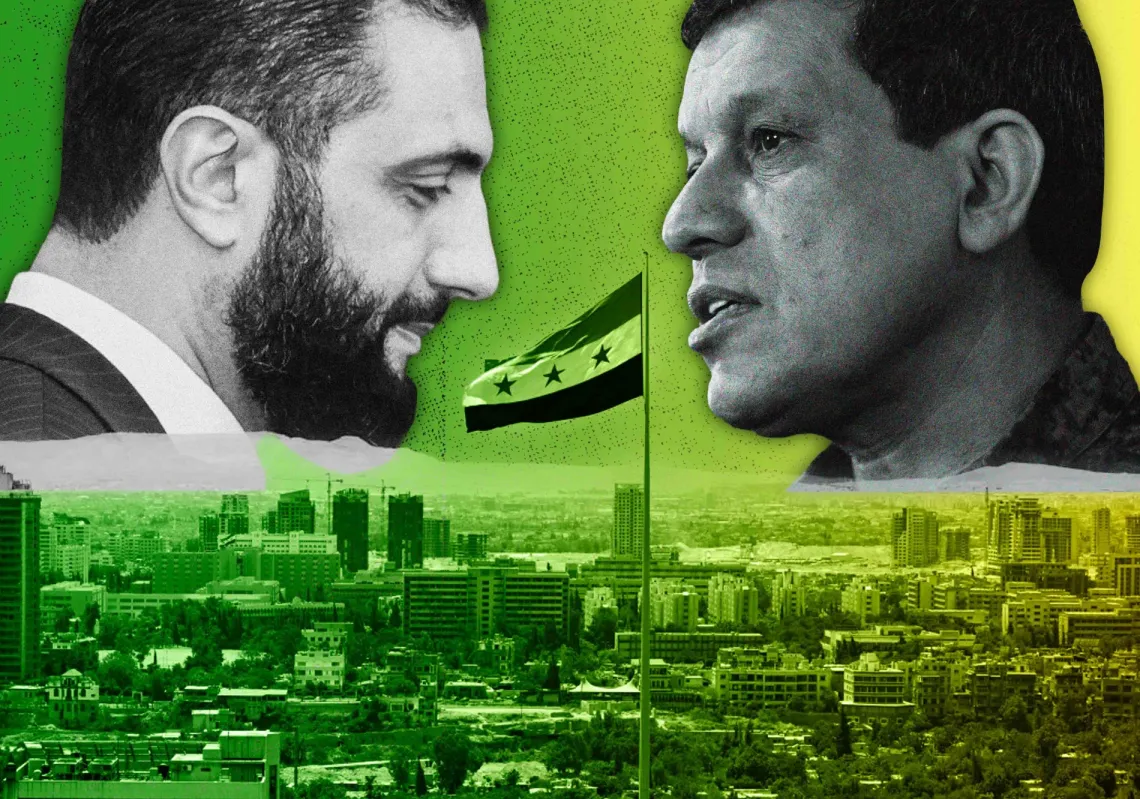
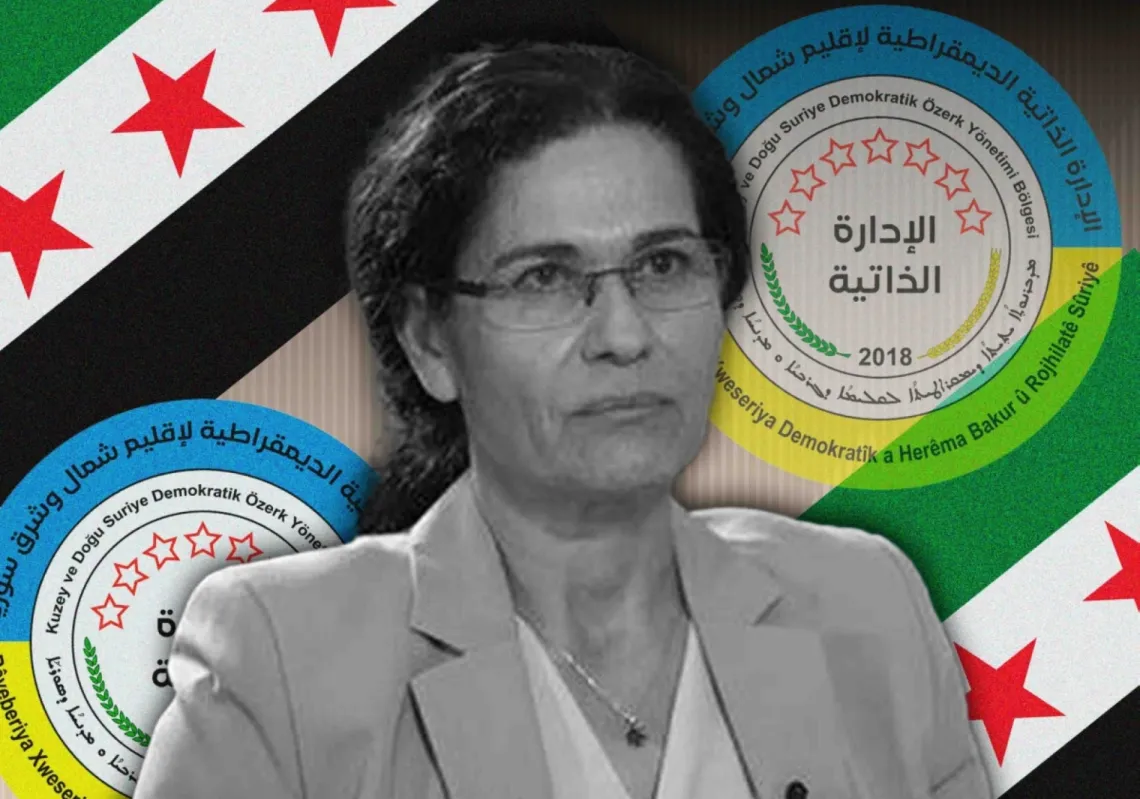
In a wide-ranging sitdown interview with Al Majalla, AANES Foreign Affairs Chief Ilham Ahmed lays out the lingering points of contention with Damascus and the way forward
Facing a legitimacy crisis both at home and abroad, the new Syrian administration may find that the road to full acceptance and sanctions relief will be a long one
Syria's future will hinge not on speeches delivered to international audiences but on Sharaa's ability to build durable stability and restore trust at home
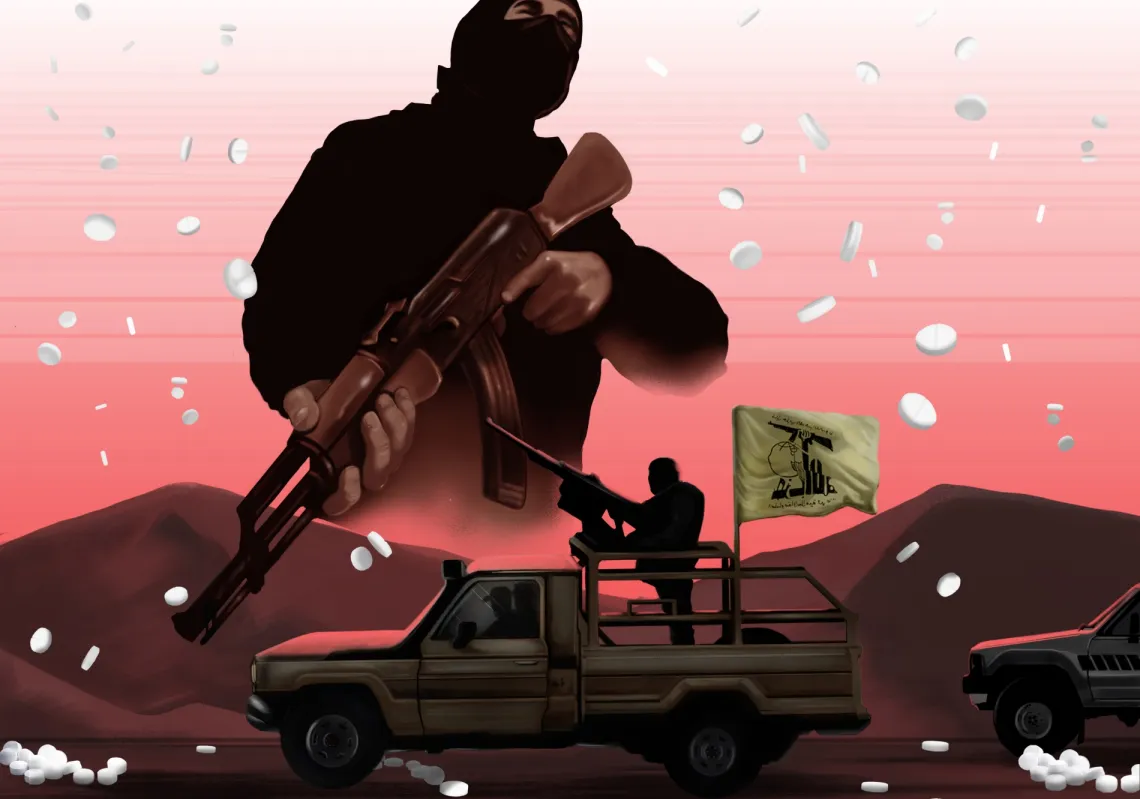
The combined effect of the shocks to the Assad regime and Hezbollah's operational capacity has been to transform, rather than end, illicit cross-border economies like arms and captagon
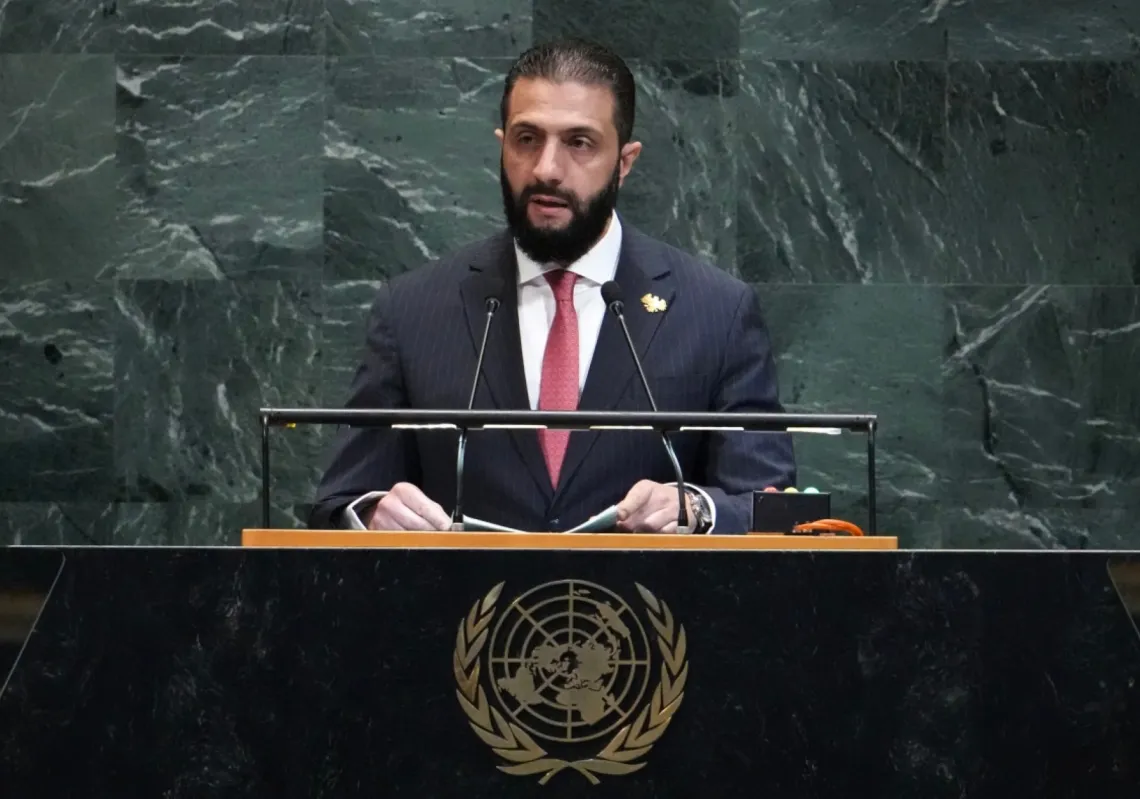
From the plains of Idlib to the presidential palace in Damascus and now the UN headquarters in Manhattan, Al Majalla traces the Syrian president's journey to get to this historic moment
Disruption in the Hormuz can have major implications for global trade, but it also creates opportunities for smaller nations like Iran to become global political players
The Iraq war was viewed as disastrous in retrospect, while the Iran war was unpopular from the get-go. Al Majalla highlights the similarities and differences between the two.
Pipelines have a chequered history in the Middle East, but the closure of the Strait of Hormuz has led US Tom Barrack to conclude that a new route through Syria could solve some problems.