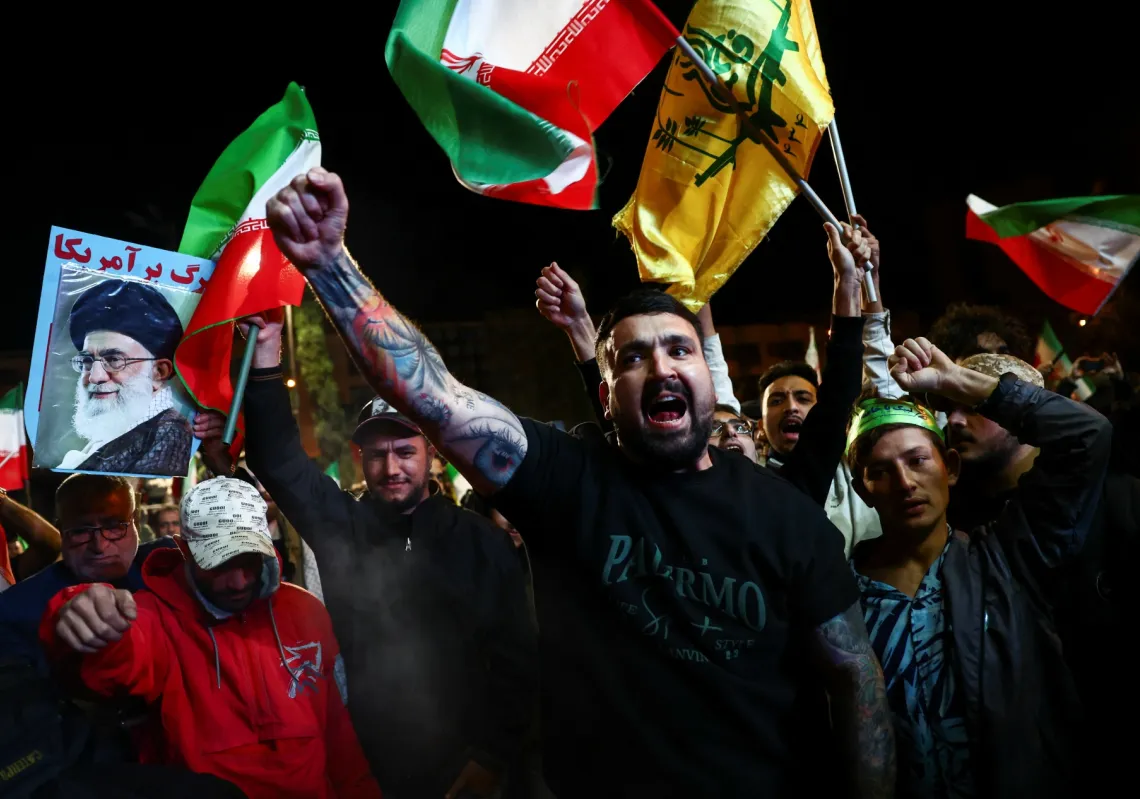

For decades, each big bout of unrest in Iran has followed a similar pattern. It starts with a trigger, be it a murder, a stolen election or a collapsing currency. The protests that follow are leaderless and disorganised. If they grow large enough, the regime reaches for its repressive toolbox: armed thugs, internet shutdowns, arrests. Order is restored, but nothing is fixed, and the cycle repeats a few years later.
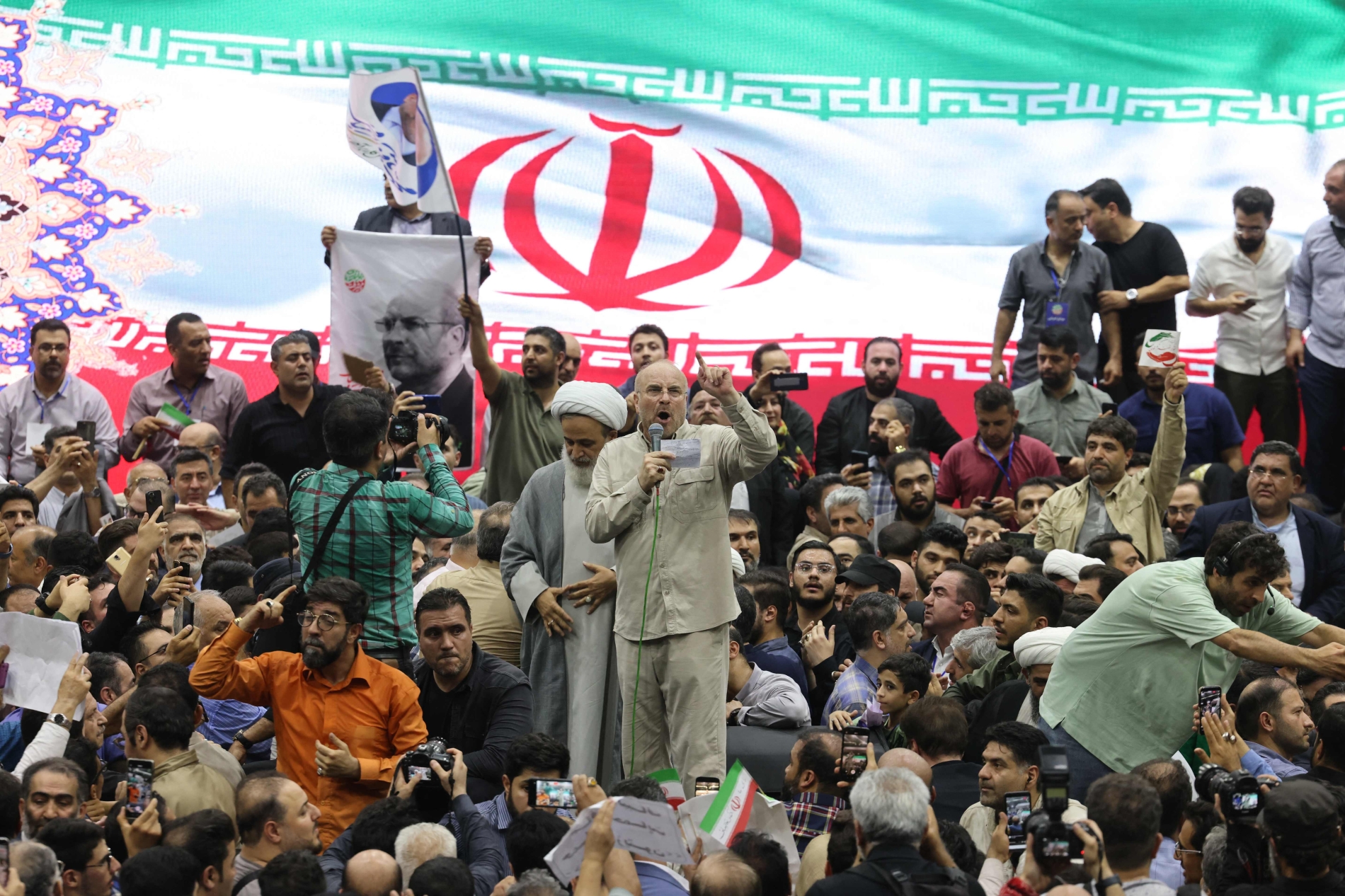
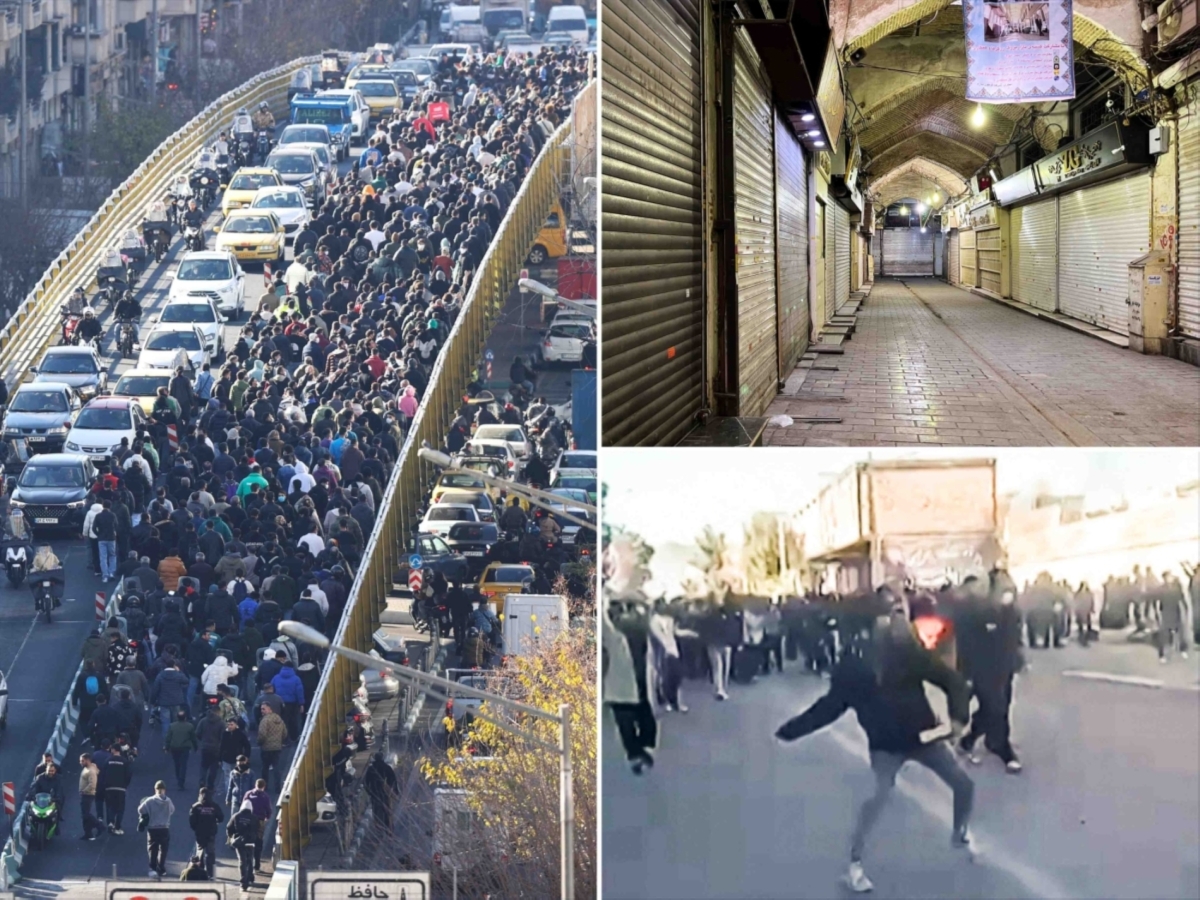
On 28 December, electronics vendors in Tehran went on strike. Most of their wares are imported, and it is hard to buy and sell such goods with the currency in free fall. Other businesses joined the walkout, including shops in Tehran’s grand bazaar, a weathervane of politics. Protests spread outside the capital and are continuing. This is the widest unrest the country has seen since 2022—but still far smaller, and not yet a nationwide uprising. Most demonstrations draw just a few hundred people, concentrated in provincial cities so obscure that Tehranis might need a map to locate them. Across the country, factories and government offices remain open.
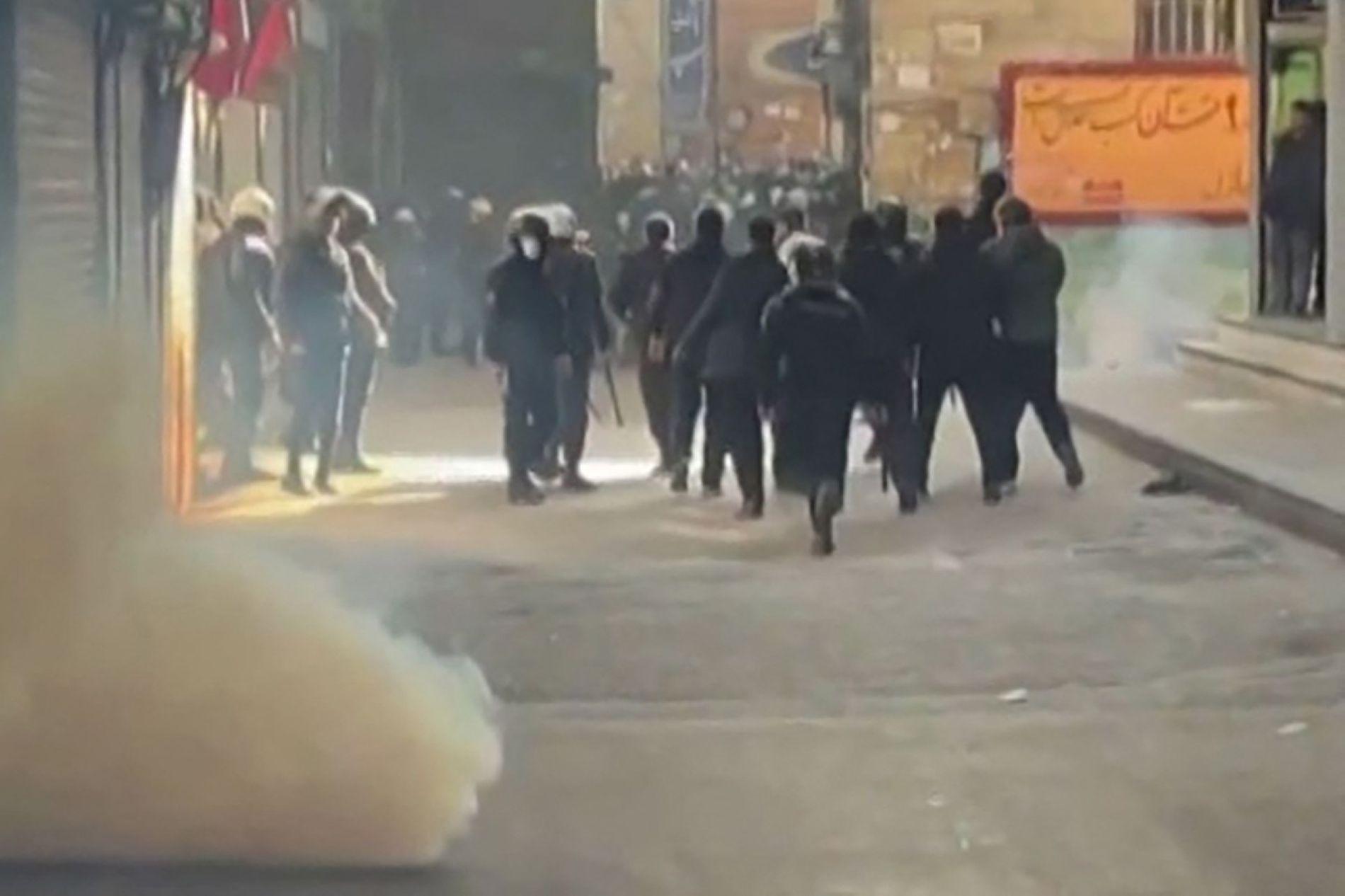
Yet the regime looks more rattled than you might expect. Riot police and water cannons have been deployed on the backstreets of central Tehran. Plain-clothes goons disperse people before they can gather at intersections. Schools and universities have been closed on the pretext of air pollution, a tactic to forestall mass action.
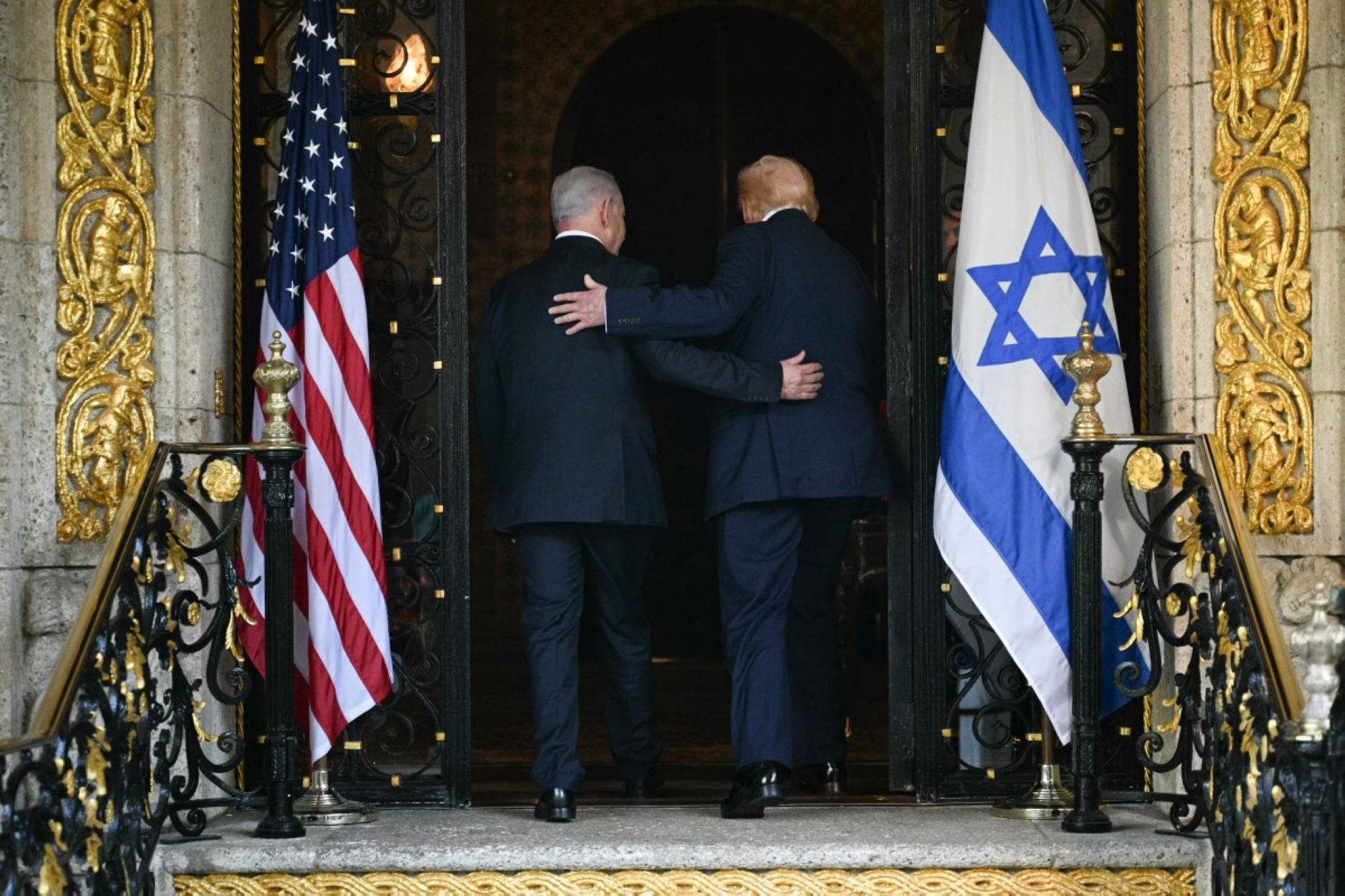
The latest protests diverge from the old pattern in two ways. One is that the bankruptcy of the regime (both literal and figurative) is in full view. Iran has endured a year of economic collapse, war and environmental crisis; its leaders have no solutions for these woes. The other difference is the prospect of foreign intervention by either Israel or America. After the American raid to seize Nicolás Maduro from Venezuela on 3 January, many Iranians wondered if their country might be next in Donald Trump’s crosshairs.
The protests have drawn on a well of anger within a constituency that the regime long regarded as its own: jobless young men. The state has no answer to their demands. In 2022, it defused months of unrest over social restrictions by loosening enforcement of the mandatory veil for women, withdrawing the morality police from the streets and letting musicians and performers take over public spaces. Iran’s economic and environmental crises offer no such quick fixes. “I can’t do anything,” admitted the president, Masoud Pezeshkian, on the eve of the protests.
The rial is crashing, trading at an all-time low near 1.5mn to the dollar. It has lost 45% of its value in the past year and 98% in the past decade. Prices of staples have soared beyond reach. Poor Iranians go hungry. Mr Pezeshkian’s main attempt at economic reform, which began earlier this month, is to scrap a preferential exchange rate for imports of essential goods and use the money to send monthly cash transfers to Iranians worth 10mn rials per person.
In principle, this is a fine idea: direct payments to the poor are preferable to supply-side subsidies, which are prone to corruption. But the sum in question is worth less than $8, barely enough for a bag of rice or a jug of cooking oil. Unifying the exchange rates will also fuel inflation, already above 40%. Fatemeh Mohajerani, a government spokeswoman, acknowledged that it will lead to “significant” price increases for chicken, eggs and other staples.