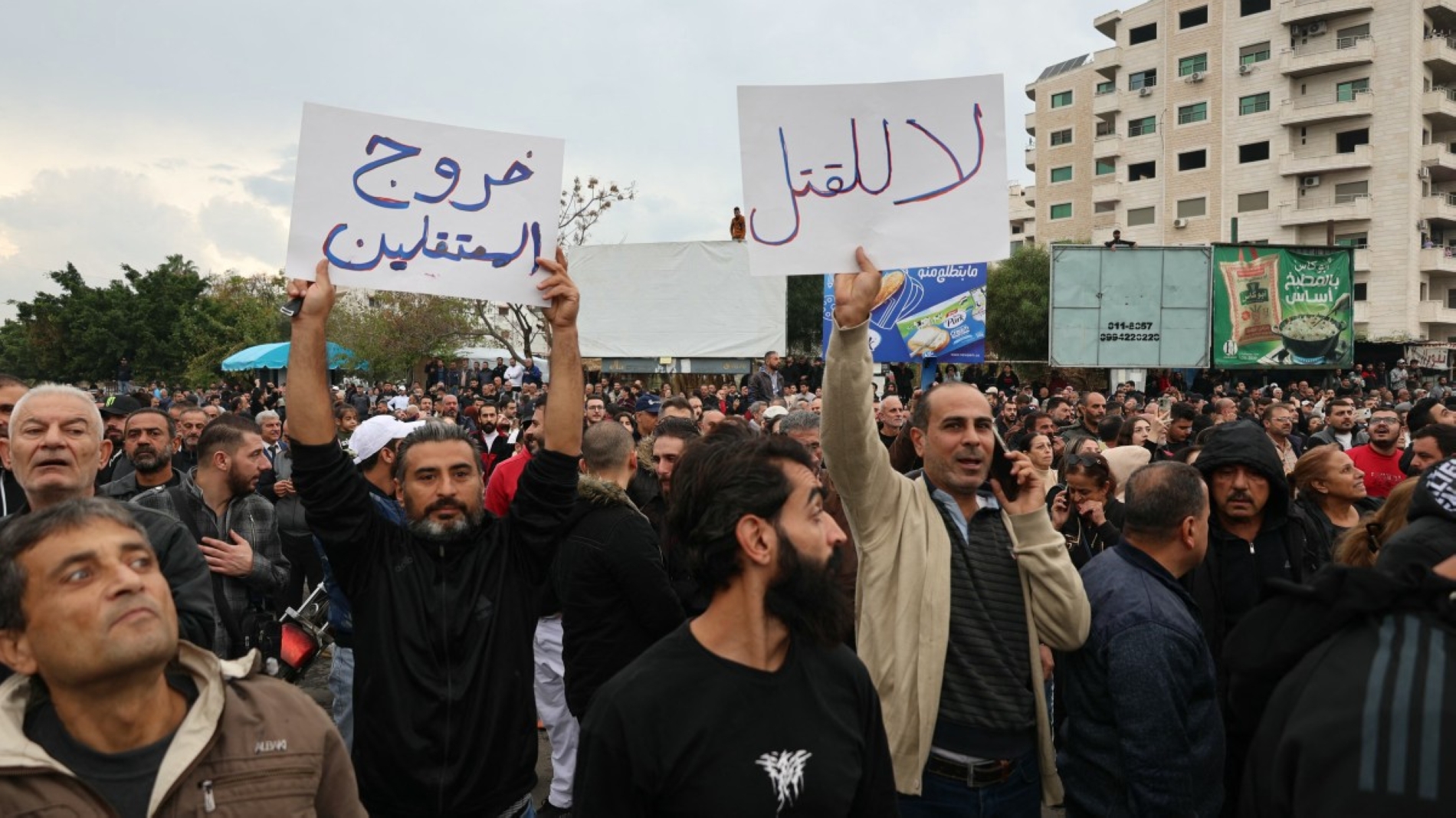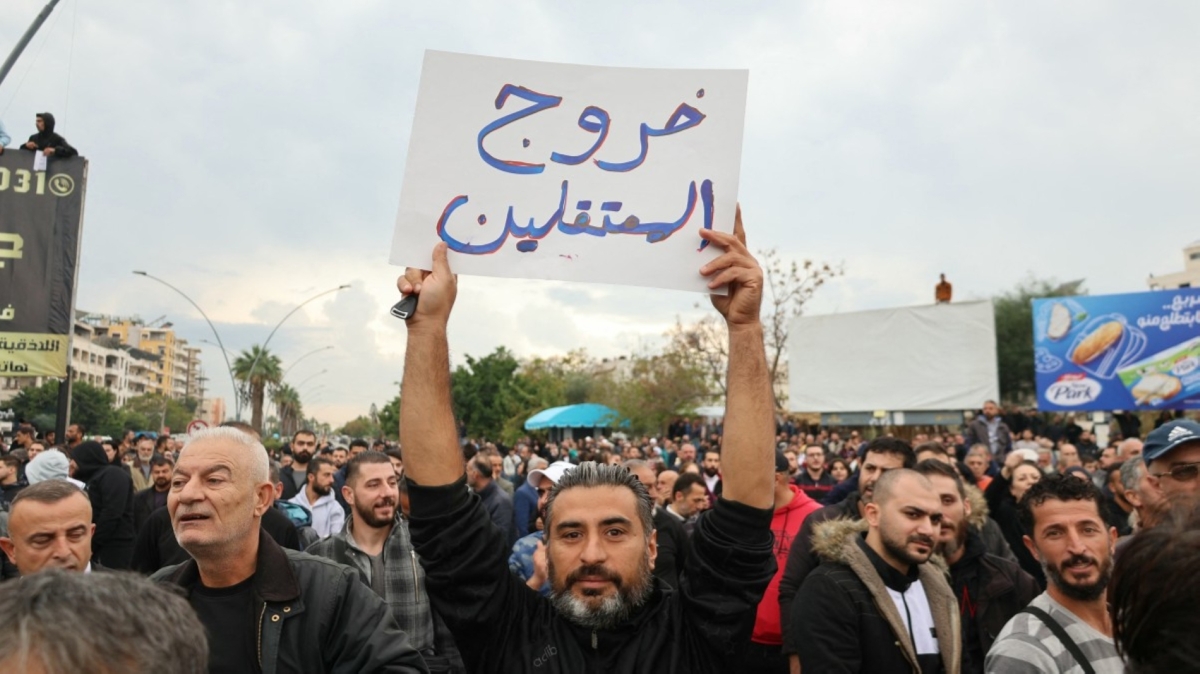

The coastal demonstrations that swept through Latakia, Tartus, Homs and Hama last week may have been small, but what they reveal is far more consequential than their modest turnout suggests.
They were the clearest expression of communal frustration since the transitional authorities assumed power, and a clear signal that the grievances building within Syria’s Alawite heartland have reached a boiling point.
The protests stood out not only for their demands—safety, employment, and fair treatment—but also for how the security forces handled them. Their conduct was widely described as professional, measured and focused on de-escalation. In a country where crowd control has often meant coercion, this was a meaningful shift that deserves recognition.
By allowing the gatherings to proceed rather than suppressing them, the authorities managed to contain the situation. But the calm is fragile. Unless the underlying economic, political, and security pressures that drove people into the streets are seriously addressed, this moment of quiet will not last.
Up against a wall
The demonstrations were sparked by a call from Ghazal Ghazal, head of the newly formed Alawite Islamic Council, who urged peaceful sit-ins to demand an end to violence and push for reform. His call followed retaliatory attacks on Alawite neighbourhoods in Homs by armed men from the Bani Khaled tribe after the killing of a Sunni couple in Zaidal—a crime framed as sectarian. The indiscriminate assault on entire neighbourhoods sent shockwaves through Alawite communities and deepened their sense of vulnerability.
But Homs was the spark, not the reason. For months, Alawite areas have been battered by insecurity: kidnappings, killings and cycles of revenge. At the same time, tens of thousands of Alawites were abruptly dismissed from the security services and civilian institutions after the old regime fell, leaving their families without income or support. Add to this a growing sense of political marginalisation and uncertainty about the direction of the transition.
This was reflected in the banners carried by demonstrators. Some called for safety and accountability and demanded the reinstatement of dismissed employees. Others pushed for administrative decentralisation and federalism. These demands point to a community that does not reject the transition but questions whether it includes them at all.
Restraint on display
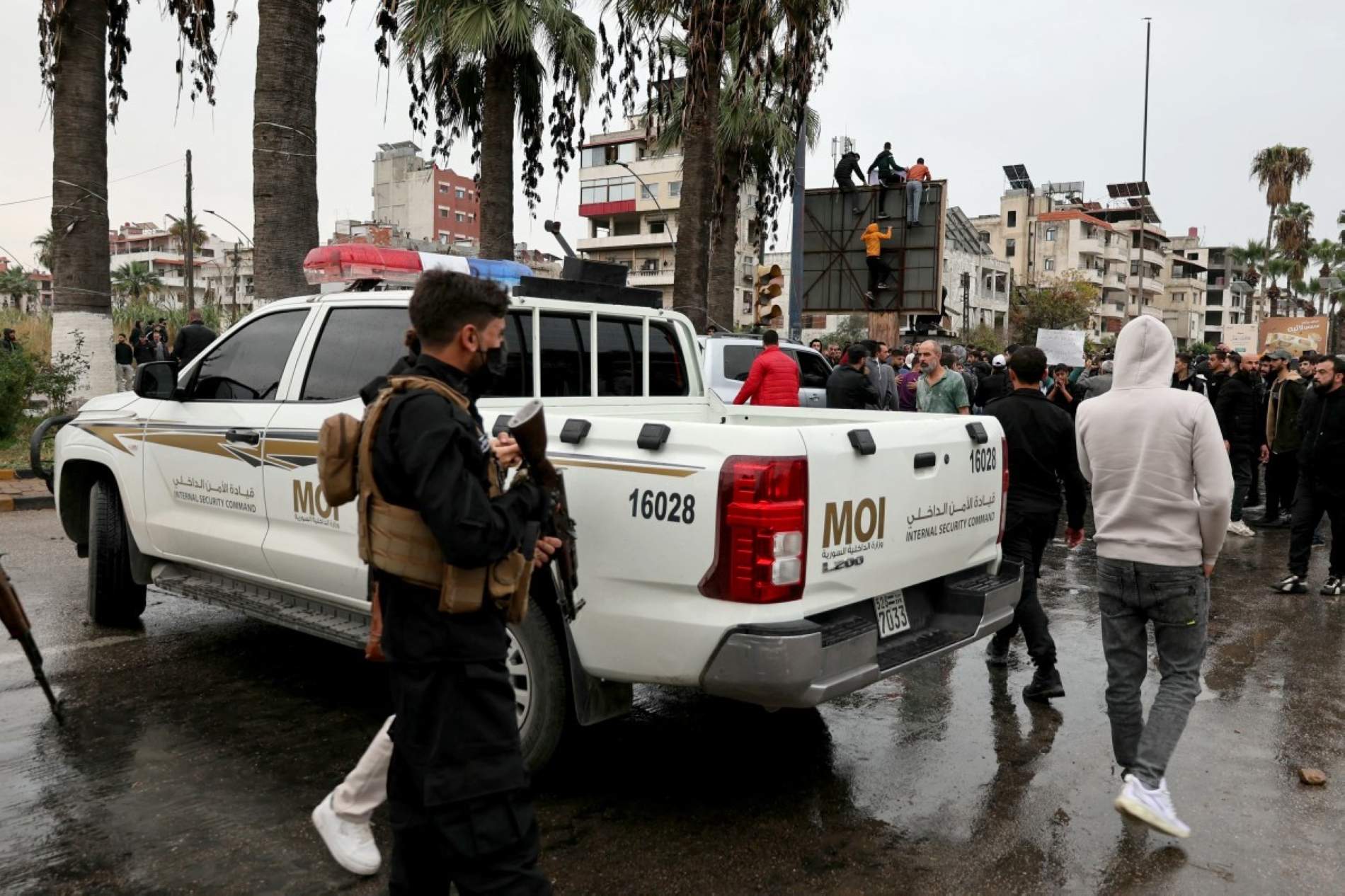
The authorities' handling of the protests stood in stark contrast to the methods of the Assad era. From the outset, they emphasised their commitment to protecting the right to peaceful assembly. That commitment was reflected in the behaviour of the General Security Service. Forces deployed in large numbers but avoided escalation.
They allowed demonstrations to move forward, intervening only when clashes broke out. Residents across Latakia and Tartus described the security forces presence as measured and disciplined, a striking departure in a country where dissent was long met with brute force.
This restraint helped keep the protests—limited in size and mostly short-lived—largely peaceful. Even so, counter-demonstrations in support of the government appeared in several cities, including Tartus, where brief clashes broke out before security forces intervened.
The most serious violence occurred in Latakia, where officials blamed armed groups linked to former regime networks for opening fire and vandalising police vehicles, injuring both civilians and officers. By nightfall, most gatherings had dispersed.