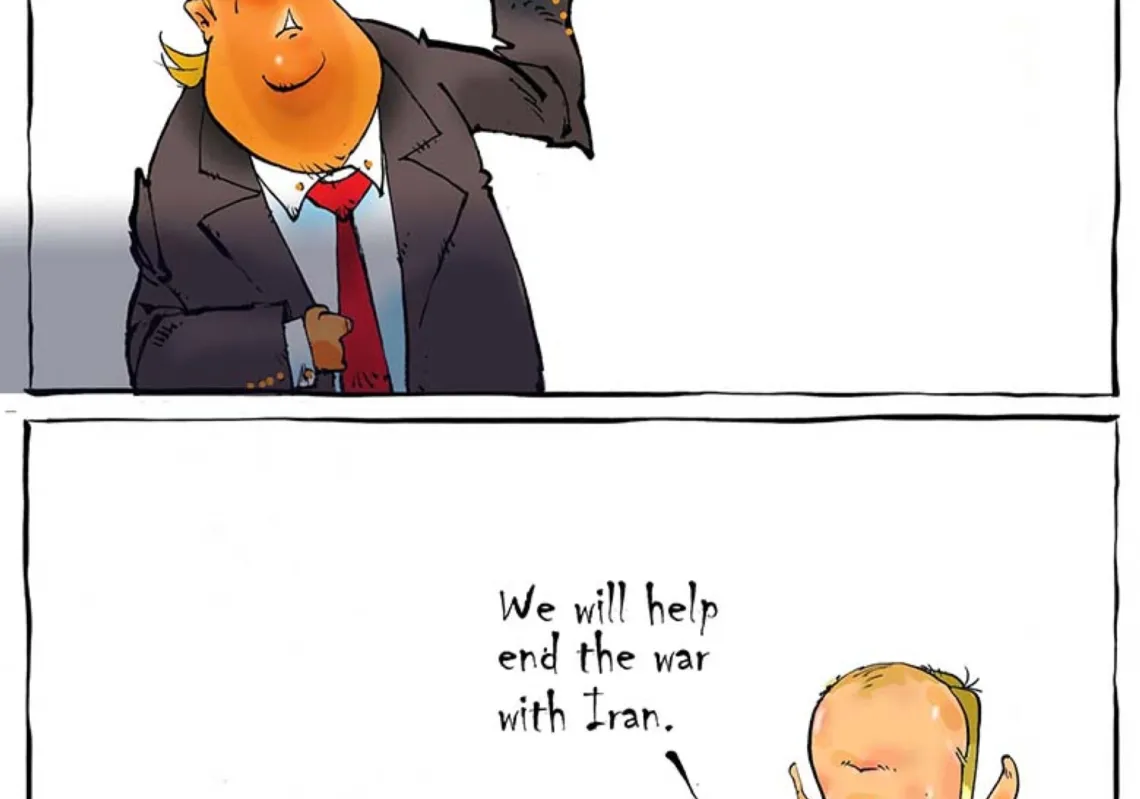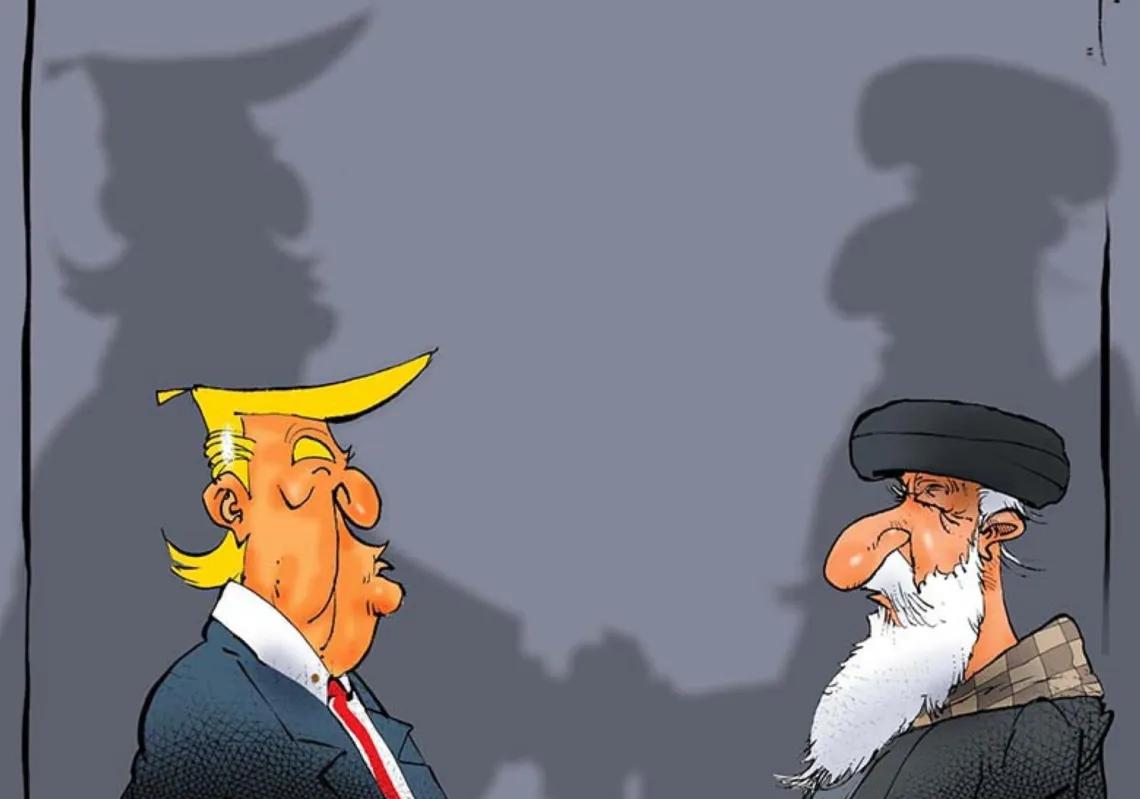
Key US allies, like the UK and France, initially said the US attacks on Iran were unlawful, but after Trump lashed out some are now singing a different tune
The US and Israel carried out strikes across Iran, and Tehran has retaliated by striking US/Israeli assets across the region. Could this turn into the regional war analysts have been warning about?
Military strategists have long warned that war should be waged only if those waging it know what they want to achieve. Herein lies a problem: Washington's war aims in Iran are incoherent.
Quick, in-and-out precision operations that inflict maximum damage with minimum US casualties have long been a favoured tool of US presidents. Is Trump planning one for Iran?
Tehran isn't likely to easily fold if/when Trump attacks. This means that the longer a military confrontation drags out, the more untenable Washington's position becomes.
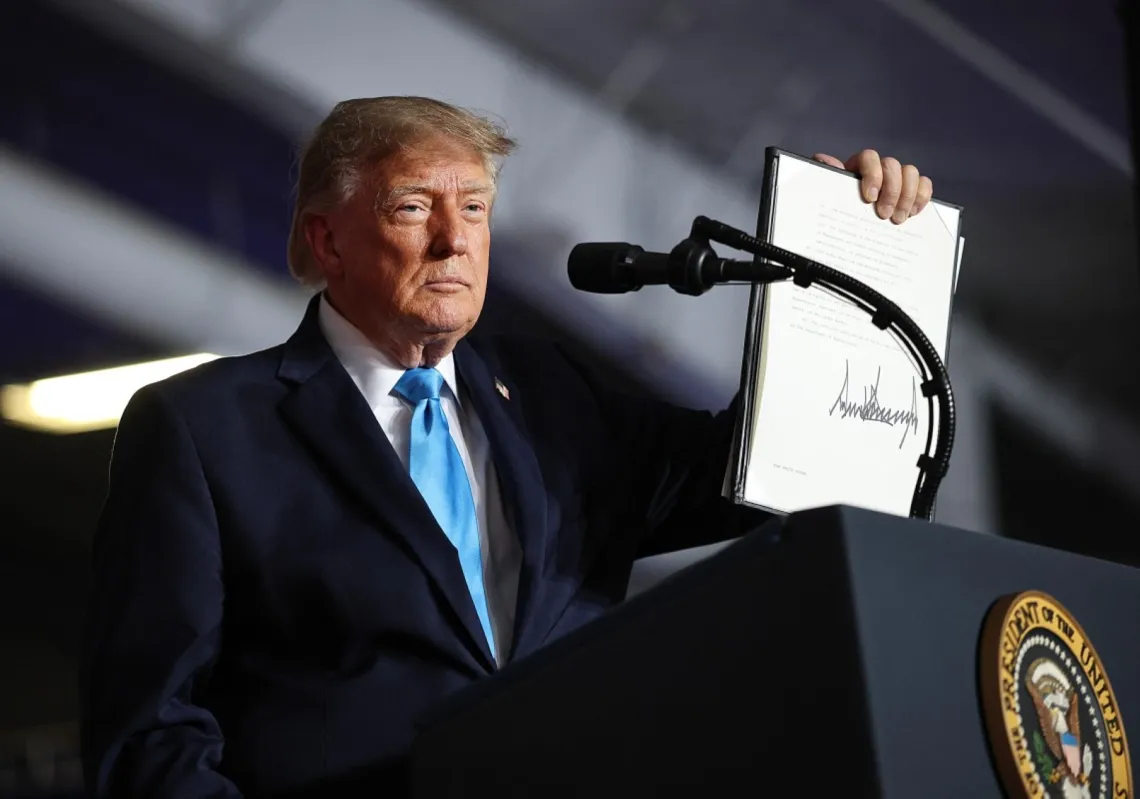
Trump will be wondering if a military confrontation with Iran would help or hurt his dwindling popularity at home, making his decision to strike one of the riskiest bets of his presidency
The transfer of sovereign decision-making to external management structures would inevitably cater to the interests of contributors rather than the Sudanese people
When states are attacked, authority gravitates towards institutions capable of mobilising resources, enforcing discipline, and coordinating a military response
Cairo and Tehran have been at loggerheads since 1979, but the Iranian threat has always acted as a check on Israeli ambitions. If Iran is completely defeated, Israel will reign supreme.
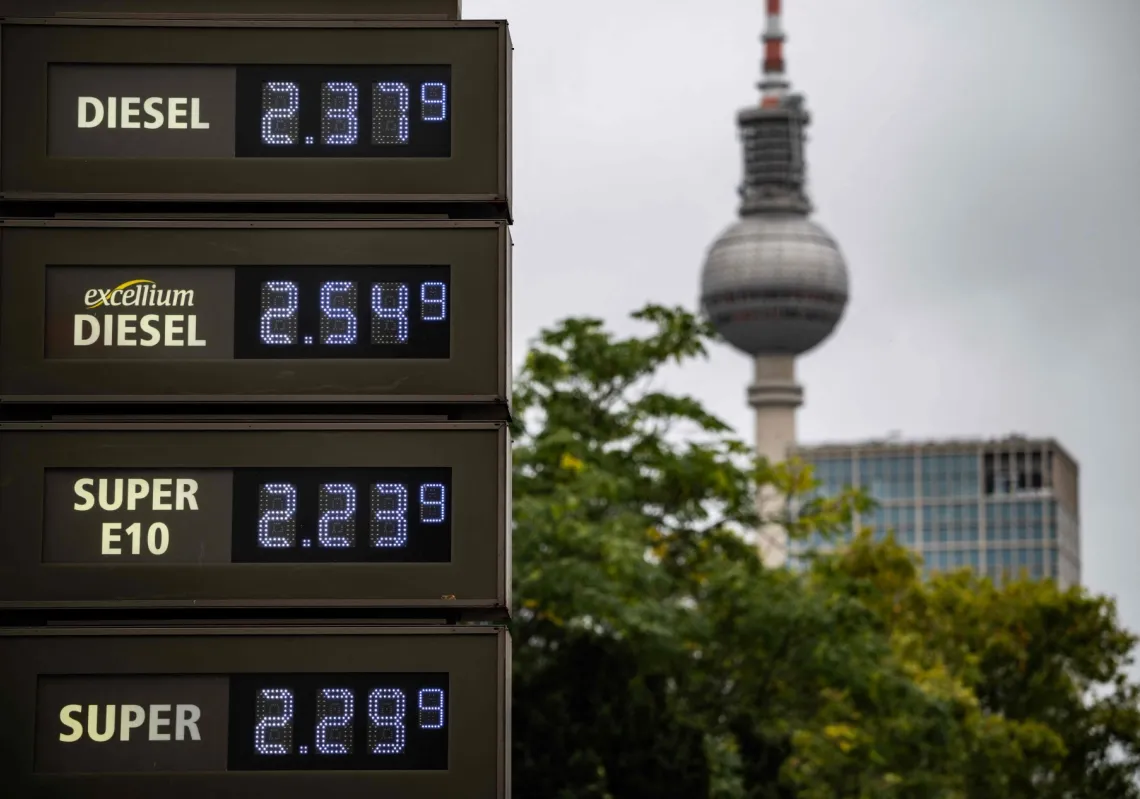
Even if it stays on the sidelines of the US-Iran war, the country is fragile. Unlike larger economies that can absorb shocks in global markets, it has little room to cushion the impact.