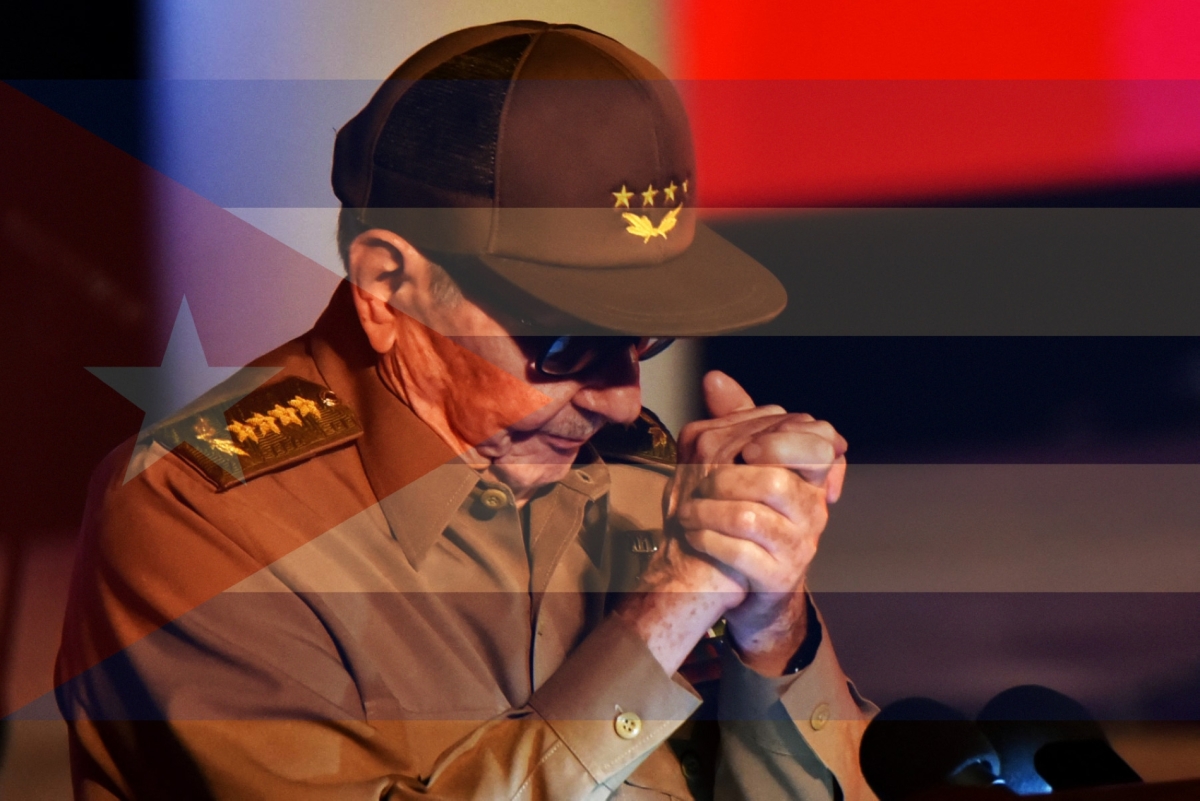

Cuba’s quieter Castro brother, Raúl, built the military and institutional architecture that allowed the revolution to outlast charisma, crisis, and the departure of its founder, Fidel. In recent days, the 95-year-old Raúl returned to the headlines after he was named in a US federal indictment tied to one of the most bitter episodes in recent Cuban history.
In May 2026, the US Department of Justice unsealed charges against Cuba’s former president, along with five co-defendants, over the 1996 shoot-down of two Brothers to the Rescue aircraft. Prosecutors allege that the planes, operated by a Cuban exile organisation, were unarmed civilian aircraft destroyed over international waters. Havana has long framed the flights as provocations against Cuban sovereignty.
Raúl may never sit in a courtroom. He is old, remains in Cuba, and belongs to a political system that has spent more than six decades defining itself against Washington’s reach. Still, the indictment extends beyond the legal file itself. It revives the violence of 1996 while asking whether Raúl should be understood as Fidel’s loyal younger brother, or as the military architect who made the Revolution durable.
The answer is that he was both, though never in equal measure. Fidel was the voice, the myth, the balcony, the interminable speech. Raúl was the organiser of command, the keeper of discipline, the patient builder of institutions. Where Fidel made charisma the language of revolutionary legitimacy, Raúl turned that legitimacy into structures capable of withstanding hunger, isolation, succession and generational fatigue.
Revolutionary discipline
Raúl Modesto Castro Ruz was born on 3 June 1931 near Birán, in eastern Cuba’s Holguín province, into a prosperous rural family of Galician origin. His father, Ángel Castro, was a Spanish immigrant who became a successful sugar farmer. His mother, Lina Ruz, had worked in the household before becoming Ángel’s second wife. The family was not part of Havana’s old political elite, but had enough land, income and social standing to give its children an education far beyond that available to most rural Cubans of the period.
Raúl studied in Santiago de Cuba and Havana where he became involved in student politics. Unlike Fidel, whose political persona developed through law, oratory, and ambition on a grand historical scale, Raúl moved early towards socialist and communist circles. He joined Fidel in the 1953 attack on the Moncada Barracks, was imprisoned, went into exile in Mexico, returned aboard the Granma, and fought in the Sierra Maestra.
From the beginning, he was both brother and subordinate, bound to Fidel by family loyalty, revolutionary discipline, and a shared sense that armed struggle could remake the Cuban state. Raúl’s career was never built on outshining Fidel; it was built on being indispensable to him. In revolutionary Cuba, this made him more than a lieutenant; it made him the second pillar of a system in which personal loyalty, military command, and political survival became inseparable.
State within the state
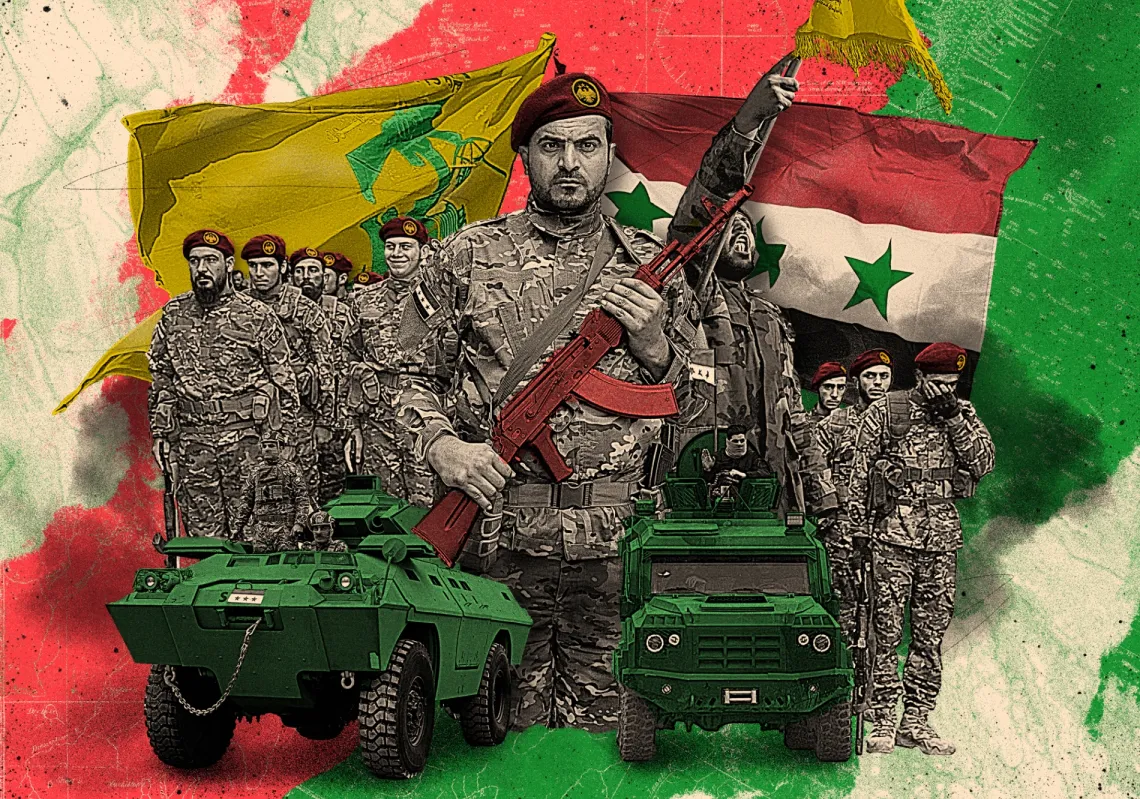
After 1959, Raúl became the head of the Revolutionary Armed Forces, a role that was far from ceremonial. The military became one of the most trusted institutions of the new Cuba, charged with defence against invasion, sabotage and exile militancy, as well as the wider task of protecting a revolutionary project under permanent pressure. Raúl’s central contribution was to professionalise that world without stripping it of ideology.
The Cuban armed forces were not allowed to become a conventional Latin American military caste detached from the political project; they were also more than a partisan militia. Under Raúl, they became disciplined, hierarchical, loyal, and practical. They were trained to defend the island, support revolutionary internationalism abroad, intervene in moments of domestic strain, and later, manage economic assets with a competence often absent elsewhere in the state.
This was the core of Raúl’s political identity. He was not a charismatic mobiliser in Fidel’s mould; he was a revolutionary soldier who believed political continuity required command structures, logistics, obedience, and adaptation. His authority came less from enchantment than from reliability, from being the man who made the machinery work.
Militarisation of crisis
The collapse of the Soviet Union brought that machinery close to breaking point. Cuba lost trade, fuel, credit, supplies, and ideological certainty with devastating speed. What followed was the Special Period, a crisis that extended beyond the economy into legitimacy, daily life, and revolutionary morale. In that emergency, the armed forces moved to the centre of national crisis management.
They had to reduce their own consumption, feed themselves, help feed the country, earn foreign exchange, preserve order, and adapt to a world in which Soviet protection had vanished. Military agriculture, enterprise management, and strategic austerity became part of the state’s response. Raúl’s armed forces were expected to remain ready for defence while also acting as a national reserve of organisation and discipline. This experience casts light on the Cuba that Raúl later governed.