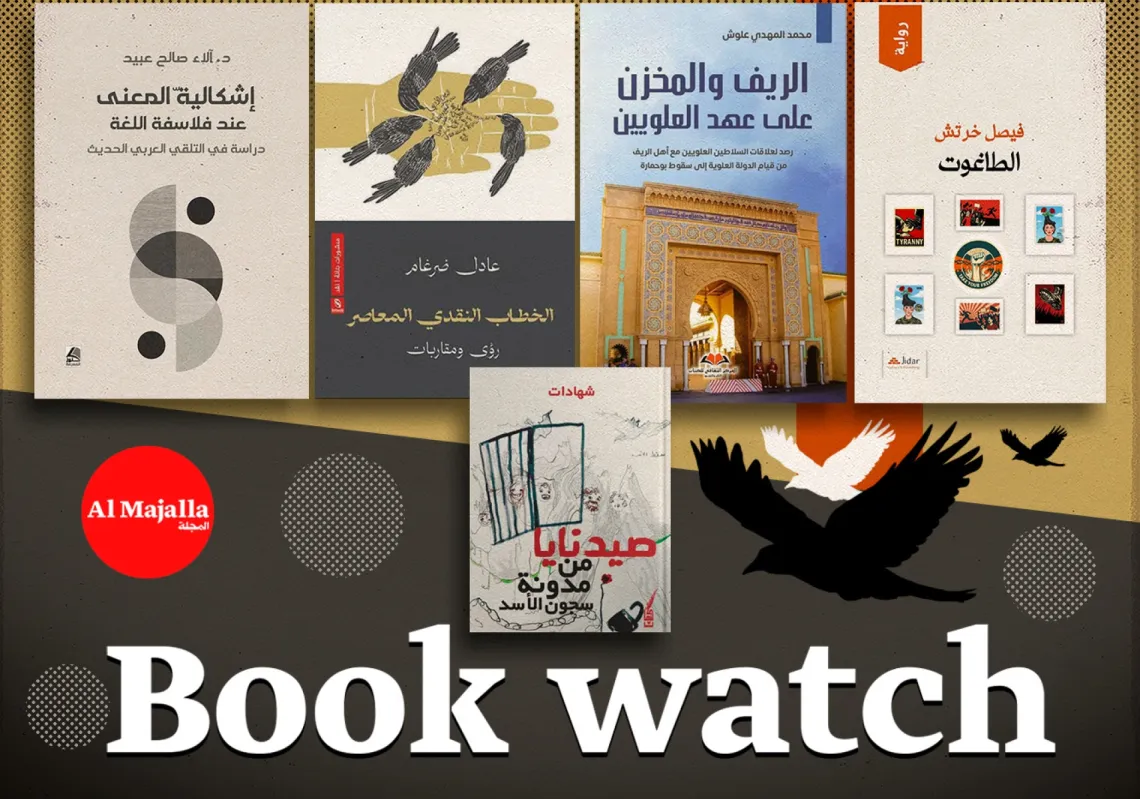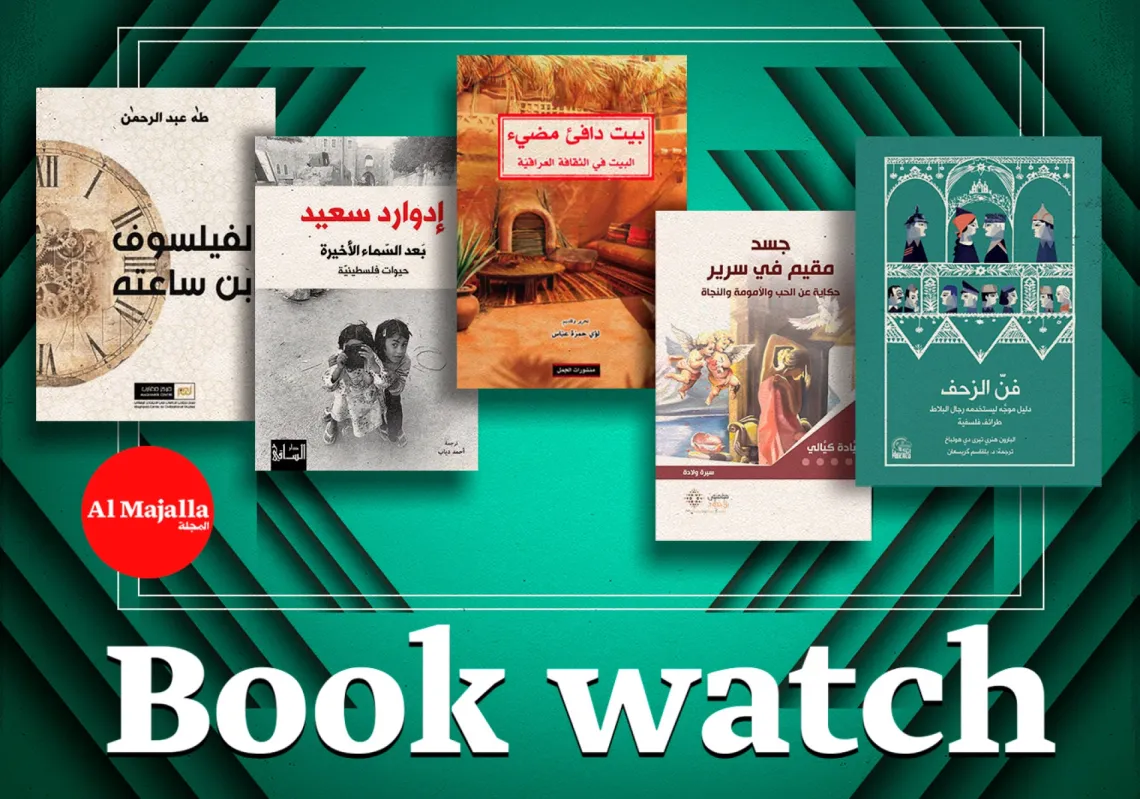

The Arab world has a vibrant and rich literary scene. Al Majalla picks out some choice titles in our fortnightly round-up of the latest Arabic books, which aims to highlight some trends and thinking in the Arab world.
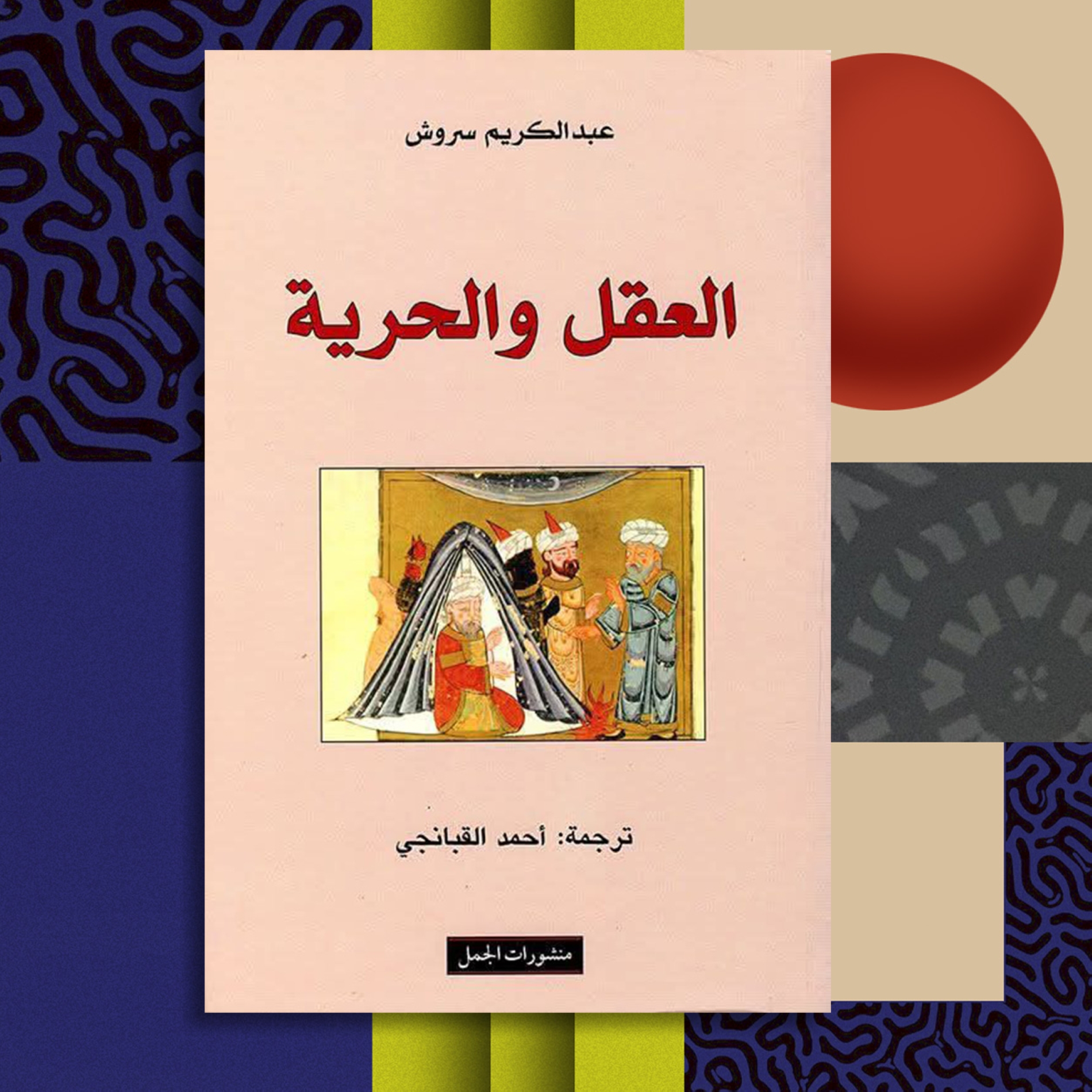
Reason and Freedom
By: Abdolkarim Soroush
Translator: Ahmad Al-Gubbanchi
Publisher: Dar Al-Jamal for Publishing and Distribution, Iraq and Lebanon
This book begins from the central premise that a person’s understanding of reason directly shapes their understanding of freedom. Reason, as presented in the book, is not an entirely independent entity. It may be vulnerable to ideological influence, or it may resist it. In either case, this determines the nature and limits of the human understanding of freedom.
From this premise, author Abdolkarim Soroush examines whether reason can produce independent knowledge or whether it is always formed within prior intellectual and cultural contexts that shape, restrict, or influence it. In this way, the book addresses questions of rationality, freedom, religion, and prophecy. Furthermore, it seeks to rethink the relationship between these concepts within a modern Islamic context.
Soroush does not offer answers so much as raise questions that encourage readers to reconsider their assumptions. At the heart of the book is an interest in the role of religion in the public sphere and in how religious faith might be reconciled with the principles of individual freedom without creating a contradiction between religious authority and the demands of critical reason.
The book is rooted in a more flexible conception of religious thought—one that allows engagement with modern intellectual transformations without losing its spiritual character. It rests on distinguishing between the essence of religious experience and the changing historical interpretations that accompany it, as well as between what is fixed and what is variable in the understanding of texts and concepts.
Soroush lands his work at the centre of contemporary debates on religious reform and the possibilities of renewal within Islamic thought. The author seeks to connect theory with the reality of Islamic societies, where questions of freedom intersect with issues of power, knowledge, and interpretation. The book also examines the limits of freedom in a space contested by religious and intellectual frameworks.
The issue of reconciling modernity with religious traditions has become increasingly urgent, so the work hits on a hot topic. Soroush’s book seems to suggest that the renewal of religious thought will not happen without reconsidering the tools of understanding themselves, foremost among them the concept of reason as it has been shaped through history.
From this perspective, the debate over freedom is not merely political or rights based. It is also an epistemological and philosophical debate, tied to the production of meaning and the movement of interpretation.
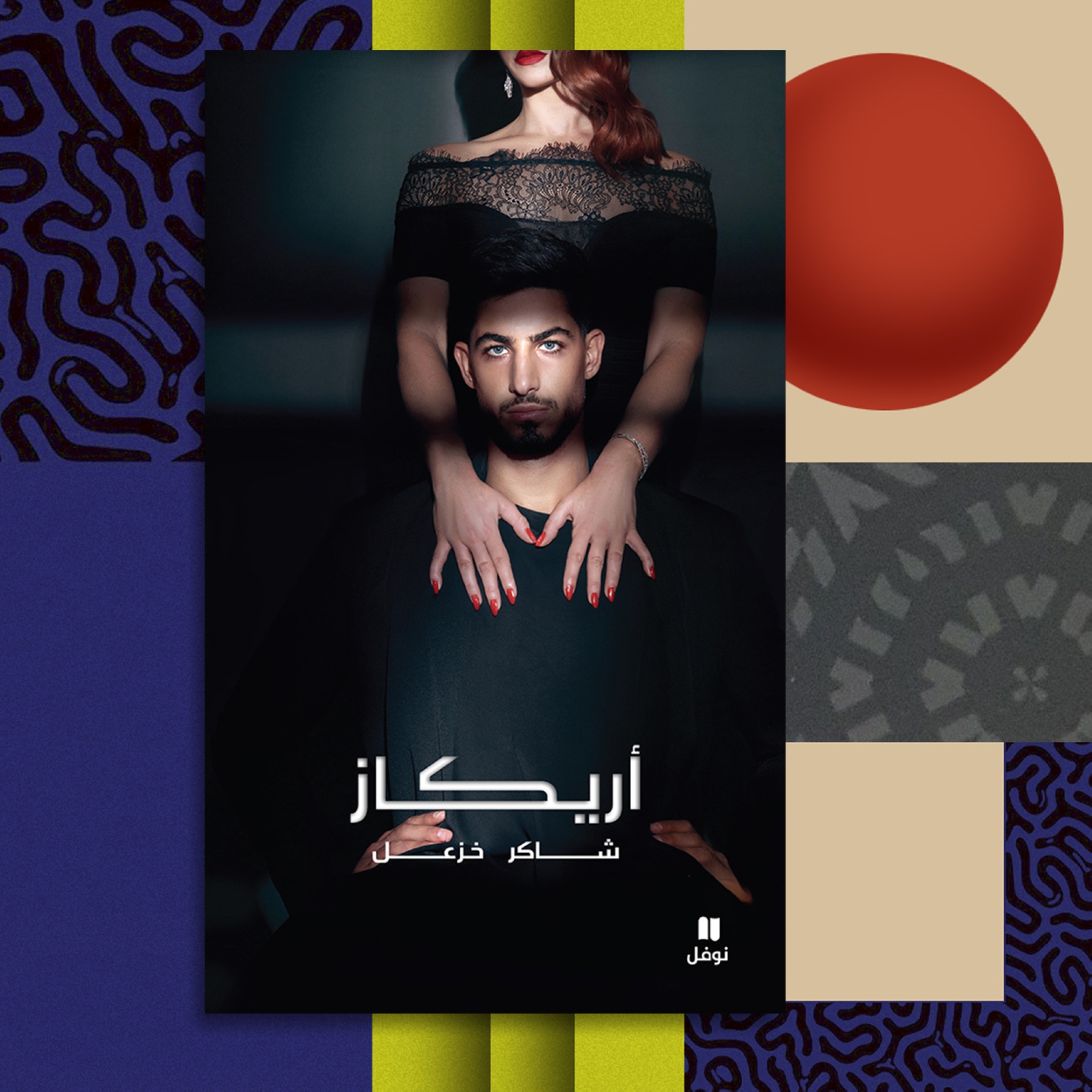
Arikaz
By: Chaker Khazaal
Publisher: Nofal, Hachette Antoine, Lebanon
Set in the late 2040s, Chaker Khazaal’s Arikaz presents a future in which technology intersects with memory. In this complex scientific and psychological landscape, concepts such as love, truth, and identity are reshaped and redefined.
Sweeping transformations caused by a cyber pandemic have destroyed much of the world’s digital infrastructure and altered the global balance of power. Amid the devastation, Sharif, a modest young Lebanese man, is drawn into a scientific experiment led by a company called Arikaz that seeks to recover human memory and rebuild it entirely from scratch.
Under the supervision of the neuroscientist Dr Jenny Atkinson, Sharif embarks on a journey into his own memory, reaching back to the earliest moments of his life. Yet what is revealed to him extends far beyond individual experience, uncovering a web of complex human and political relationships. At its centre is the love story between his mother, Nour, a Lebanese woman accused of espionage, and his father, Nadav, an Israeli professor, amid deeply fraught conflicts of identity and politics.
The novel explores the possibility of controlling human consciousness and the limits of technological intervention in shaping the human being. Here, Arikaz reveals the fragility of truth in a world where memories can be altered, erased, or reassembled. Human identity itself is vulnerable to constant change and endless stages of formation.
Although the novel belongs to the science fiction genre, it is also political and psychological. Themes of love, memory, and conflict overlap within a narrative structure centred on the relationship between the individual and technology, and between the past and its renewed digital production. The future moves beyond the technical towards a deeper human inquiry into meaning, choice, freedom, and the limits of each in a world being ceaselessly shaped by technology.
Arikaz is a new addition to the Arabic sci-fi stable, blending technological imagination with existential questioning. It opens a contemplative horizon on the future of humanity in a world where the capacities to control memory and shape reality are accelerating.
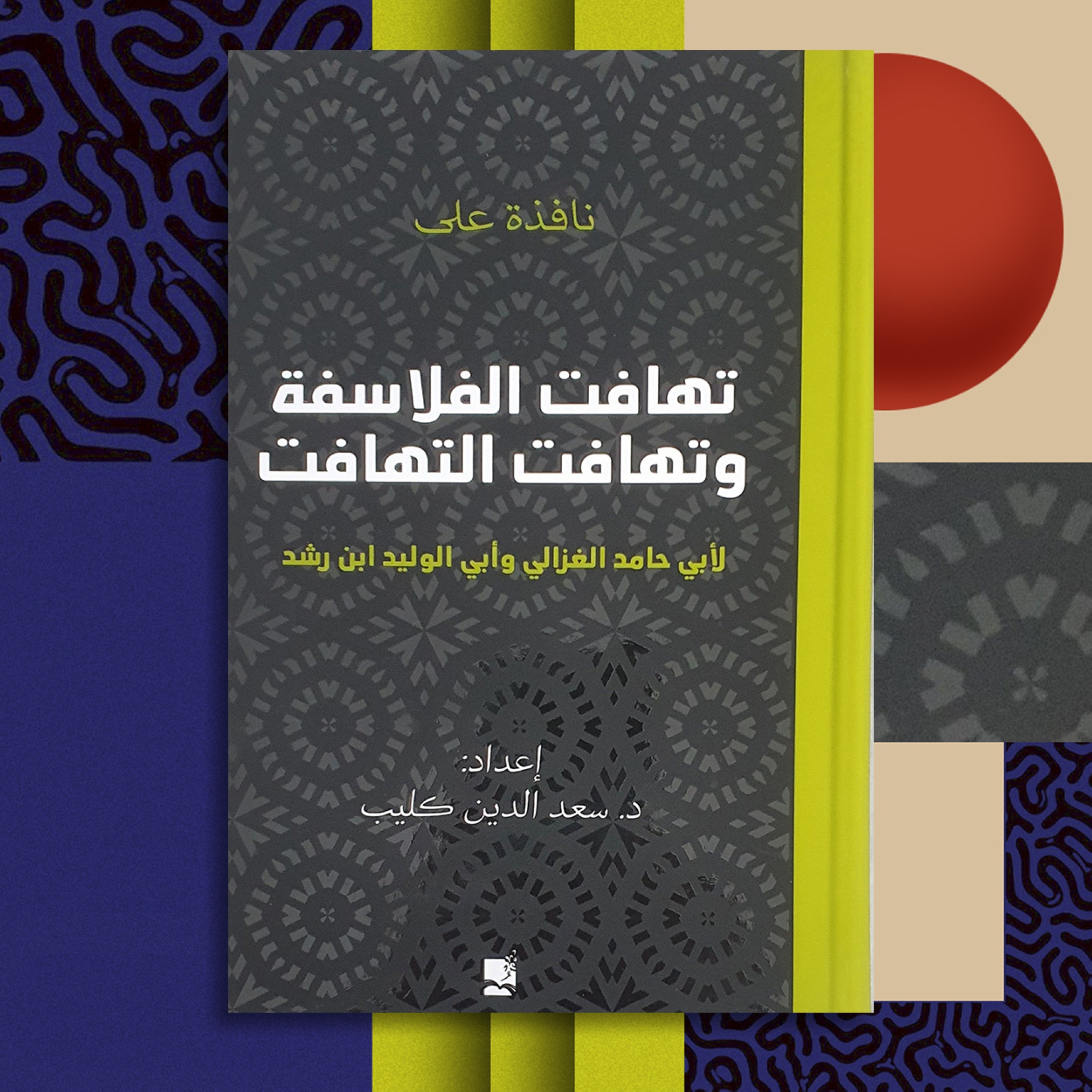
A Window into al-Ghazali’s 'The Incoherence of the Philosophers' and Ibn Rushd’s 'The Incoherence of the Incoherence'
Compiled by: Dr Saad al-Din Kulayb
Publisher: Dar Al Muheet Publishing, United Arab Emirates
This is a contemporary reading of one of the most important philosophical debates in the Islamic intellectual tradition: the encounter between Abu Hamid al-Ghazali's The Incoherence of the Philosophers and Ibn Rushd's The Incoherence of the Incoherence.
The book re-engages with the major questions that have shaped the relationship between philosophy and religion, reason and transmitted authority, and the possibilities of human knowledge. It begins by deconstructing this classical controversy as an ongoing intellectual problem, both in the reception of philosophy within Arab culture and in ongoing debates over rationality and the legitimacy of philosophical thought.
From this perspective, Kulayb takes the two Incoherence texts as an entry point to a broader reading, one that moves beyond the original works towards the intellectual structure that governed the conflict between two major currents of knowledge. Kulayb does not simply present or summarise the two positions; rather, he places them within their polemical context, highlighting the nature of al-Ghazali’s objections to the philosophers and Ibn Rushd’s responses, which sought to defend philosophy and restore the status of demonstrative reason within the Islamic intellectual system.