US-China summit: this time, Xi sets the agenda

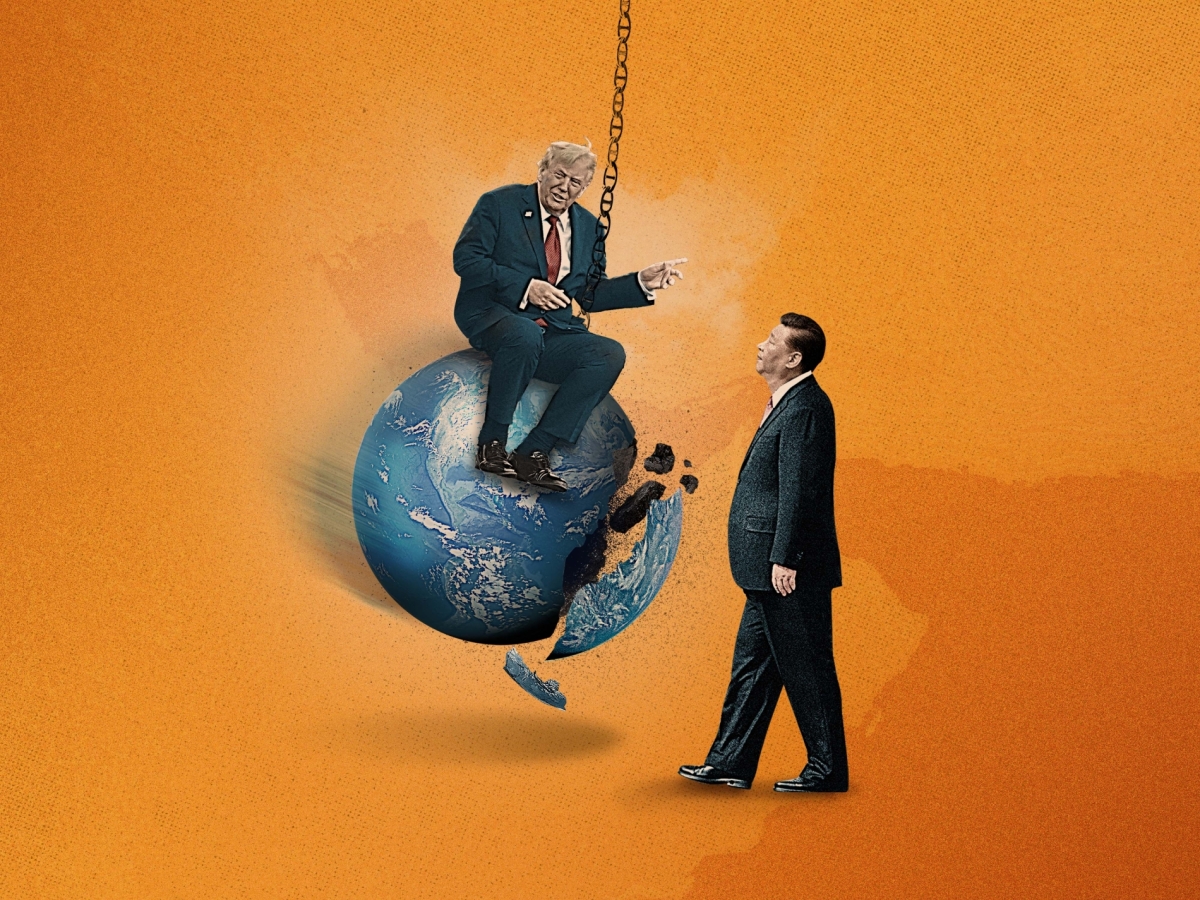
Washington and Beijing have much to discuss during Donald Trump’s visit. As they meet, both presidents will find that they are playing with different hands.

Eduardo Ramon

US-China summit: this time, Xi sets the agenda

There are two political clocks running in Beijing this week, and they are not synchronised. Chinese President Xi Jinping's is counting down to the autumn of 2027, when the 21st Party Congress will likely confirm his fourth term but force him to choose a successor, which he has so far refused to do. US President Donald Trump’s is counting down to November 2026, when American voters will decide whether to send Democrats to the House of Representatives, which could lay the groundwork for his impeachment.

The two leaders meeting today (14 May) need their summit to deliver stability. But there is an asymmetry to their domestic political horizons, with Xi preparing for a Congress 18 months away while Trump is bracing for an election in just six months’ time. This could be the most important factor underlying their face-to-face in the Chinese capital. In a way, everything else is choreography.

Xi, 72, requires external stability to manage a generational personnel turnover, the question of an unresolved succession, and a deflationary economy carrying up to $15tn in hidden local-government debt. Trump’s approval rating on inflation sits at 30%, and on tariffs, it is at 38%, with six special-election swings averaging 15 points toward the Democrats. Both men need positive achievements.

Neither can afford to stir a major US-China upheaval, so their summit will produce deliverables, but is unlikely to reset the bilateral relationship. That matters because Washington still sees big US-China meetings through the lens of the 1970s, when US President Richard Nixon and his chief envoy, Henry Kissinger, flew to China and set a template for great powers to trade strategic concessions. That template no longer applies. On offer in Beijing will be specific, nuanced bargains.
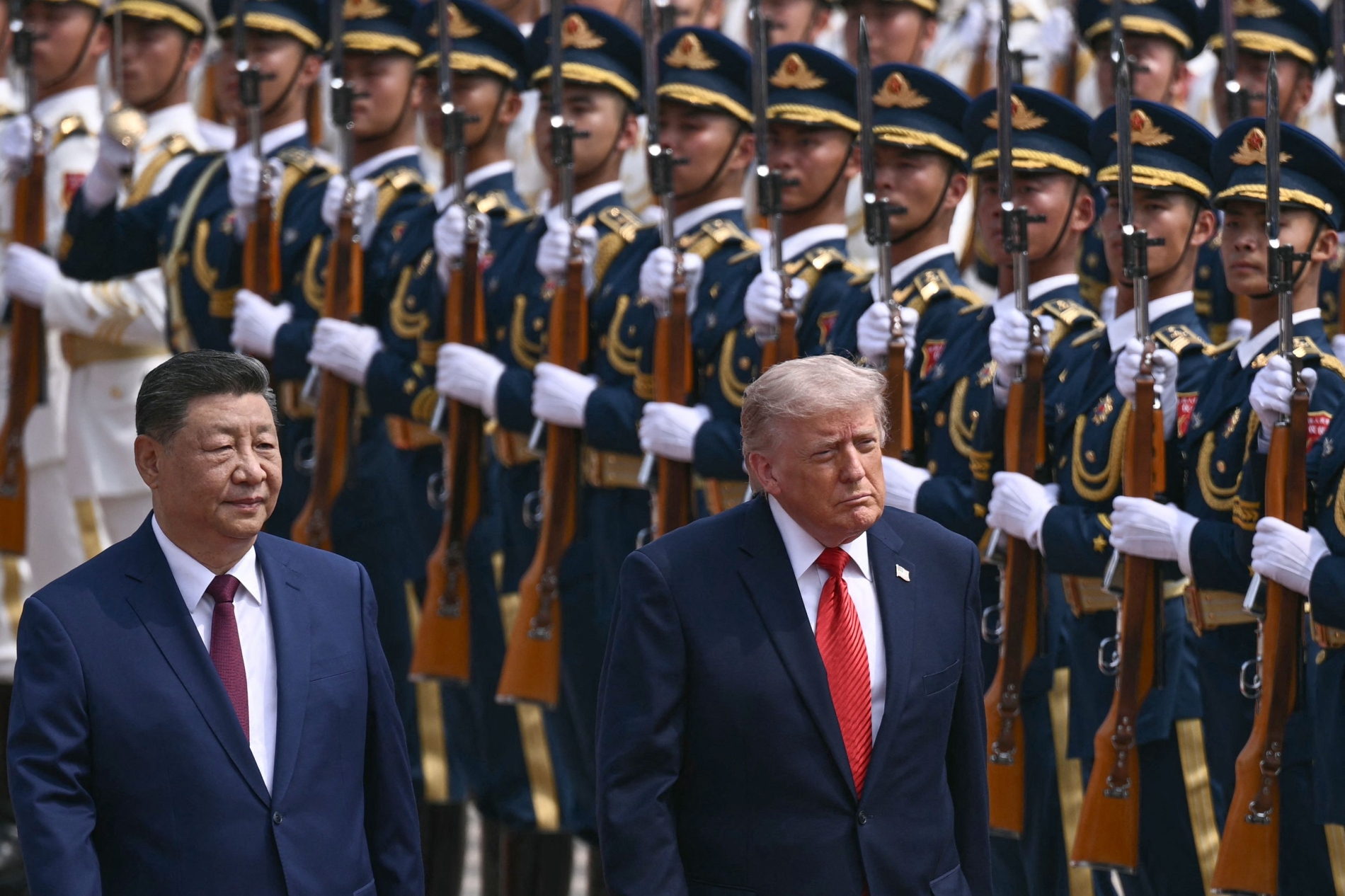
Brendan SMIALOWSKI / AFP
US President Donald Trump (R) and China's President Xi Jinping (L) inspect a guard of honour during a welcome ceremony at the Great Hall of the People in Beijing on 14 May 2026.

What they want

Xi’s priorities are domestic and sequential. The 15th Five-Year Plan, released this spring, will guide resource allocation through to 2030 and offer a legitimacy credential that Xi will carry into the 21st Party Congress. Its drafting coincides with Xi having to rebuild the top echelons of the People’s Liberation Army (PLA) and China’s diplomatic service simultaneously, after several high-profile figures were removed from power.

Personnel reconstitution on this scale cannot be conducted alongside a high-intensity external struggle, so Xi meets Trump seeking predictability, not escalation. Trump’s priorities are electoral and imminent. A Democratic House from November could reinstate impeachment prospects and shut down Trump’s legislative agenda for the second half of his four-year term.

With the Strait of Hormuz still closed and global oil prices still rising, Trump needs visible foreign-policy wins, not least to boost his voter-pleasing tariff and reindustrialisation agenda. He also needs energy prices to fall soon, while images of him at a state dinner and in the Great Hall of the People will, he hopes, show him looking statesmanlike. In short, for his White House team, this summit needs to be framed as a mid-term asset, rather than a contentious political showdown.

Beijing has the longer clock but not necessarily the stronger hand. Since Trump’s last state visit to Beijing in 2017, the US economic position has substantially strengthened relative to China’s. Trump will feel emboldened by that, but he must extract deliverables before he leaves, which he will. The question is: what is he willing to offer to Beijing?
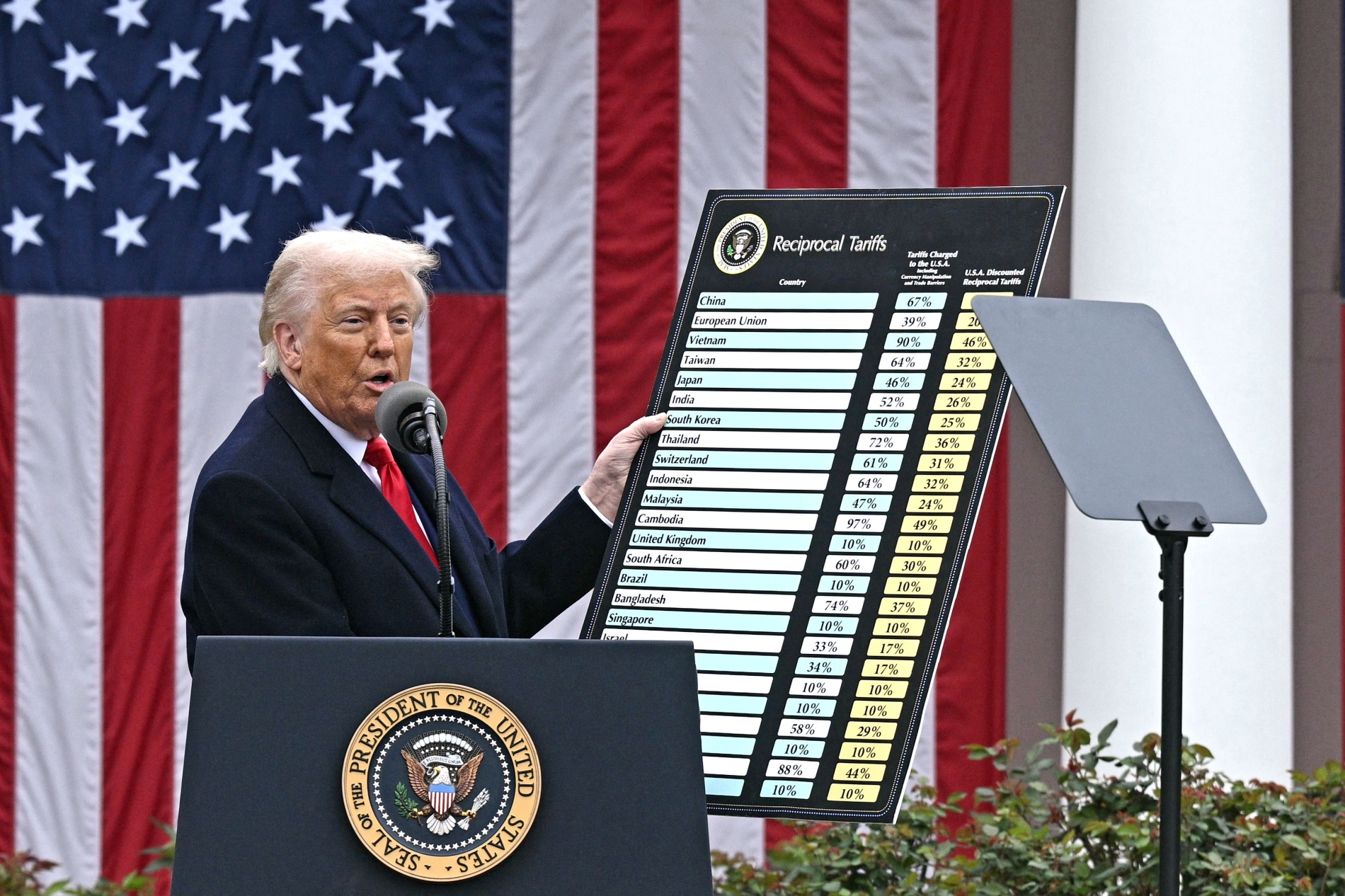
Brendan Smialowski/AFP
US President Donald Trump delivers remarks on reciprocal tariffs during an event in the Rose Garden entitled "Make America Wealthy Again" at the White House in Washington, DC, on 2 April 2025.

Tariff threat

The single most consequential development since the trade truce in Busan in October 2025 is one that neither leader will openly mention in Beijing. On 20 February, the US Supreme Court ruled 6-3 that the International Emergency Economic Powers Act that Trump used to impose many of his tariffs does not authorise him to do so. This invalidated, for instance, the 10% fentanyl tariff and the 10% reciprocal tariff on Chinese goods, reducing the trade-weighted average tariff rate on China from 36.8% to 29.7%.

The ruling did not end everything. Section 301 duties from the first Trump term remain, as do Section 232 sectoral tariffs on steel, aluminium, vehicles, and semiconductors. But the China-specific top-up that gave Trump his negotiating leverage at Busan last year is gone, and the numbers are stark. Following the Supreme Court ruling, the trade-weighted average US tariff on all imports fell overnight, from 15.3% to 8.3%.

Trump responded by imposing a 10% global tariff under Section 122 of the Trade Act, but this is a diminishing asset. It is capped at 15%, expires after 150 days (unless Congress extends it), and, most importantly, cannot target China specifically. The administration has opened new Section 301 investigations into Chinese excess capacity, but this can take up to 12 months and requires evidentiary findings.

Trump, therefore, arrives in Beijing without the tariff threat that produced the Chinese concession, and his alternative instruments are far from apparent. By contrast, Xi’s negotiators arrived in Busan last year facing the possibility of 125% tariffs. Trump’s primary economic weapon has now been judicially disarmed, and his backup plan could take another nine months, so the situation is notably different. Few doubt that the threats will disappear, but they have been largely defanged.
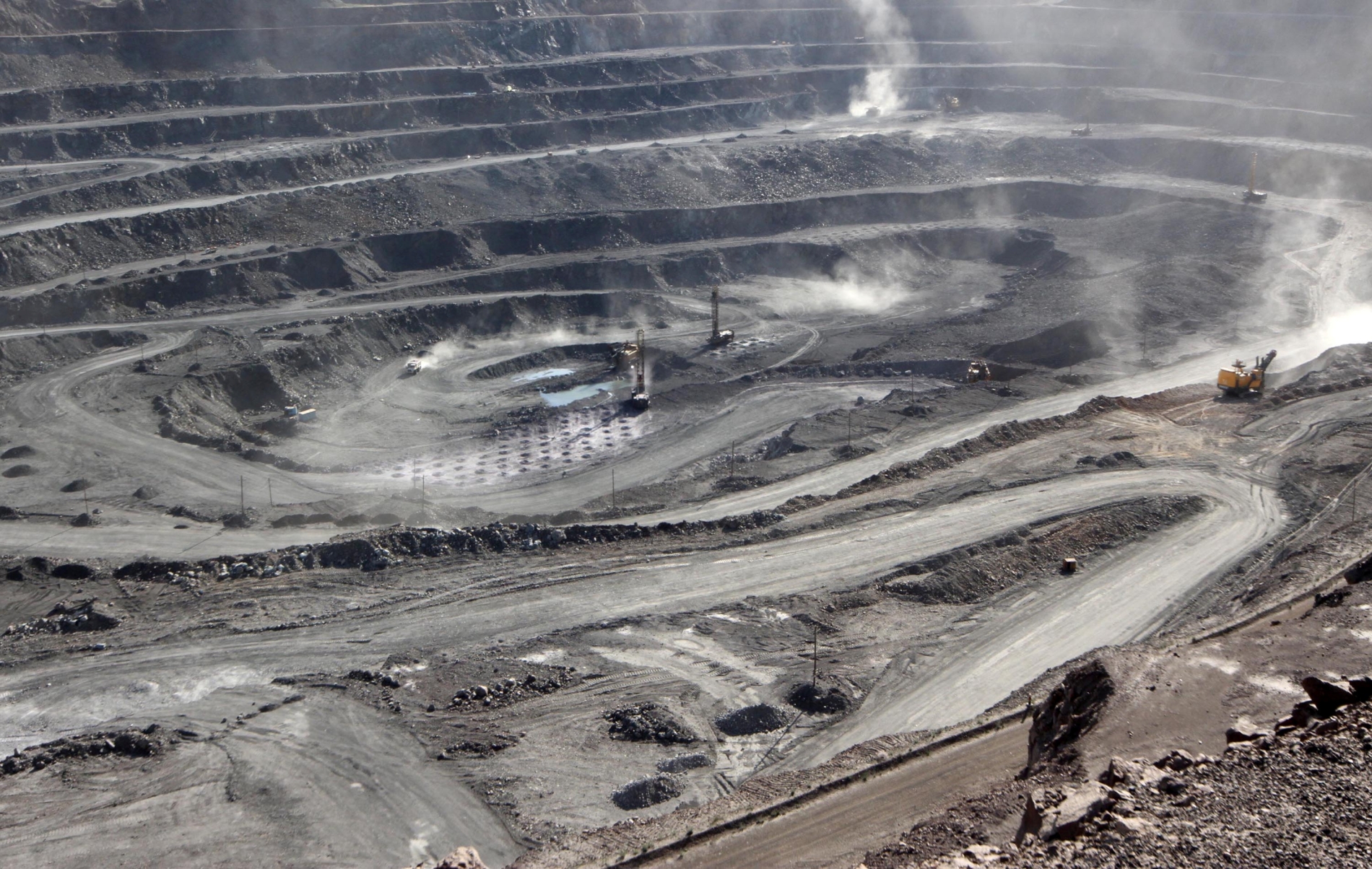
Reuters
Miners are seen at the Bayan Obo mine containing rare earth minerals, in Inner Mongolia, China, on 16 July 2011.

In this climate, Beijing may not be as quick to offer rare-earth concessions as it was last year, or to provide ornamental relief without substantial US commitments. China knows that Washington needs the minerals it has for its most sensitive and strategic technologies, so export controls are important. Additionally, the White House will not want Beijing to initiate anti-monopoly proceedings against US firms. Meanwhile, the Blocking Rule invoked against US sanctions on Chinese oil refiners is still in focus.

The Iran inversion

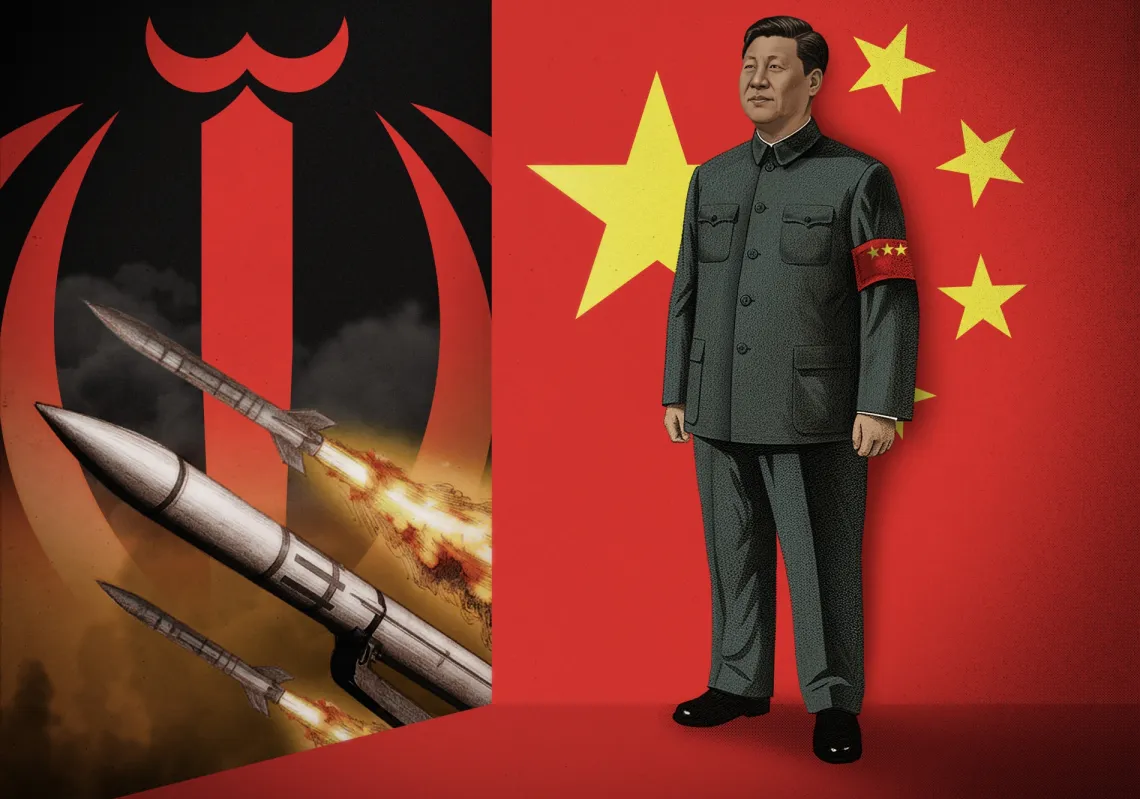
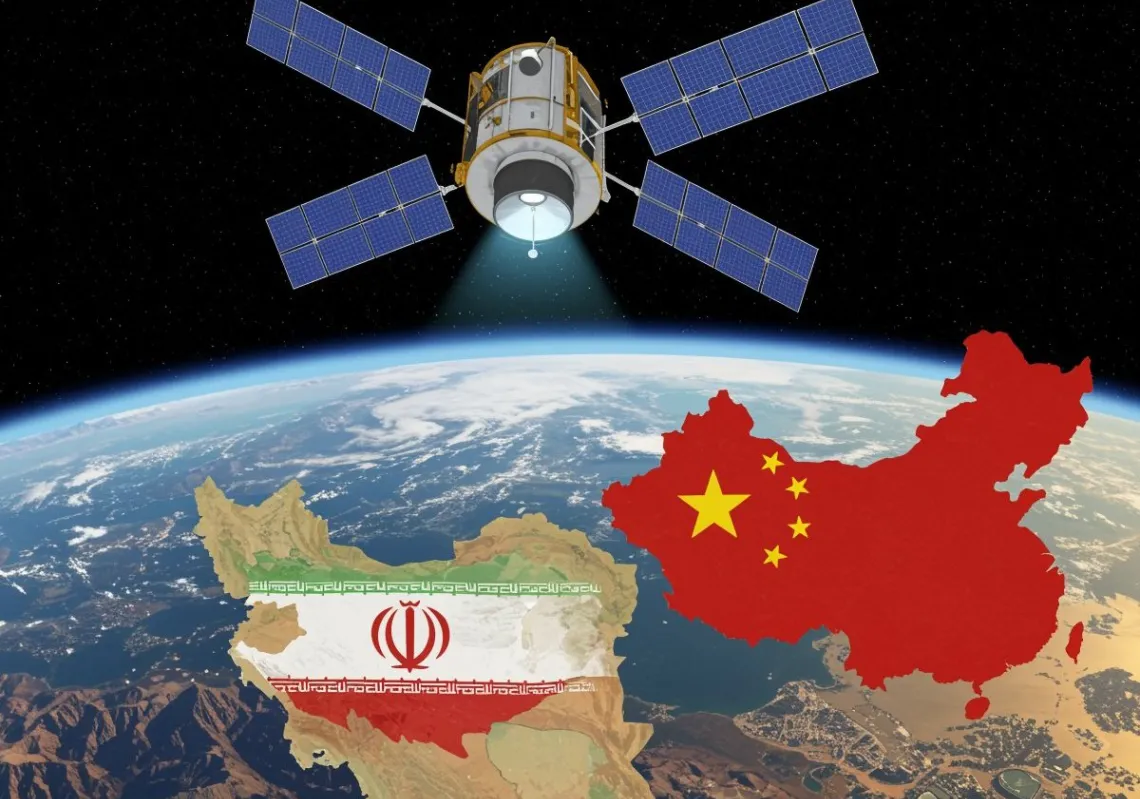
The US-Israeli war on Iran, which led to Trump’s meeting with Xi being postponed earlier this year, is a foreign policy sore that has not yet healed. Iranian military retaliation against its attackers has effectively closed the Strait of Hormuz to commercial traffic, while the US Navy is intercepting tankers headed for Chinese ports in its own form of blockade, setting the stage for the biggest oil supply shock since 1973. As the world’s biggest oil importer, this will be near the top of Xi’s agenda.

Yet the Chinese president is no hostage to fortune here. Iran is a Chinese ally and one of its biggest sources of oil, yet it is also far from beaten, after six weeks of bombardment. Instead, it is Trump who feels the need to negotiate via Pakistan. Fuel prices at American forecourts could affect votes in November if he cannot reopen the strait soon. With his tariff sword sheathed, Iran no longer serves as his secondary leverage.

China is the diplomatic patron that Iran has historically leaned on. Beijing can offer Tehran what Moscow and others cannot: a guarantee of continued oil revenue at scale, settled outside the dollar system, and defiance of American sanctions through its newly invoked Blocking Rules. Chinese Foreign Minister Wang Yi received Iranian counterpart Abbas Araghchi in early May, shortly before China’s first-ever invocation of its 2021 Blocking Rules against US sanctions on five Chinese refiners.
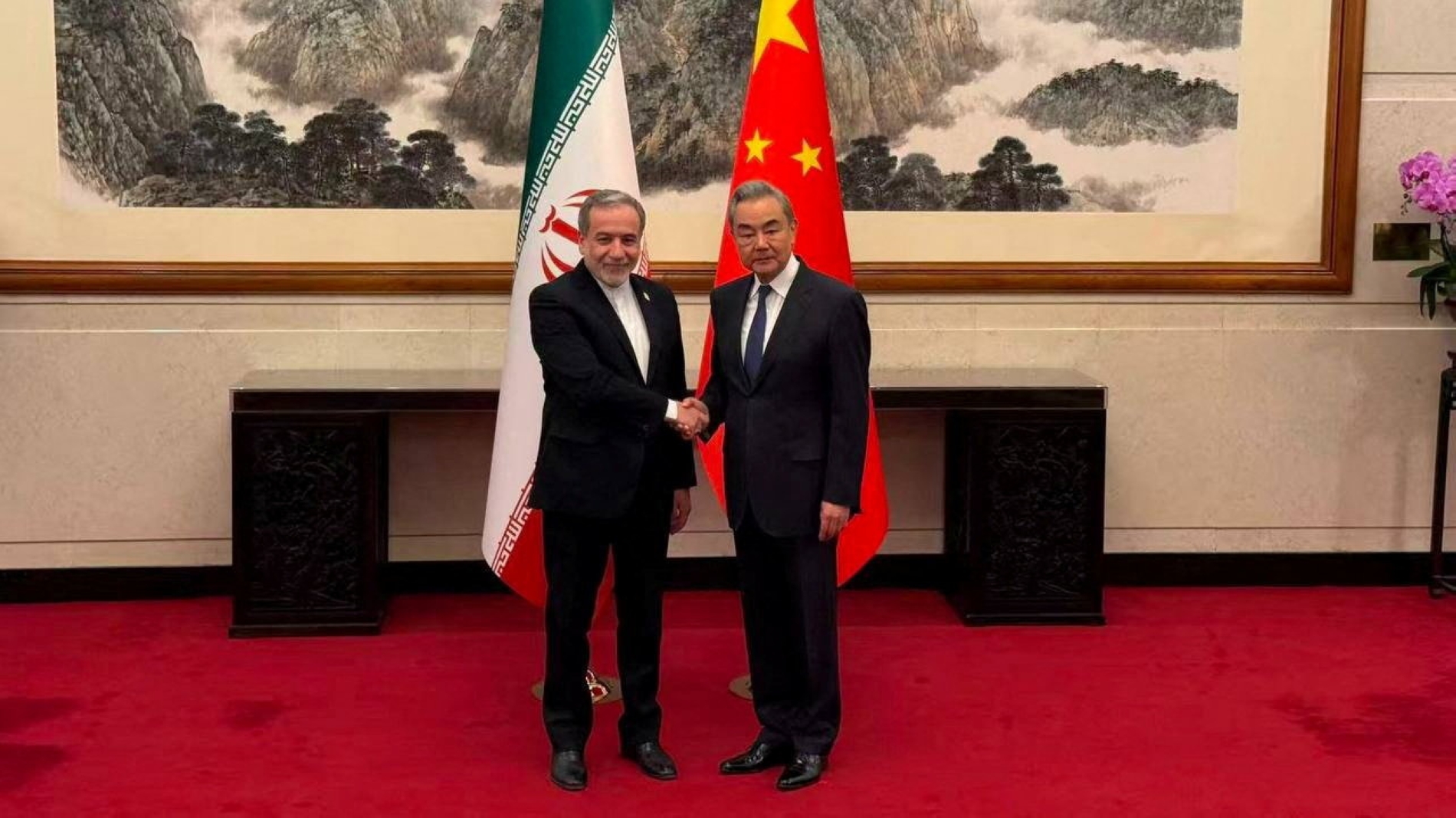
Seyed Abbas Araqchi via Telegram/ REUTERS
Iranian Foreign Minister Abbas Araqchi meets with Chinese Foreign Minister Wang Yi in Beijing, China, in this handout image released on 6 May 2026.

China could leverage its influence with Tehran to support a phased reopening of Hormuz if the US lifts or narrows secondary sanctions on Chinese refiners, shipping insurers, and port operators dealing with Iranian crude. Beyond that, though, Trump and Xi are not expected to discuss Iran in detail, including its nuclear programme, war reparations, or Chinese arms transfers to Tehran.

Interests and positions

A functioning Strait of Hormuz is in Beijing’s national interest; nearly half its crude imports come from the Middle East. It is also in China’s interest that secondary sanctions on Chinese entities are conditional, not absolute. If Washington were to drop these, it would be strategically valuable to Beijing, perhaps more so than anything else.
The Kissinger template, in which great powers trade strategic concessions, no longer applies. On offer in Beijing will be specific, nuanced bargains.

The US, by contrast, has three priorities: the reopening of Hormuz (to bring oil prices down before the midterms), extracting the US from its Middle East quagmire, and preserving the secondary sanctions framework against Chinese entities that took years to build. The first two point toward concessions; the third points toward confrontation. Trump will have to choose which to sacrifice.

A joint statement on the Middle East is unlikely to include specifics but may mention the desirability of reopening the Strait of Hormuz to commercial navigation. Alongside that, some expect to see the gradual retreat of America's naval presence in the region, followed by quiet American adjustments to sanctions perimeters.

Reuters
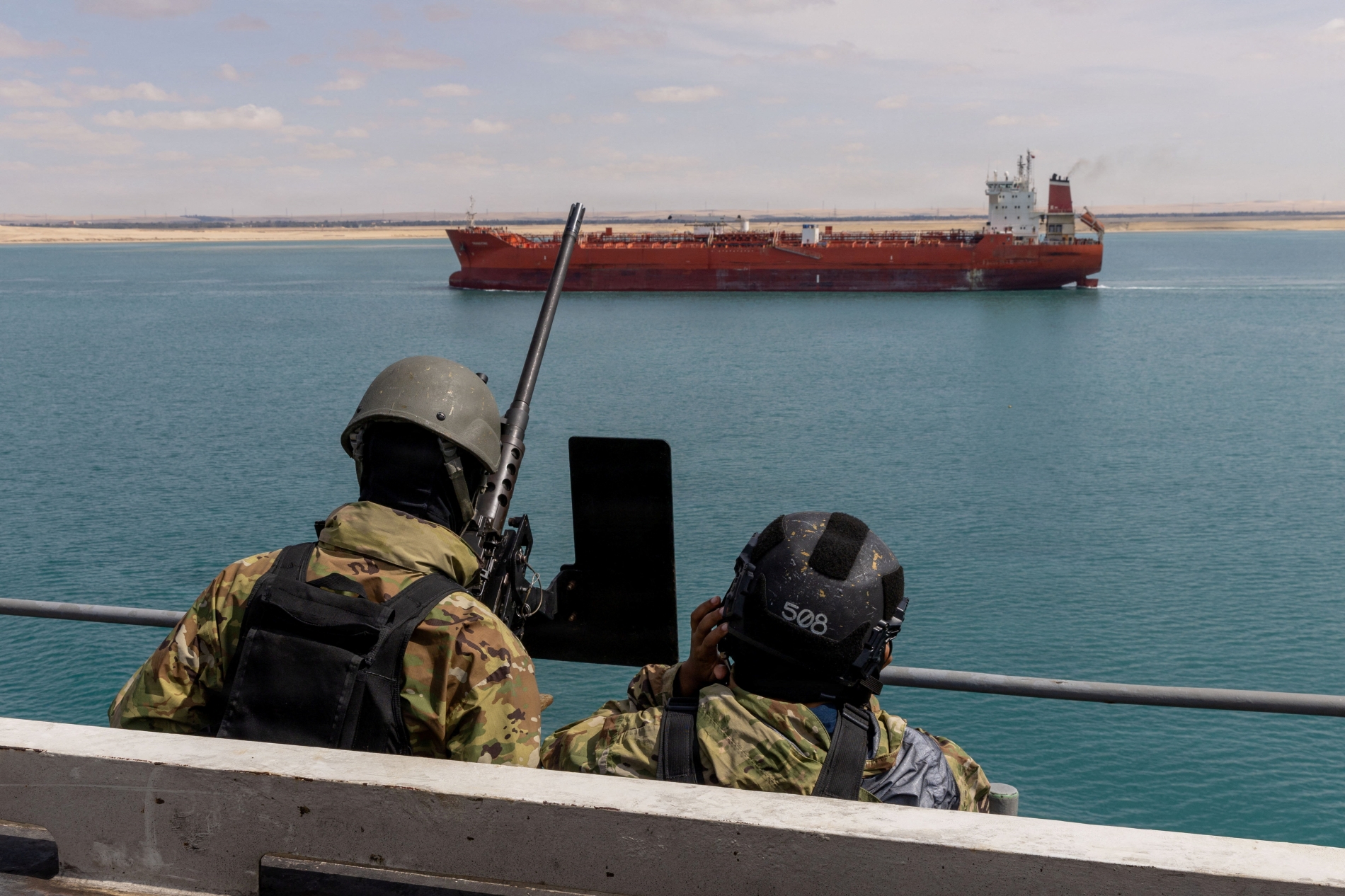
US navy sailors on a small boat monitoring team on a side passage of the aircraft carrier USS Gerald R. Ford as it transits the Suez Canal, en route to support Operation Epic Fury, on 5 March 2026.

China is also likely to continue supporting Iran on defence and technology, but given that the broader sanctions architecture on Iran will likely remain in place, Trump could claim a win on oil prices, while Xi could claim a win on extraterritorial coercion, and Tehran could claim a win on economic continuity.

In his employment of both carrots and sticks, Trump has threatened deportation, with Chinese nationals notably highlighted on national security grounds. The White House has repeatedly invoked the figure of 'military-age' Chinese men crossing the southern border. For Trump, this plays to his domestic base and frames China as a threat. For Xi, it carries little cost. Beijing will accept verified Chinese nationals, but will offer only modest help in removing undocumented Chinese citizens from the US.

Immigration will be an easy summit readout item, but despite the voiced commitment, very little has been achieved on the issue, much like the Fentanyl negotiations. The more interesting subtext is what the immigration framing tells us about Trump's broader China posture. The 'military-age men' trope sits uneasily with America's courting of Chinese business, as Trump's attendant posse of business leaders suggests is the aim. In this way, Washington treats China both as a national security adversary and as a counterpart in managed economic prosperity. The summit will not resolve this contradiction, but rather conceal it for the cameras.

Of all the items on the Beijing agenda, Artificial Intelligence (AI) carries the largest gap between aspiration and likely outcome. AI consultations were launched by former US President Joe Biden at Woodside in 2023, but Trump's intentions about reviving them are unknown. Some call for a US-China 'AI hotline' modelled on the Cold War nuclear crisis-management mechanism, and for working-level talks on AI in nuclear control. These may be the only deliverables.

Expectations are low. Beijing views any AI safety framework as a form of arms control. Its preference is for a framework that constrains US export controls in critical AI supply chains while preserving its ability to advance its own AI models. The US, however, wants the opposite: constraints on China's AI development but none on its own. Issues around AI disarmament and underlying competition over compute, frontier models, and chip access are therefore unlikely to be resolved or even addressed.

Leah Millis/Reuters
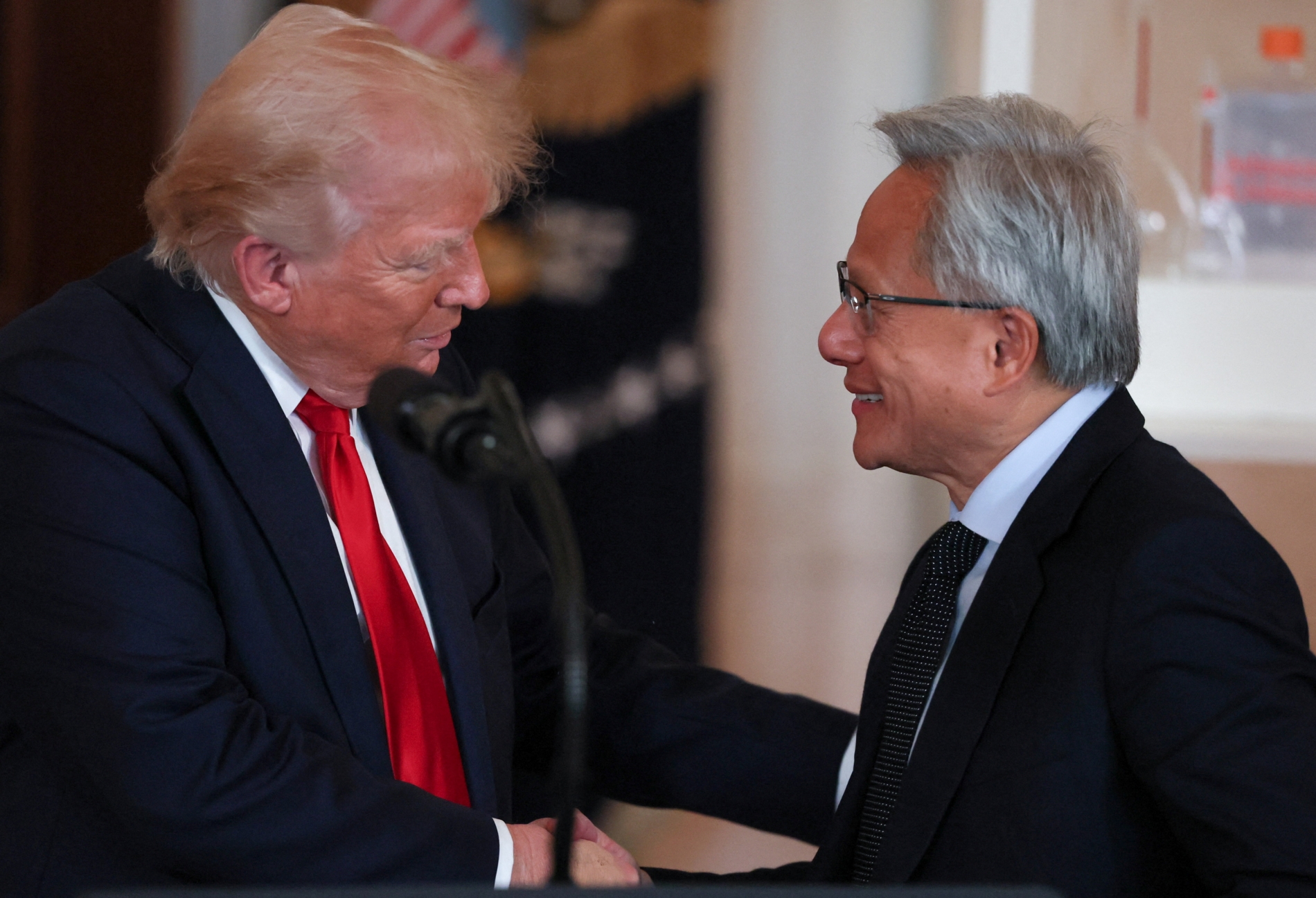
Jensen Huang (R) and US President Donald Trump speaking on 30 April 2025. Both men agree that NVIDIA's processing units are of strategic national importance.

Delegation composition

The composition of Trump's CEO entourage offers a clue to how the summit's agenda has evolved in its final days. The White House on Monday released a list of roughly 20 executives—larger than the dozen initially trailed last week, though still modestly below the 29 who accompanied Trump to Beijing in 2017. The names are revealing: Elon Musk of Tesla, Tim Cook of Apple, Jensen Huang of Nvidia, Larry Fink of BlackRock, Stephen Schwarzman of Blackstone, David Solomon of Goldman Sachs, Jane Fraser of Citigroup, Michael Miebach of Mastercard, Ryan McInerney of Visa, Kelly Ortberg of Boeing, Larry Culp of GE Aerospace, Cristiano Amon of Qualcomm, Sanjay Mehrotra of Micron, Jim Anderson of Coherent, Jacob Thaysen of Illumina, Brian Sikes of Cargill, and Dina Powell McCormick of Meta.

Three clusters dominate, and each maps to a specific deliverable that the administration is prepared to negotiate. The first cluster is technology and semiconductors: Musk, Cook, Huang, Amon, Mehrotra, Anderson, and Powell McCormick. These are the executives whose firms sit at the chokepoints of the export-control architecture. NVIDIA and Micron on advanced chips, Qualcomm on mobile silicon, Coherent on photonics, Apple and Tesla on China-dependent supply chains, and Meta on the AI model layer.

Their collective inclusion signals that Trump intends to use the summit to negotiate a marginal loosening of export controls on less strategic categories in exchange for rare-earth concessions and possible financial market access. Huang's last-minute addition is particularly telling. He had been reported as not attending. His inclusion at the final hour suggests Nvidia secured an administration commitment on chip exports significant enough to justify the optics of having him in the room.

The second cluster is finance: Fink, Schwarzman, Solomon, Fraser, Miebach, and McInerney. This marks the most striking departure from the 2017 trip, when financial services were peripheral. Five of the largest American financial institutions are now represented at the summit, alongside two major payment networks. Beijing has spent a decade keeping foreign asset managers, investment banks, and payment processors out of the domestic market. Their collective presence indicates that access to financial services is on the table in a way it has not been before, traded for something China wants, such as technology or sanctions relief.

The third cluster is the ceremonial deliverables: Ortberg of Boeing for the aircraft orders, Culp of GE Aerospace for the engines, and Sikes of Cargill for the soybean purchases. These are the headline-grabbing announcements, including the soybeans and the aeroplanes, that don't require structural concessions from either side.

AFP
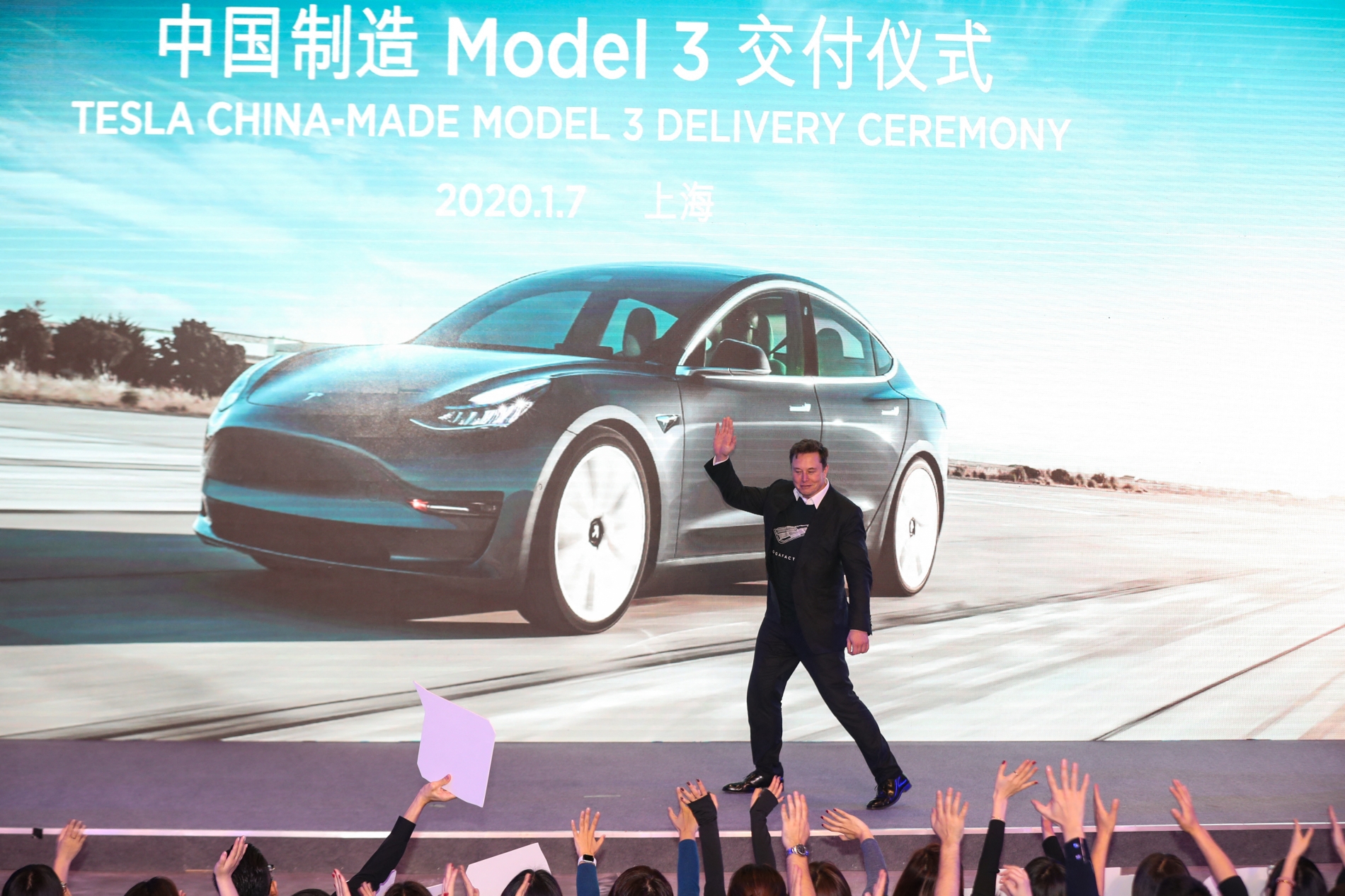
Tesla CEO Elon Musk gestures during the Tesla China-made Model 3 Delivery Ceremony in Shanghai.

What is present and what is absent, roughly in equal measure, carries the message. The inclusion of Musk is the single most consequential signal. Tesla retains the largest American manufacturing exposure to China among any major firm. 

The absences are also instructive. No automakers beyond Tesla. No pharmaceutical CEOs, despite the licensing files outstanding between US drugmakers and Chinese regulators. No industrial conglomerates of the kind that defined the 2017 list. No energy majors, which is striking given that the summit's central issue will include Iranian oil and the Strait of Hormuz. The American corporate community is not being asked to invest broadly in the China relationship. It is being asked to ratify a narrower, more transactional arrangement: chips for rare earths, financial access for sanctions relief, and Boeing orders for the cameras. The 2017 delegation was a coalition of American capitalism arriving to do business with China. The 2026 delegation is a working group arriving to manage a transactional pattern.

Possible deliverables

A ceremonial commercial package is likely to be announced, which could include Boeing aircraft orders backed by GE Aerospace engine commitments, Cargill-led agricultural purchases, and possibly battery-related investment announcements. The formal establishment of a bilateral Board of Trade to manage tariff-adjacent disputes. A measured rare-earth gesture, sized to extend stability without undercutting China's leverage. A fentanyl enforcement commitment, performative on China's side and politically necessary for Trump.

A framework for AI dialogue, possibly with a hotline component. A managed loosening of semiconductor export controls on less strategic categories, traded for the rare-earth gesture. An opening in financial services access, reflected in the heavy Wall Street presence in the travelling party. A coordinated diplomatic push to reopen the Strait of Hormuz, paired with a narrow US rollback of recent secondary sanctions against Chinese refiners, in which Xi gains political trust in the Middle East and Trump extracts oil price relief. A return visit by Xi to Washington later this year will lock in the next stabilisation cycle. No joint statement. No press conferences.

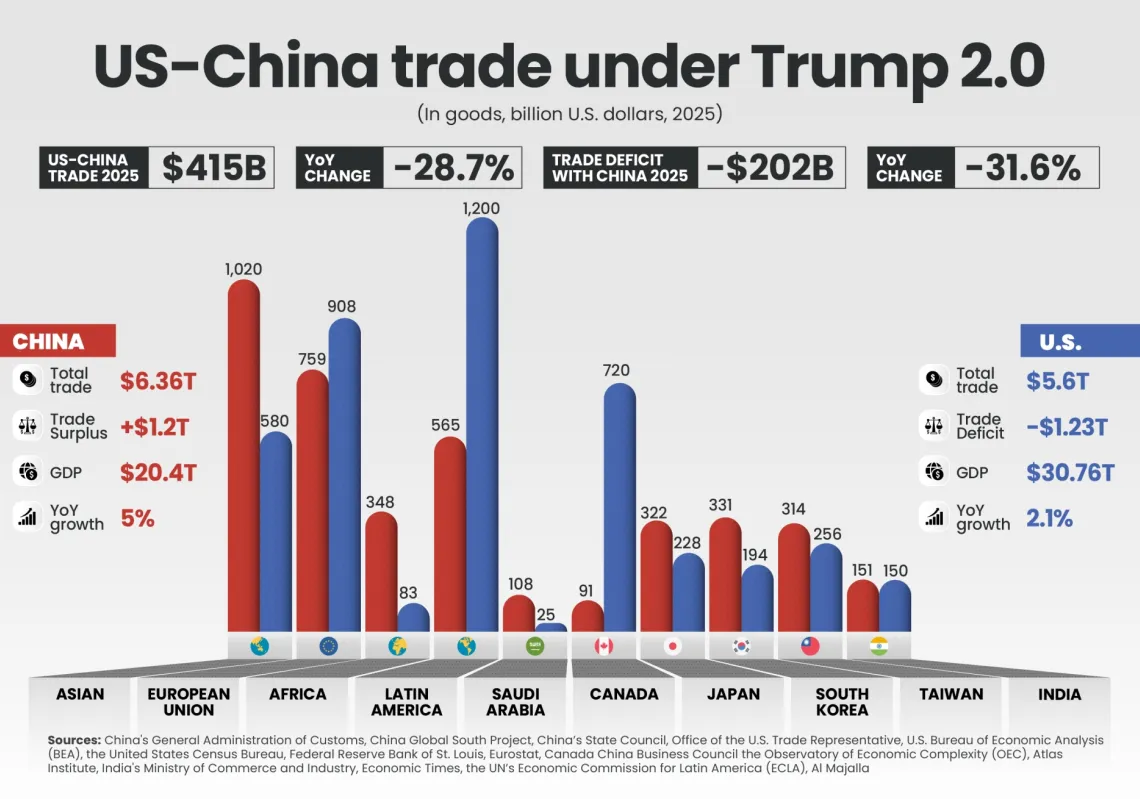
What is unlikely to emerge? Any substantial concession on Chinese industrial overcapacity; any rollback of the $1.2tn Chinese trade surplus; any meaningful declaration on Taiwan policy; any verifiable AI arms control; any rollback of Chinese rare-earth export controls; any constraint on Chinese arms transfers to Iran; any movement on the underlying sanctions architecture targeting Chinese banks handling Iranian oil settlements. The US-China structural rivalry remains untouched.

ANDREW CABALLERO-REYNOLDS / AFP
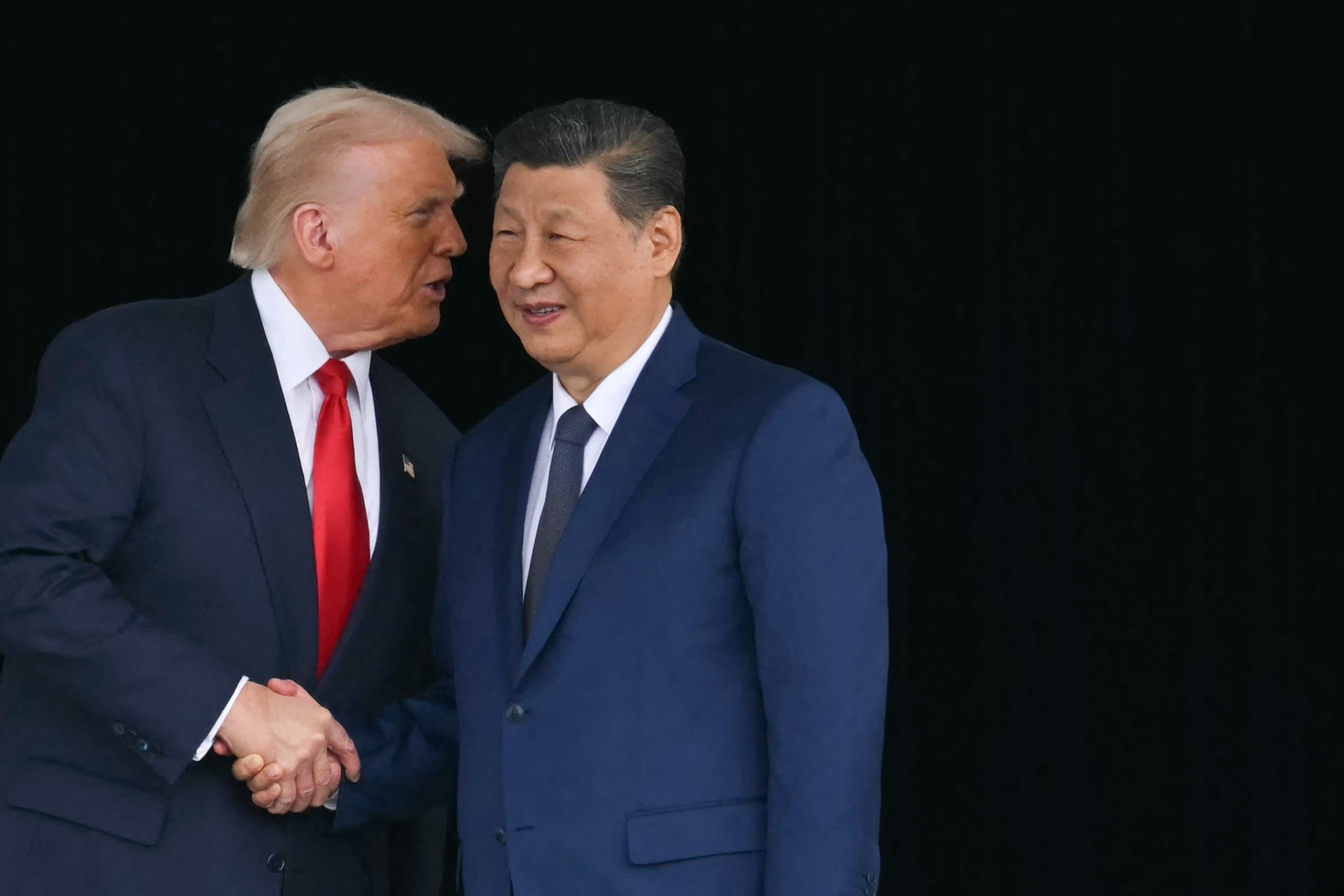
US President Donald Trump (L) and China's President Xi Jinping shake hands as they leave after their talks at the Gimhae Air Base, located next to the Gimhae International Airport in Busan on 30 October 2025.

The 2026 summit in China could be the high-water mark of the states' détente. Both leaders need this year and next to go smoothly. For at least 18 months, until the 21st Chinese Communist Party Congress, Beijing will seek to subdue open confrontations. The more dangerous window opens after November 2026.

If Republicans lose the House, Trump's incentive to escalate foreign policy will rise, just as Xi's PLA and diplomatic reconstitution bed in. For now, both men favour stability, but by the end of the year, this may diverge. Some in Beijing are already anticipating a snapback to escalation after the midterms and are using this time to consolidate their positions.

The Beijing summit will end with a flurry of announced successes, as both capitals declare victory (one more loudly than the other), without either having addressed what divides them. The question, therefore, is not whether the summit succeeds, but what it is buying time for.

font change