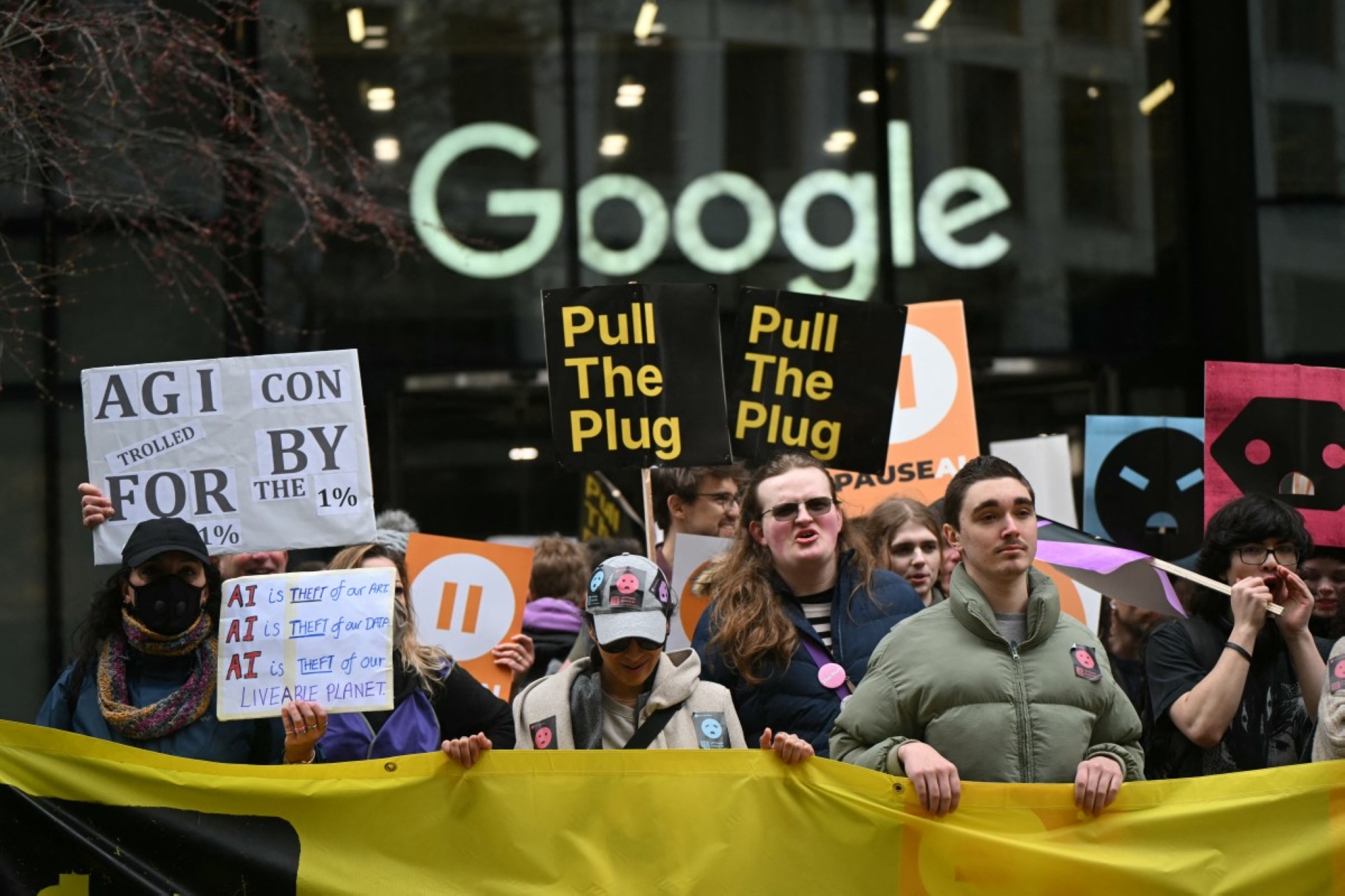

At the end of the 20th century, fears of robots and machine intelligence usurping their human creators still belonged to the realm of science fiction. Today, such anxieties are commonplace among those closest to the technology. In universities, offices, and companies, the conversation and the idea are no longer laughable. Robotic machines and artificial intelligence (AI) software have already made millions of human jobs redundant, and the trend is speeding up, not slowing down.
From writing reports to translating texts, reviewing contracts, producing designs, answering customer queries, and managing workflow, software is already there, turbocharged by the AI consumer revolution that many trace to late 2022, with the launch of OpenAI’s ChatGPT large language model (LLM). Ever since, AI's capabilities have accelerated at a pace that has startled even its own developers.
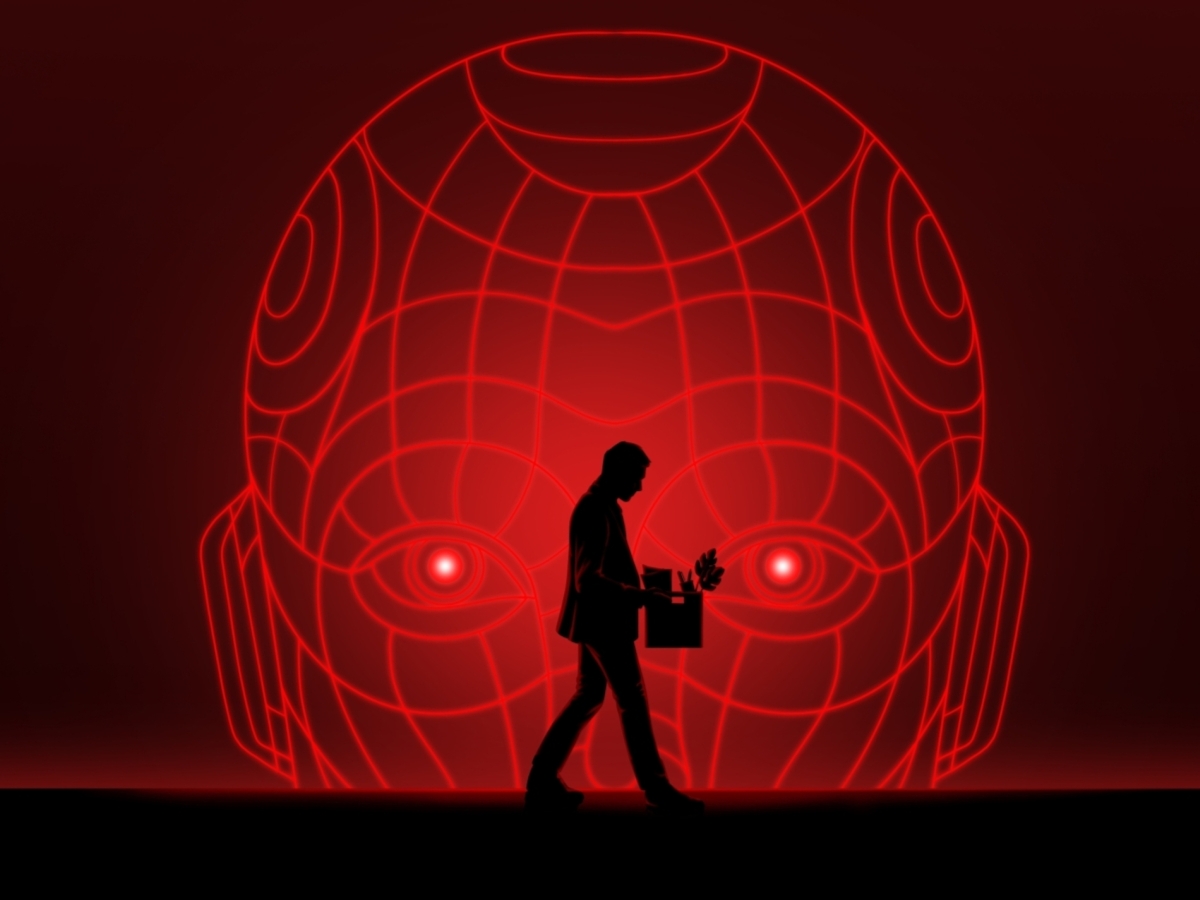
Software designed to assist human tasks has rapidly evolved to undertake them in their entirety, saving companies time and money. Until now, these tasks have often required specialist (for instance, university) education, professional experience, and skills accumulated over many years. For this reason, it was hardly surprising that The Economist recently warned people to “prepare for an AI jobs apocalypse”. The venerable magazine, known for its economic pragmatism, acknowledged that history may not be entirely reassuring this time.
Previous industrial revolutions did not eliminate human labour, but they unfolded more slowly over much longer periods, allowing time for retraining and adjustment. They also did not strike at the core of white-collar professions in the way AI is. Seven out of ten Americans believe that AI will make finding a job more difficult, the magazine noted, while roughly a third fear losing their current jobs. It reveals a deeper sense of uncertainty. Education, experience, and hard work have always been enough to guarantee stability. Is that still the case?
Confluence of factors
The world is currently experiencing three overlapping shocks. The first is technological, driven by the rise of AI and automation. The second is geopolitical, fuelled by wars and disruptions to energy markets and supply chains. The third is financial, shaped by mounting debt burdens and rising interest costs. This convergence is what makes the current moment both distinctive and dangerous.
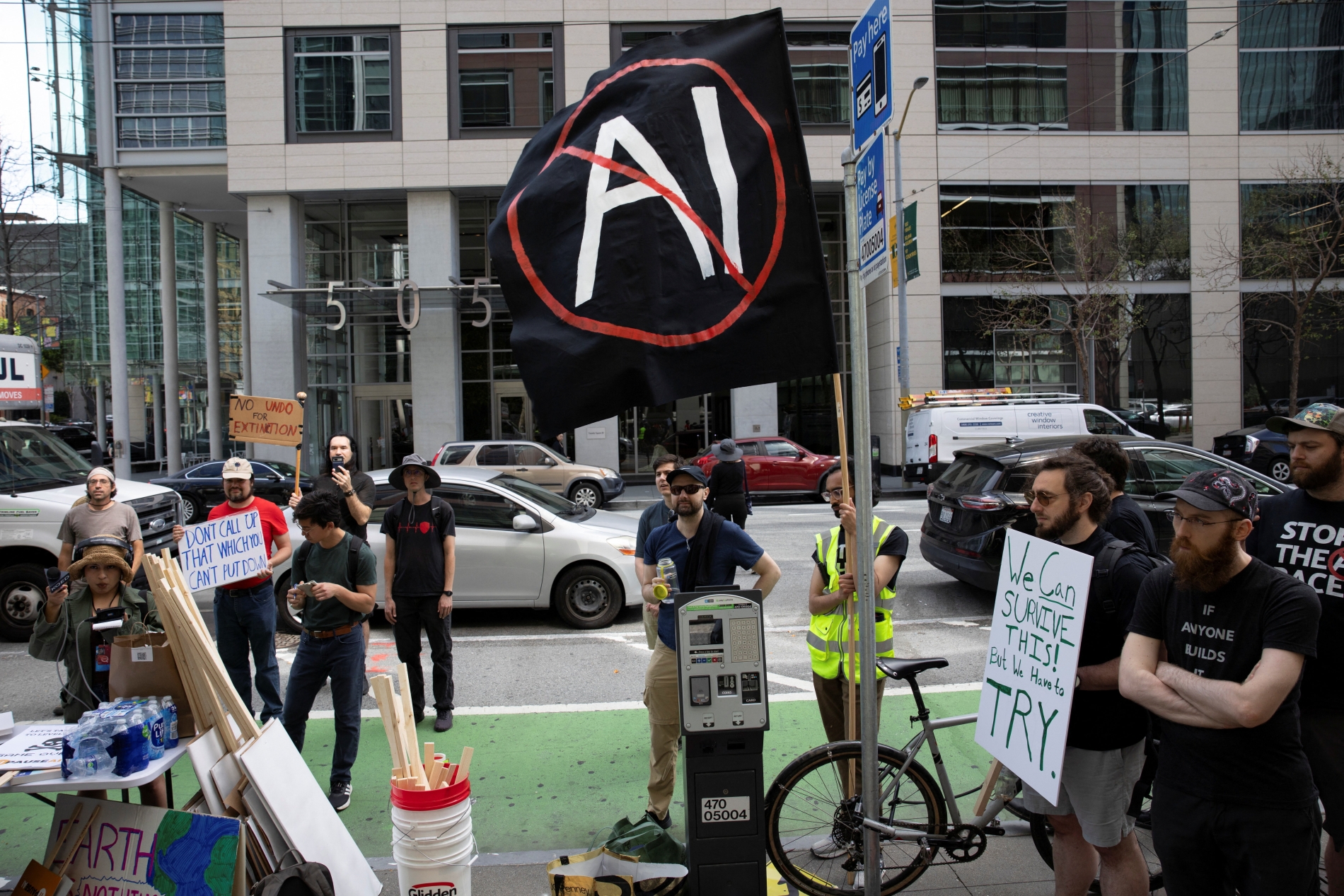
One of the central problems is that AI is not entering stable and prosperous labour markets, but rather a global economy beset by soaring prices and slowing growth. Companies eager to cut costs see automation as the answer, especially for repetitive, routine tasks. As a result, the effects of AI—something former British prime minister Sir Tony Blair called an “epochal change”—may not initially appear in the form of long queues of unemployed workers. Instead, it comes from the disappearance of jobs that were expected to exist in the first place, the vacancies that never were, the trainees who were never hired, the graduates with nowhere to go.
In newsrooms, editors now review text produced by machines, not written by journalists. In software companies, young programmers cannot get that all-important first job. One of the defining challenges of the coming decade is the lack of entry-level employment, as AI increasingly performs the tasks entry-level employees would otherwise do. Not only is AI replacing junior jobs, but it is also blocking the pathways through which expertise itself is traditionally developed.
Analysts worry that this could evolve into a structural crisis affecting the very production of human expertise. The World Economic Forum optimistically estimates that economic and technological transformations could generate around 170 million new jobs by 2030, while 92 million existing jobs may disappear or decline in importance, a net gain of 78 million jobs worldwide. Yet behind these figures lies a more complex reality, not least because new jobs will not necessarily be performed by those whose old jobs will vanish.
Changing nature
The nature of work itself is changing. In demand are data analysts, AI engineers, and cybersecurity specialists, while traditional clerical and administrative roles are going. The International Monetary Fund estimates that AI will directly or indirectly affect around 40% of jobs globally, rising to 60% in advanced economies. It warns that this could widen existing income inequalities unless governments step in to help, such as by reskilling.
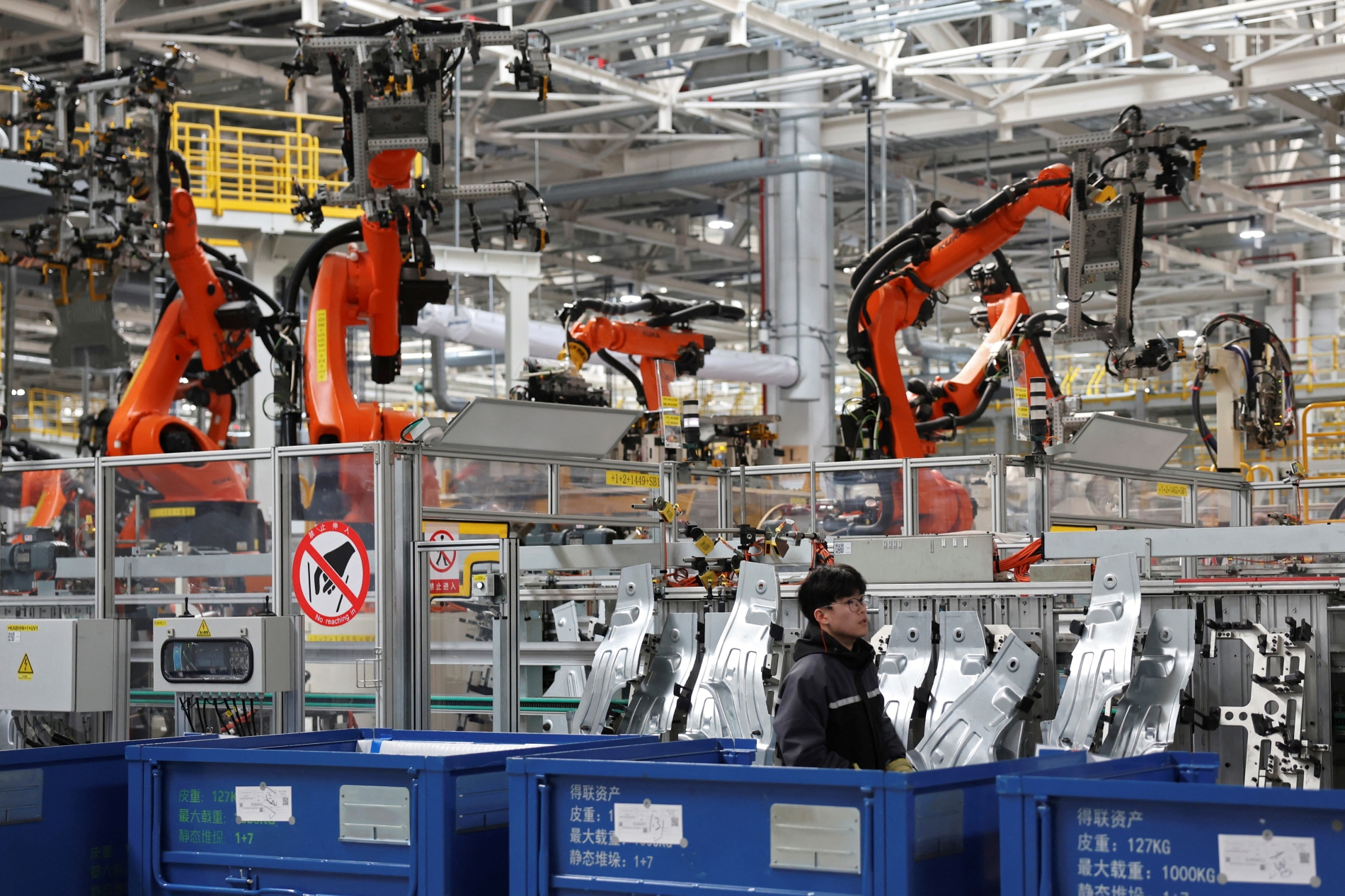
This is a global phenomenon. In China, home to 1.4 billion people, the future of work is being reshaped. Like other countries, China is using AI to boost productivity and reinforce industrial dominance. Chinese factories have embraced 'smart manufacturing' using robotics and AI. Combined with state subsidies, this results in cheaper, faster, and more globally competitive products. According to the International Federation of Robotics, China accounted for more than half of all new industrial robot installations in recent years, a sign of the extraordinary pace of automation there.
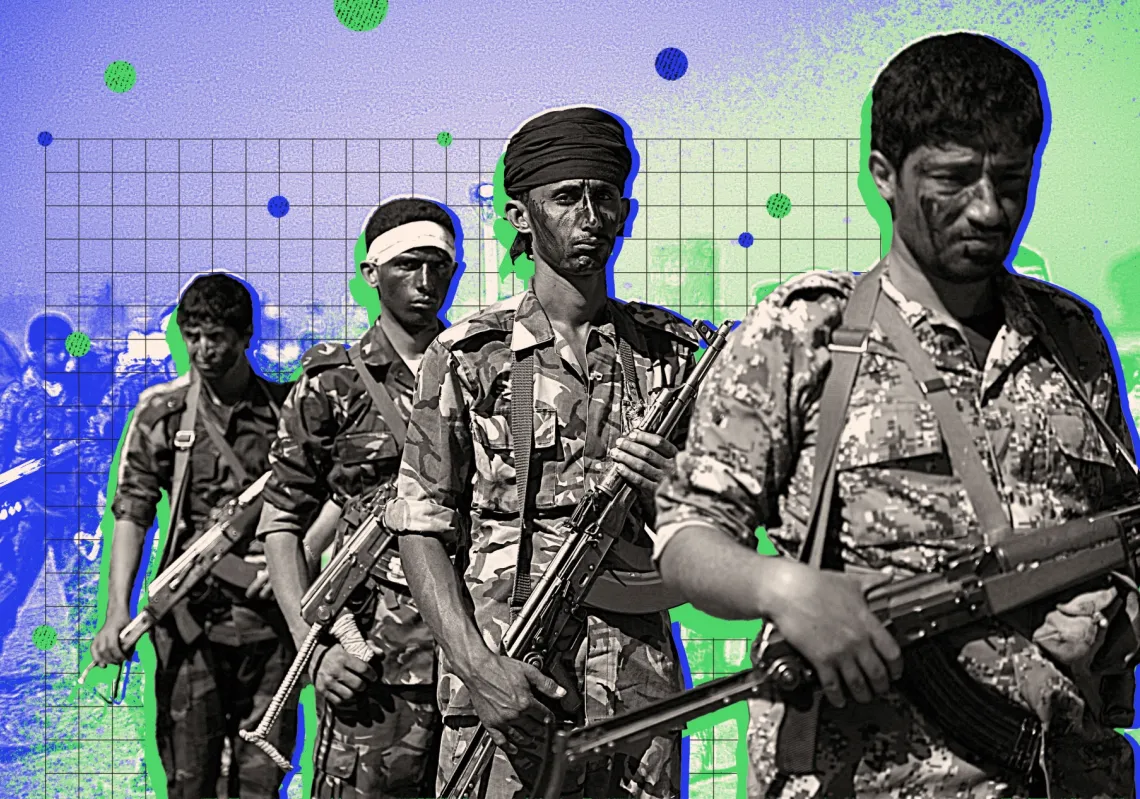
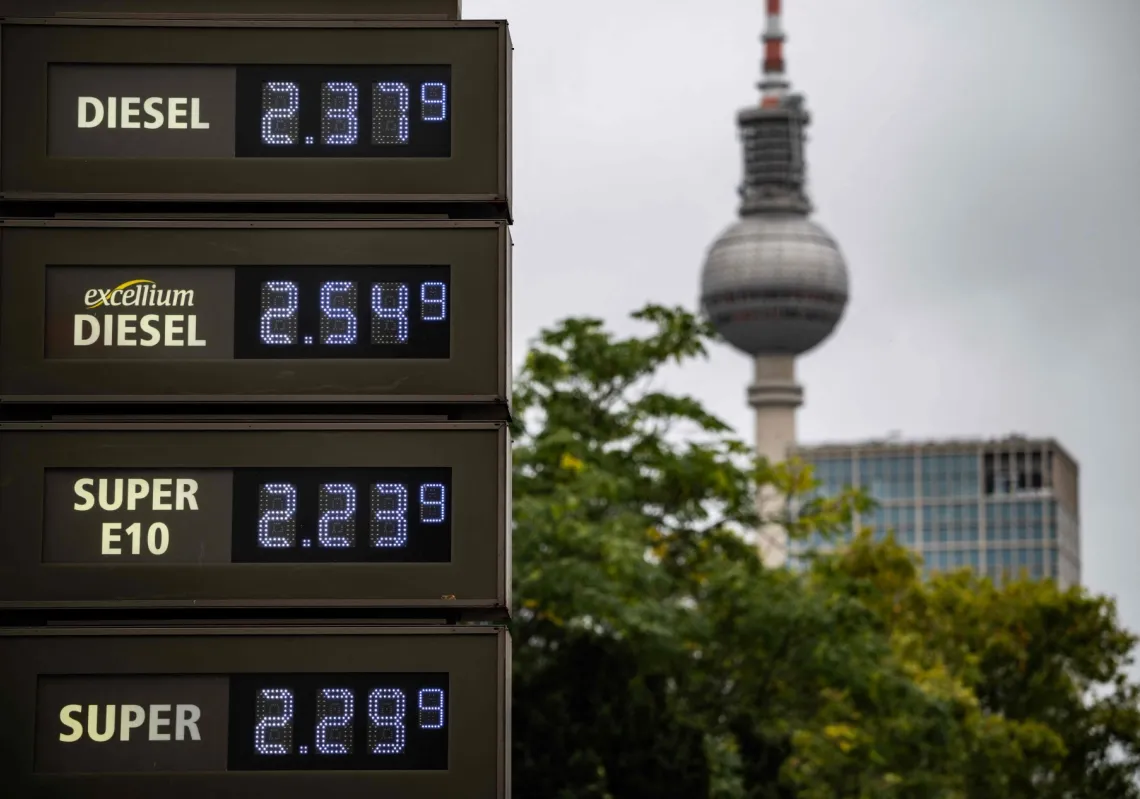
At the same time, wars are amplifying uncertainty. Tensions in the Middle East, disruptions to shipping and energy markets, and surging transport, freight, and insurance costs are all putting pressure on companies already burdened by debt and weak profit margins. A report by Allianz Trade warned that 2026 could mark the fifth consecutive year of rising corporate insolvencies worldwide. Bankruptcies are expected to increase by around 6% during the year, with 2.2 million jobs lost, particularly in construction, retail, transport, and services.