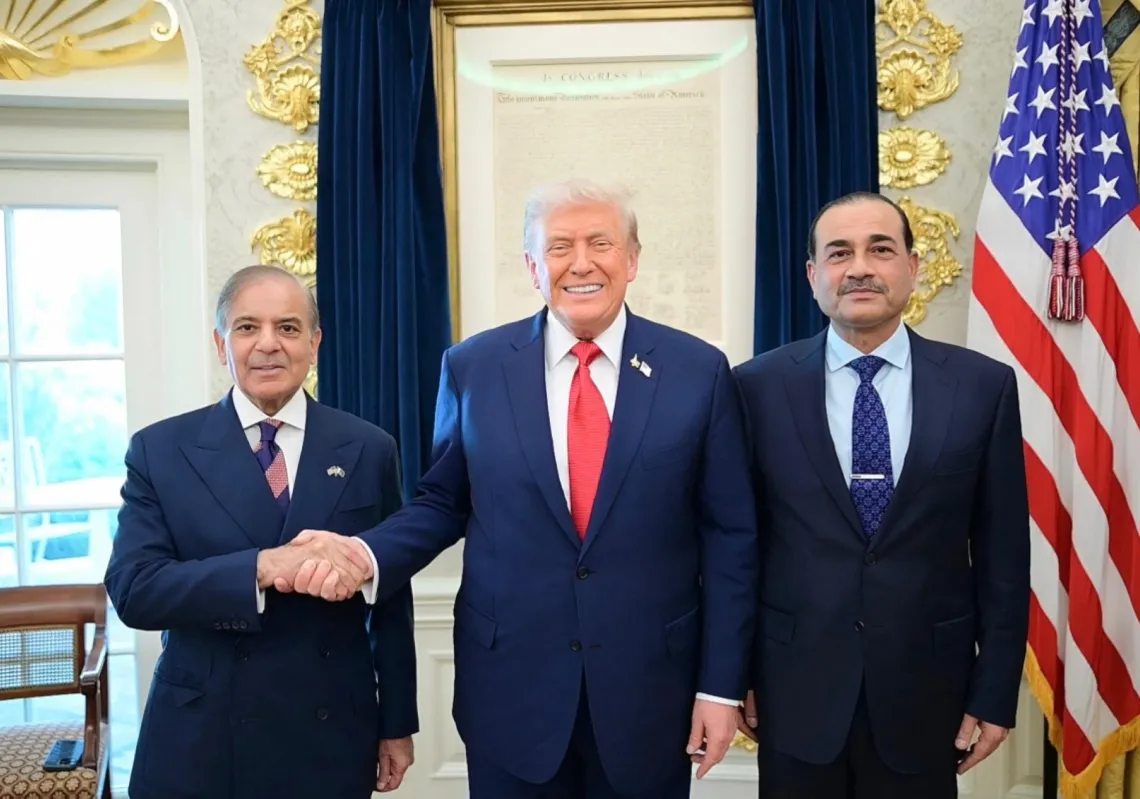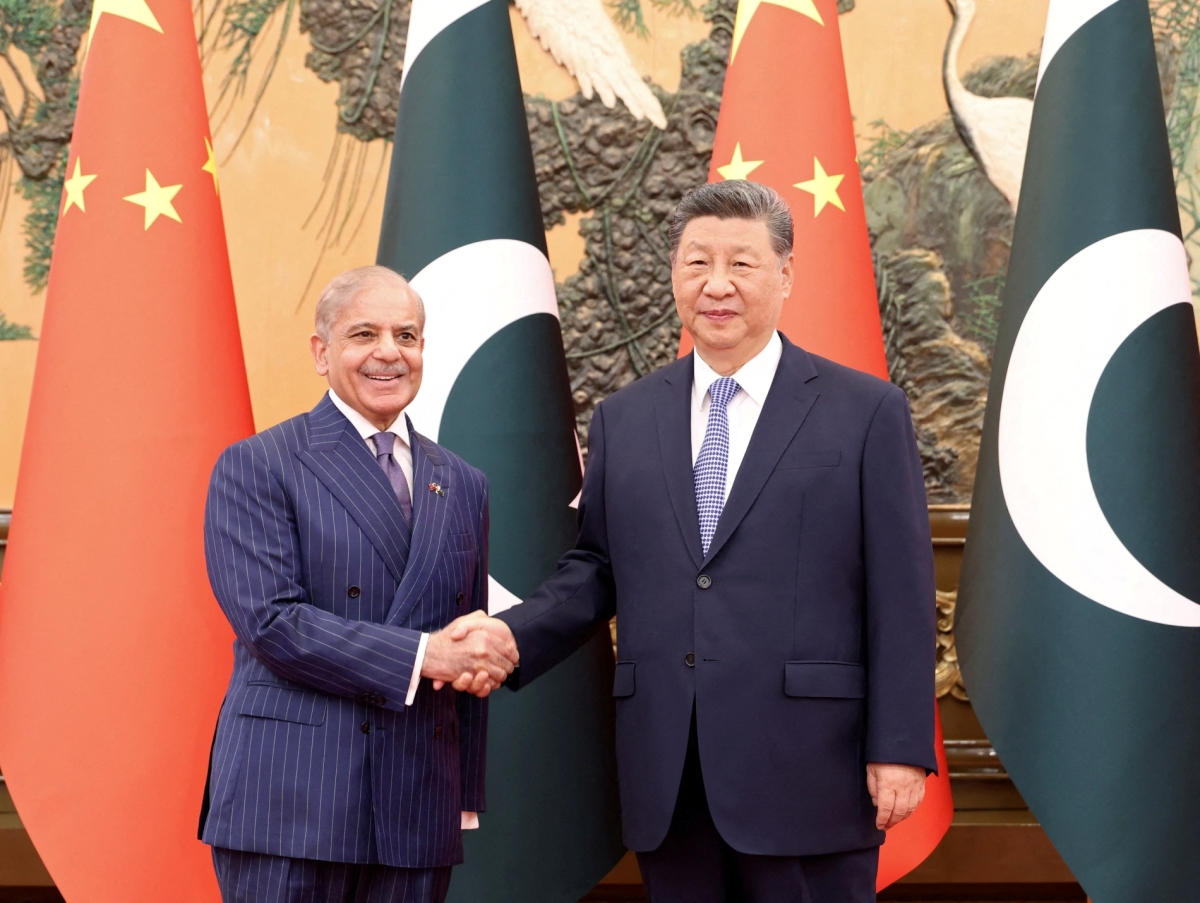

When Pakistan’s Prime Minister Shehbaz Sharif landed in Hangzhou on 23 May, the choreography looked familiar enough: A Pakistani premier travels to China; the two governments invoke their ‘all-weather strategic cooperative partnership’; and the communiqués promise a new chapter in the China-Pakistan Economic Corridor. This has been the script of nearly every Pakistani visit for a decade, and the temptation is to read the latest one as another well-worn routine.
That reading misses what this geopolitical moment represents. Sharif arrived in Beijing carrying something no recent Pakistani leader had: leverage. For 75 years, Pakistan’s value to China was geographic and military—a wedge against India, a corridor to the Arabian Sea, and a reliable buyer of Chinese arms. This spring, however, Islamabad acquired a new form of strategic capital. It has become an indispensable interlocutor in the war threatening China’s economic lifeline, and the custodian of overland routes that have kept goods moving while sea lanes remain shut.
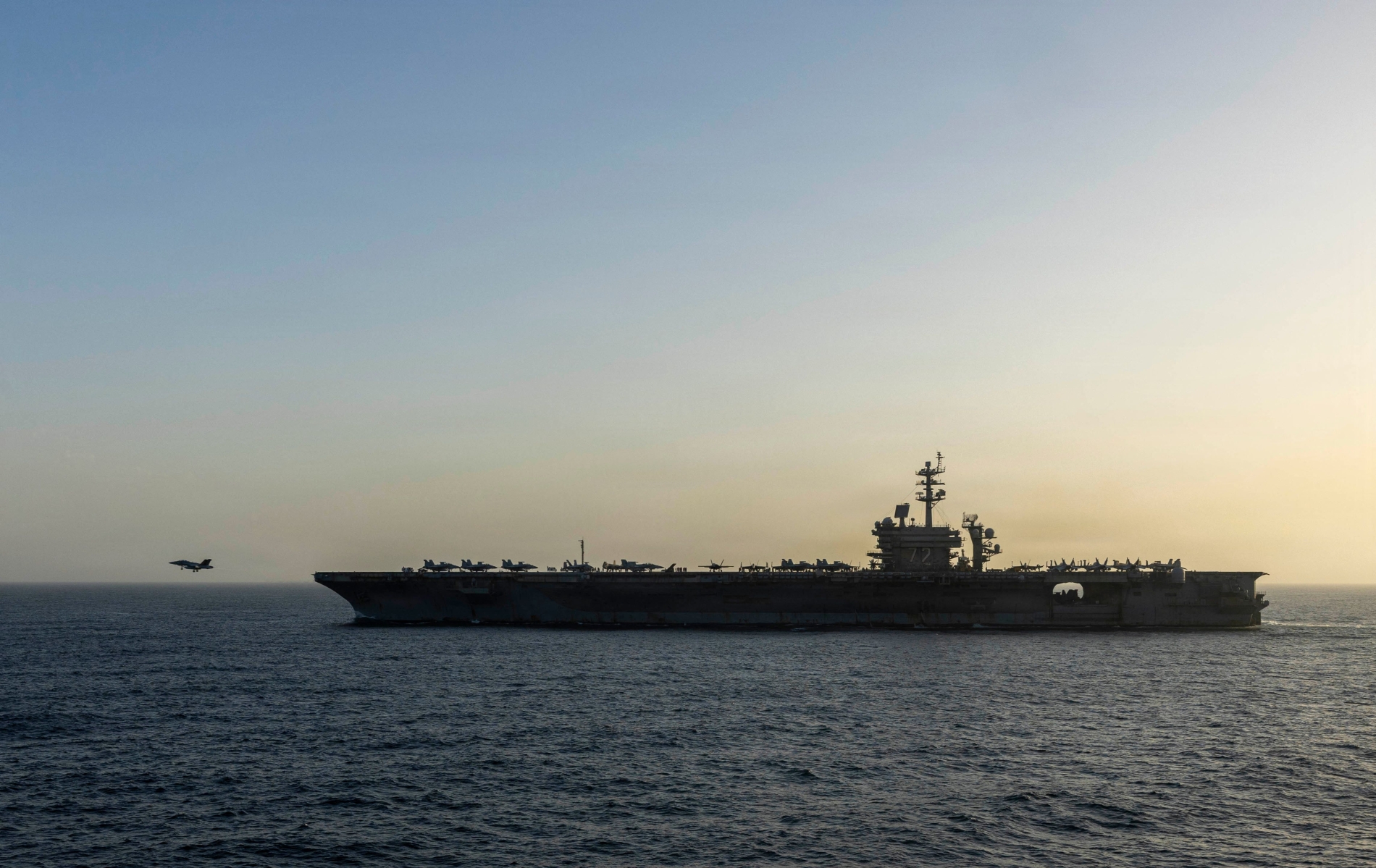
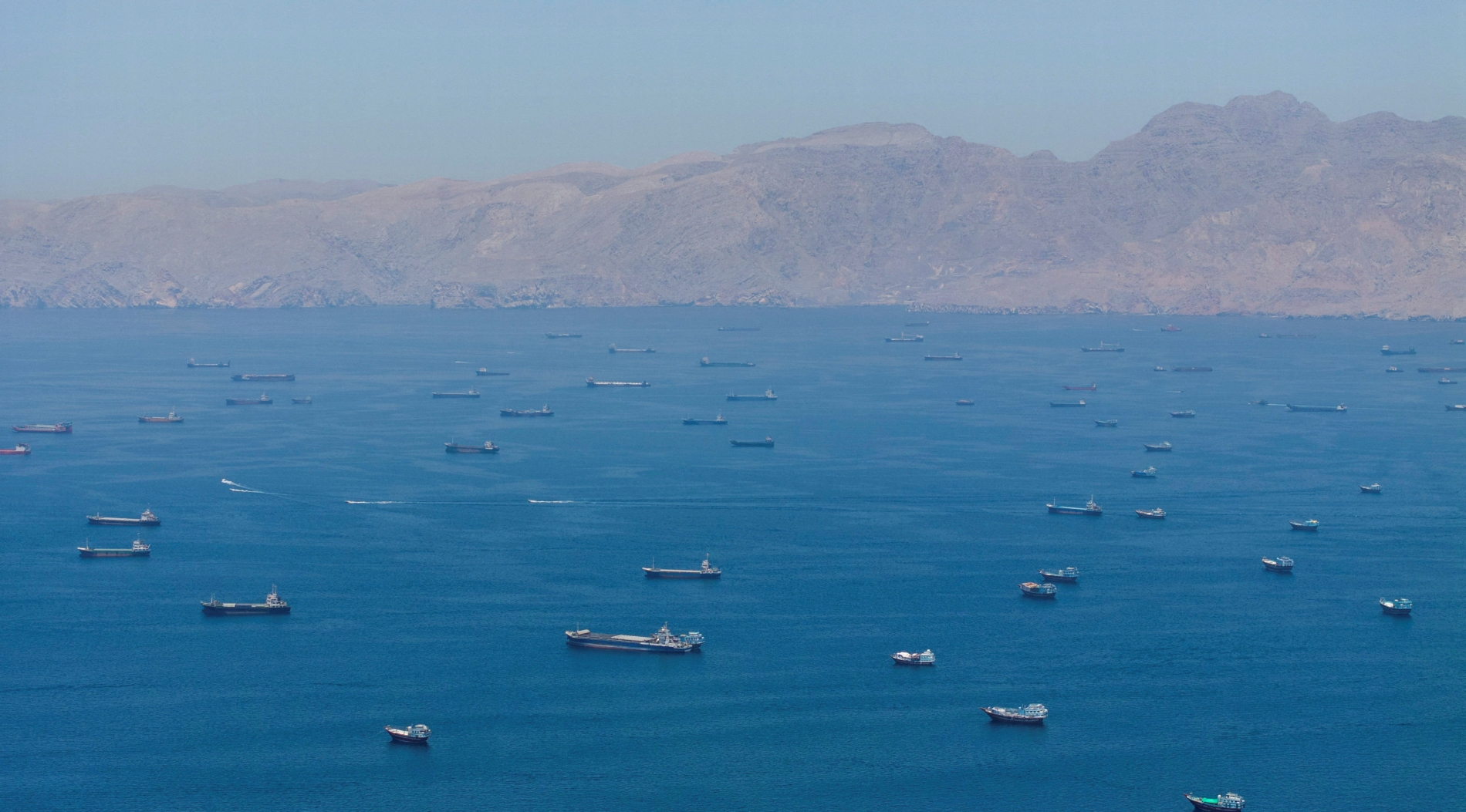
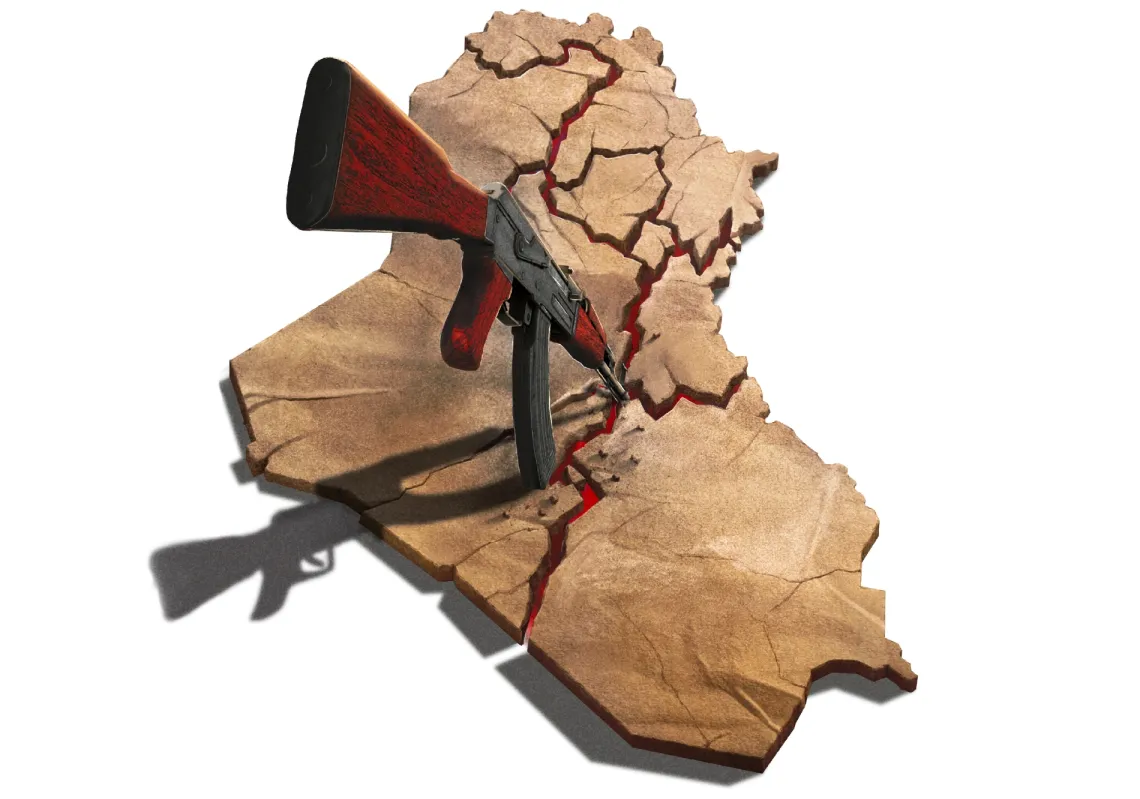
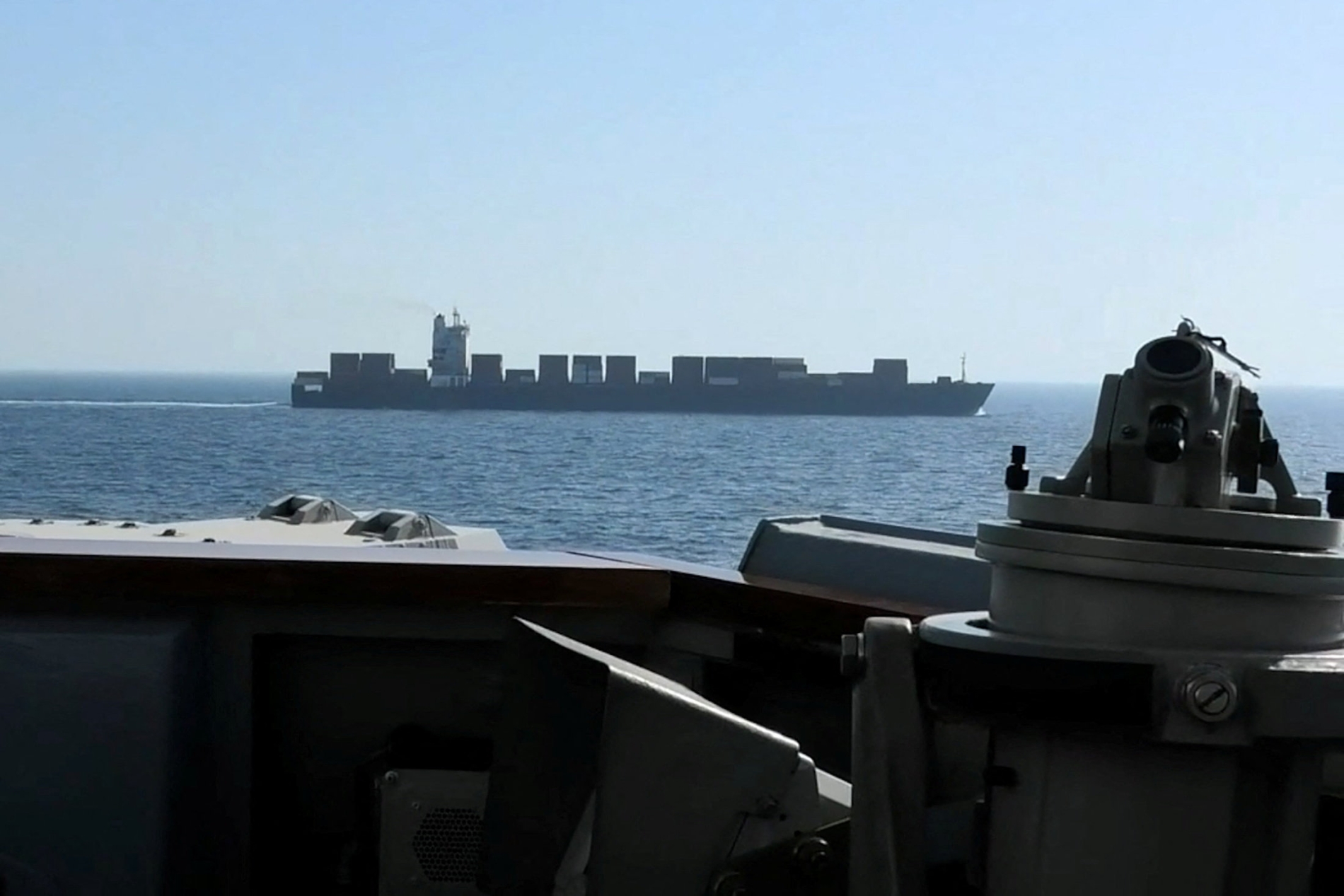
To understand why a routine state visit suddenly matters, look no further than the Strait of Hormuz. When the US and Israel launched coordinated strikes on Iran, targeting its leadership, nuclear infrastructure, and missile programme, the Islamic Revolutionary Guard Corps responded by laying sea mines, boarding merchant vessels, and warning that no ship would be permitted to pass. Traffic through the strait collapsed to roughly 5% of its pre-conflict level of 3,000 vessels a month.
By 13 April, after a Pakistan-brokered ceasefire fell apart, Washington imposed a naval blockade on Iranian ports, producing the surreal spectacle of a dual blockade: Iran sealing the strait from one side, and the US Navy throttling Iranian exports from the other.
No major power has more at stake in the outcome than China. Beijing imports roughly half its crude from the Middle East, and in a normal year more than a third of its oil supply transits the Strait of Hormuz. Under the 2021 cooperation agreement, China was buying around 90% of Iran’s crude exports at a discount to the Brent benchmark. The war severed that economic artery almost overnight.
The disruption of Iranian supplies created an immediate shortfall of well over a million barrels a day, while by March, bilateral China-Iran trade had collapsed by roughly 80% year-on-year. For an economy in which net exports accounted for nearly a third of GDP growth in 2025, a prolonged energy shock—one that simultaneously depresses demand across eight of China’s top 20 export markets—risks becoming systemic.
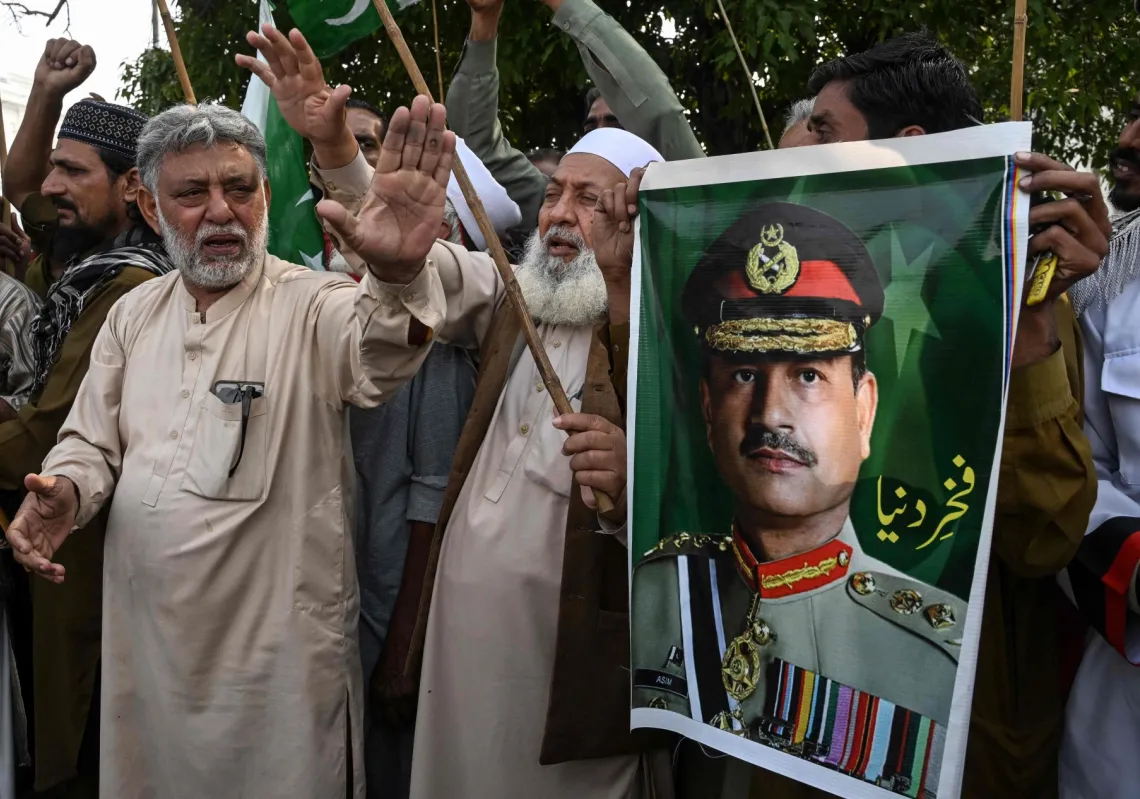
Upon Sharif’s arrival, China was not only receiving a debtor. It was receiving the one government that had shown it could reach into the conflict and move the pieces—brokering ceasefires, carrying messages, and helping shape the war's diplomatic tempo. Just as importantly, it was receiving the one country that sits astride the overland corridor keeping commerce alive between Tehran and Beijing while the Strait remains closed.
Enter CPEC
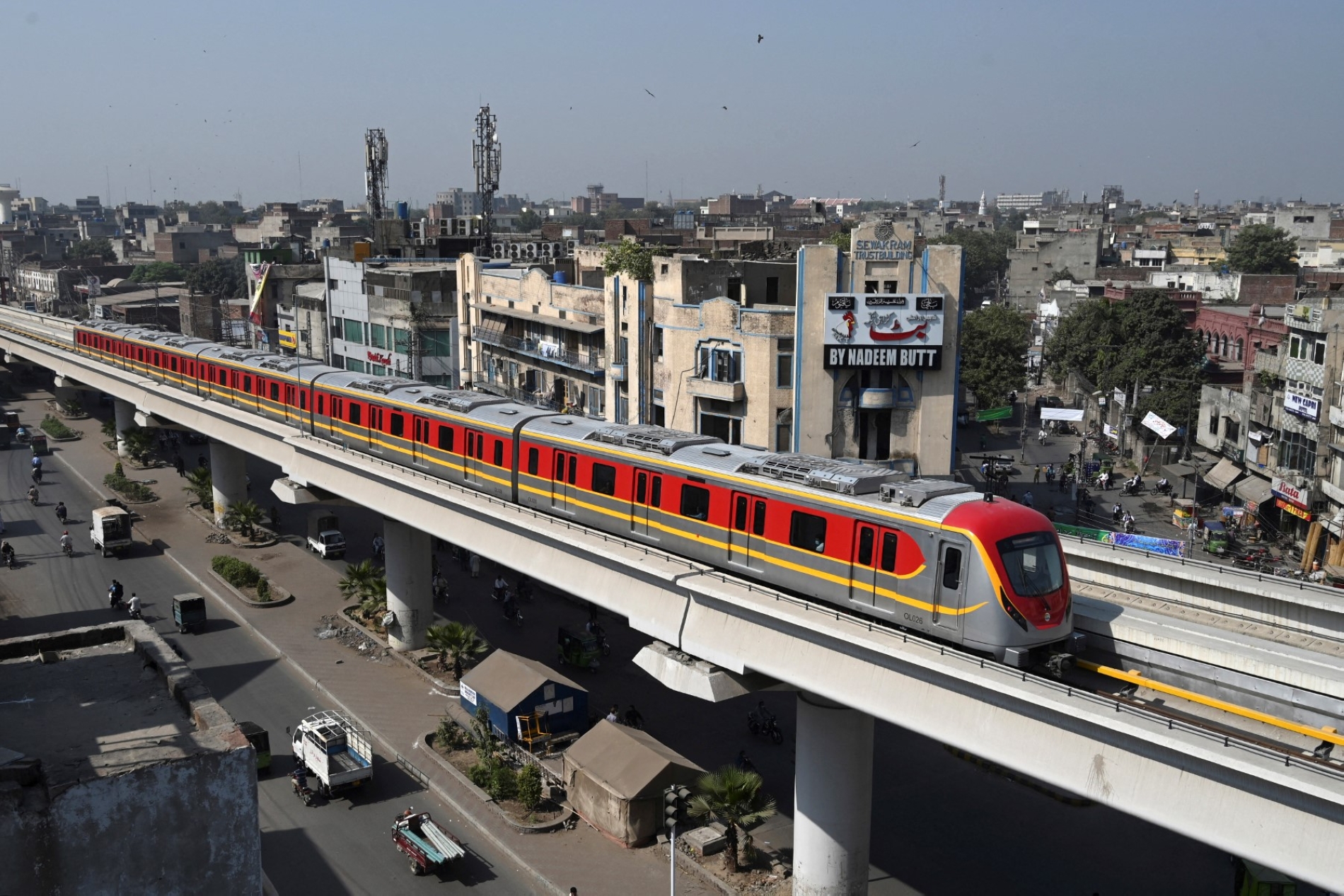
The China-Pakistan Economic Corridor (CPEC) was conceived, in its grand strategic logic, precisely to replace US-controlled global maritime chokepoints. The idea predates its 2015 launch by two decades: as far back as 1993, Chinese vice premier Zhu Rongji and Pakistani economist Shahid Javed Burki discussed unlocking western China through a road, rail, and pipeline network linking Kashgar in Xinjiang to a warm-water port on the Arabian Sea. That port became Gwadar, which Xi Jinping inaugurated as the southern terminus of a roughly 3,000km corridor of highways, a 1,800km railway, energy projects, and planned pipelines stretching north to Kashgar.
The point of all the concrete was never merely commercial. It was to give China an alternative to the sea. A normal tanker journey from the Gulf to western China covers some 12,000km through the Strait of Hormuz and the Strait of Malacca, another chokepoint Beijing has long feared the US Navy could blockade in a crisis. Routing oil through Gwadar and overland to Kashgar cuts that distance to roughly 3,000km and, in theory, compresses a 40-day maritime journey to about seven days.