What the new US Fed chair could do differently

Jerome Powell’s successor, Kevin Warsh, takes the reins at a critical fiscal moment, as inflationary pressures caused by the US war on Iran begin to take effect worldwide.

Eduardo Ramon

What the new US Fed chair could do differently

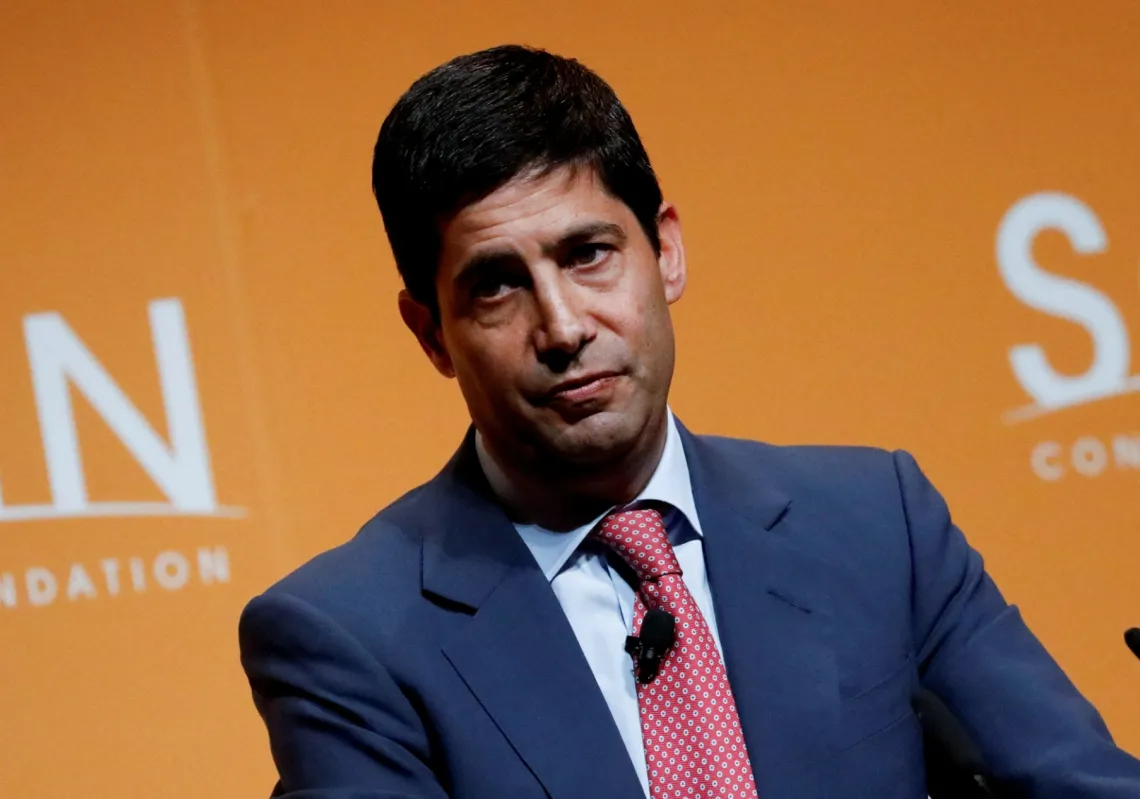
From 15 May, there will be a new broom at the world’s most powerful monetary institution, with markets watching closely. After the US Senate approved Kevin Warsh by a simple majority, he took over from Jerome Powell as chair of the Federal Reserve, the Senate Banking Committee having enthusiastically endorsed his nomination earlier.

The endorsement was made possible by Jeanine Pirro, the US Attorney for the District of Columbia, who said allegations against Powell (over cost overruns in the renovation of two Fed properties) would be referred to the Fed’s inspector-general. This was widely seen as a way to freeze the problem.

It was enough to remove the objection of Republican Senator Thom Tillis, who refused to vote for Warsh while Powell was being investigated for charges that he considered political and unjustified. Tillis, who is not up for re-election (and therefore free from political pressure), sits on the Banking Committee, where Republicans hold only a slender 13-11 majority. Without his support, Warsh’s nomination risked being held up.

Warsh’s exceptional résumé was greeted warmly during the Banking Committee’s confirmation hearing. He has the qualifications, experience, and background expected of a Fed chair, making him a credible nominee. His academic path reflects familiar contours: a degree in public policy from Stanford University, followed by legal studies at Harvard.

He joined Morgan Stanley, later becoming vice-president in the mergers and acquisitions division, but left Wall Street in 2002 to join the George W. Bush administration as an economic advisor at the White House, specialising in capital flows and financial markets. In 2006, at the age of 35, Bush appointed Warsh as a governor of the Federal Reserve Board, making him the youngest in its history. He served until 2011, distinguishing himself through several initiatives, most notably his role in brokering JPMorgan Chase’s acquisition of Bear Stearns in 2008.

Warsh was long regarded as a hawk, favouring restrictive policies and voicing scepticism about quantitative easing. More recently, however, he has moved closer to US President Donald Trump’s position by supporting his calls for lower interest rates. In an opinion article published in The Wall Street Journal last autumn, he said: “The Powell Fed’s record is one of poor choices”. He had been up against Powell for the top job during Trump’s first term, but was pipped to the post.
AFP
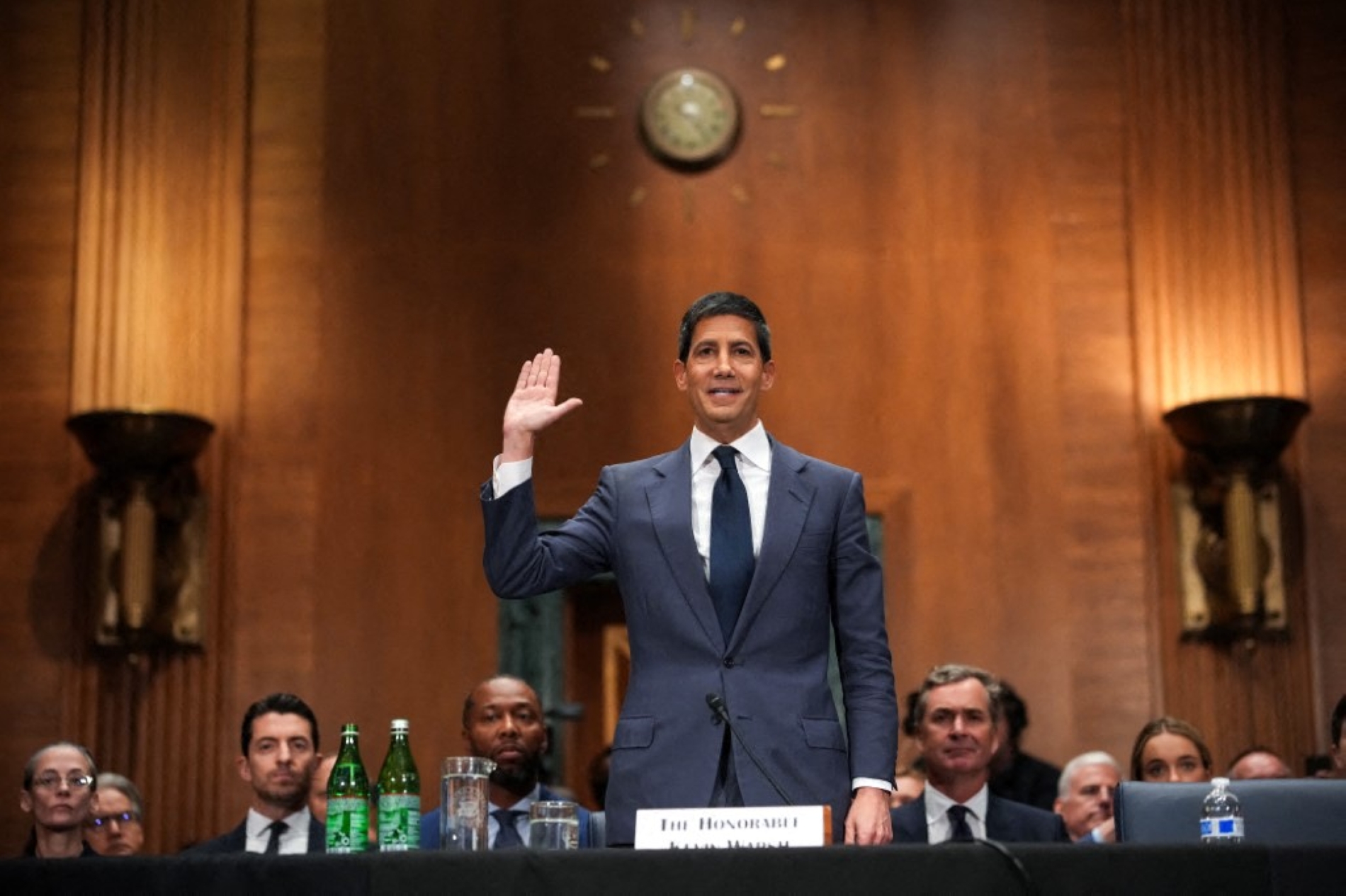
Kevin Warsh, the new Federal Reserve chairman, is sworn in before the Senate Banking and Housing Committee on 21 April 2026.

Warsh holds the Federal Reserve responsible for the inflationary crisis that followed the Covid-19 pandemic and continues to weigh heavily on American households. He thinks the Fed needs “a change in the course of its monetary policy”. In his view, inflation is a political choice that emerges when government spending becomes excessive, and the Federal Reserve creates money on a commensurately excessive scale. He is, therefore, likely to scrutinise closely the fiscal trajectory of the Trump administration, whose large deficits—according to his analytical framework—provide fertile ground for inflation.
It is not certain that Warsh will follow Trump's preferred course of cutting interest rates, on which basis he was nominated

Shifting position

On interest rates, his position has shifted. Warsh now views rate cuts as a form of redistribution rather than as an extension of quantitative easing (QE). He argues that the productivity shock unleashed by AI and other technology justifies lower rates on the grounds that innovation boosts growth and restrains inflation, allowing borrowing costs to fall.

Many economists dispute this analysis, maintaining that a productivity boom would spur investment and increase the demand for savings, thereby placing upward pressure on interest rates. In March, the debate was eclipsed by the US-Israeli war against Iran and the ensuing surge in energy prices.

Frederic J. BROWN / AFP
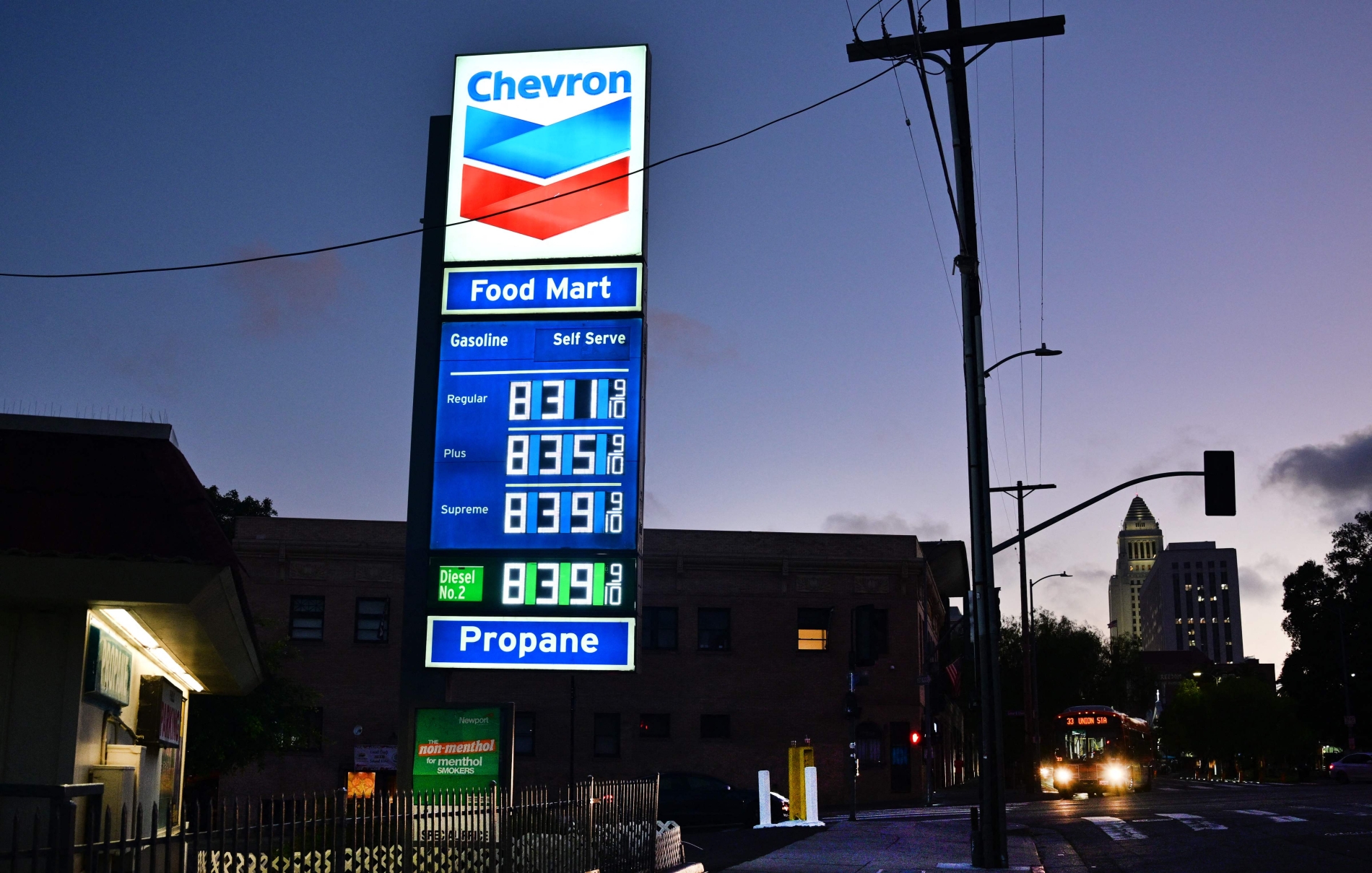
High gas prices are listed at a Chevron gas station in Los Angeles on 9 March 2026, as gasoline prices surge amid the ongoing war with Iran.

The Fed's balance sheet stood at around $1tn before the 2008 crisis, but now stands at a colossal $6.7tn. Warsh supports a substantial reduction of that figure, to withdraw part of the liquidity circulating in markets. For him, this would correct the distortions caused by QE, including worsening wealth inequality and the misallocation of resources across sectors of the economy. It would also ease inflation expectations and allow the Fed to lower the target range for the federal funds rate, enabling households and small and medium-sized businesses (SMEs) to benefit from cheaper credit.

Warsh sees the expansion of the Fed's balance sheet as "a sign of its growing influence over the economy". He believes QE blurred the boundary between monetary and fiscal policy, thereby weakening the Fed's independence. This issue was a central issue for him during his earlier tenure on the Federal Open Market Committee. His decision to resign in 2011 stemmed, in part, from his opposition to a second round of QE.

The principal criticism of Warsh's approach is that the Fed's balance sheet has become an integral part of the financial system's core infrastructure, and that reducing it carries serious risks. Reducing the Fed's securities portfolio would raise the cost of credit by pushing up long-term interest rates. That would run counter to Trump's ambition to lower mortgage rates.

It could also drain money markets, undermine control over short-term interest rates, and further erode the reserves banks hold to meet regulatory liquidity requirements under Basel III. This, in turn, could force the Fed to expand its balance sheet again by injecting the necessary liquidity. Any US disregard for the Basel Committee's recommendations would weaken efforts to coordinate international prudential frameworks and deepen competitive distortions between American and European banks.

Reuters
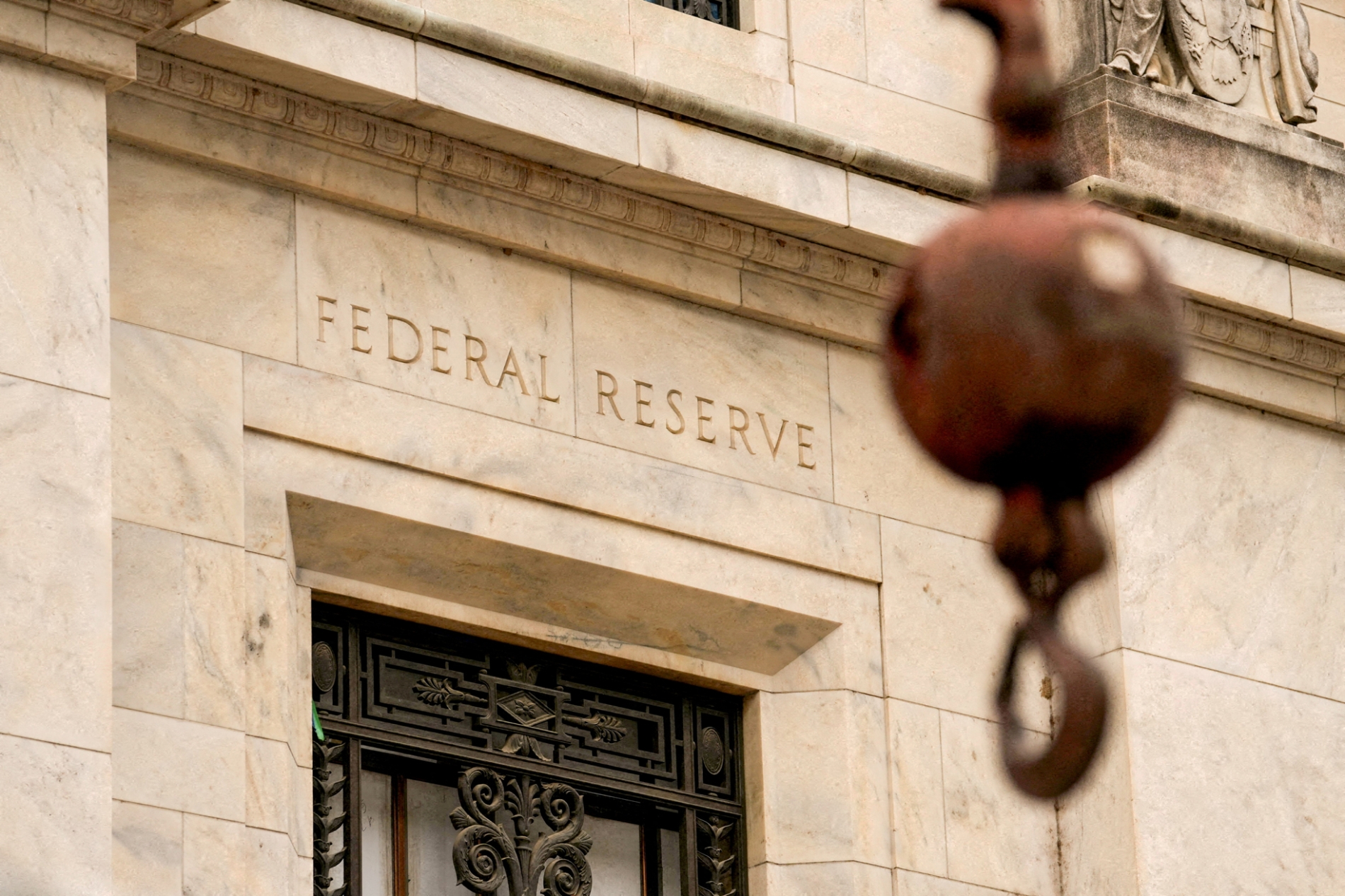
The facade of the Federal Reserve building in Washington, DC, in 2025.

Preferences and stances

Warsh is sceptical of the Fed's role as a regulator and supervisor of the banking sector, viewing it as unhelpful to preserving the institution's independence. He supports Michelle Bowman, the Fed's vice-chair for supervision, in adopting a less intrusive form of oversight, one focused more narrowly on financial risks, with some easing of capital requirements and credit conditions, even at the risk of fuelling credit and asset bubbles.

Beyond that, Warsh recommends severing ties with international banking regulatory bodies, which he believes have produced rules that run counter to American interests. He has criticised what he sees as the Fed's drift into areas beyond its mandate, such as climate issues and social inequality. He also wants to alter the way the Fed communicates to avoid creating damaging expectations, ditching announcements in favour of discretion, and making decisions in meetings rather than beforehand. This would mark a radical shift for an institution that has relied on forward guidance since the Ben Bernanke era.

Warsh does not oppose granting the executive branch—specifically the Treasury Department—a larger role in monetary policy

Finally, Warsh does not oppose granting the executive branch—specifically the Treasury Department—a larger role in monetary policy. He cites the British model, in which a Treasury representative attends monetary policy meetings to enhance the effectiveness of decisions. This view runs against the American principle that the Federal Reserve should remain fully insulated from the executive branch.

Before the Senate Banking Committee convened to confirm Warsh's nomination, Fox Business asked President Trump whether interest rates might be cut this year. "Yes, as soon as Kevin takes office," he said. It was a remark that Senator Elizabeth Warren and others seized on to argue that Warsh would be a "puppet in Trump's hands". Warren felt that the Senate "should not aid or abet the illegal takeover" of the Fed.

'No secret agreements with Trump'

The concern was that demands for steep interest rate cuts should not be accommodated simply to help Trump ahead of November's mid-term elections. Warsh rejected the accusation, saying he had no secret agreements with the White House. He defended his professional integrity and denied that the president had asked him to commit to anything on rates. Even if he had, Warsh said, he would not have agreed.

"Monetary policy independence is essential," he added. "Decisions… must be the product of rigorous analysis, serious deliberation, and clear, unambiguous and unimpeachable decisions" based on real-time data made available by the digital revolution, not on politics.

As for Trump's remarks, Warsh said presidents generally favoured lower interest rates, and that Trump expresses his preference with unusual clarity, but that he did not believe this threatened monetary policy independence. Several presidents have pressured the Fed over interest rates, including Lyndon Johnson and Richard Nixon, while Paul Volcker is rumoured to have had a direct instruction from Ronald Reagan  not to raise rates before the 1984 presidential election.

The document Warsh submitted before appearing at his Senate Banking Committee hearing stated that his personal wealth exceeded $192mn, yet this excludes the fortune of his wife, Jane Lauder, granddaughter of Estée Lauder and heir to the cosmetics empire that bears her name, whose wealth exceeds $1.5bn. He would therefore be the wealthiest person ever to lead the institution.

A former banker, he is known for his investments in start-ups in AI, cryptocurrencies, and prediction-market platforms. This has raised concerns about potential conflicts of interest. The Fed's rules prohibit its officials from holding big stakes in cryptocurrencies, so Warsh has said he will sell shares in about 60 private investments if he becomes chair. Still, some fear that monetary policy under him could tilt too heavily towards the market, placing greater emphasis on financial asset valuations than on the Fed's historic mandates of maximum employment and price stability.

Warsh will have to balance Trump's confidence (who chose him) with the need to reassure financial markets anxious about the politicisation of the Federal Reserve, whose independence is the cornerstone of the stability of the dollar and the global economy. Concerns about that independence could trigger sharp market volatility.

Angela Weiss/AFP
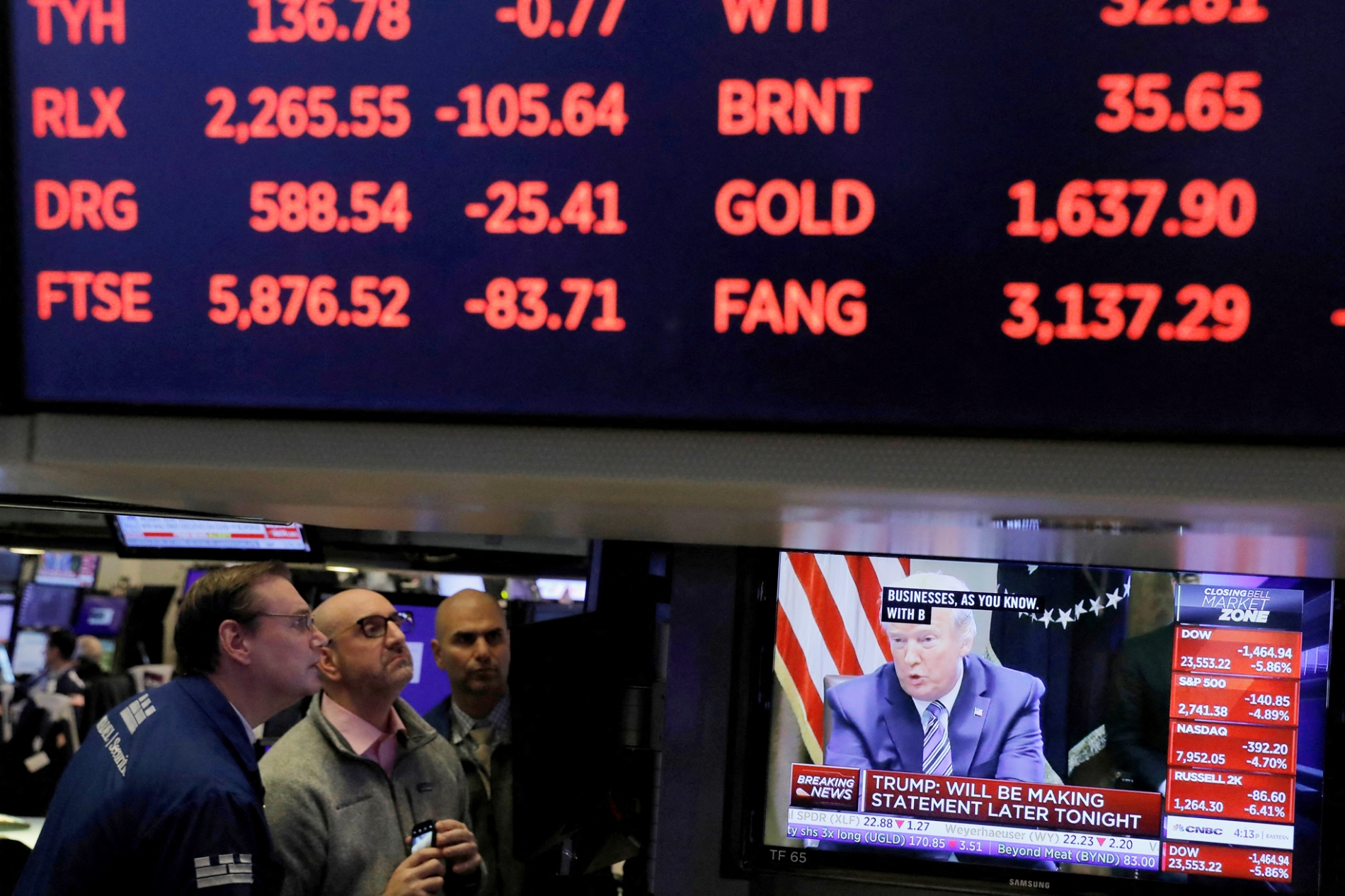
Stock markets reacted to an uptick in US inflation, suggesting that President Donald Trump's tariffs were impacting the American economy.

Two approaches

Warsh will also have to choose between two strategic approaches to the institution: fiscal dominance (under which monetary policy adapts to fiscal policy) and monetary dominance (under which monetary policy guides the economy). This debate opens onto a wider argument about the substance of democracy.

Some think that the granting of monetary policy (and therefore monetary dominance) to an unelected body equates to a theft of democracy. Others see the contested arrangement as preferable to 'leaving the cream bowl in the care of the cat'—even when that cat has democratic legitimacy, to borrow the phrase attributed to the economist Friedrich Hayek.

On his own, Warsh cannot to alter monetary policy as radically as he might like. He is first among equals on the Federal Open Market Committee, whose approval is required for any such change. His adoption of an accommodative policy is likely to meet resistance from other members. If, on assuming the chair, he was to call for a big cut in interest rates to stimulate growth and protect jobs, he may lose the support of members who prefer to keep rates where they are to avoid fuelling further inflation.

It is unclear whether Warsh could get consensus for his ambition to make a substantial reduction in the Fed's balance sheet

Conditions have deteriorated markedly since the Middle East crisis, with inflation reaching 3.3% in March, its highest level in two years and well beyond the Fed's 2% target. It is also unclear whether Warsh could get consensus for his ambition to make a substantial reduction in the Fed's balance sheet. Given the recent strains in bond markets, prudence would argue for moving more slowly.

Sombre warning

Finally, Warsh will urgently need to devise credible plans to confront the weakness and stagnation now taking hold in the credit sector, a situation that JPMorgan chairman Jamie Dimon has sombrely warned is "much worse than some people imagine".

It is not certain that Warsh will follow Trump's preferred course of cutting interest rates, on which basis he was nominated. Warsh's restrictive instincts may kick in, prioritising the prevention of runaway inflation over jobs in times of crisis. If inflation remains close to 3%, appeasing Trump will become secondary. 

font change