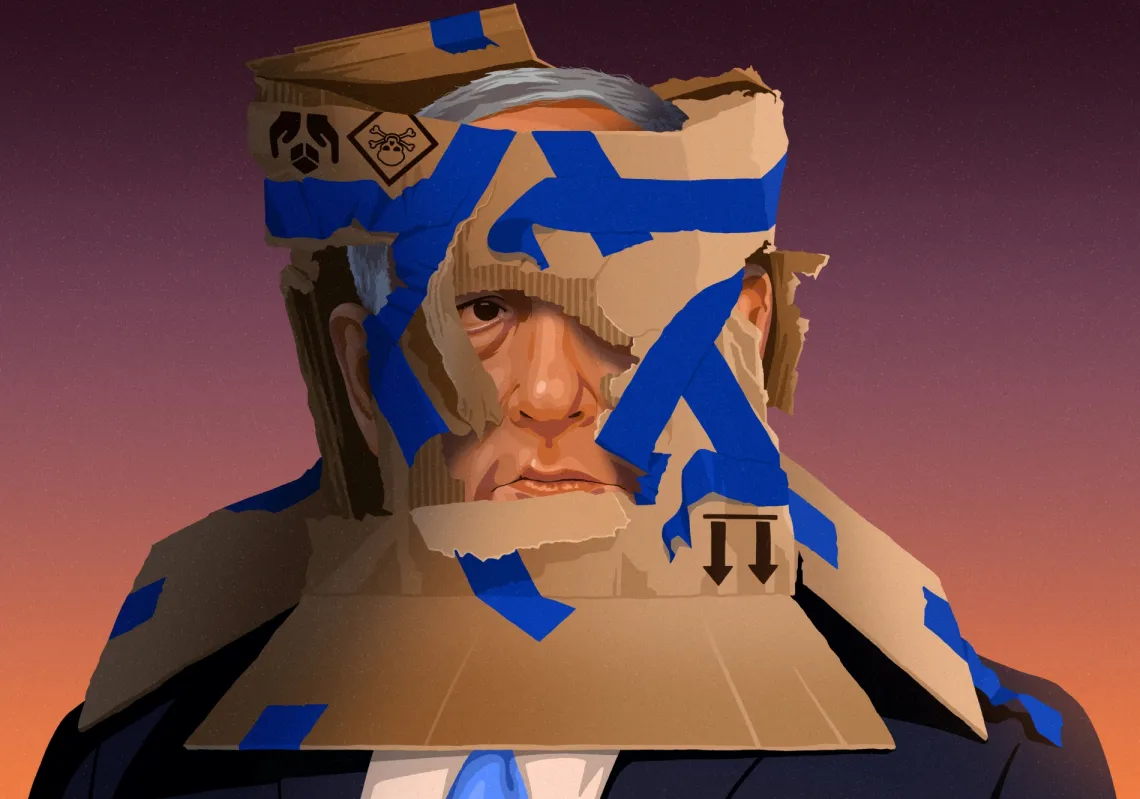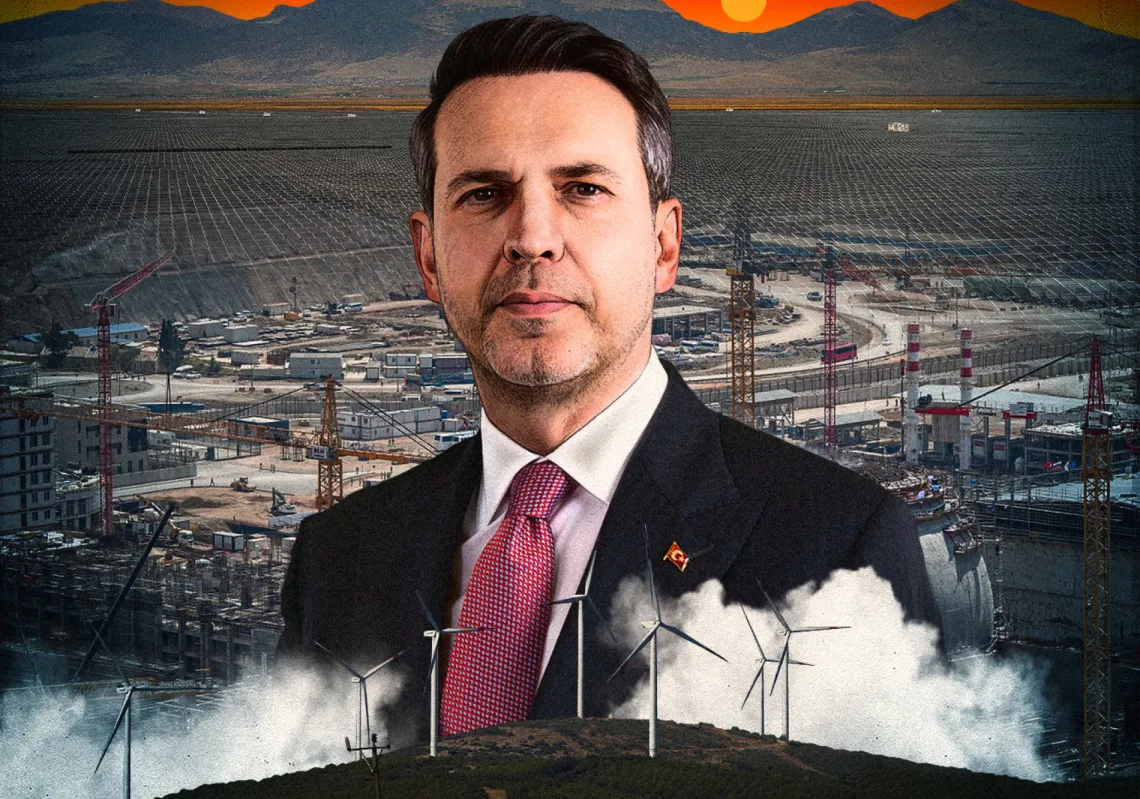
Ankara and Tel Aviv have been at each other's throats for years, not least over Gaza, while a change in leadership in Syria has thrown fuel on the fire. Thankfully, there are deconfliction mechanisms.
Al Majalla unpacks this new chapter in Middle East diplomacy, exploring the history behind the silence, present-day stakes, and the uncertain road ahead
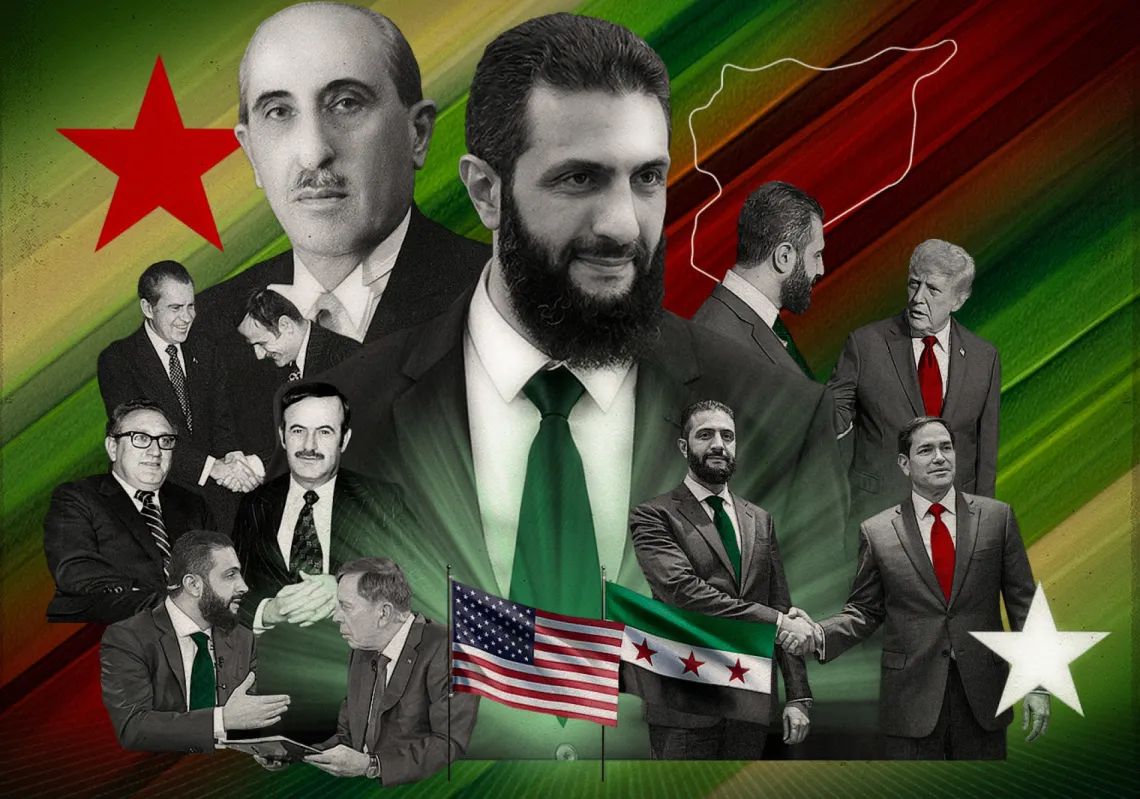
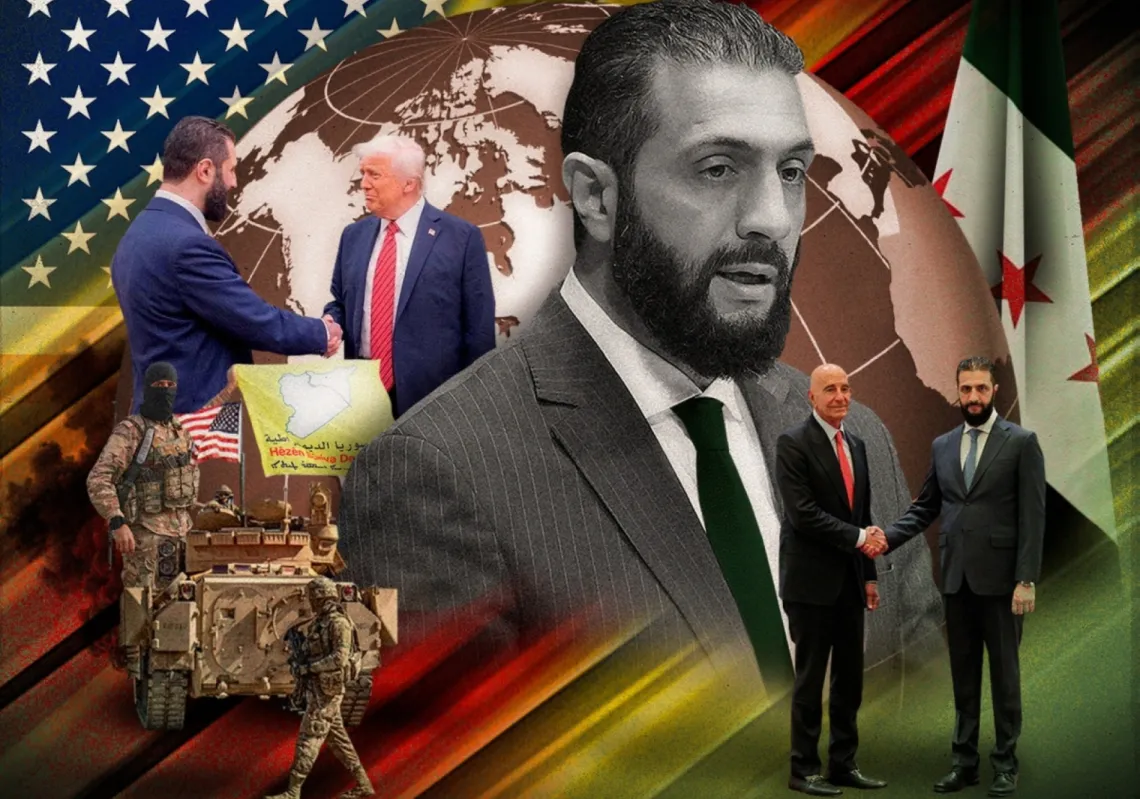
Trump's decision was crucial to restoring Syria's international connections and improving its economic prospects. However, much more needs to be done to ensure peace and prosperity for its citizens.
Firms relying on the recent wave of lifted sanctions and exceptive relief will face significant hurdles in verifying that transactions do not benefit excluded actors
The former US envoy to Damascus tells Al Majalla how to find a path to a lasting settlement and a new place in the Middle East, from his unique perspective and first-hand experience in Assad-era talks
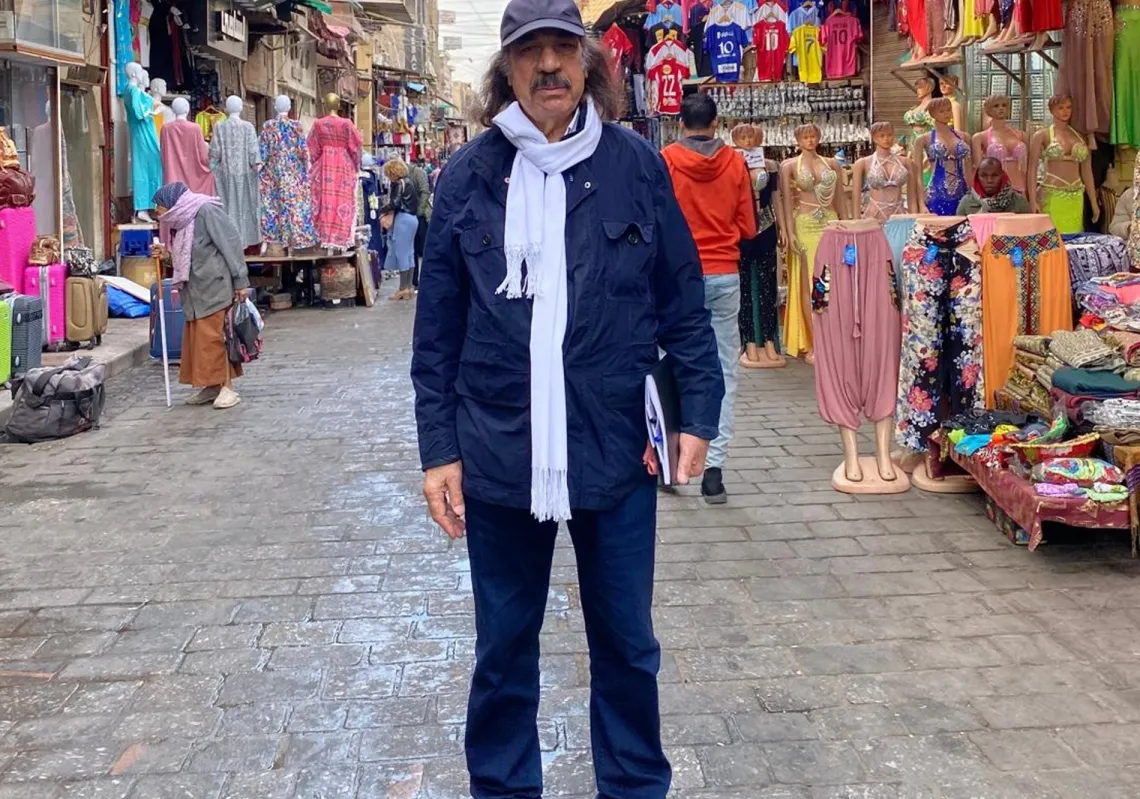
Syrian Jews who left the country over the years visited recently following the collapse of Bashar al-Assad's regime. For the first time in decades, they prayed at the historic Al-Franj Synagogue.
An investigative report by Al Majalla details the manner and extent to which the former Syrian regime used legislation to seized citizens' property across the country
Reconstruction projects will not be able to rely solely on direct grants and loans. Recovering economies will have to create conditions to attract regional and international investment as well.
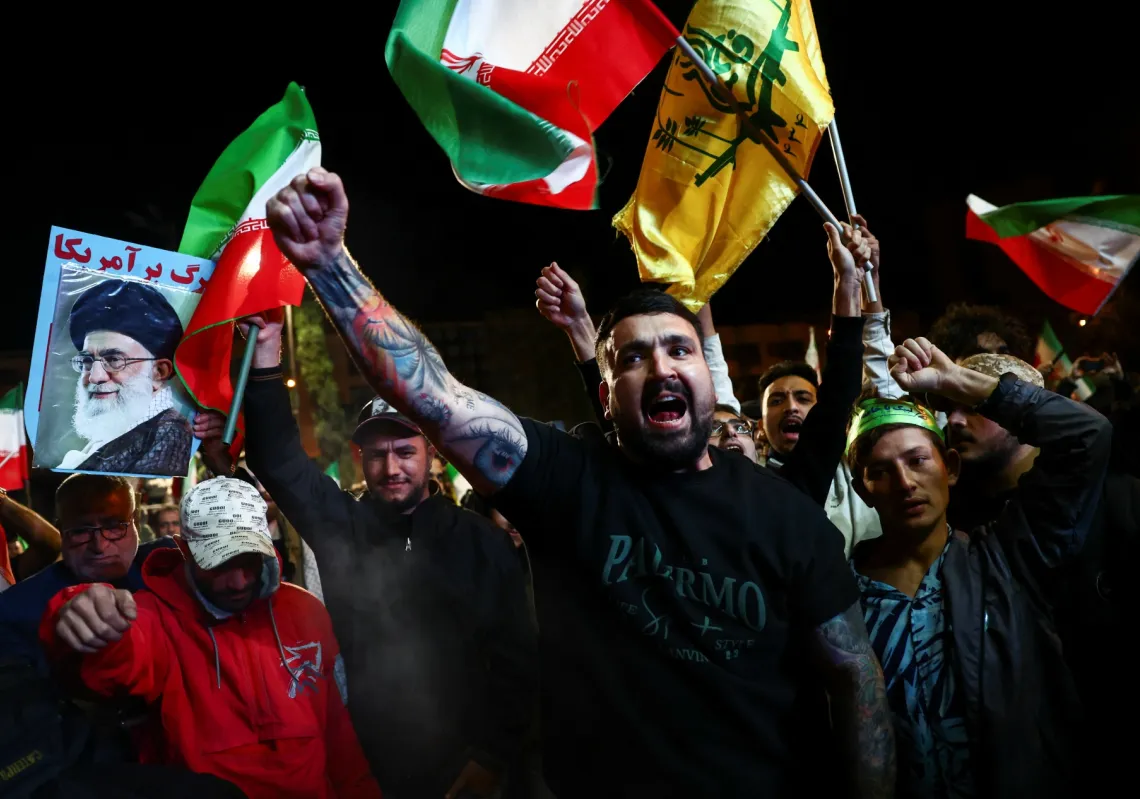
Khamenei has struck a defiant tone amid growing protests against his regime, but a series of regional setbacks, coupled with an emboldened Trump, could finally bring it down
Overcoming Yemen's fragmentation requires more support for the Riyadh-led path—one that rejects secession, all militias and institutionalises the state
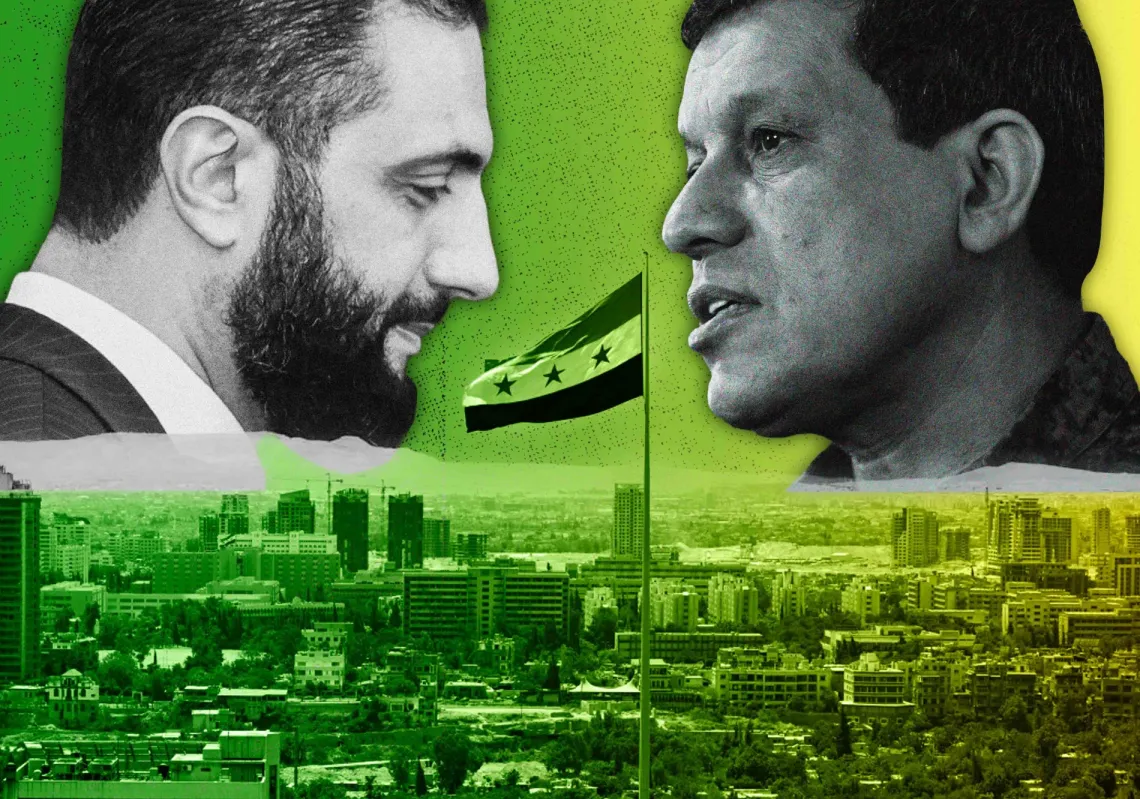
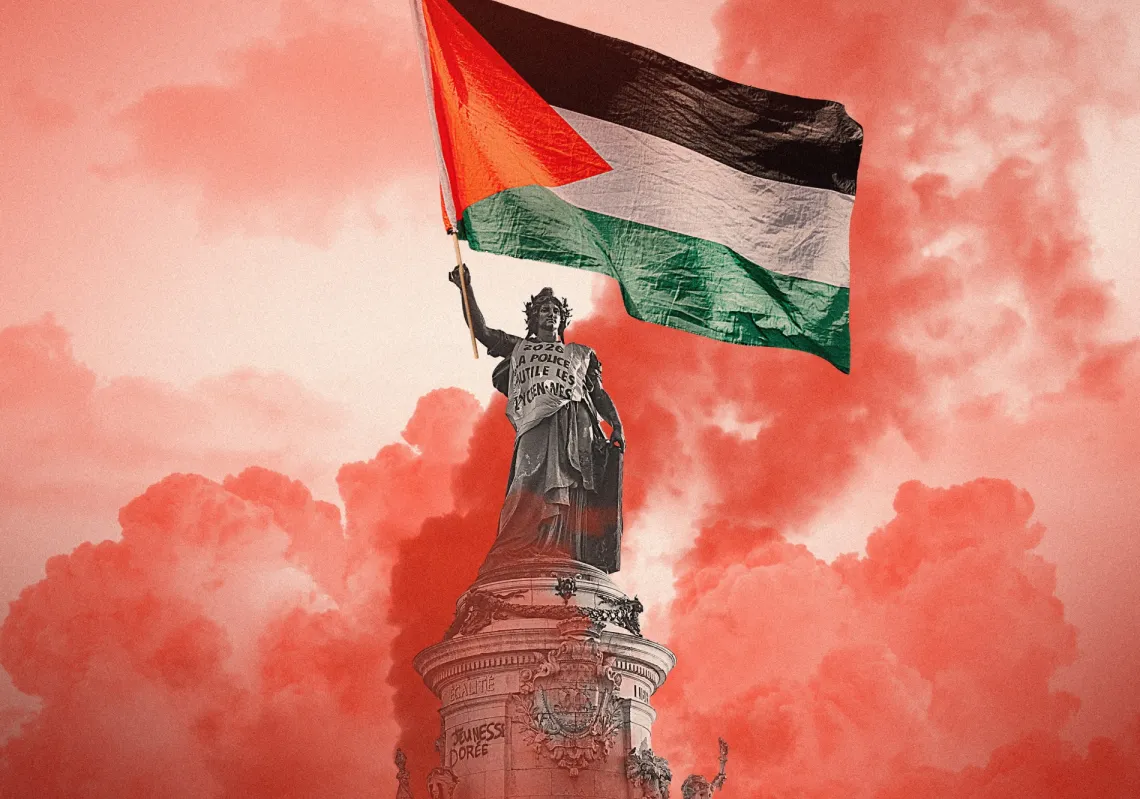
If fighting spreads beyond the predominantly Kurdish neighbourhoods of Ashrafieh and Sheikh Maqsoud and beyond Aleppo, there is a real risk that Syria could be dragged into a new civil war
Recently declassified meeting minutes between the two leaders show how Washington was well aware of Moscow's grievances over NATO expansion, but went ahead anyway