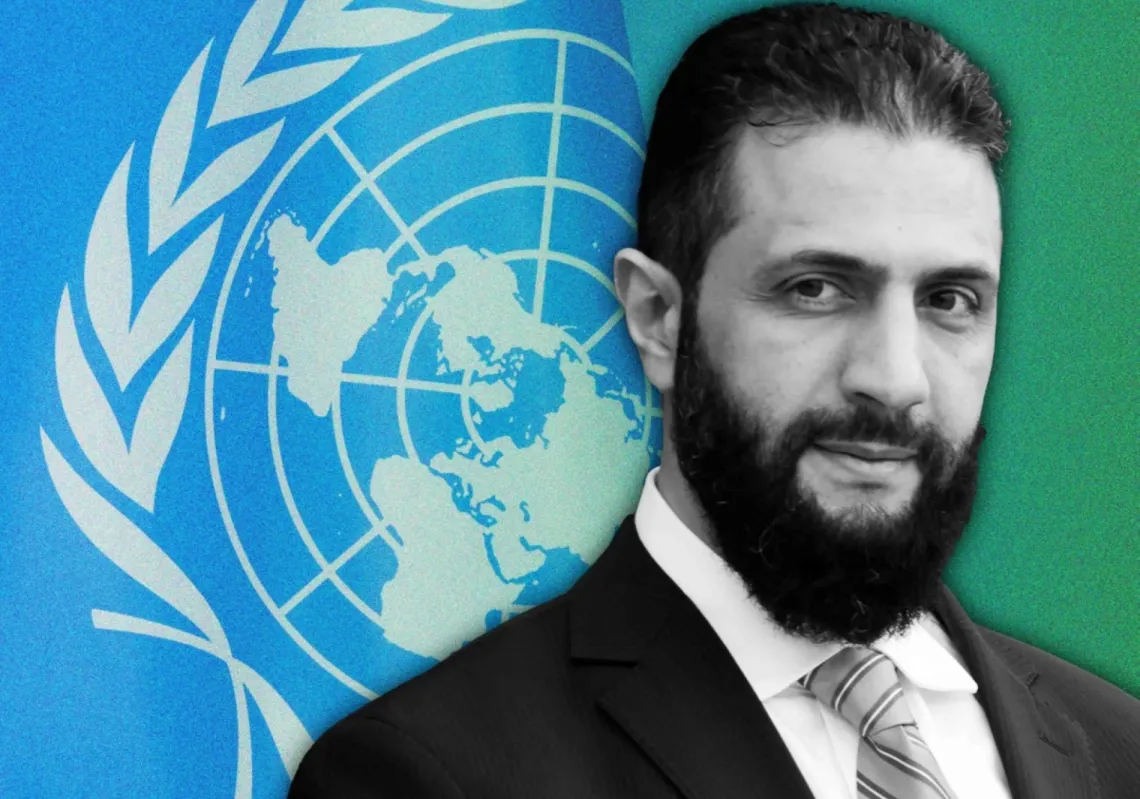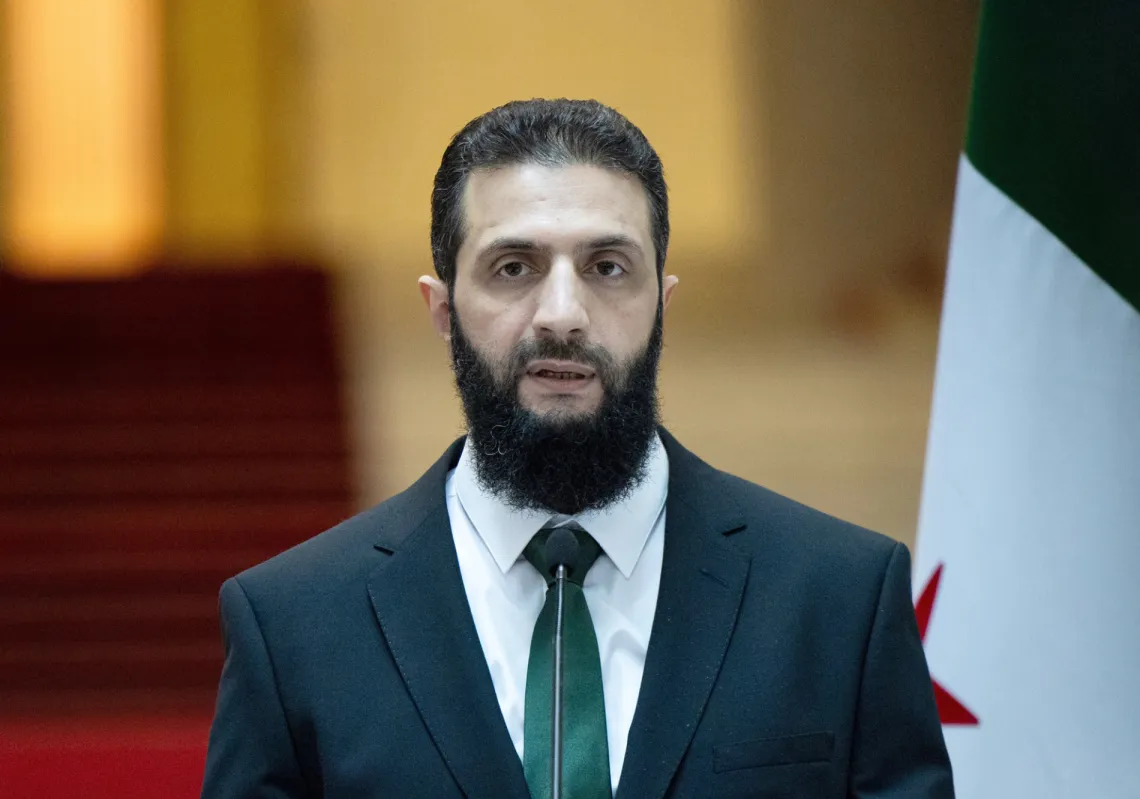
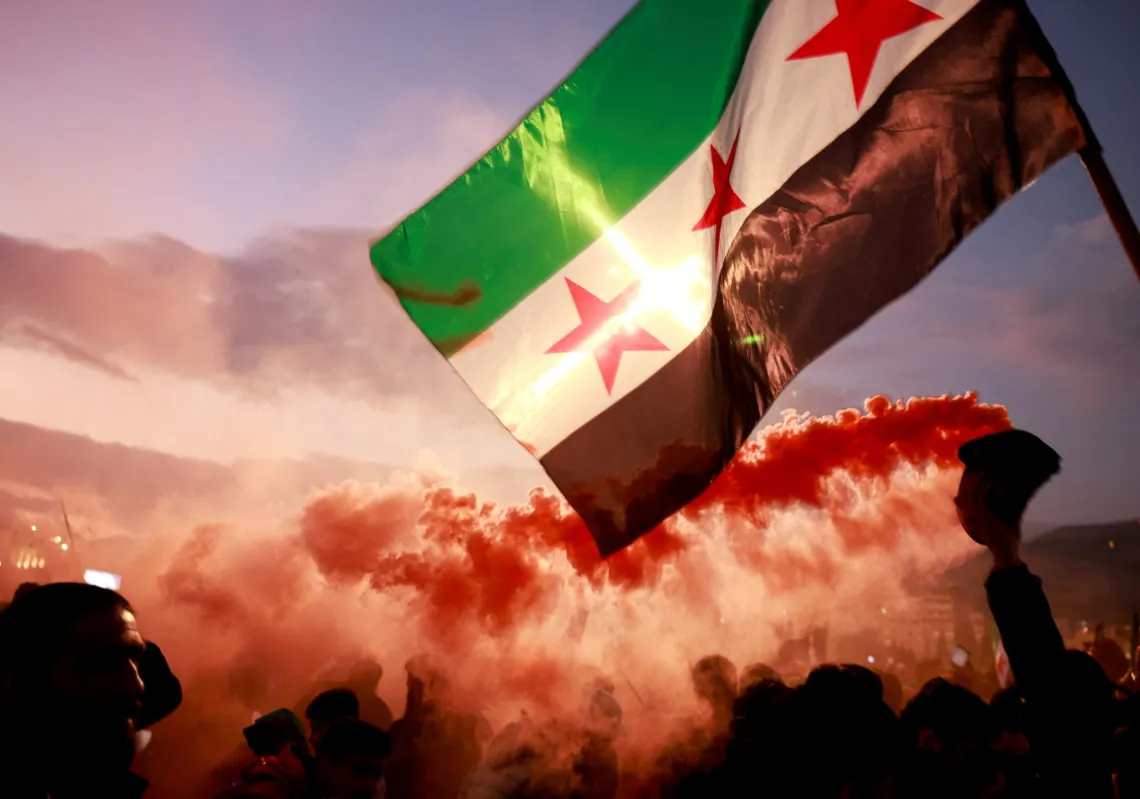
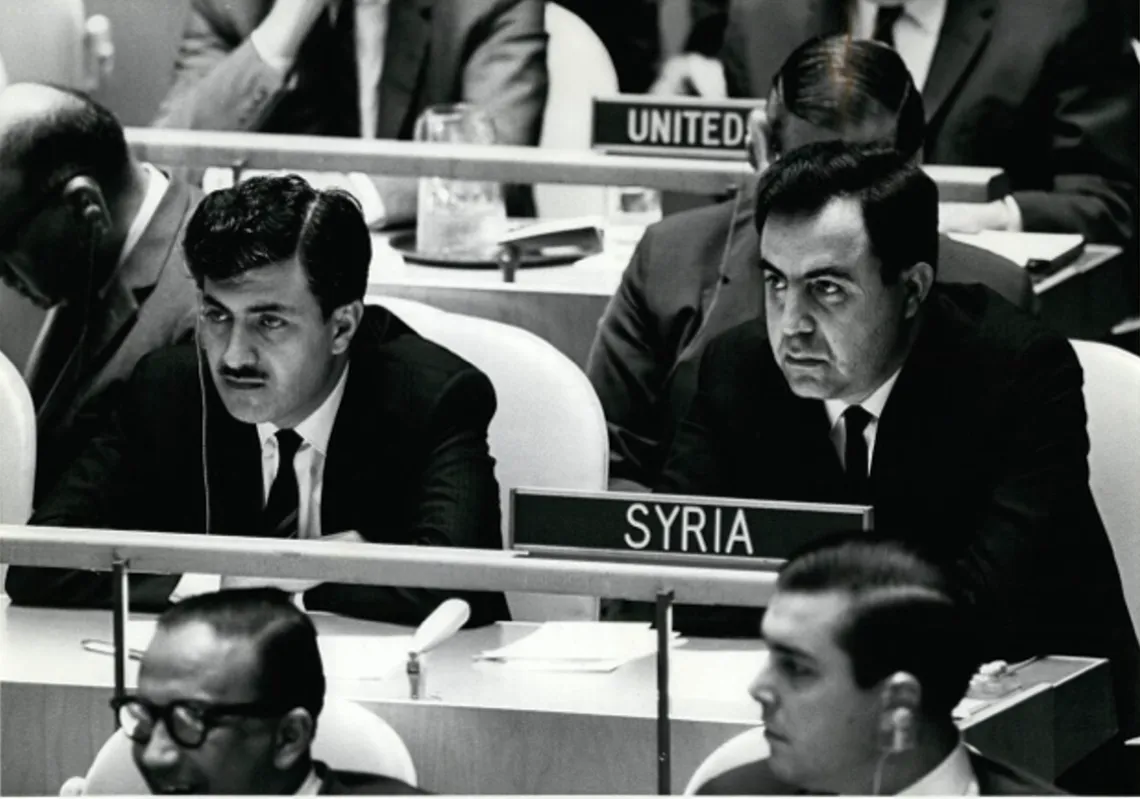
American Rabbi Abraham Cooper has just met Syrian President Ahmed al-Sharaa in Damascus, weeks after meeting Syria's foreign minister in New York. Al Majalla went to ask his thoughts.
Unresolved grievances, weakened security structures, and the unchecked proliferation of weapons threaten Syria's ability to chart a new course towards peace and prosperity
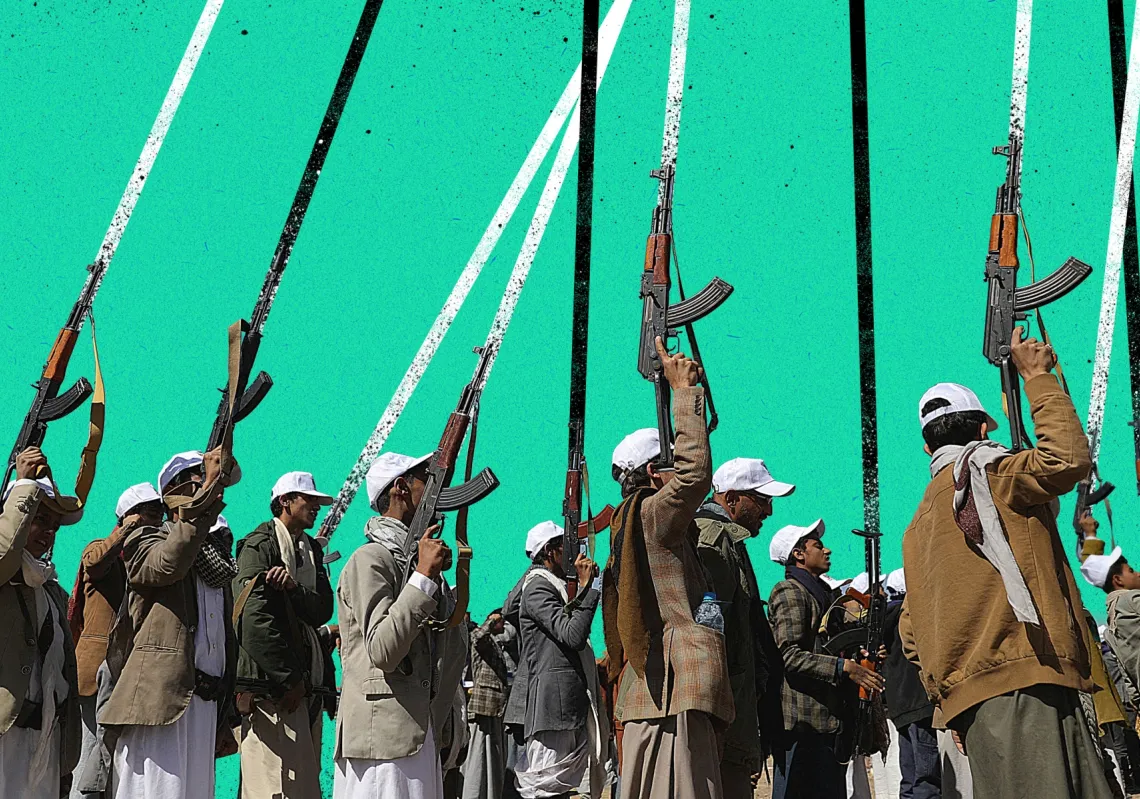
Smugglers and militias have been active along the country's boundaries in recent days, which could attract unwanted conflict. With resources stretched, Damascus is keen to contain things.
Thousands of Uyghurs from Western China spent 12 years in Syria fighting Islamist terrorists and Assad's army. With Assad gone, they are either incorporating into the Syrian military or civilian life.
After Donald Trump agreed to lift sanctions, Syria's central bank is now in the spotlight. Its independence needs to be protected from political interference through transparency and accountability.
The 'Detainees and the Disappeared' installation in Damascus enshrines harrowing stories of individual imprisonment into a collective archive to remind future generations of their pain and sacrifice
In light of forthcoming Syria-Israel peace talks expected to resume soon after they were suspended in 2008, Al Majalla takes a look at the history of negotiations between the two sides
It is both incoherent and self-defeating to hold al-Sharaa's government accountable for attacks while simultaneously obstructing its ability to govern and restore order in southern Syria
A flurry of decisions suggests that the end is nigh for US troops in Syria, and that this may come sooner than expected. In laying the foundations for withdrawal, Donald Trump wants 'out' by Christmas
Recently published documents show a US no longer willing to finance an international system that doesn't reflect its strategic priorities and allows its adversaries a seat at the table
After 16 years, there is finally a political transition in Budapest. This is an annoyance in Moscow and Washington, a relief in Brussels, and a warning to Europe's populists.
Satellite technology from China and data analysis from Russia have helped Tehran be far more precise with its missiles and drones in its war against the US and Israel.