A novelist who decried military rule, tracing it to the country's colonial roots, and a poet showing how tyranny destroys itself both resonate afresh as conflict rages in their homeland once more
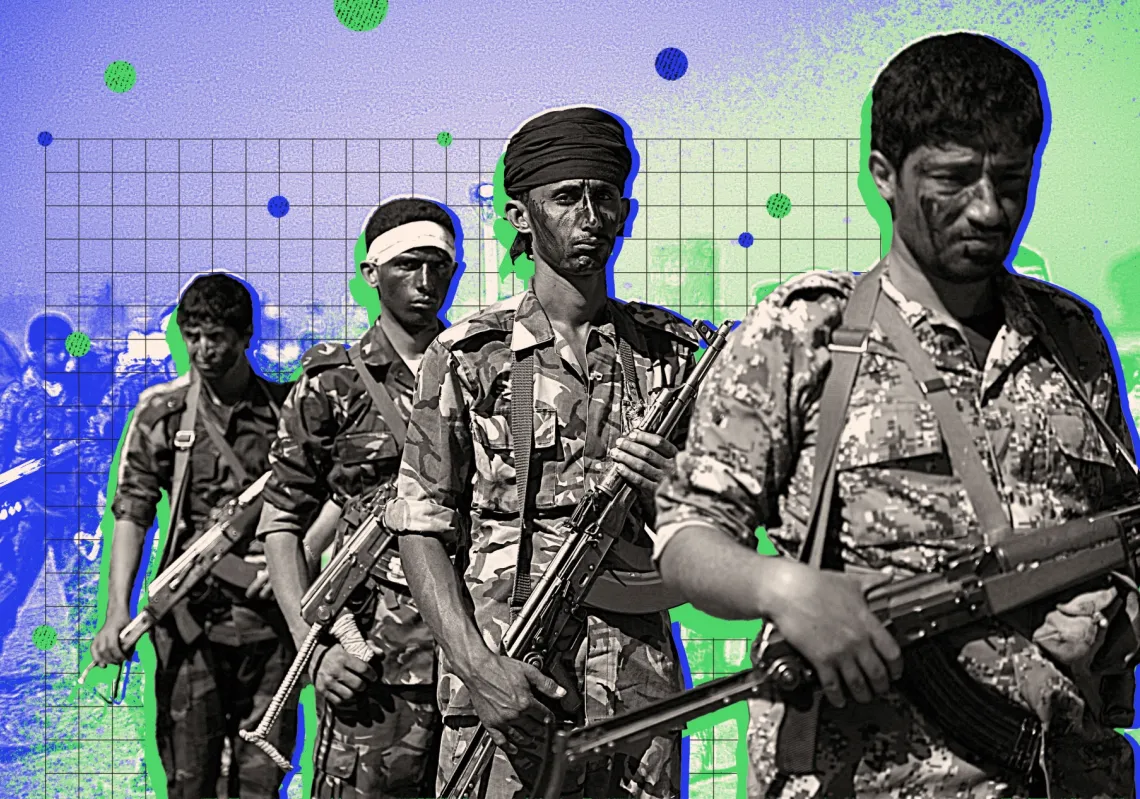
Fighting from Khartoum to Darfur endangers hard-won international support for economic development in one of the world's poorest countries. And there may be worse to come for the Sudanese people.
In early 1991, the late Sudanese writer Tayyeb Saleh penned an essay for Al Majalla lamenting the conditions of his country. We have decided to republish it today as it resonates with current events.
Known for avoiding politics, the man from the Nile River state insists on only one army in the country. That has set up a clash with a rival leader known as Hemedti and a delay to civilian rule.
UN Envoy to Sudan Volker Perthes says that civilians and the military have come to the realisation that they must talk to each other and cooperate to move the country forward
Shaibani held several calls with the Mossad chief days before the strike, explaining why the airport's runway was being rehabilitated and that it had no hostile intentions, but Israel bombed it anyway
Ambassador Asim Iftikhar Ahmad speaks to Al Majalla about Islamabad's diplomatic role in the talks between the US and Iran, its balancing act between Tehran and Riyadh and the Mecca Pact
From Apple's chips to Nvidia's data centres, Israeli tech has embedded itself in the global tech ecosystem. This comes with grave national security implications.
Balancing the competing interests of regional and global stakeholders is no easy task. Can the president keep Syria from becoming an arena for regional conflict?