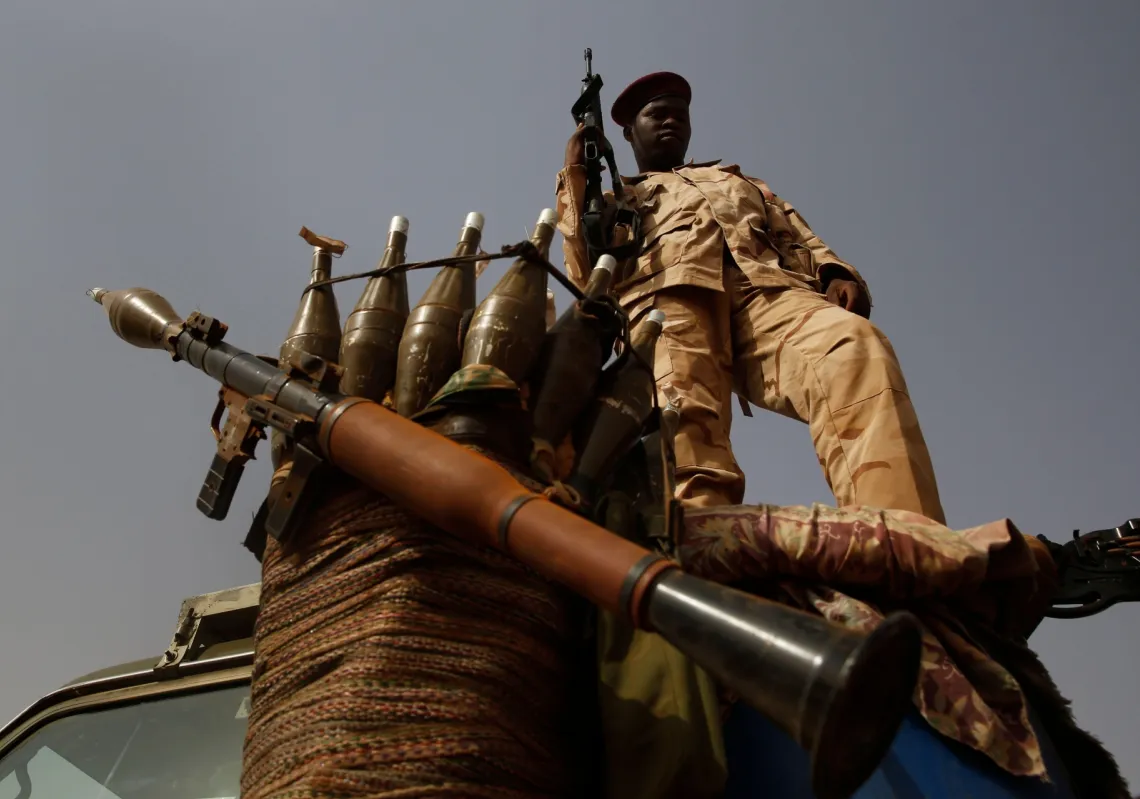
The transfer of sovereign decision-making to external management structures would inevitably cater to the interests of contributors rather than the Sudanese people
Is the Red Sea moving toward an ordered space governed by capable states or toward a grey zone edging toward disorder? Read our February cover story to find out.
In places like Yemen, Sudan, and Somalia, which all have long coastlines along key maritime routes, the authority of the state and its institutions needs to overcome the forces of disorder.
In Yemen, Somalia, and Sudan, the state has ceased to function as it should. This has led to problems not just on land but at sea, making this trio one big and urgent international issue.
For Cairo, stability in its southern neighbour is a national security issue. After almost three years of seeking a diplomatic solution, there are signs that it is now turning to firepower.
Washington seems to have changed its tone after the RSF committed atrocities in October, putting increasing pressure on the foreign backers of a paramilitary that now controls Darfur. What next?
When there were allegations of ethnic cleansing in Darfur in 2003, celebrities and others were up in arms. Today, with 60,000 reportedly killed in three weeks, protests are few. Why the change?
Sudan's army needs a Russian lifeline to avoid collapse in the ongoing civil war. The price is a naval facility in Port Sudan, giving Moscow access to the Red Sea.
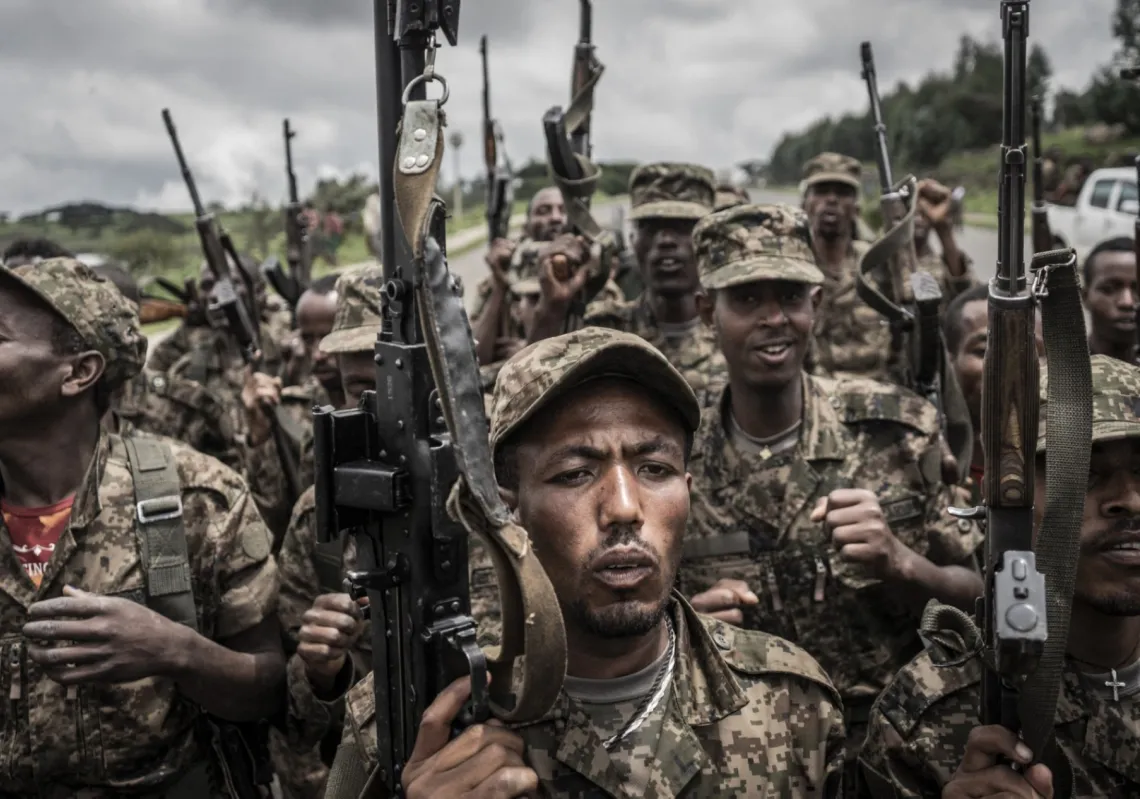
Created by then-Sudanese President Omar al-Bashir, the Rapid Support Forces have ripped the country in two. This is what happens when a state gives up its monopoly on the legitimate use of force.
The RSF's complete control of Darfur could facilitate smuggling, terrorism, and mass displacement, potentially giving Egypt a big problem on its southern border
When states are attacked, authority gravitates towards institutions capable of mobilising resources, enforcing discipline, and coordinating a military response
There are few examples of successful US regime-change operations in history. And without permanent ground troop presence, these wins can easily be reversed.
Cairo and Tehran have been at loggerheads since 1979, but the Iranian threat has always acted as a check on Israeli ambitions. If Iran is completely defeated, Israel will reign supreme.