
Something is underway behind-the-scenes in Sudan, where a brutal civil war has raged since April 2023. External actors and some domestic parties are believed to be working towards a settlement, relying mainly on the failure of the warring parties—the Sudanese Armed Forces (SAF) and the Rapid Support Forces (RSF)—and their backers to deliver the decisive victory they promised.
After three grinding years of war, popular support for the two sides has dwindled, and few now think either the SAF or RSF could take the country through any post-war period, so there is now a sense of timing and opportunity. In developing a pragmatic solution for a riven and war-torn Sudan, Africa offers many lessons from past peace initiatives. The new plan being developed will therefore rest on the realities of war and of the situation in Sudan today.
The latest US Security Council session on Sudan was held on 26 June. There were calls for an urgent three-month humanitarian truce to end the war, but similar past calls have not been heeded. The discussion was frank, clear, and sharp, amidst a sense of change. A striking recent development was SAF commander Gen. Abdel Fattah al-Burhan's agreement to a prisoner exchange with the RSF, the first since 2023.
Agreeing to hand prisoners back to the RSF marks a substantial shift for the SAF and will have repercussions for the wider debate. Under pressure from the Jeddah peace platform, led by Saudi Arabia in cooperation with the United States, the SAF last released 30 underage soldiers and 200 adults in 2023, whereas the RSF repeatedly releases batches of SAF prisoners, including more than 500 police, framing these handovers as “gestures of goodwill”.
The recently agreed prisoner exchange is thanks to the United Nations, specifically the Secretary-General's Envoy for Sudan, Pekka Haavisto. The army welcomed the initiative on 25 June 2026, in a statement by Foreign Minister Mohieldin Salem, published by the official Sudan News Agency (SUNA). “The Government of Sudan is keen to safeguard the lives of its citizens across all parts of the country,” he said.
Shifting tone
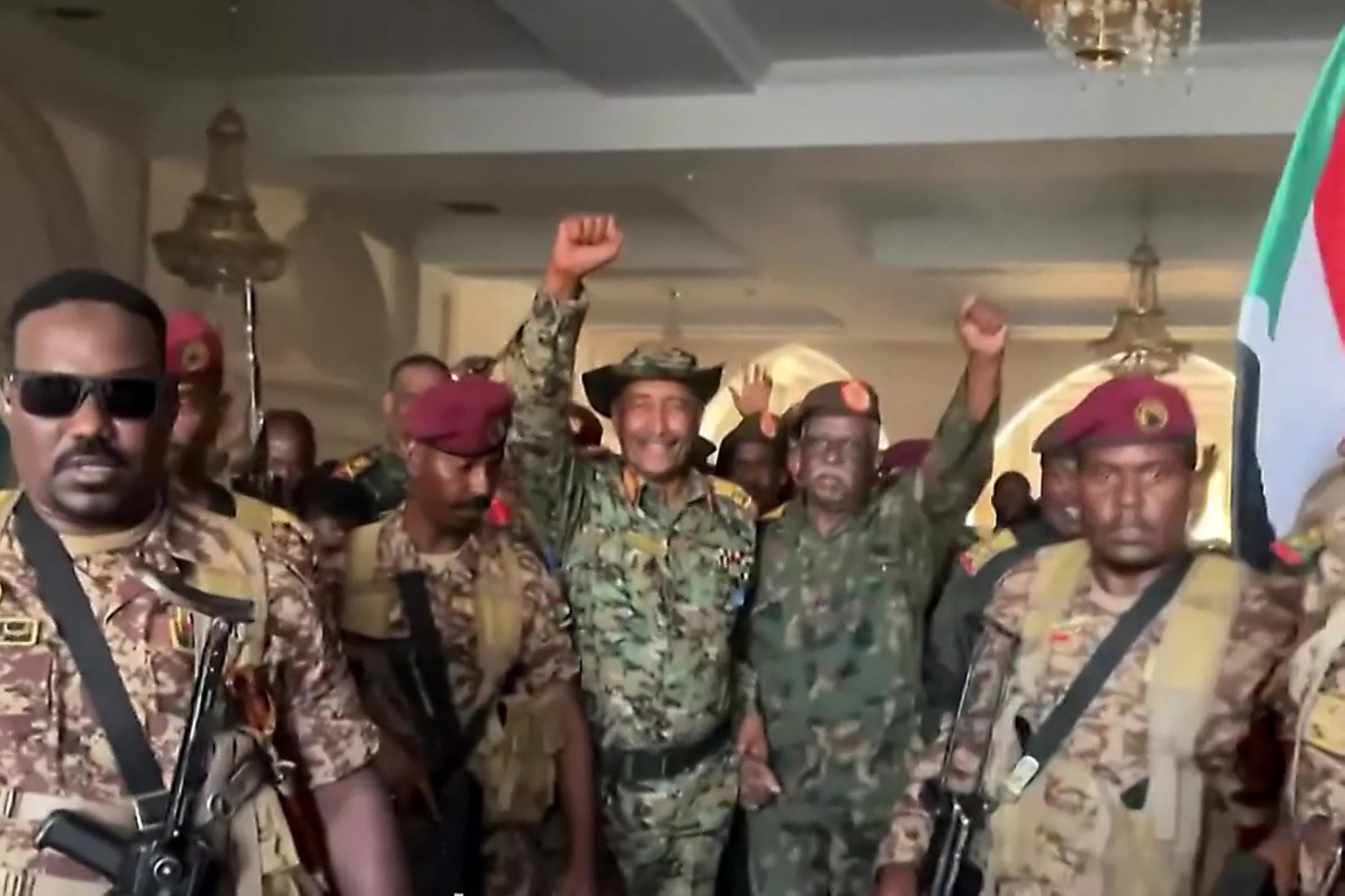
Until now, al-Burhan’s rhetoric has centred on “eliminating” the RSF entirely, unless they voluntarily surrender their weapons. Threats of eradication extended to any civilians believed to be cooperating with the militia. Salem's statement that the government is “keen to safeguard the people of Sudan across all parts of the country” represents a sizeable shift in tone and intention.
For three years, the SAF leadership has portrayed any Sudanese people who fall outside their ranks—especially those who led the revolution that overthrew their rule—as traitors and agents. Likewise, anyone who called for an end to the war through negotiation was, in their words, an RSF supporter. Many observers attribute this stance to the Islamist parties propping up the SAF and al-Burhan.
Islamists' role in supporting the war has changed significantly and visibly over the past two months. Some attribute this to their newfound need to 'keep their head down' after the United States' designation of the Islamic Movement and the al-Baraa Bin Malik Brigade as terrorist organisations. Others believe that their support for Iran in recent months has embarrassed the army and led to issues of trust.