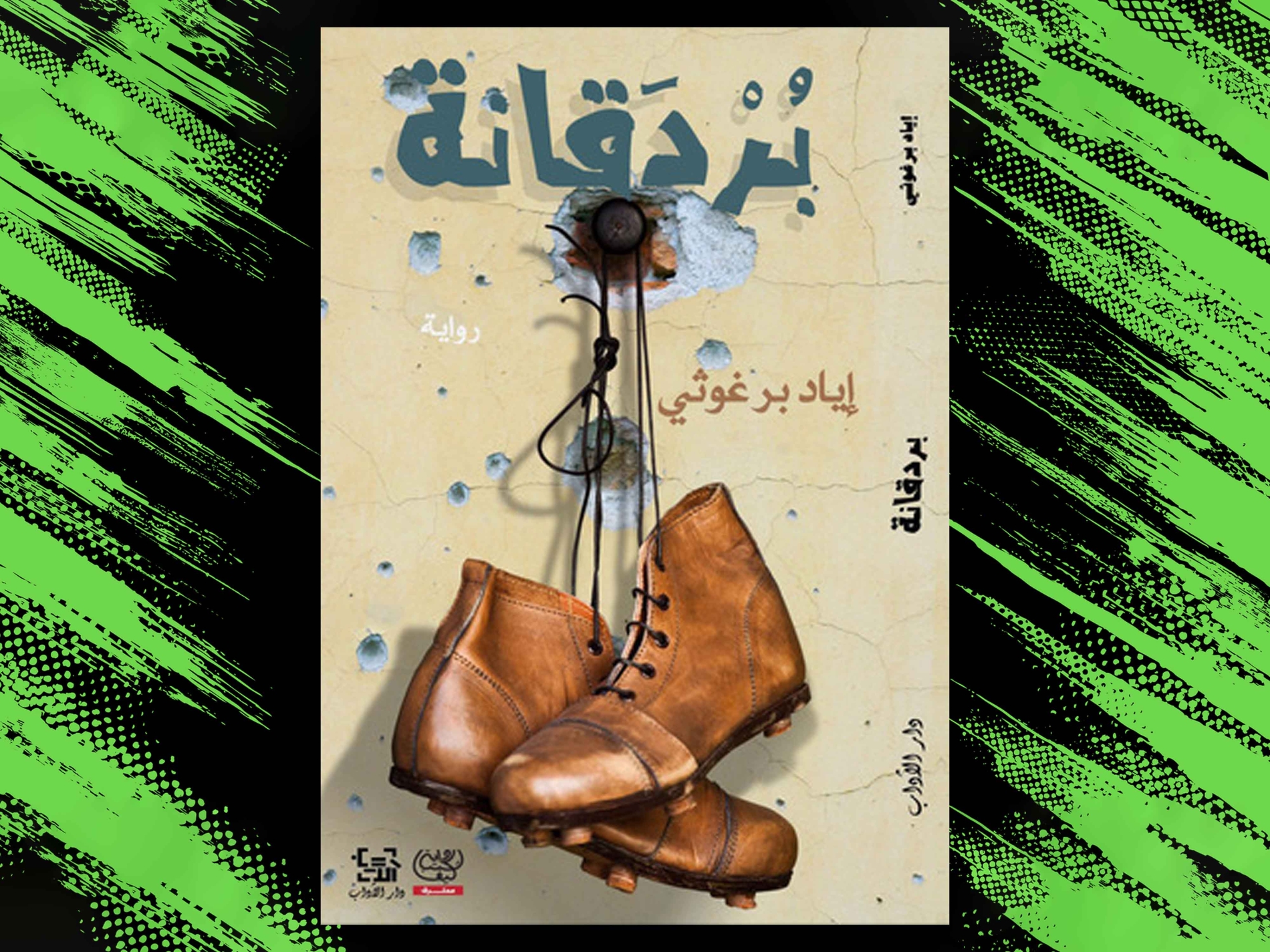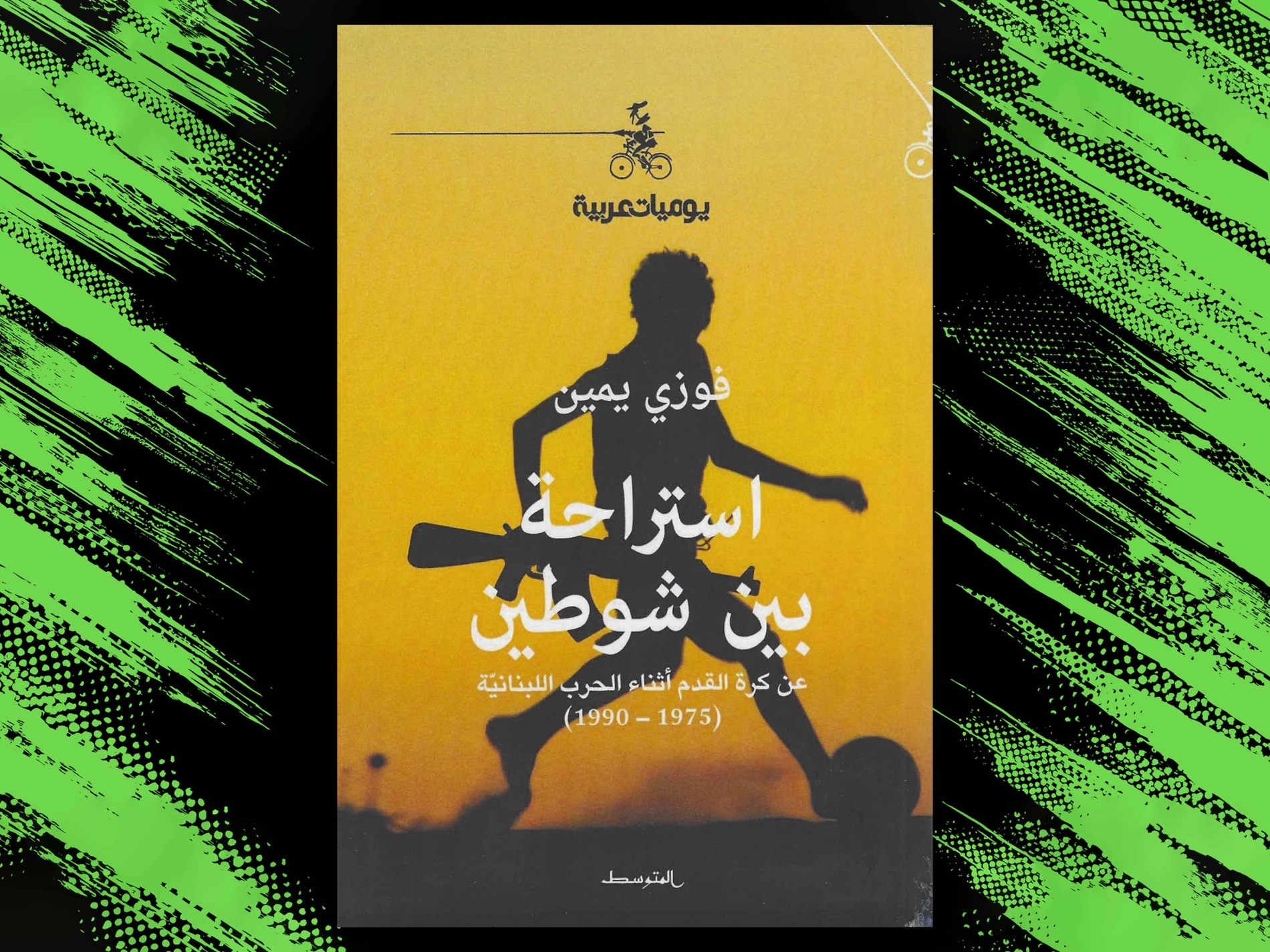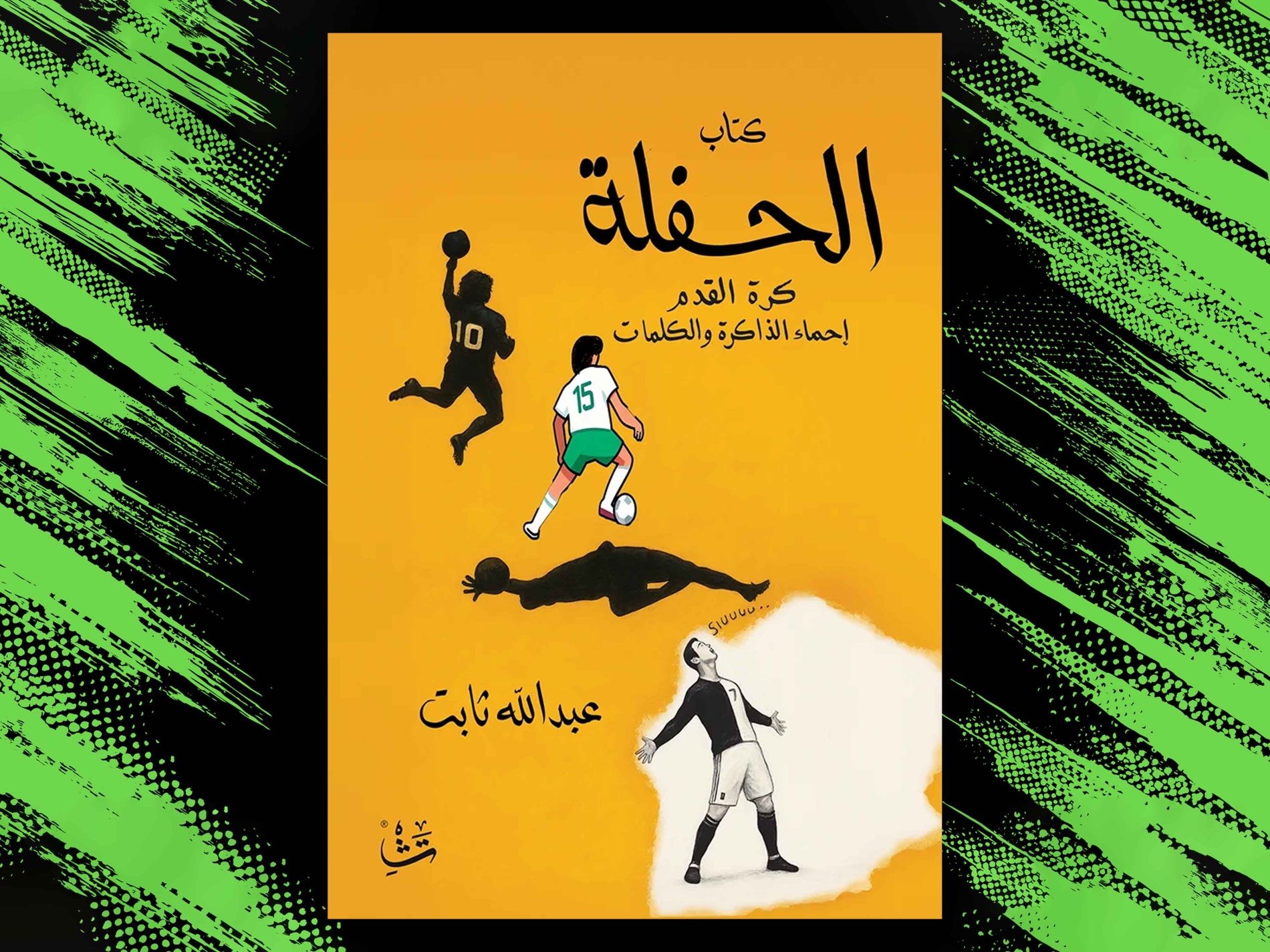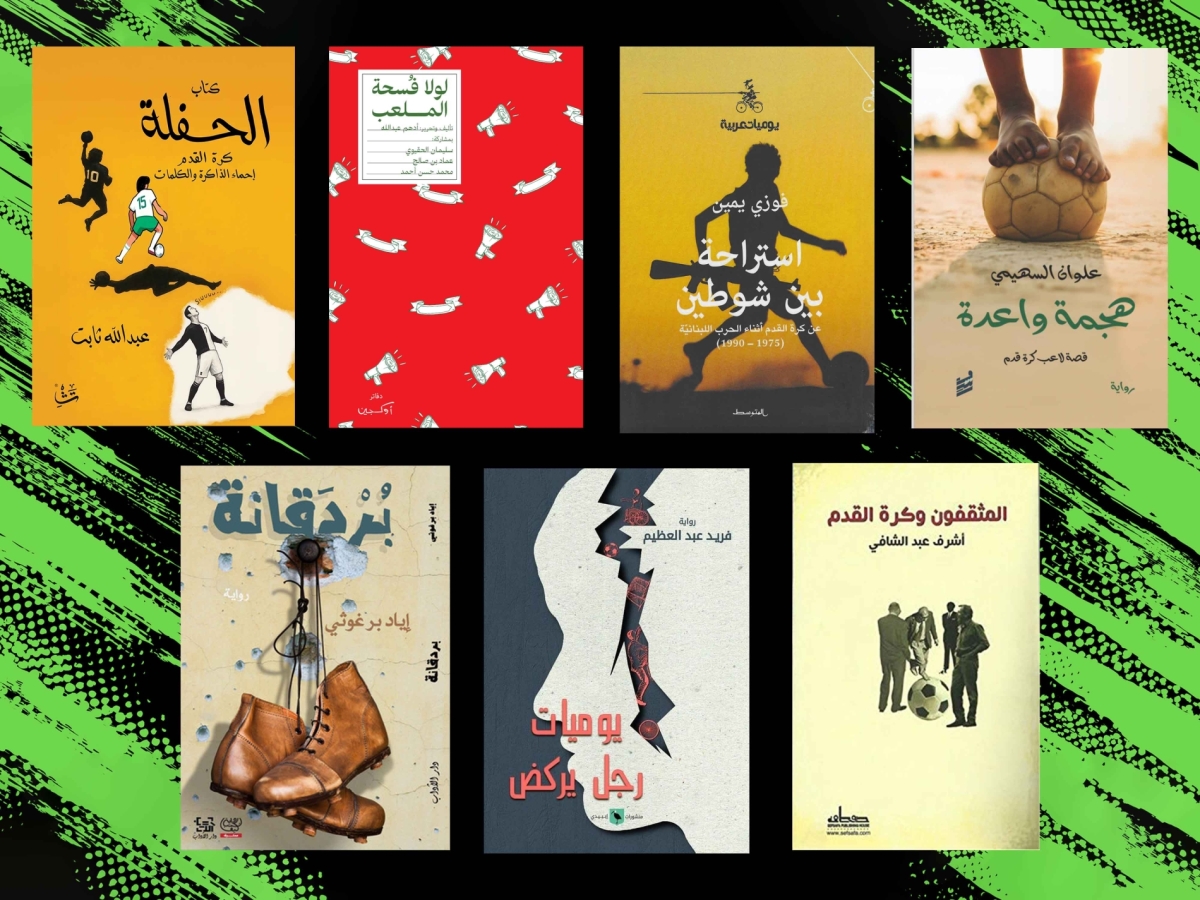

Just as in many other parts of the world, football commands an interest and a passion in Arab societies that is rarely rivalled by alternatives. This helps explain why so many writers and artists have a connection to the game, and an allegiance to one club or another. That passion and connection have resulted in numerous literary works. Here, Al Majalla looks at seven books that help encapsulate why football means so much in the Arab world.
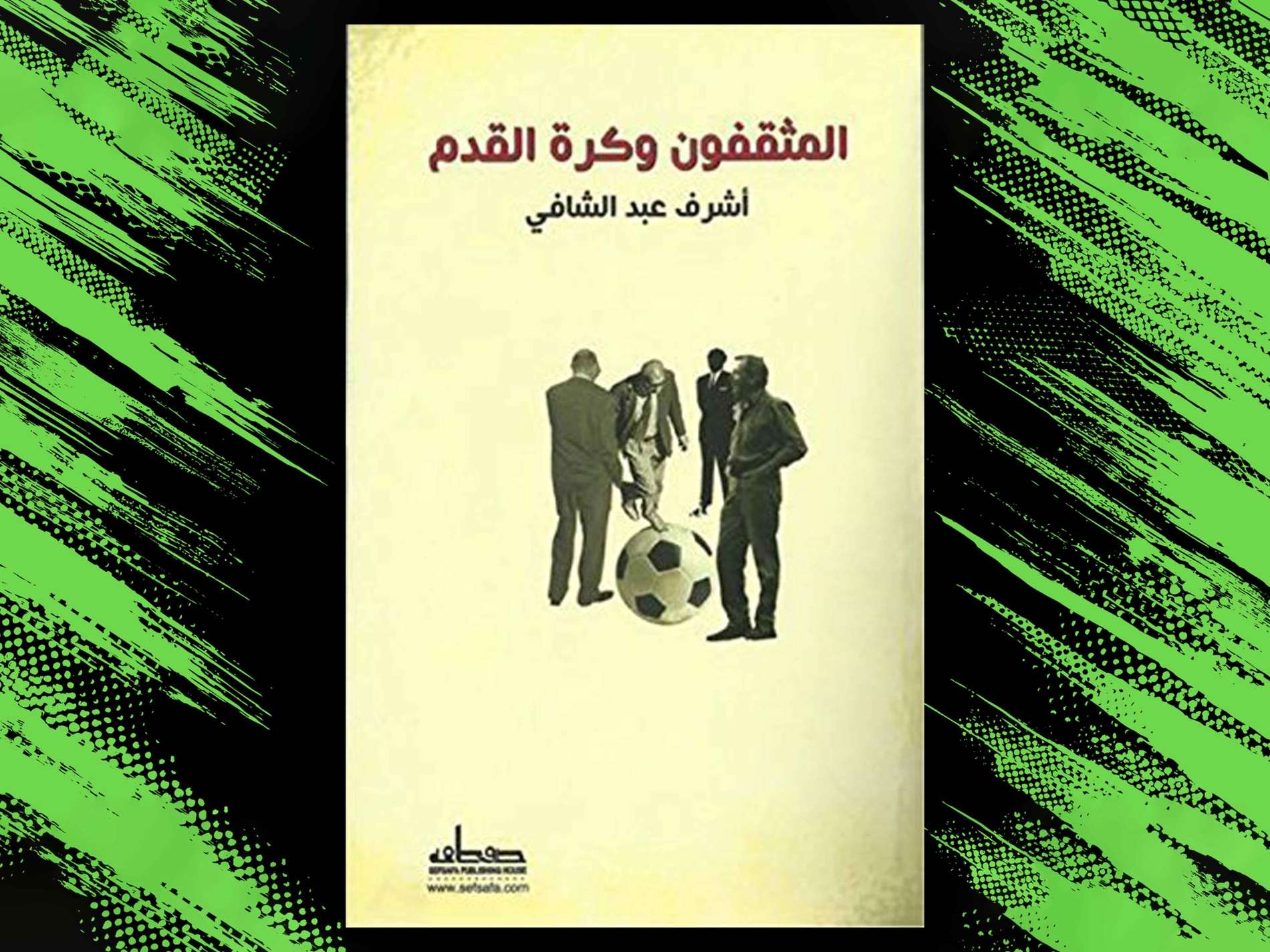
Intellectuals and Football
In this book, Egyptian writer Ashraf Abdel Shafi records a wealth of stories and anecdotes about major literary figures and their relationship with the beautiful game. He begins with the Iraqi poet Maruf al-Rusafi and his famous line: “They went to sport as players, and among them was a ball whose play brought bodies into harmony.” He then moves to Palestinian poet Mahmoud Darwish, author of the phrase “football is the noblest of wars,” before turning to Egyptian novelists Khairy Shalaby and Ibrahim Aslan.
Shafi divides his book into two sections. In the first, he examines the experience of playing football among major literary figures, including Egyptian writer Naguib Mahfouz, a skilful player in the 1920s and 1930s, who was deft at dribbling and blessed with remarkable speed. The Nobel laureate played in Cairo’s Abbasiya district and only gave up to start university.
Abdel Shafi refers to several writers brought together by The New York Times in a feature titled Writers Who Can Also Play. Among them was Russian-American novelist Vladimir Nabokov, an exceptional goalkeeper, and Turkish novelist Orhan Pamuk, who played at left-back. Brazilian novelist Jorge Amado also professed a love for football, who saw in it the pleasure of the poor, and Spanish writer Javier Marías, for whom it was the most beautiful sport in the world, allows us to ‘return to our childhood’.
There is a chapter on the relationship between Egyptian colloquial poets and football. Ahmad Fouad Negm’s passion for football is well known and he maintained close friendships with several footballers, whether at Ismaily, Arab Contractors, or other clubs. He once told Shafi that football had “possessed” his mind, and that he would watch matches repeatedly, as though he was watching them anew.
For him, the game remained one of the most important sources of pleasure and excitement for ordinary people in Egyptian society. He immersed himself in the crowds and chants. He even wrote some supporters’ songs. One of his famous poems was for Al Ahly, in which he said: “O Ahly, my love, a piece of my heart.”
The book includes numerous other stories and remarks by writers and thinkers, among them Farouk Shousha, Abdel Moneim Said and Fahmi Howeidy, all of whom emphasised football’s importance and its ability to bring people closer together in ways that diplomacy and politics cannot.
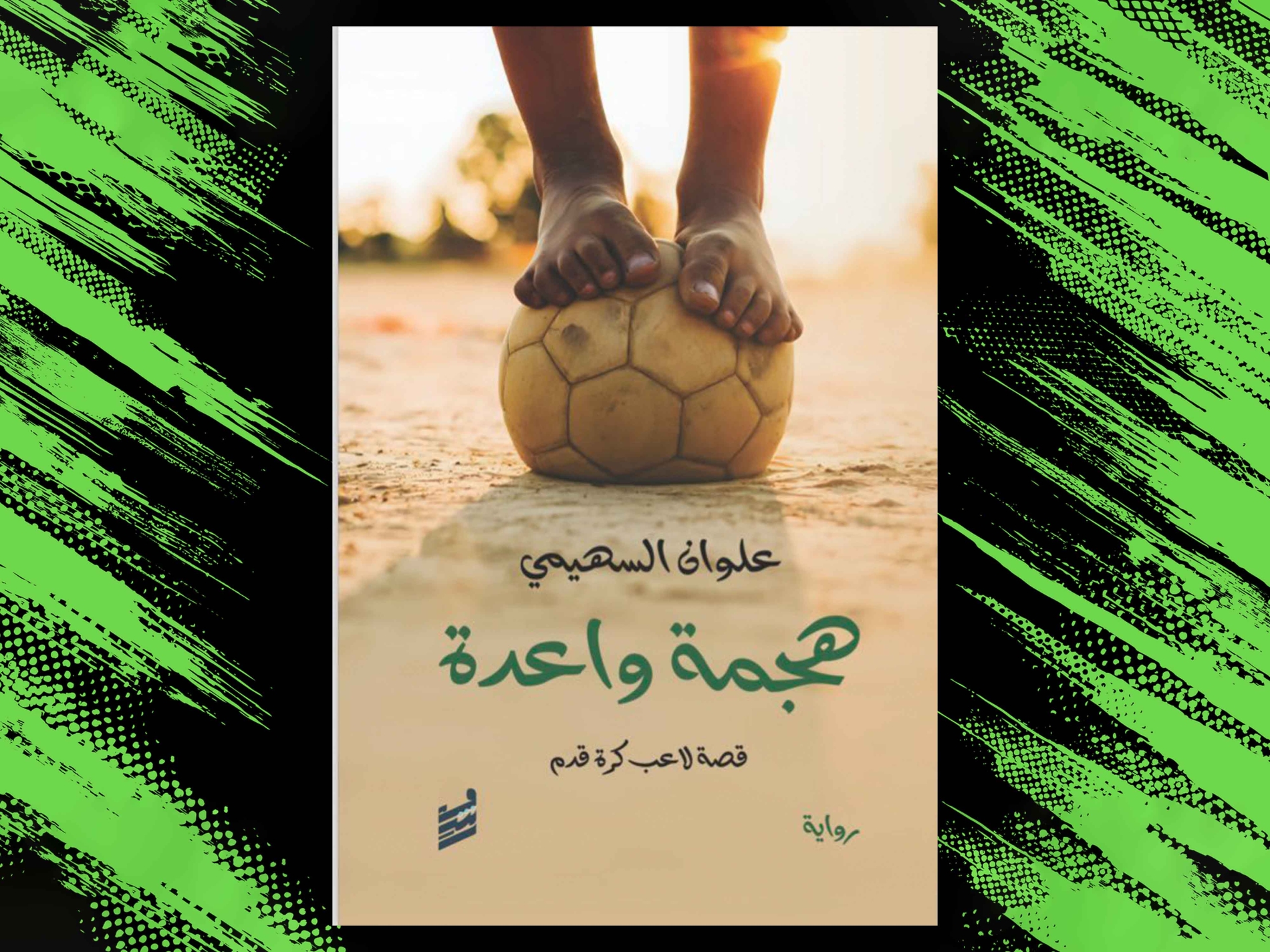
A Promising Attack
The Saudi writer Alwan al-Suhaimi’s novel A Promising Attack (Rashm, 2024) follows Walid, a footballer from Tabuk’s poorest neighbourhood who becomes one of the most celebrated players in his favourite team, leaving behind his studies and his family in pursuit of the dream.
The novel opens with the death of the protagonist’s mother and his crushing sense of responsibility for her passing. From there, we follow his journey, from playing football on the school team and dreaming big, to the upheavals that wealth and luxury bring. Around him are the complicated, tangled relationships of the footballing world: players, coaches, contracts, rival interests, and hidden details.
The novel’s scope extends beyond football. It explores the collision between a village upbringing and the world of the city, as Walid moves to the capital, Riyadh, where many of his ideas and convictions begin to shift. Another transformation follows when he travels to London and meets his beloved Thuraya, in whom he finds everything a young man at that stage of life might dream of.
Yet that story remains incomplete and his life soon unravels. He discovers the hardships, problems, corruption, vested interests and favouritism of elite sport. In the end, he cannot adapt to that strange and unforgiving world, and returns to his homeland empty-handed.
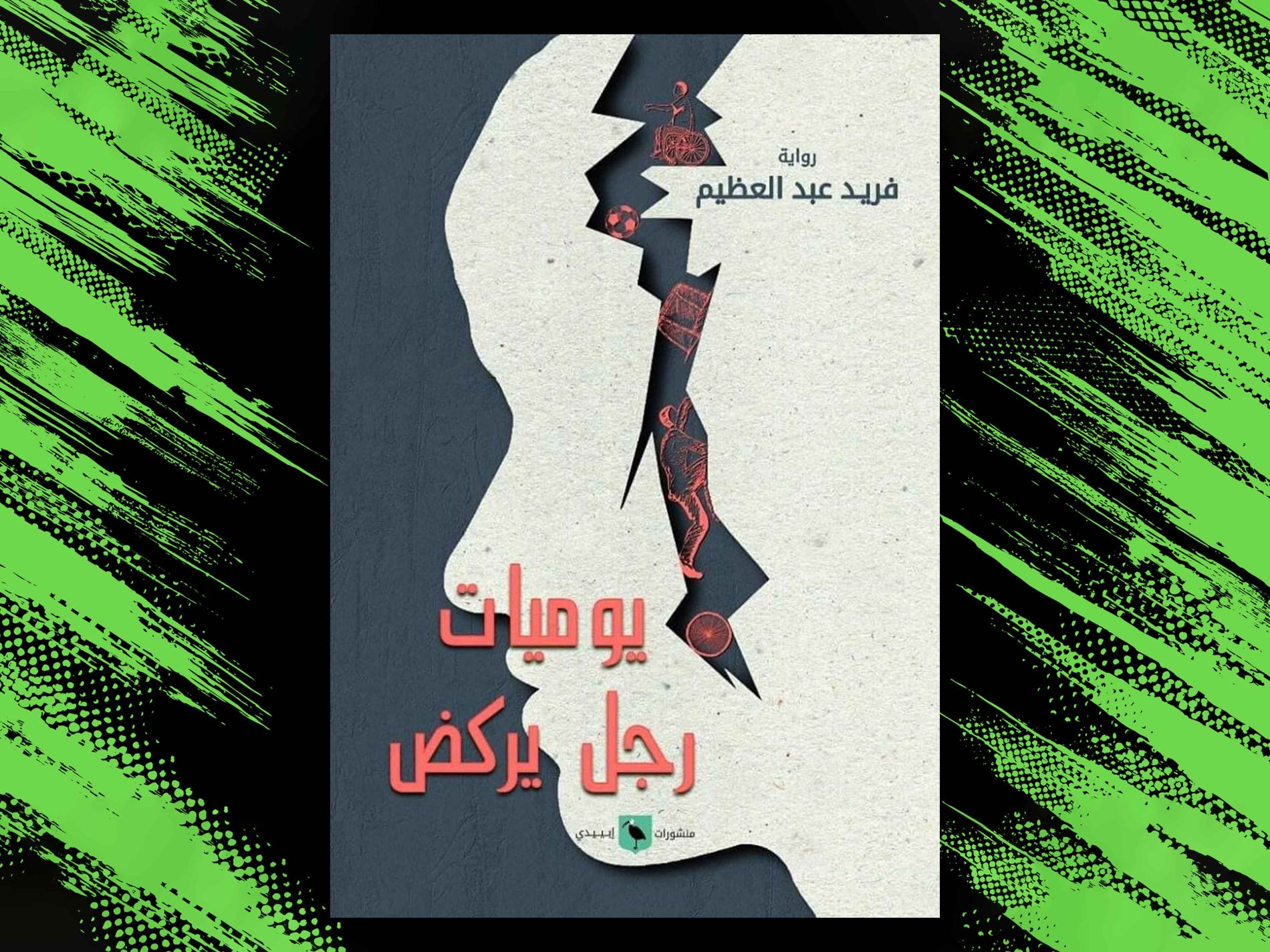
Diary of a Running Man
Abboudah’s story differs somewhat from Walid’s. The protagonist of Egyptian writer Farid Abdel Azim’s 2019 novel begins by fighting everyone around him simply for the right to watch matches. Throughout his school years, he feels that this game will change his life, and that he is destined to become a footballer. We come to know Abboudah’s life, his relationship with his family, and with the family of his friend, Michael, with whom he shares an intensely private bond that unites them through the adventures of youth and adolescence.
After overcoming a series of problems and setbacks, Abboudah joins a club beyond the confines of his own world. Moving from one club to another, his character and ambitions change, until he is playing alongside some of the top footballers. Along the way, readers meet a coach nicknamed ‘The General’, a broadcaster known as ‘Maestro’, and the wealthy but frail Zika, his most important supporter.