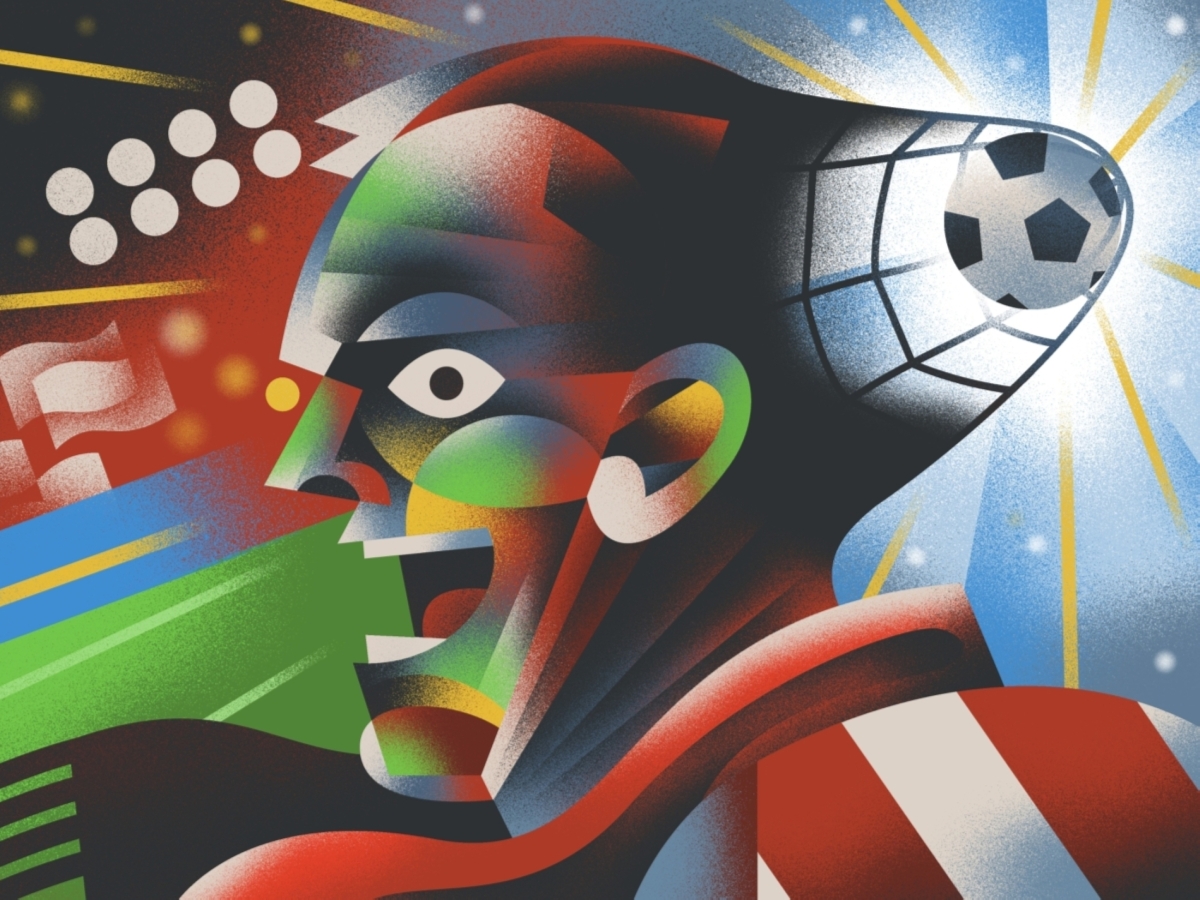
More than a game: a look inside the mind of a football fan

As the FIFA World Cup 2026 shows, identity, belonging, and tension combine to make football fandom unlike any other sport. So, what is going on in fans' brains?

Dave Murray

More than a game: a look inside the mind of a football fan

In the first 29 minutes of the World Cup semi-final between Germany and Brazil on 8 July 2014, Germany scored five unanswered goals. The Brazilian crowd, hosting the tournament on home soil, was plunged into a state of collective disbelief. Some were in tears, others frozen in shock. Many just stared, confronted with a national calamity. After 90 minutes, Brazil had suffered a remarkable 7-1 defeat.

Why did millions of Brazil fans—most watching from living rooms or local cafés—experience such profound distress? Scientific research suggests that what unfolded that night was far from unique. Football fans cross continents to follow their teams. In their support, they spend lavishly, whether on the official kit or match tickets. To many, criticism of their team can feel like a personal slight. On the face of it, this can seem puzzling, but science provides compelling explanations.

In the 1970s, social psychologists Henri Tajfel and John Turner developed social identity theory, which explores how group membership shapes thought, behaviour and emotion. According to their framework, individuals understand themselves not only through personal traits but also through the groups to which they belong. The fortunes of those groups can therefore influence one’s sense of self-worth.

The theory begins with social categorisation: people naturally sort themselves into groups. Over time, the group becomes woven into the individual’s identity; its values and norms are adopted, and its failures can feel personally frustrating. This helps explain why fans feel despondent when their team loses. We also compare our group with others, seeking superiority. Such comparison bolsters self-esteem and deepens pride and belonging. Here lie the psychological roots of a fan's bias.
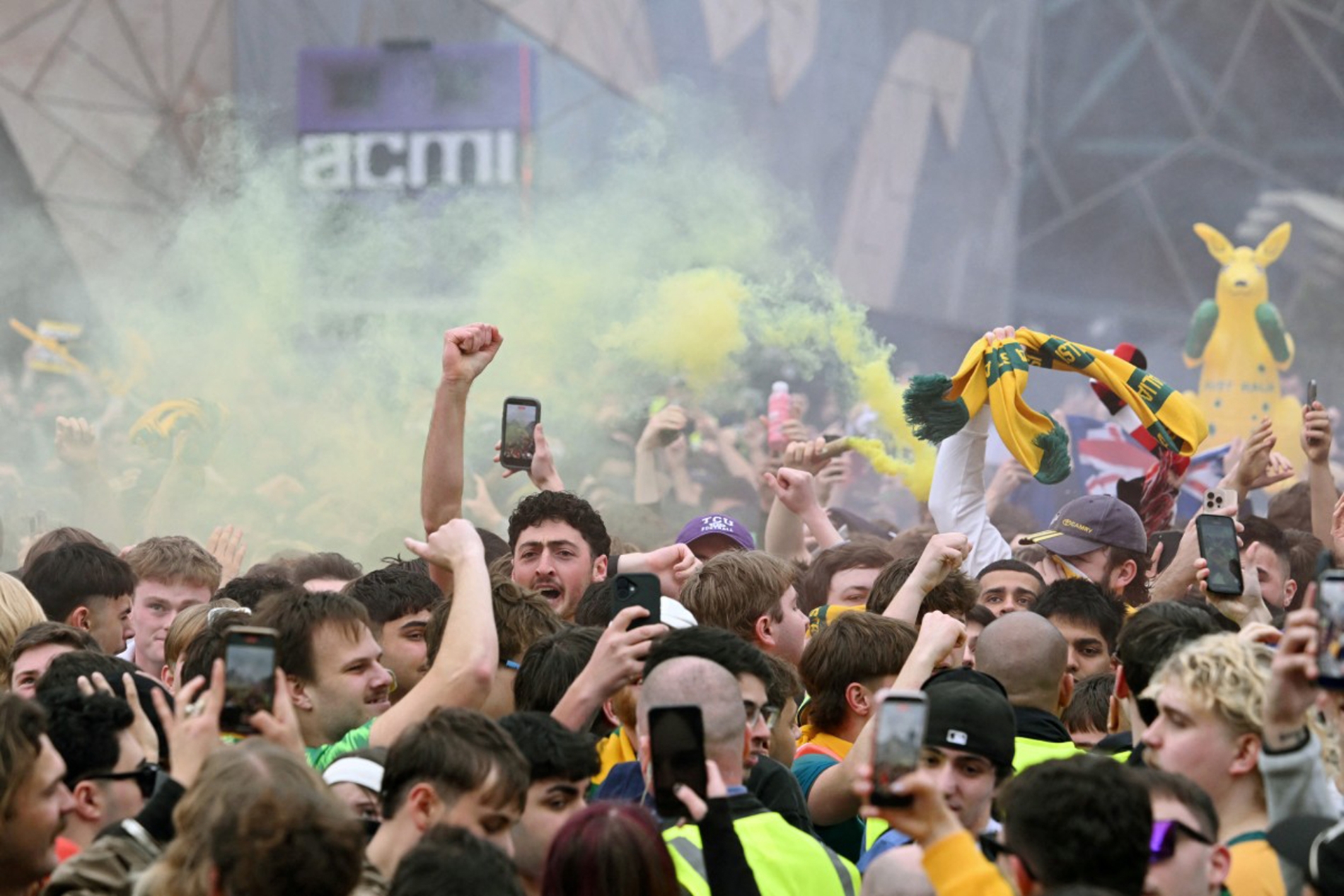
AFP
Fans celebrate an Australian goal while watching a live broadcast of the 2026 World Cup Group D match between Australia and Turkey on a giant screen during a public viewing event in Melbourne.

A study published in Frontiers in Psychology in June 2025 found that social identity theory does indeed explain fan bias, the link between victory and heightened self-esteem, and hostility towards rivals. Yet it falls short when confronted with more extreme behaviours: travelling thousands of miles to attend matches, sacrificing time and relationships, defending a team with near-personal ferocity, or incurring debt in the name of loyalty.

To account for these, the study proposed identity fusion theory as a complementary lens. Identity fusion describes a deep overlap—even a merging—between personal identity and group identity. The individual comes to feel that their fate and the group’s fate are one, and that the group is an extension of themself. In such cases, personal and collective identities operate in tandem, making extreme loyalty, sacrifice, and uncompromising positions more likely.
Science proves that football is more than a game. It is an experience of identity in its fullest sense, where the psychological, physiological, and social converge.

Social fusion

A systematic review published in the European Review of Social Psychology in 2023, covering around 90 studies and 36,880 participants across nine countries, confirmed that identity fusion is strongly associated with extreme pro-group behaviour. Those who feel fused with their group are more willing to sacrifice, fight, or even die for its interests. The link between fusion and fanaticism tends to be stronger among the young, before fading with age.

A brief study conducted among Brazil fans during the 2014 World Cup examined the relationship between identity fusion and salivary cortisol, a hormone associated with stress. A 2020 study published in Stress and Health found that highly fused fans exhibited elevated cortisol levels during matches. The 7-1 loss produced one of the strongest stress responses recorded.

AFP
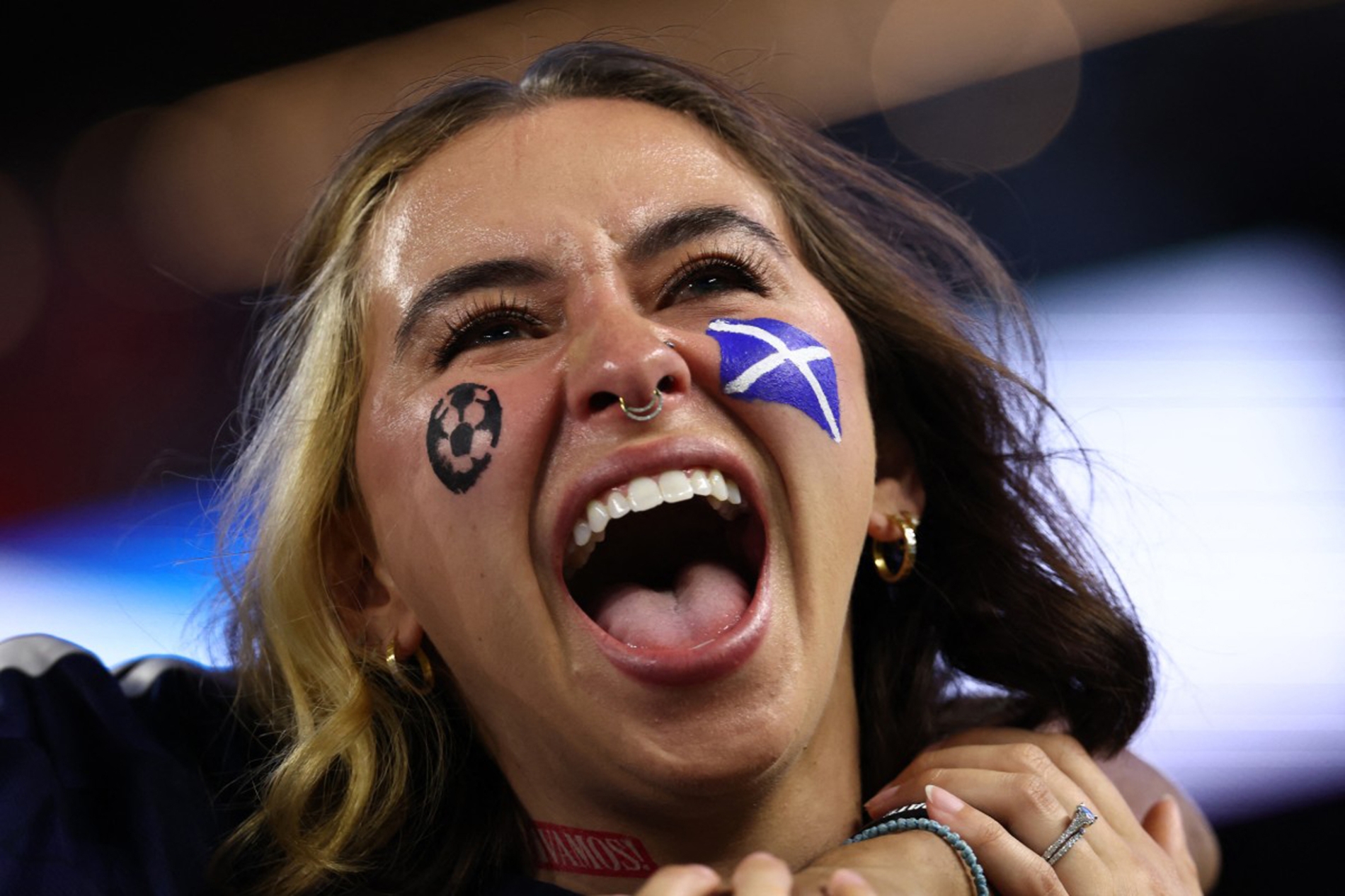
A Scottish fan cheers before the 2026 World Cup Group C football match between Haiti and Scotland at Boston Stadium.

It suggests that fans do not experience victory or defeat as mere sporting outcomes; they live them as events bound tightly to identity, with physiological effects. More recent research indicates that passion for football can be a measurable bodily response. The phrase 'football fever' describes the excitement, agitation, and tension of fans before and during big matches—visible not only in chants and crowd behaviour, but also in heart rate, stress levels, and physical activity.

Football fever

To capture this phenomenon moment-by-moment, German researchers monitored 229 fans of Arminia Bielefeld and Stuttgart during the 2025 German Cup final, using data from Garmin smartwatches. Their findings, published in Scientific Reports in February 2026, showed that football fever begins early: stress levels were elevated from the morning of match day, and peaked during the game, accompanied by a marked rise in average heart rate.

Strikingly, cardiac responses were driven not only by excitement but also by uncertainty. The more finely balanced a match, the higher the fans' heart rates. Once Stuttgart's victory became inevitable, these indicators declined among Arminia Bielefeld fans. The body, it seems, reacts more intensely to suspense than to the final result, conjuring a familiar metaphor: the match wears out the heart. Supporting a team, especially in decisive fixtures, leaves measurable physiological traces.

To explore how a fan's emotions affect neural activity, an international research group conducted a Functional Magnetic Resonance Imaging (fMRI) study involving 53 participants. This uses a non-invasive brain imaging technique to measure brain activity by detecting changes in blood flow.

The participants were shown sports-related video clips depicting positive events (a win), negative events (defeats), and neutral scenes. Researchers then compared activity across brain regions. Published in the Journal of Consumer Behaviour in September 2023, it found activation in parts of the limbic system, including the hippocampus and parahippocampal gyrus—regions associated with memory and emotional context.

AFP
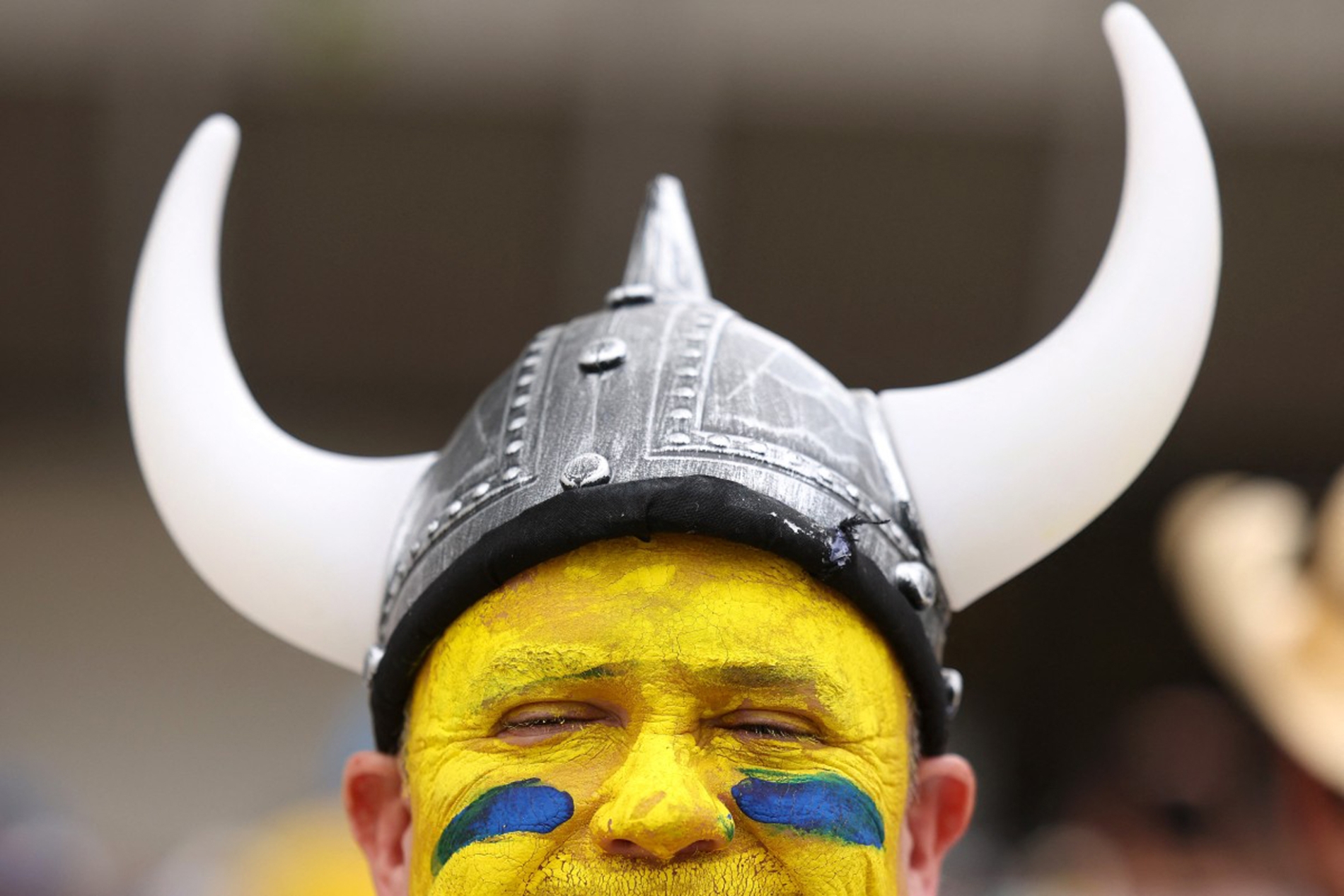
A Swedish fan watches a 2026 World Cup Group F football match between Sweden and Tunisia.

In football fandom, this suggests that video clips trigger the retrieval of earlier memories, whether that be historic goals, past victories, or personal experiences. Watching the clip links presents stimuli to past emotional memories, deepening attachment to the team and what it represents.

The study also found activation in the ventral tegmental area, associated with dopamine production and the brain's reward pathway. Dopamine is an important chemical messenger (neurotransmitter) in the brain that allows nerve cells to communicate. Known as the 'feel-good' chemical, it is tied to feelings of pleasure, motivation, memory, and physical movement. When a fan's team succeeds, the brain responds as if it were receiving a reward. Positive clips had a stronger effect than negative or neutral ones, encouraging the recall of earlier triumphs.

Another study, conducted between 2019 and 2022 and published in Radiology in November 2025, examined how neural responses vary according to the strength of a fan's attachment to their team. It classified participants as spectators, fans, and fanatics, and recorded brain activity as they watched goals scored by their favourite team, rival teams, and neutral teams.

A 2020 study published in Stress and Health found that highly fused fans exhibited elevated cortisol levels during matches.

2020 Stress and study

Fans showed activation in reward-related regions when their team scored, especially against rivals. Defeat, by contrast, was associated with increased activity in visual regions and reduced activation in the dorsal anterior cingulate cortex, suggesting changes in cognitive control and emotional regulation.

The emotion of defeat was on display after Andrés Escobar scored an own goal during Colombia's 1994 World Cup qualifier against the United States. Colombia lost 2-1 and were knocked out. Days later, Escobar was murdered after being confronted by Humberto Muñoz Castro, a bodyguard for a criminal cartel, whose bosses are believed to have ordered the footballer's killing after suffering huge betting losses.

Can crowd fury lead to similar violence? A study published in PLOS ONE in 2015 examined aggression among football fans, after 74 participants watched videos of rival fans and were asked to allocate hot sauce for a rival fan to consume—a proxy for aggression. After their team lost, anger intensified. Fans became more aggressive when they believed that the referee was responsible for the defeat, but less so when they learned that their own team's poor performance was to blame. The findings suggest that perceived injustice fuels aggression.

AFP / Ulises Ruiz
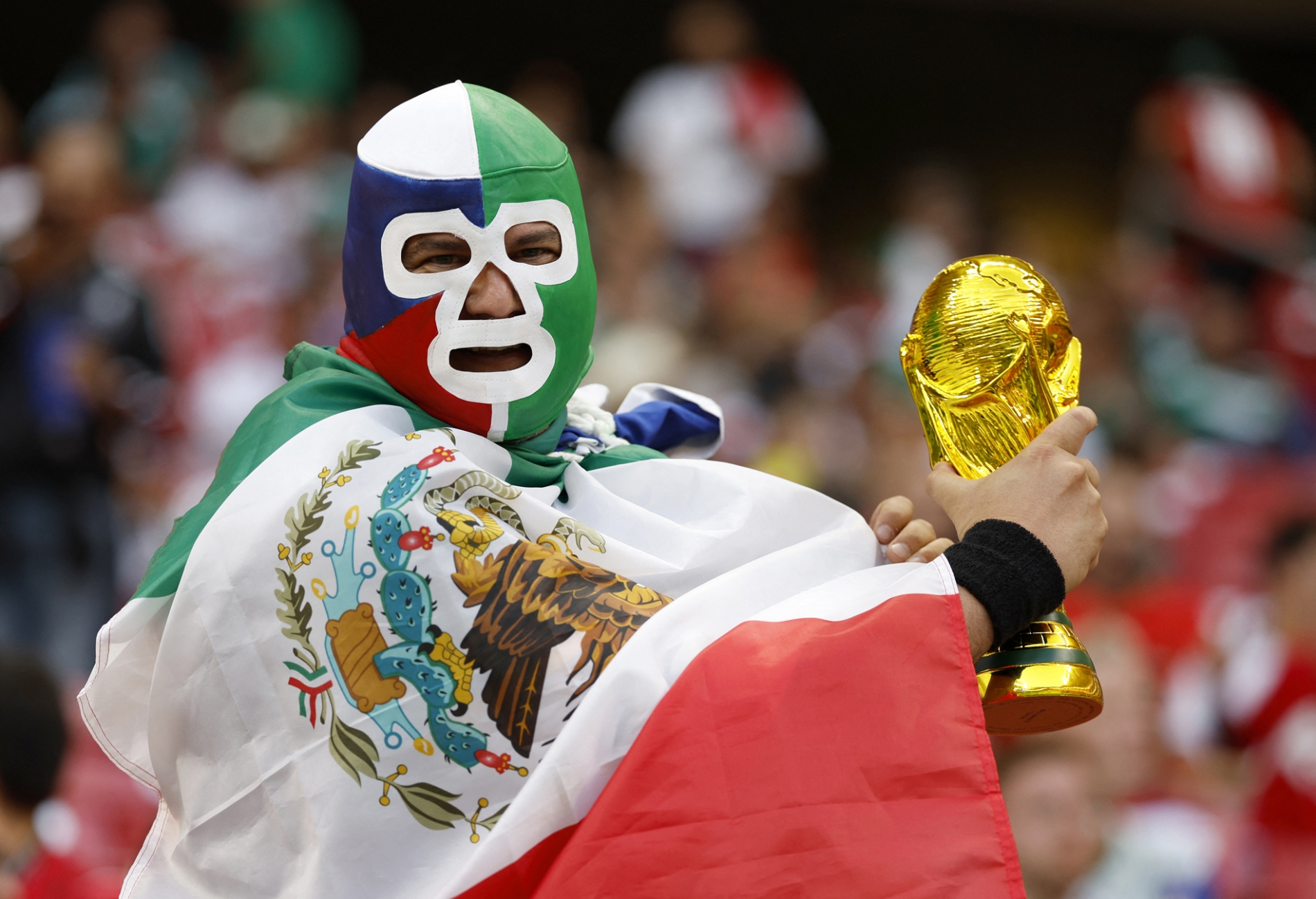
A Mexican fan wearing a wrestling mask holds a replica of the World Cup trophy during the 2026 World Cup.

More than a game

The science suggests what many fans already knew: that football is far more than a spectacle viewed from the stands or through screens. It is an experience of identity in its fullest sense, where the psychological, neural, physiological, and social converge. Fans do not watch from a distance; through their team, they redefine part of themselves. Victory affirms worth and belonging; defeat is akin to a threat.

This understanding helps explain why heart rates rise before kick-off, why the brain treats goals as personal rewards, and why frustration hardens into anger when defeat feels unjust. It does not excuse fanaticism or violence, but it reveals their roots. The deeper the fusion between the individual and the team, the more likely fans are to see the match as a personal battle rather than a passing sporting event.

The challenge, then, is not to diminish passion but to reshape it—moving away from an unhealthy blind fusion towards a healthier form of belonging that allows for joy, grief, and loyalty without erasing the necessary distance between fan and team.

font change