
From the Gaza Riveria to the promised annexation of Greenland to the alienation of India, to neutrality in Ukraine—and this is just a partial list—during its second mandate, the Trump administration has pursued a series of ill-advised foreign policy initiatives. Among the growing catalogue of problematic policies advocated by the administration, its latest bid to deploy the Syrian army to fight Iran-backed Hezbollah in Lebanon is particularly dangerous. If implemented, the intervention would all but certainly further undermine regional stability and US interests in the Middle East.
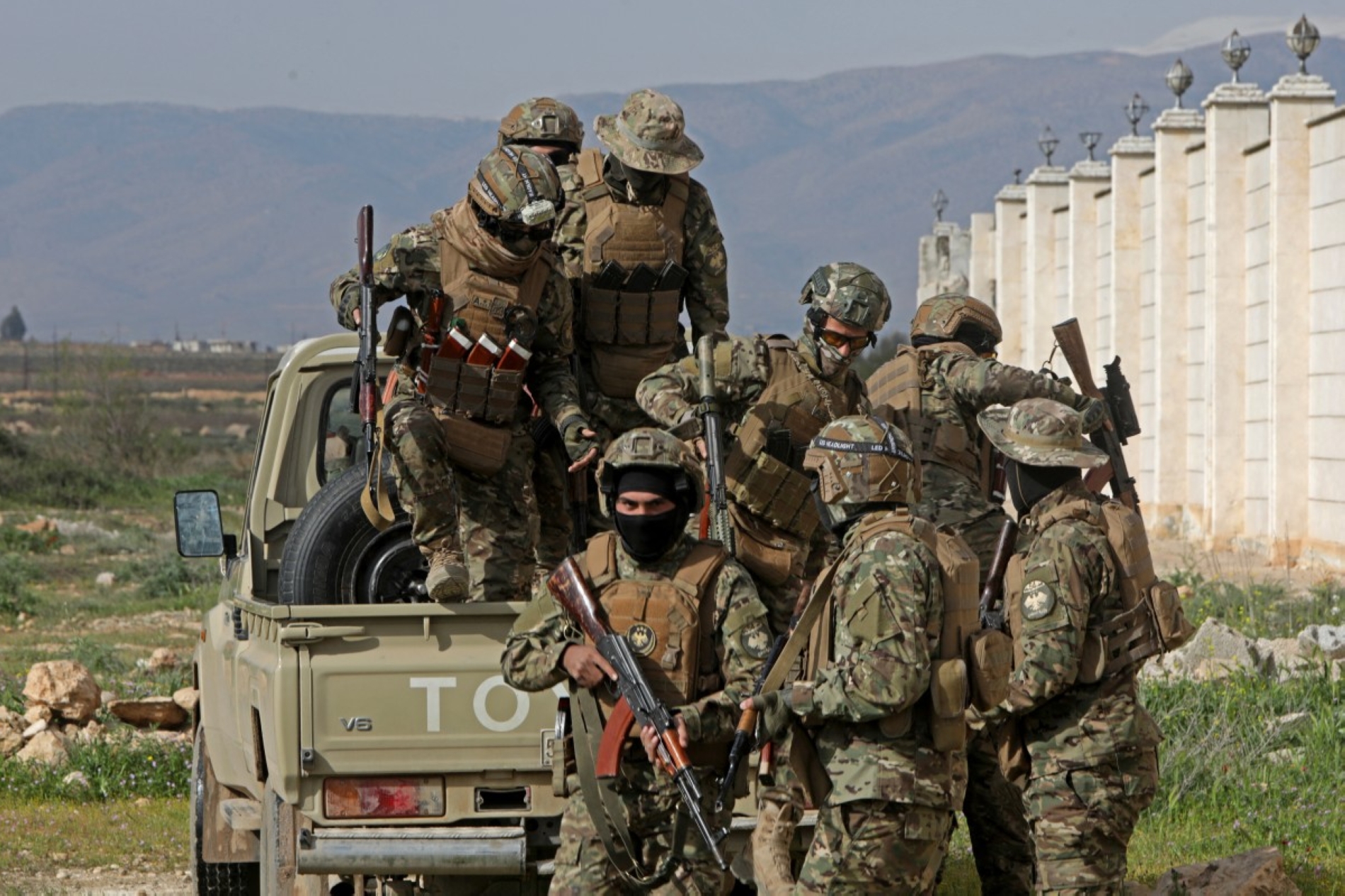
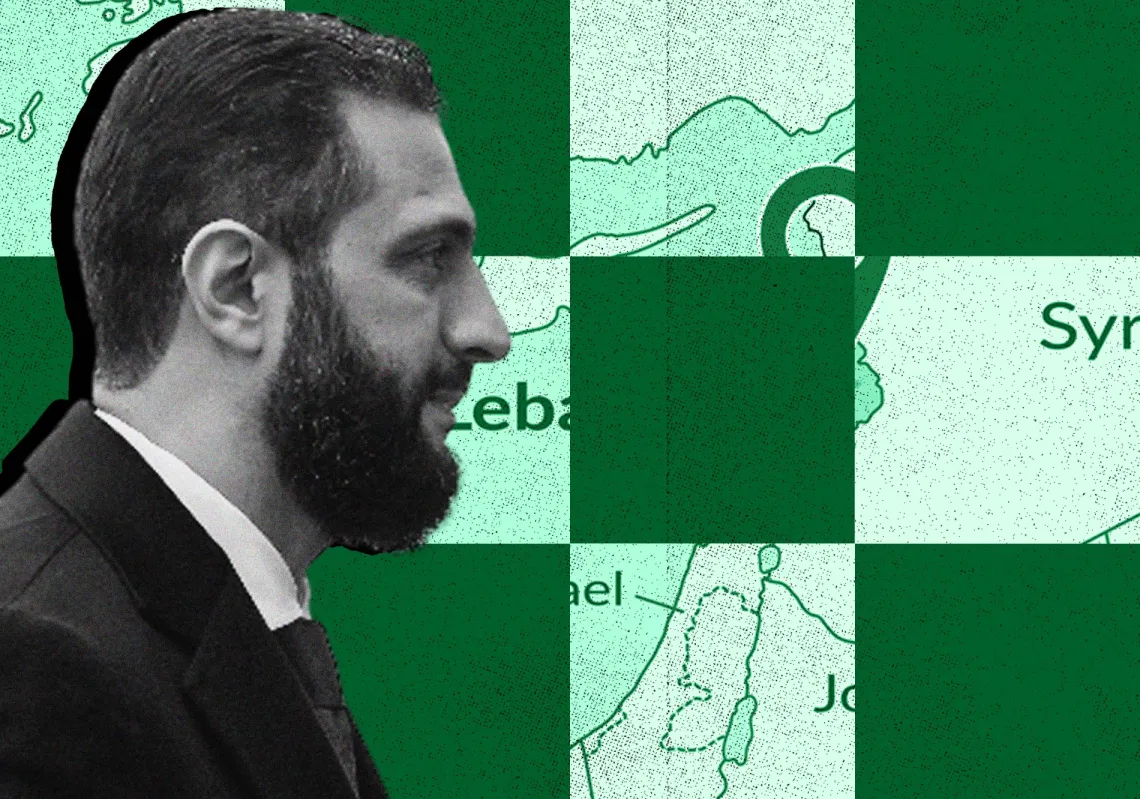
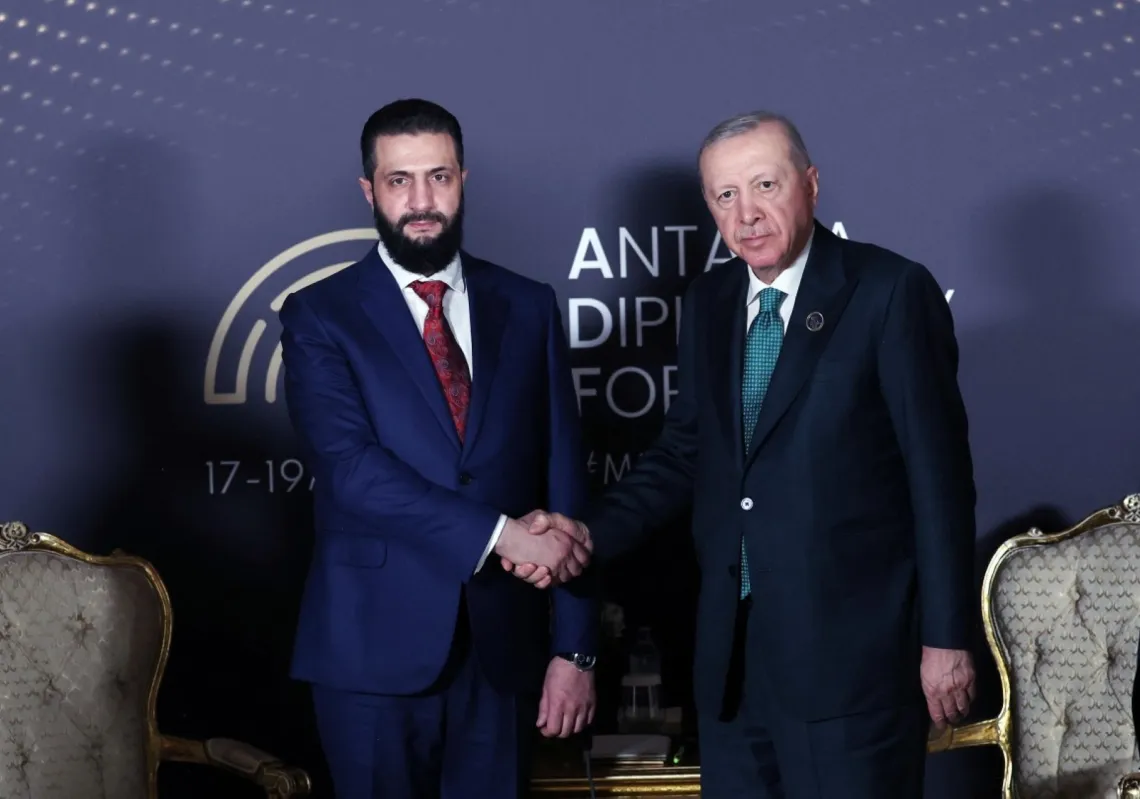
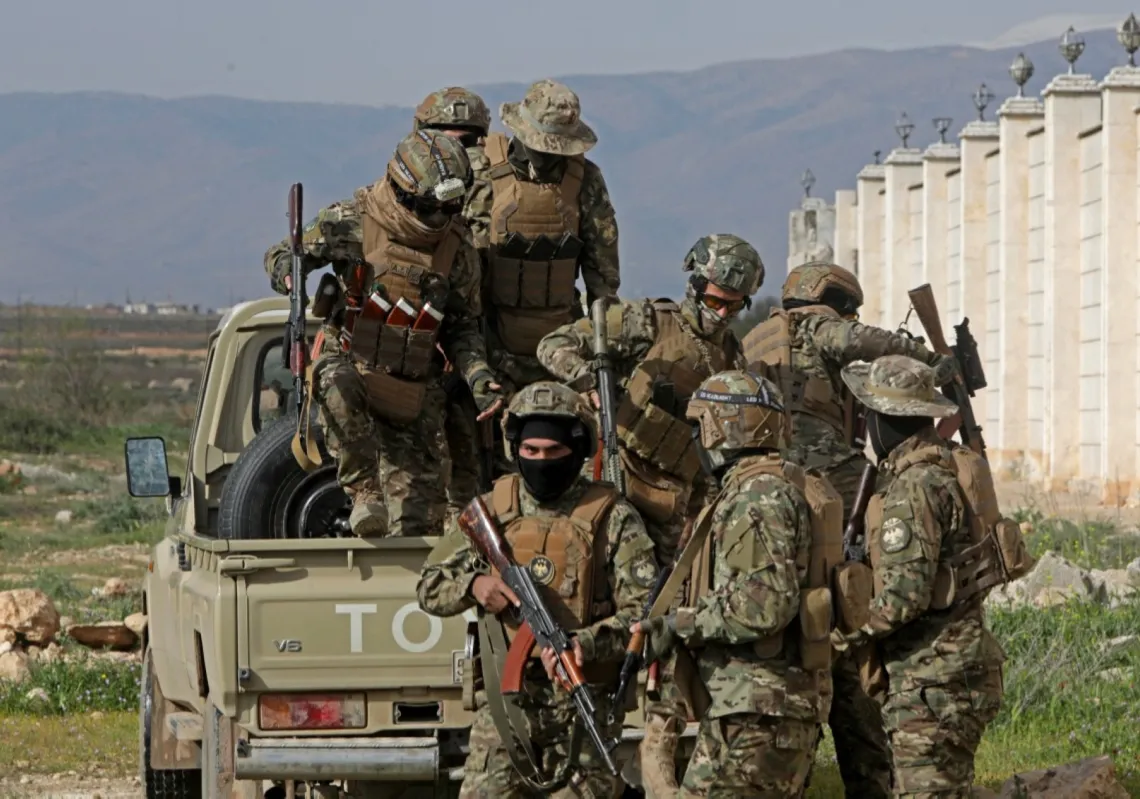
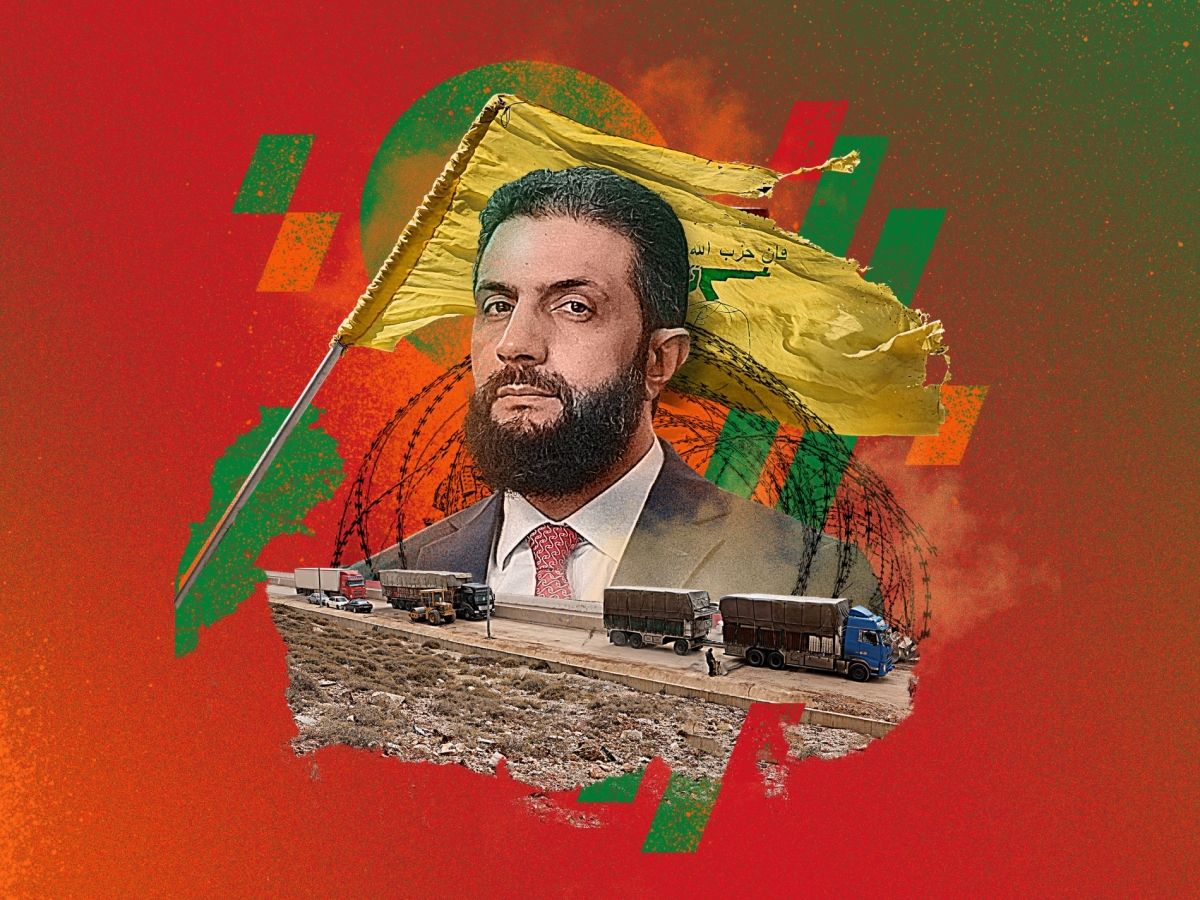
On 16 June, President Trump said he believed the best approach to Hezbollah was for the military forces of Syrian President Ahmed al-Sharaa to deploy to Lebanon and attack the group. While Israel had proven incapable of disarming the militia, the president maintained that Syria could “do a better job of doing it.” It was the first official admission by the administration of a long-rumoured US plan that, until then, Washington had denied. Indeed, in March, US Special Envoy Tom Barrack tweeted that these stories were “false and inaccurate.”
After months of persistent reports, Trump's call for Syrian military intervention didn’t come as a total surprise. Yet it was nonetheless shocking, given the predictably negative consequences. Even for an administration that prides itself on disruption, this seemed a bridge too far.
Washington’s friends in Lebanon who support the disarmament of Hezbollah oppose Syrian involvement. There’s a complicated history between the states that resonates to this day. Under the authoritarian Assad regime that ruled Syria from 1970 until it was toppled in 2024, Damascus did not recognise Lebanese sovereignty. For the Assads, Lebanon was part of Syria. This wasn’t just a theoretical approach; from 1991 to 2005, Syria militarily occupied Lebanon, disappearing thousands of Lebanese political opponents along the way.
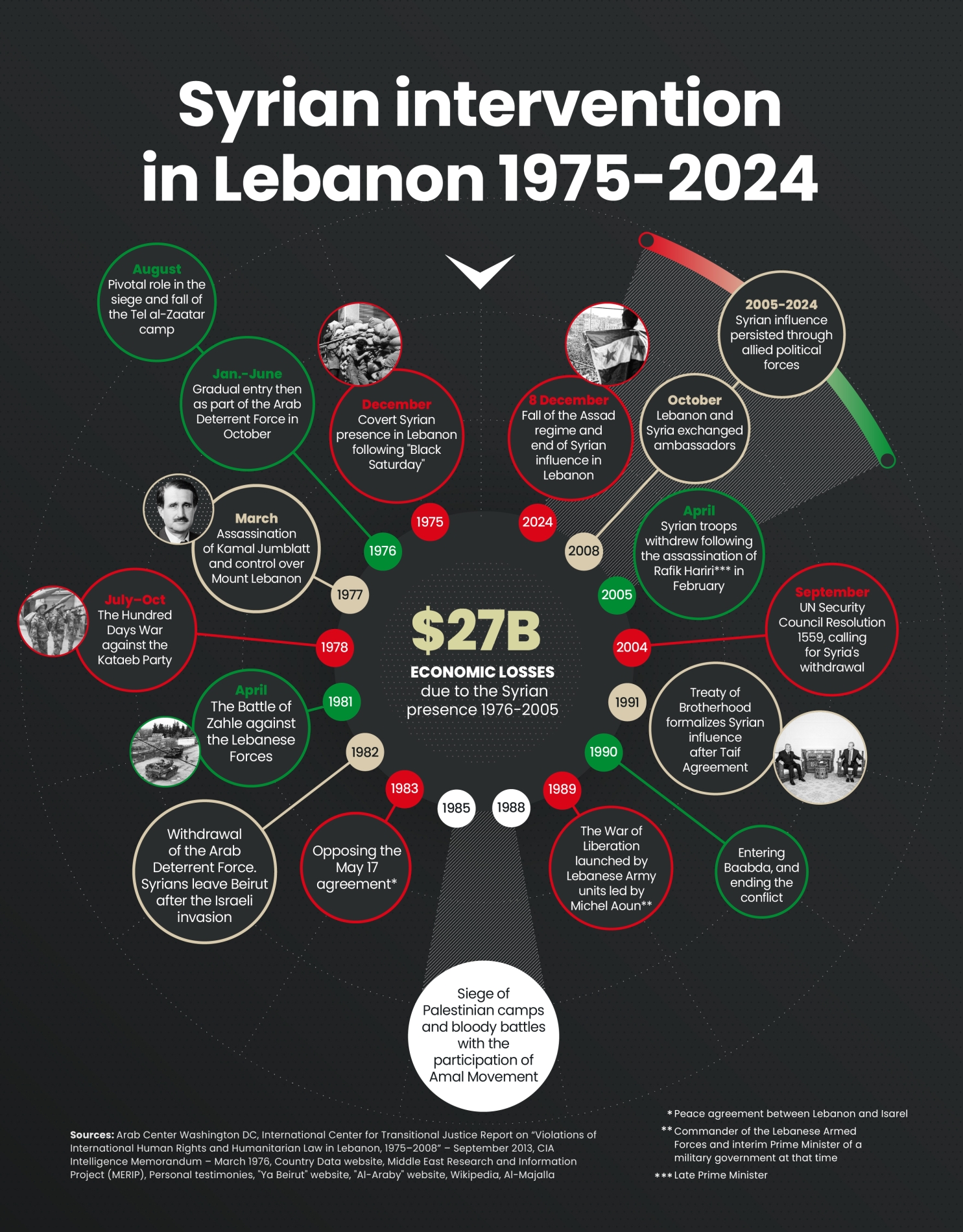
The brutal Syrian occupation only ended after a mass uprising following the assassination of Lebanon’s most popular politician, former premier Rafik Hariri, by the Assad regime and Hezbollah. After working so hard to end the Syrian presence, the vast majority of Lebanese have no interest in seeing their neighbours return. Many Lebanese, not surprisingly, also harbour an enduring disdain for Syrians.
At the same time, Lebanese are suspicious of Syria’s new government, led by al-Sharaa, an erstwhile member of al- Qaeda. Moderate Sunni, Christian, and Druze Lebanese express concern about religious extremism next door, and a Syrian army brimming with foreign fighters and allegedly former jihadis.
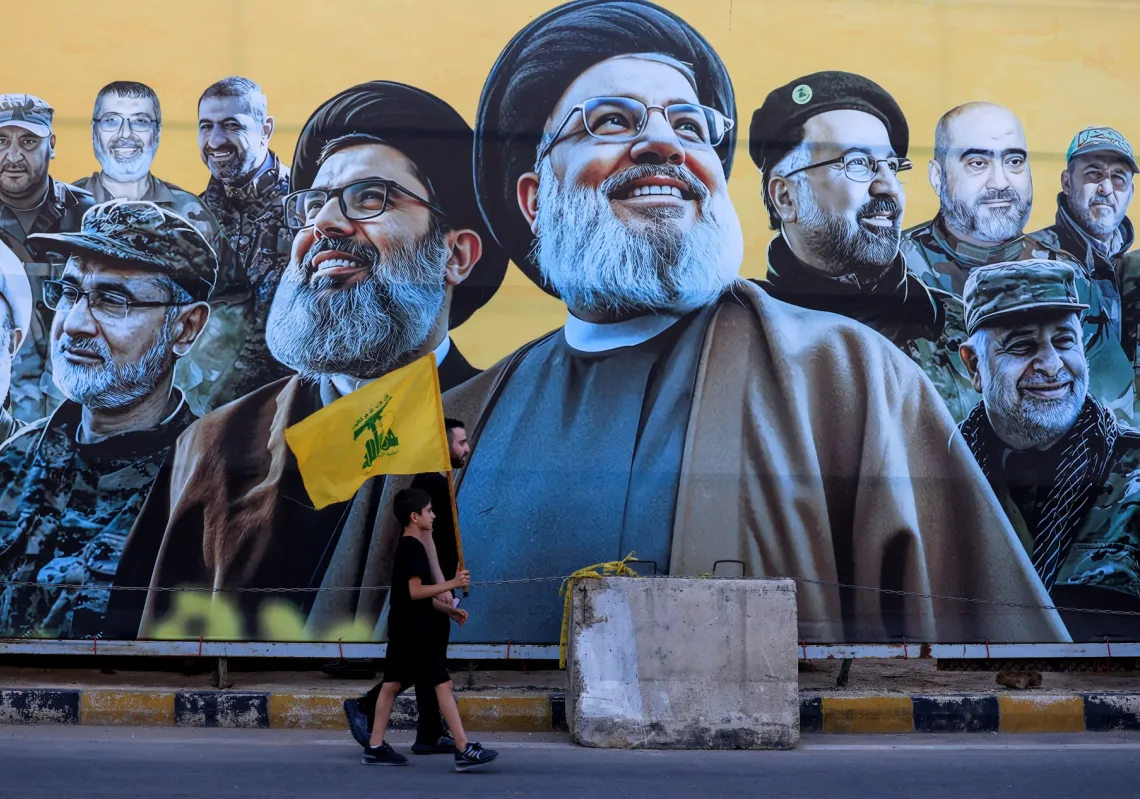
Washington’s friends aren’t the only ones concerned about a Syrian military deployment to Lebanon. The Shiite militia Hezbollah also talks a lot about the threat from Sunni extremism in Syria and what it would mean for the group’s constituents. It wasn’t that long ago that the region was plagued by Sunni-Shiite sectarian violence.