Key regional powers—Türkiye, Egypt, Iran—do not see eye to eye over what transpired in Syria. One emerges as a winner, the other a loser, and Syria's new Islamist-leaning leaders unsettle the third.
Trump is unlikely to join an Israeli foray into Iraq, but he may decide to withhold the $250mn annual military assistance to Baghdad as a way to pressure the government to rein in its militias
Sources of cash are drying up as front companies and drug production lines are dismantled and supply networks and smuggling routes are compromised. Iran is also questioning its funding of the group.
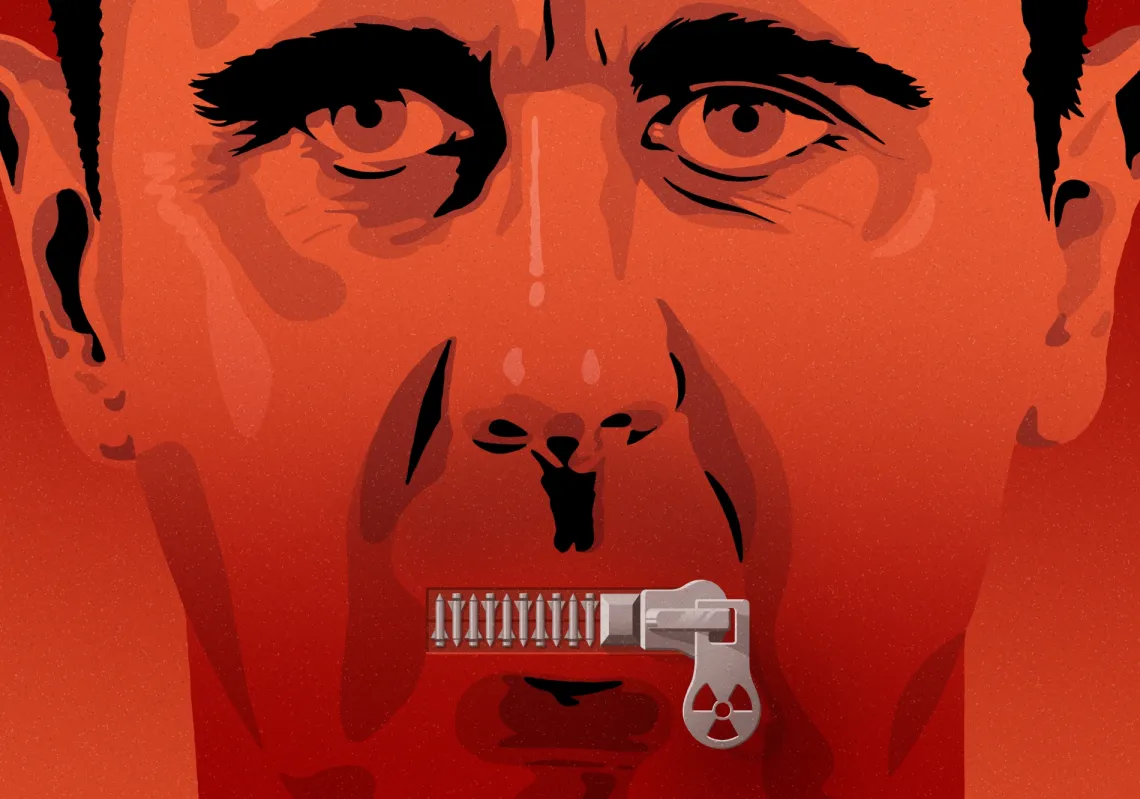
Assad's fall means Iran loses its contiguous land corridor. Without it, 'Axis of Resistance' forces will find it difficult to work together. Meanwhile, Iran's ally, Russia, looks to be on its way out.
The signs are bad but there is international agreement when it comes to Syria. If they act now, Arab states can still re-establish control over events, but the usual statements of support won't cut it
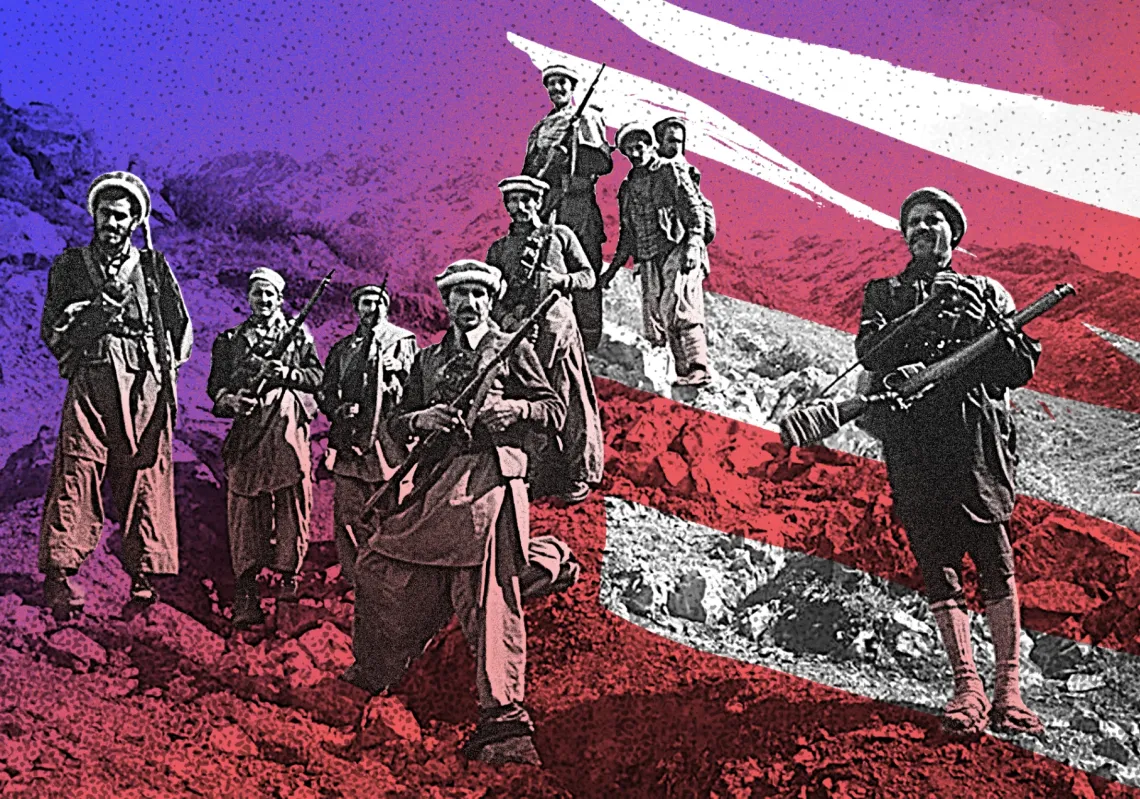
The opposition fighters making such strides on the battlefield want to carry on all the way to Damascus. For everyone else, there are reasons to call a halt to proceedings sooner rather than later
A US-Israeli attack on Iran has turned into a regional war, sending Brent crude prices over $100 a barrel, and throwing shipping, inflation, and monetary policy into turmoil
The current conflict is unlikely to go global for now, but the speed at which it has spread regionally is alarming. A look at history shows the geopolitical factors that led to world wars.
Riyadh and Cairo are trying to ease the acute oil shortfall through alternative pipelines, but these are just band-aid solutions, as the world's most vital energy corridor remains closed by Iran
The rushed 2025 rollout raised questions about the government's seriousness. Since then, no meaningful record has been published, fuelling fears that it was just a show.