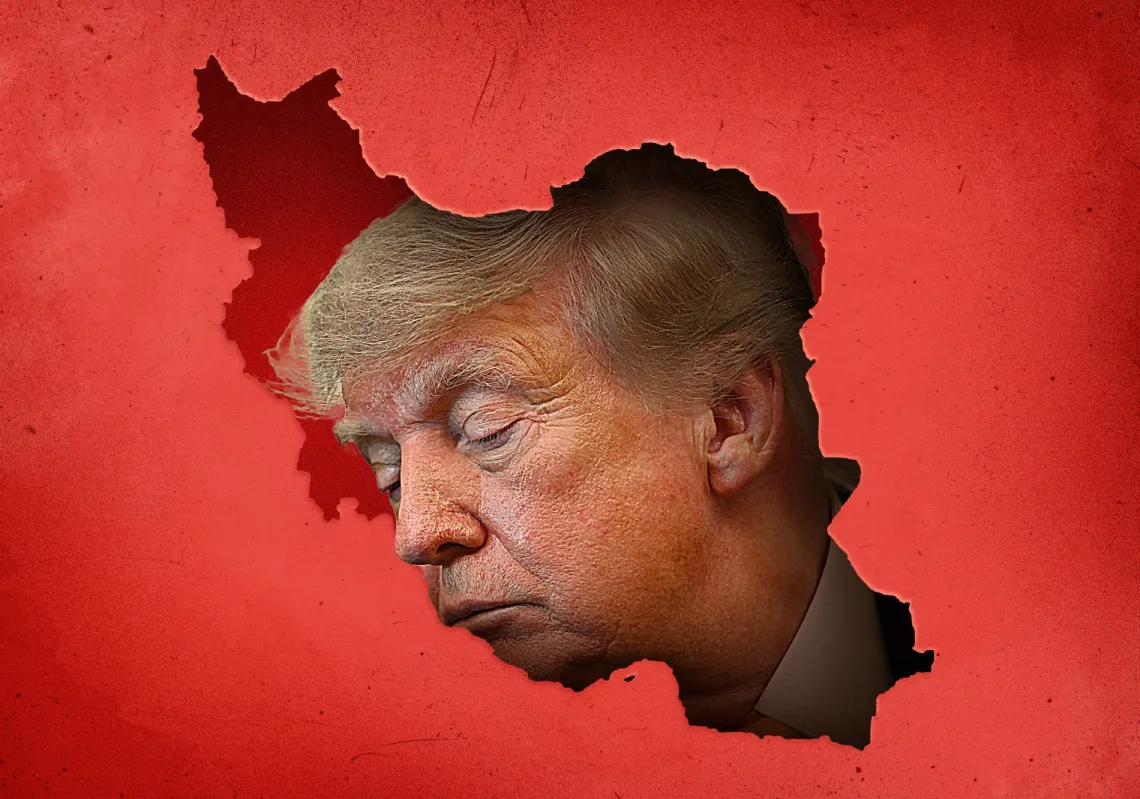
The US and Israel want Tehran to completely dismantle its nuclear infrastructure, which it will not do. If they do decide to strike, Iran has limited options on how to respond.
Some predict partition, others federalism or fragmentation. Amidst the competing interests of Arab states, Russia, the US, Israel, Iran, Türkiye, and Europe, Syria treads its own path
Were recent strikes ordered by Trump intended as a warning to Tehran, or could they be a prelude to an expanded war? Al Majalla weighs in on the possible motives.
Despite the fall of its long-time ally in Syria, Russia isn't retreating; it is adjusting—leveraging military assets and transactional diplomacy to pursue its strategic interests across the region
Tehran must choose between reaching a diplomatic resolution that stops its nuclear proliferation or risk a military attack that destroys the programme and possibly ends the regime
The 'strategic partnership' signing could have been timed to send a message, but a deeper examination reveals it to be a pragmatic alliance borne of a shared enemy rather than shared interests
Both Tehran and Washington have powerful incentives to resolve the conflict through negotiations, but actors on all sides have reasons to derail these efforts
From machines that develop human emotions to societies governed by artificial intelligence, Arab novelists explore the promises and perils of a radically transformed future