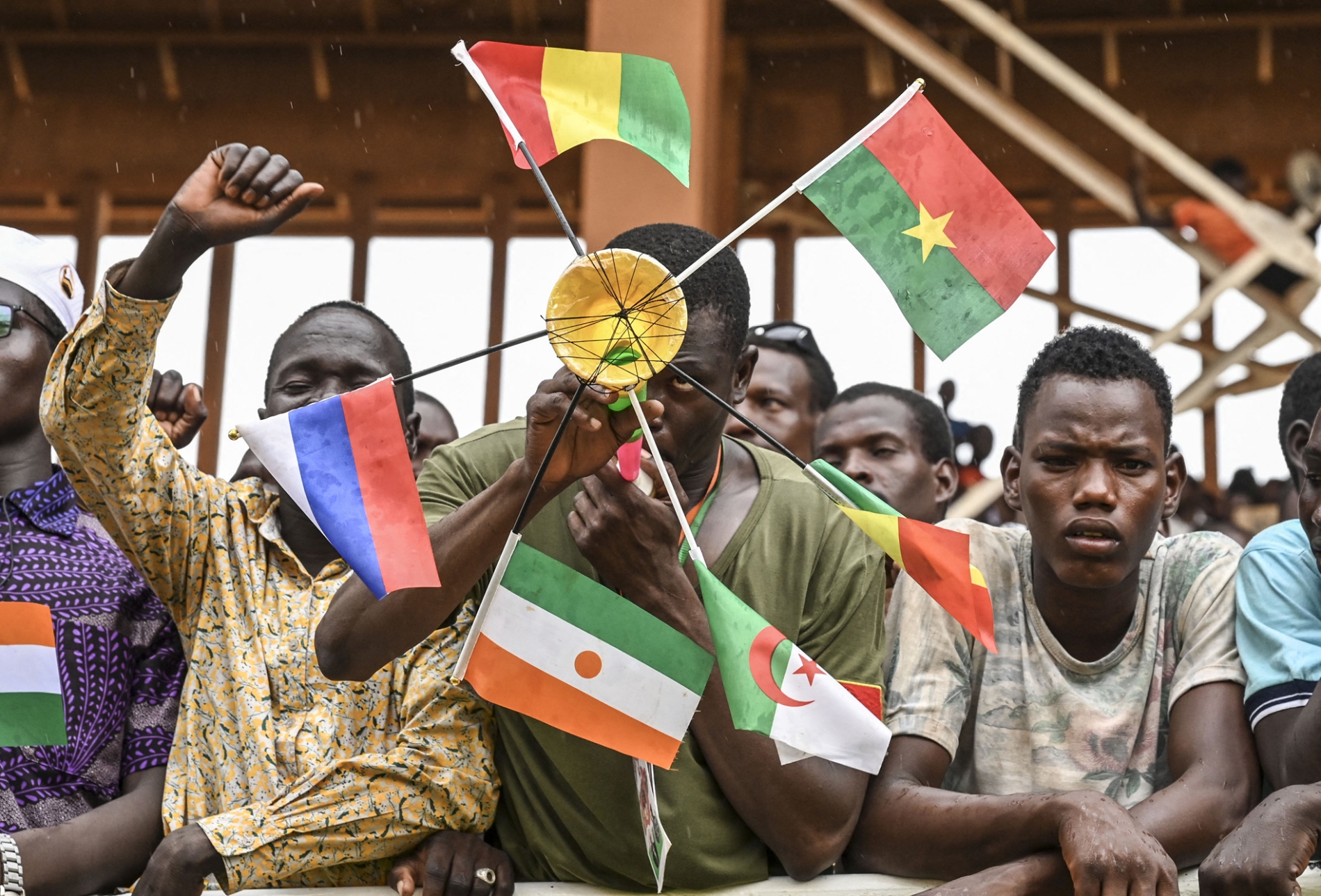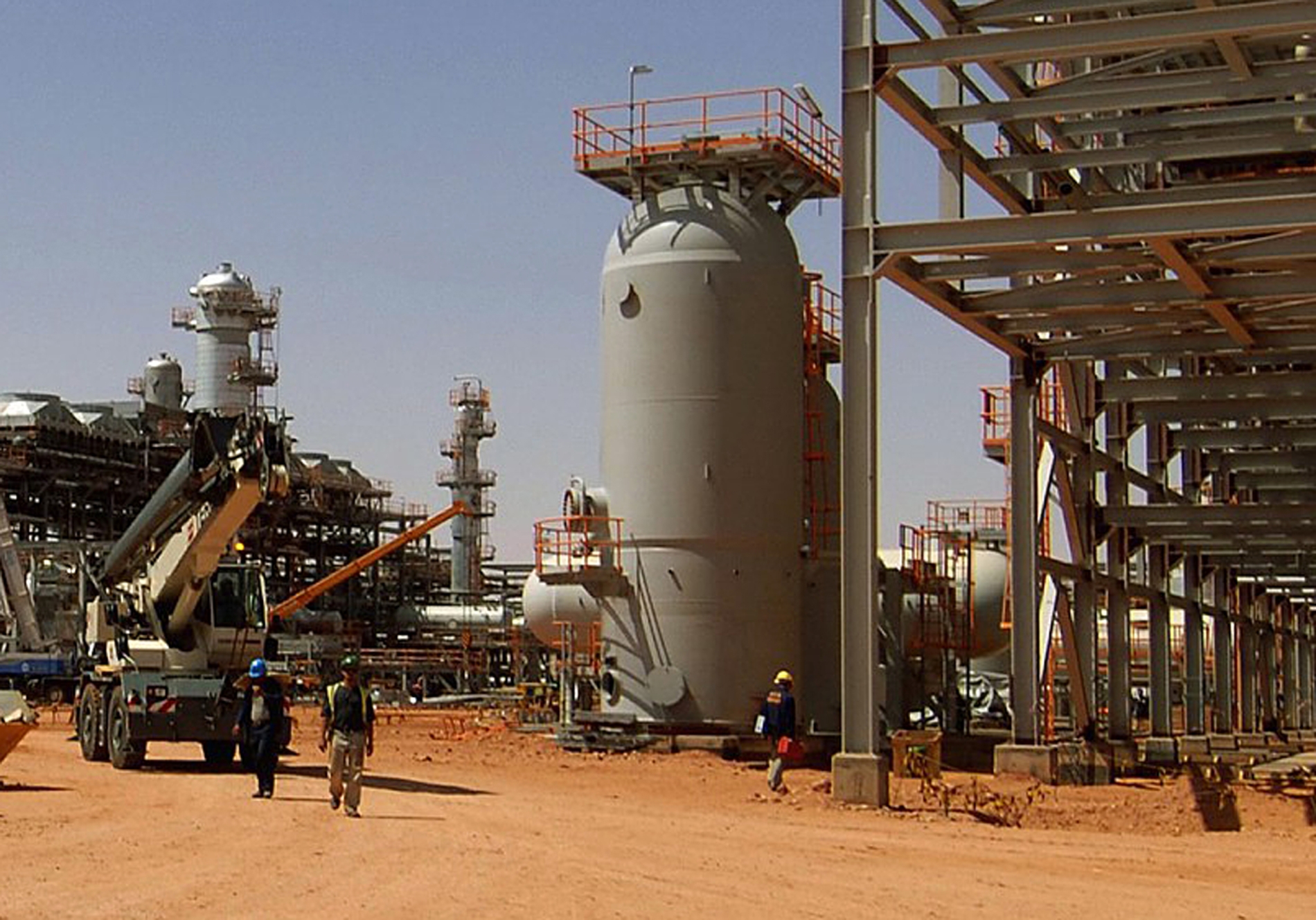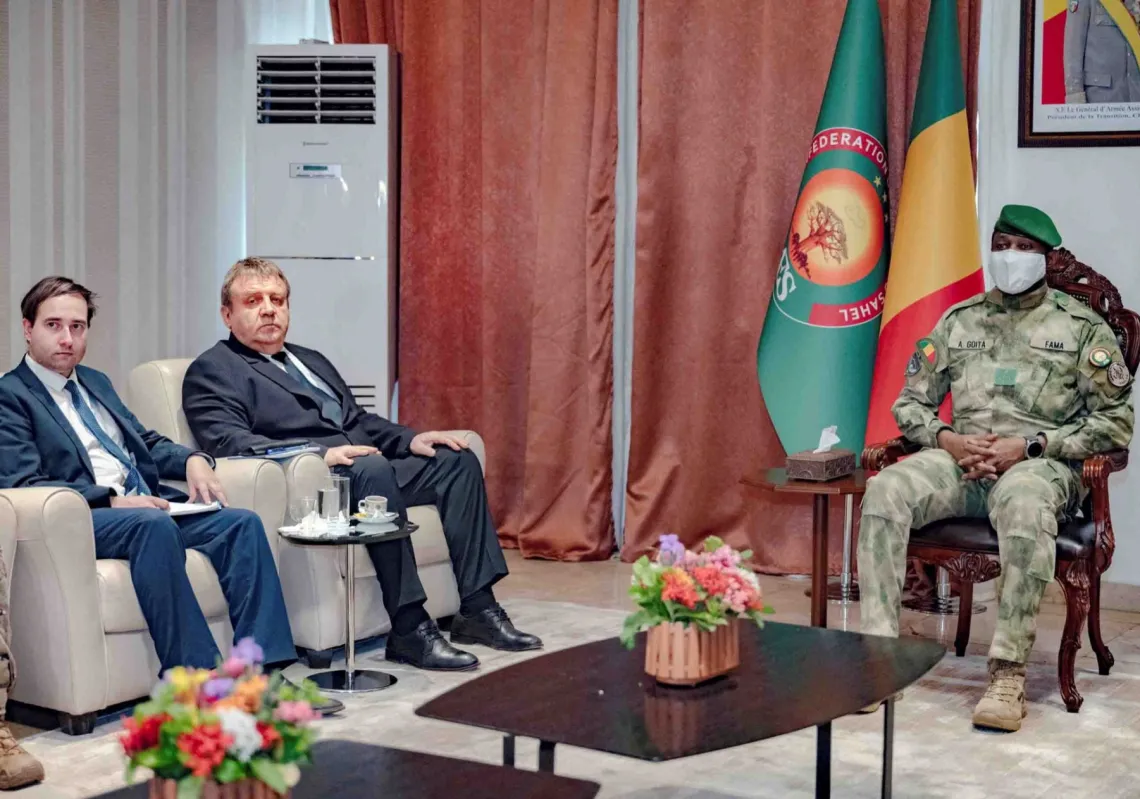

Across a border stretching for more than 2,300km, in the muted contest for influence in the African Sahel, Algeria and Mali have brought their longest diplomatic rupture in recent memory to an end by restoring relations and fully reopening their airspace. It reflects a clear-eyed pragmatism and a return to political realism.
The geography of the Sahel means its dangers move across frontiers, and this reality of threat often proves more compelling than narrow political calculations. Just as some wondered whether bilateral relations had deteriorated irretrievably, an announcement from the Algerian Ministry of Defence caught many by surprise.
It marked a turning point and set in motion a rapid sequence of developments. The Algerian authorities formally announced the complete reopening of the country’s airspace to civilian and military flights bound for, or arriving from, Mali, ending the stringent air restrictions imposed in April 2025. Bamako responded immediately by reopening its own airspace. This cleared the way for the restoration of diplomatic missions, with ambassadors resuming their duties in Algiers and Bamako.
A deeper struggle
To an extent, events have been dictated by an exceptionally precarious security environment. Saida Salama, professor of politics at the University of Algiers, thinks the diplomatic convergence between Algeria and Mali “represents far more than a bilateral easing of tensions”. She said: “It reflects a deeper struggle to reshape the geopolitical balance in the African Sahel, which has become an arena of competing regional and international influence. This development forms part of wider efforts to redraw the map of power across Africa’s strategic interior.”
This geopolitical realignment is closely bound to the consequences of disorder and the proliferation of armed groups in Mali. The country now faces an existential threat following the abandonment of earlier peace accords, foremost among them the Agreement on Peace and Reconciliation signed in Algiers on 1 March 2015 by the Malian government and political movements from northern Mali, which sought to bring the conflict to an end and lay the foundations for stability.
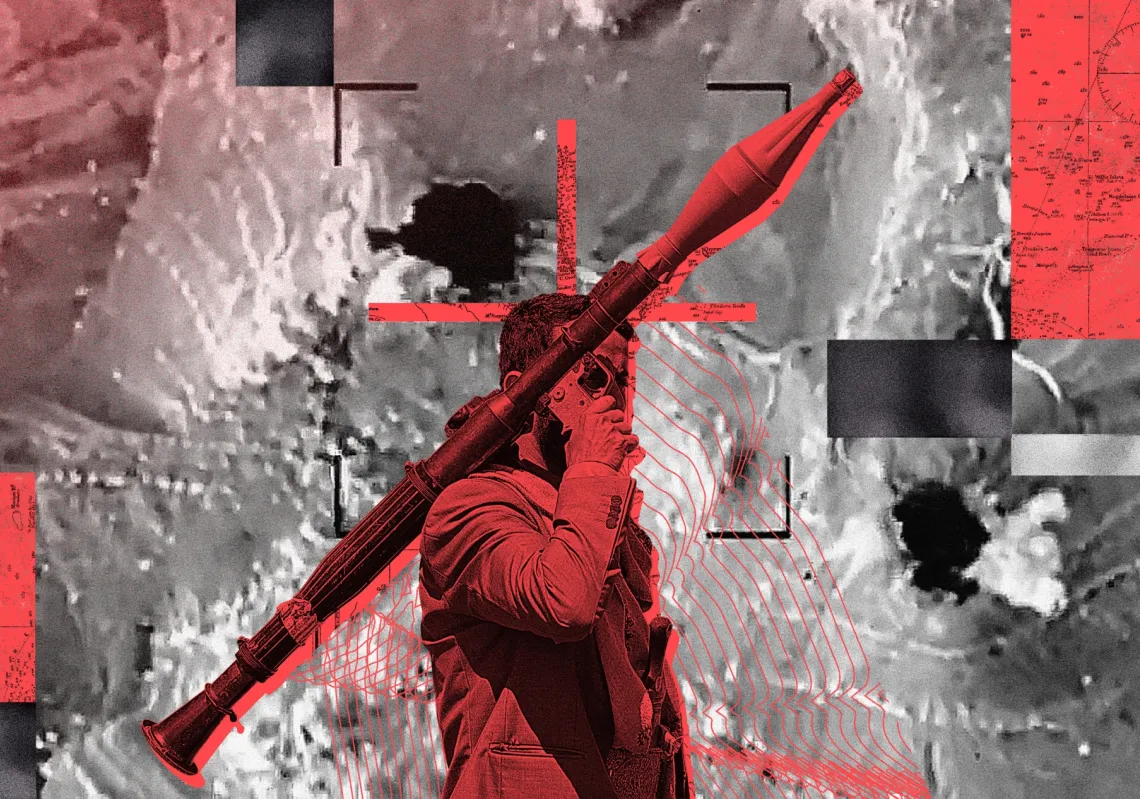
Fighting in Mali has since advanced far beyond the bounds of conventional guerrilla warfare. Suicide drones and carefully planned ambushes periodically strike infantry convoys and military reinforcements belonging to the Malian army, as well as personnel from Russia’s Africa Corps, a mercenary outfit once named the Wagner Group. Meanwhile, an alliance of armed movements has imposed a suffocating security and economic cordon around the capital, Bamako.
This coalition is led by Jama’at Nusrat al-Islam wal-Muslimin, which is affiliated with al-Qaeda, in cooperation with separatist Tuareg factions. The convergence of these armed groups has sounded alarm in capitals around the world and made it imperative that Algerian and Malian state forces work together, because Bamako can no longer hope to stabilise its isolated northern regions without Algerian support. Algeria, in turn, cannot overlook the expansion of grey zones run by militias along its southern frontier.
National security
Ould Seddik Miloud, a professor of politics at Dr Moulay Tahar University, said the growing international interest in the Sahara “requires us to acknowledge an indisputable geopolitical reality: owing to its direct proximity to our borders and the complexity of its composition, the Sahel constitutes a strategic depth inseparable from Algeria’s comprehensive conception of national security”.