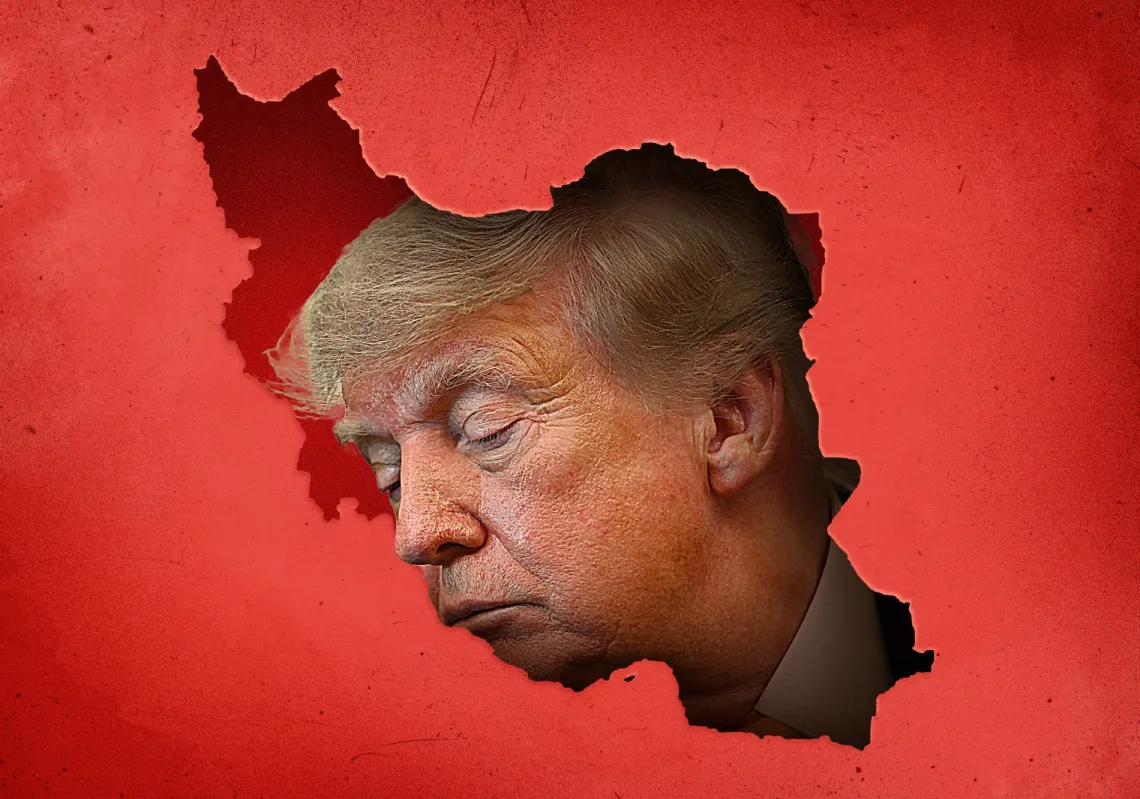
Both Tehran and Washington have powerful incentives to resolve the conflict through negotiations, but actors on all sides have reasons to derail these efforts
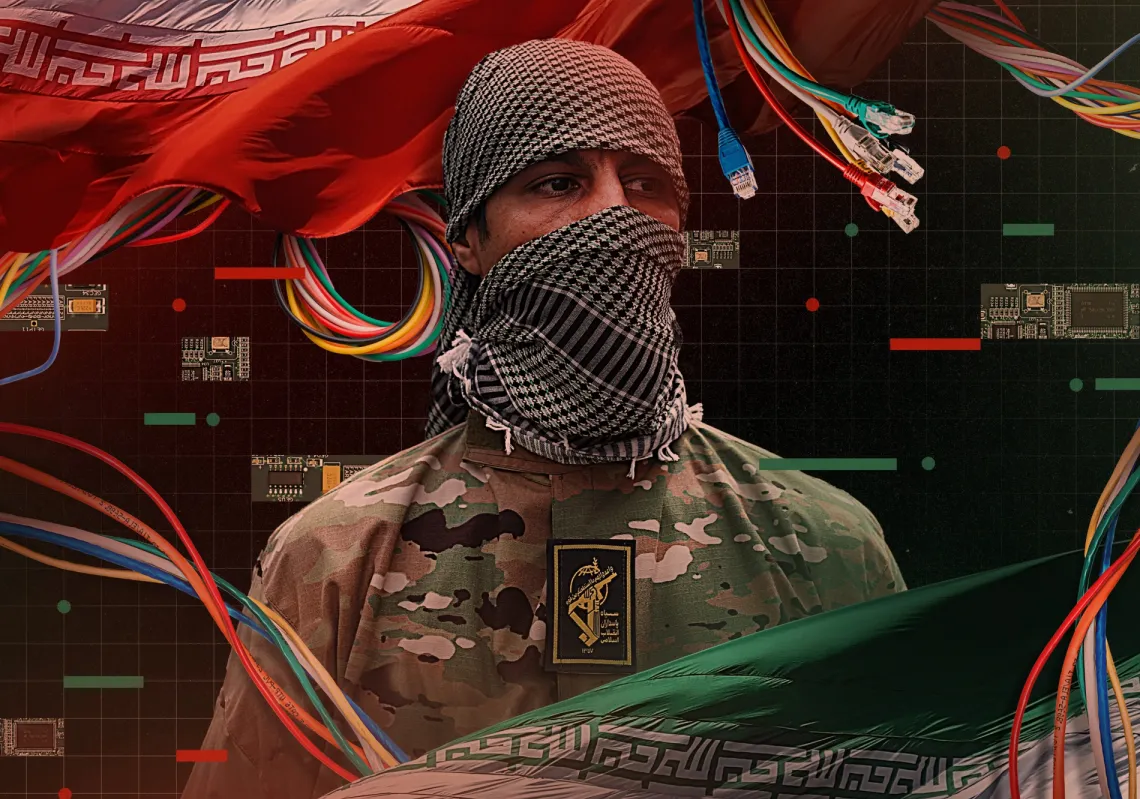
The Islamic Revolutionary Guards Corps and its proxy Hezbollah have been activating sleeper cells embedded across the Gulf States, but many have been found and detained.
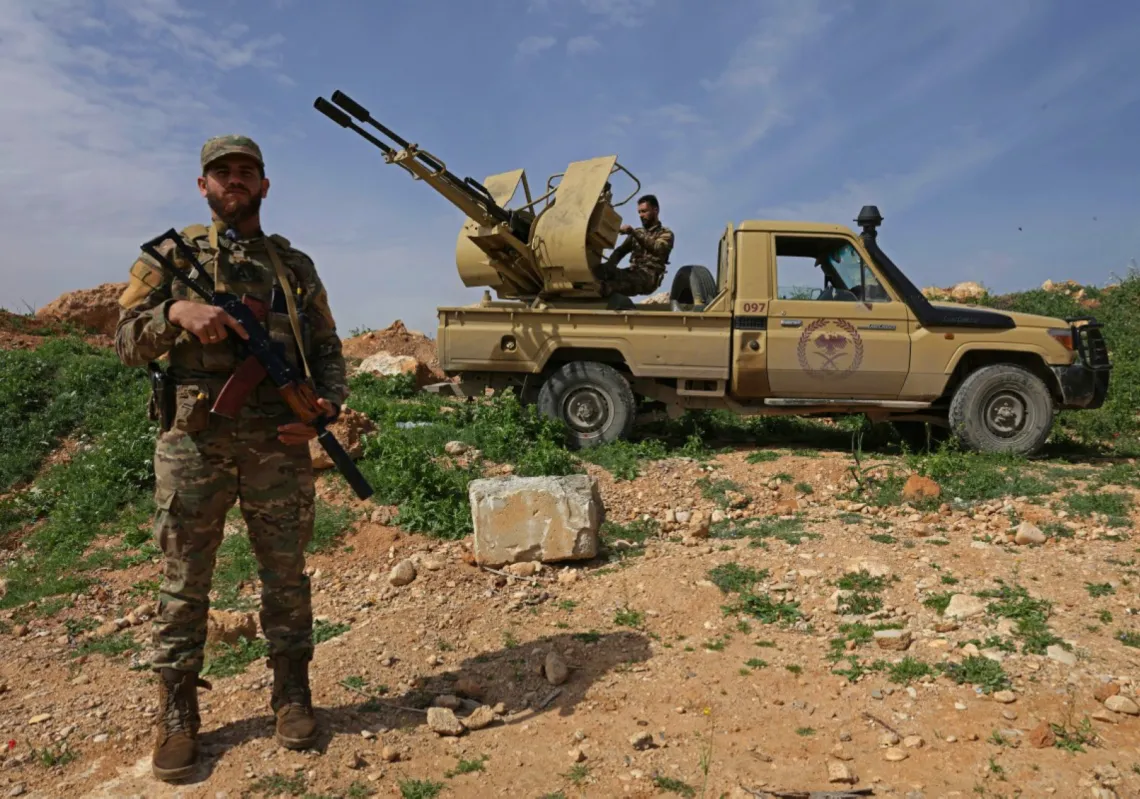
Hezbollah is recruiting new cells in Syria's west, while Iraqi militias are doing the same in the east. For its part, Damascus readies its forces to respond to any threat.
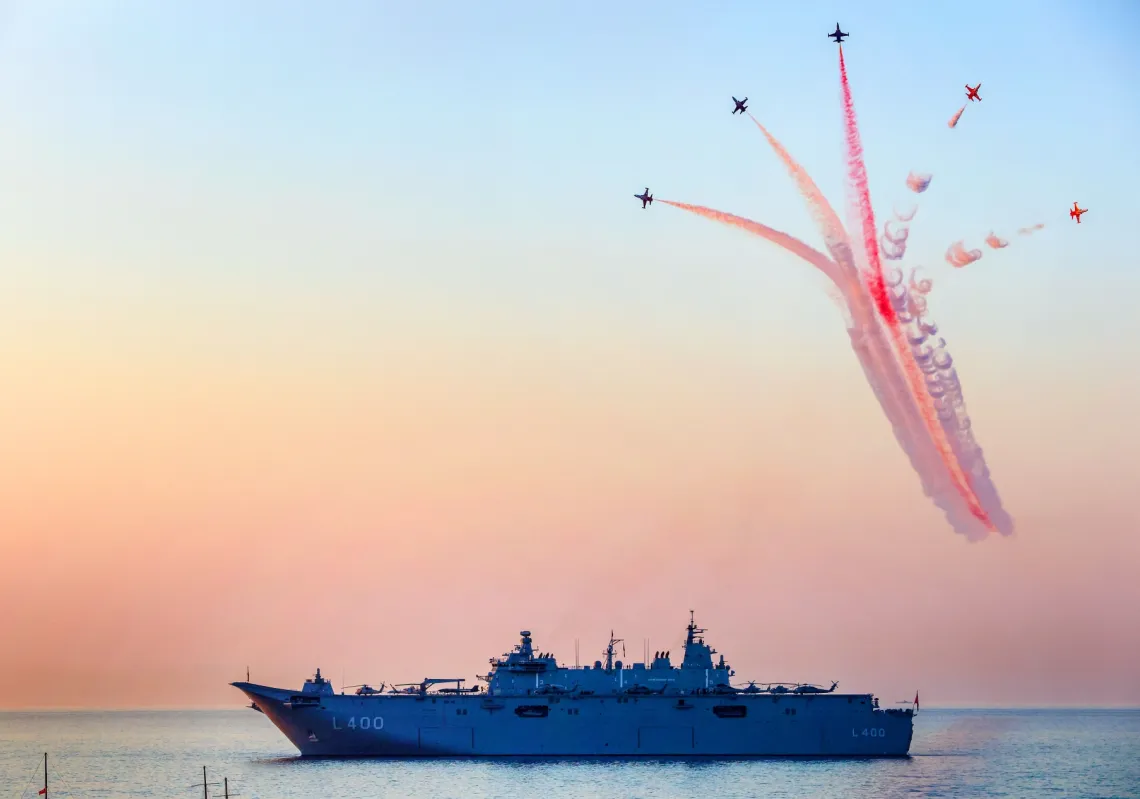
Ankara's national security priority is no longer Kurds or Gülenists, but Israel. Likewise, in Tel Aviv, Türkiye is increasingly seen as a future Israeli adversary. Both are preparing accordingly
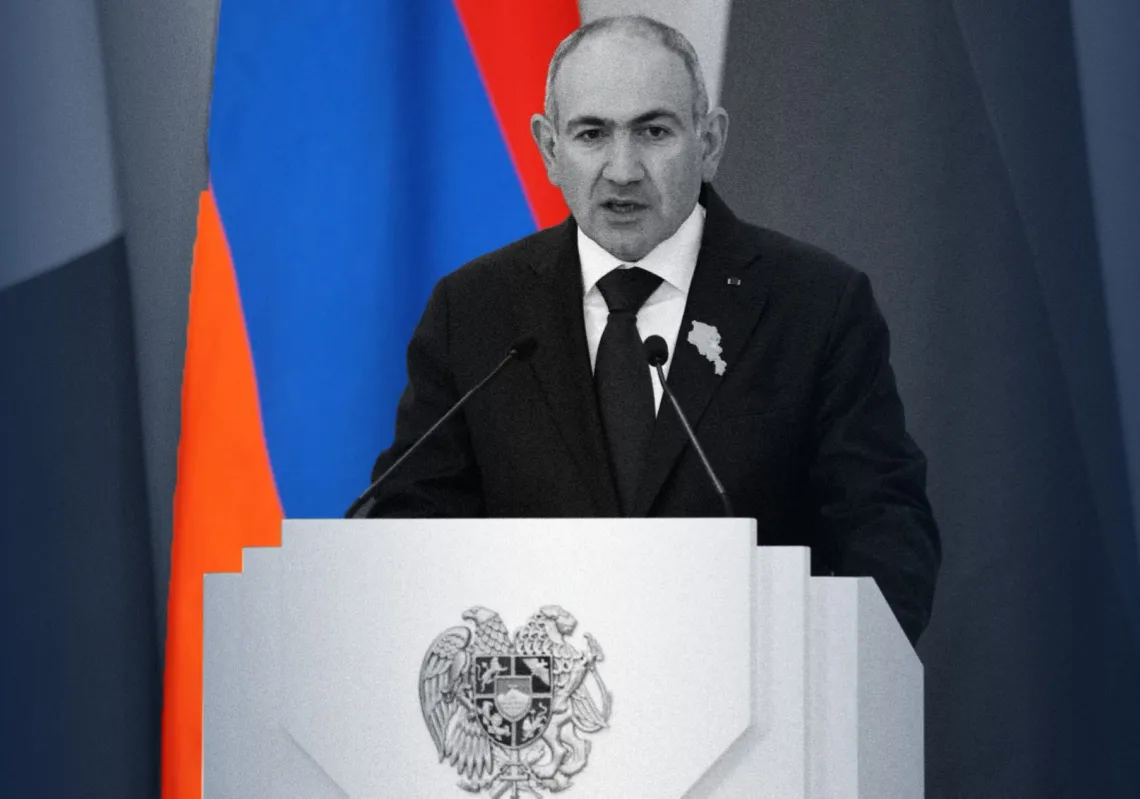
Having made strides towards peace with both Azerbaijan and Türkiye, the country's West-leaning prime minister faces frustrated voters next month in a contest that has stoked Moscow's interest
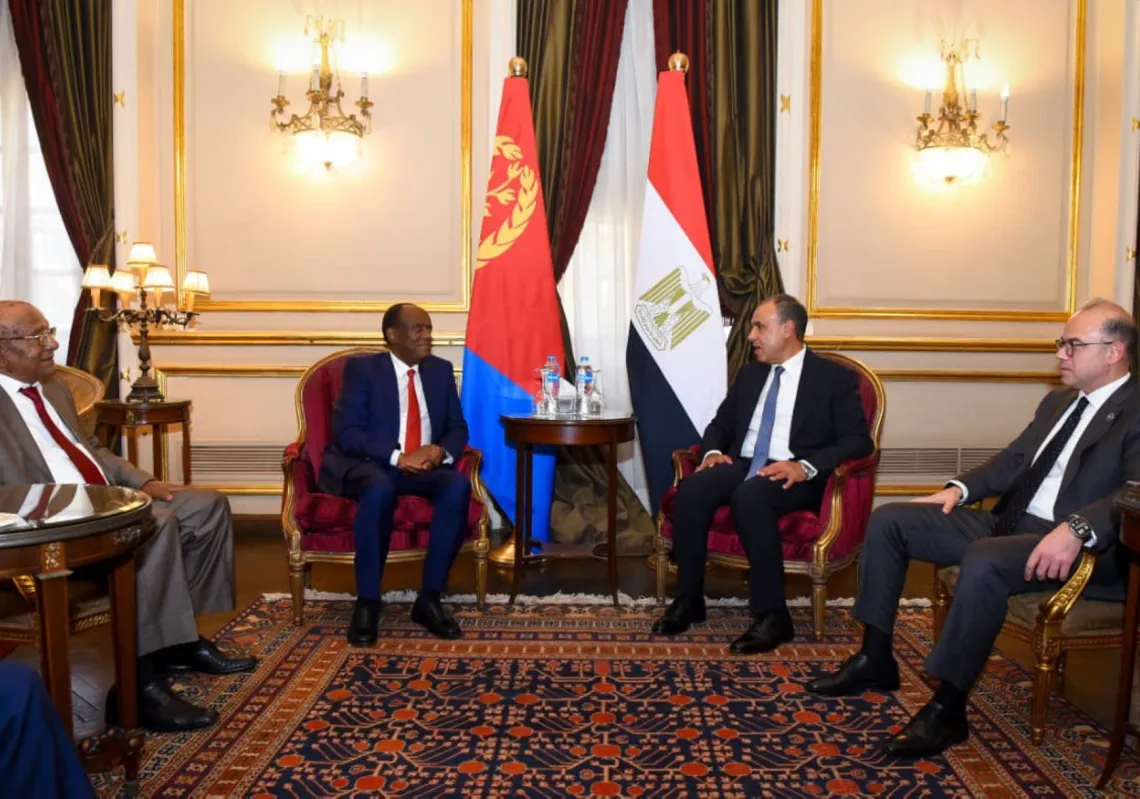
Cairo hopes that by helping the Americans establish relations with Egyptian allies in the region, it will be better placed to deal with the threats posed by Addis Ababa
After 16 years, there is finally a political transition in Budapest. This is an annoyance in Moscow and Washington, a relief in Brussels, and a warning to Europe's populists.
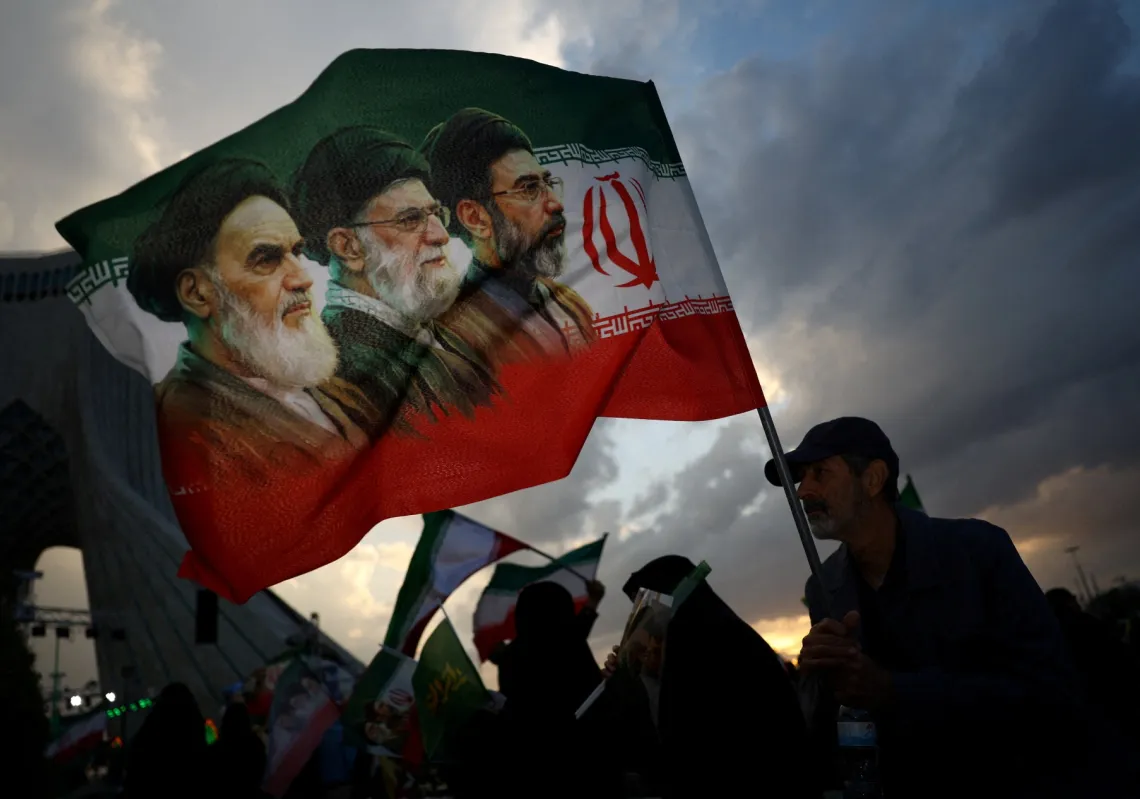
Both Tehran and Washington have powerful incentives to resolve the conflict through negotiations, but actors on all sides have reasons to derail these efforts

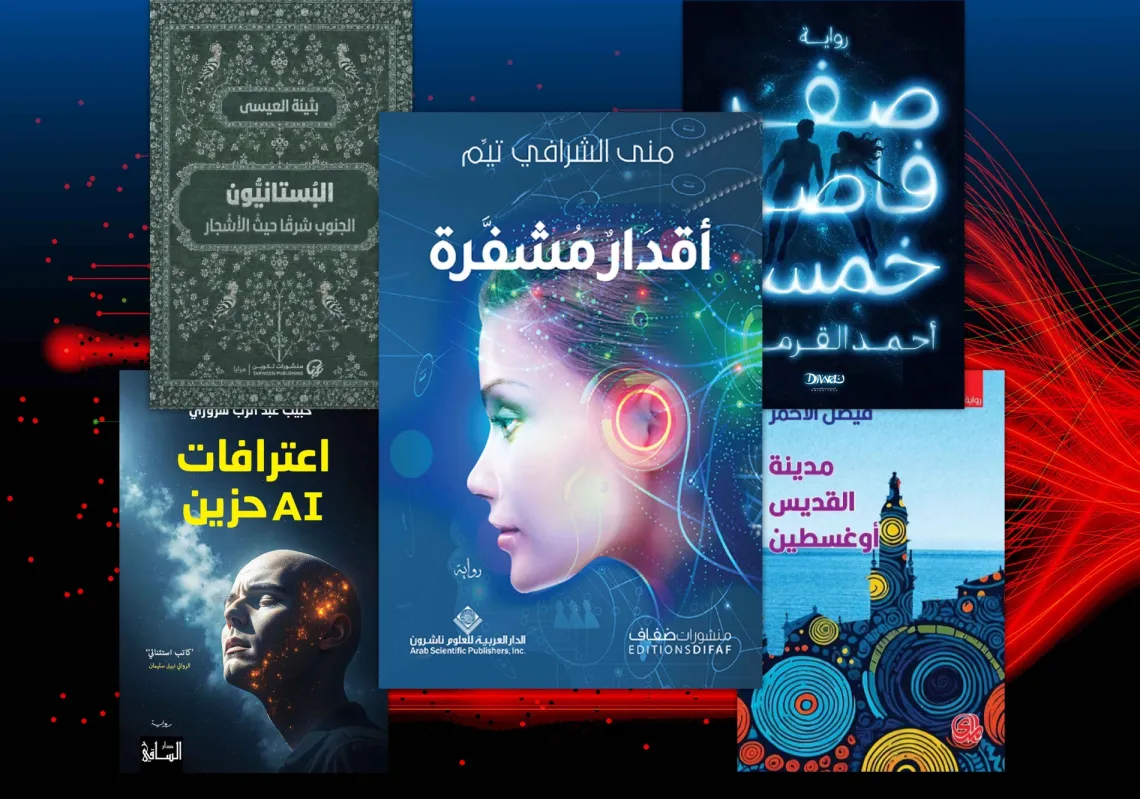
From machines that develop human emotions to societies governed by artificial intelligence, Arab novelists explore the promises and perils of a radically transformed future