The muted impact of electoral change on foreign policy

Despite domestic shifts, new leaders often face structural constraints and have limited parameters to operate

Sara Padovan

The muted impact of electoral change on foreign policy

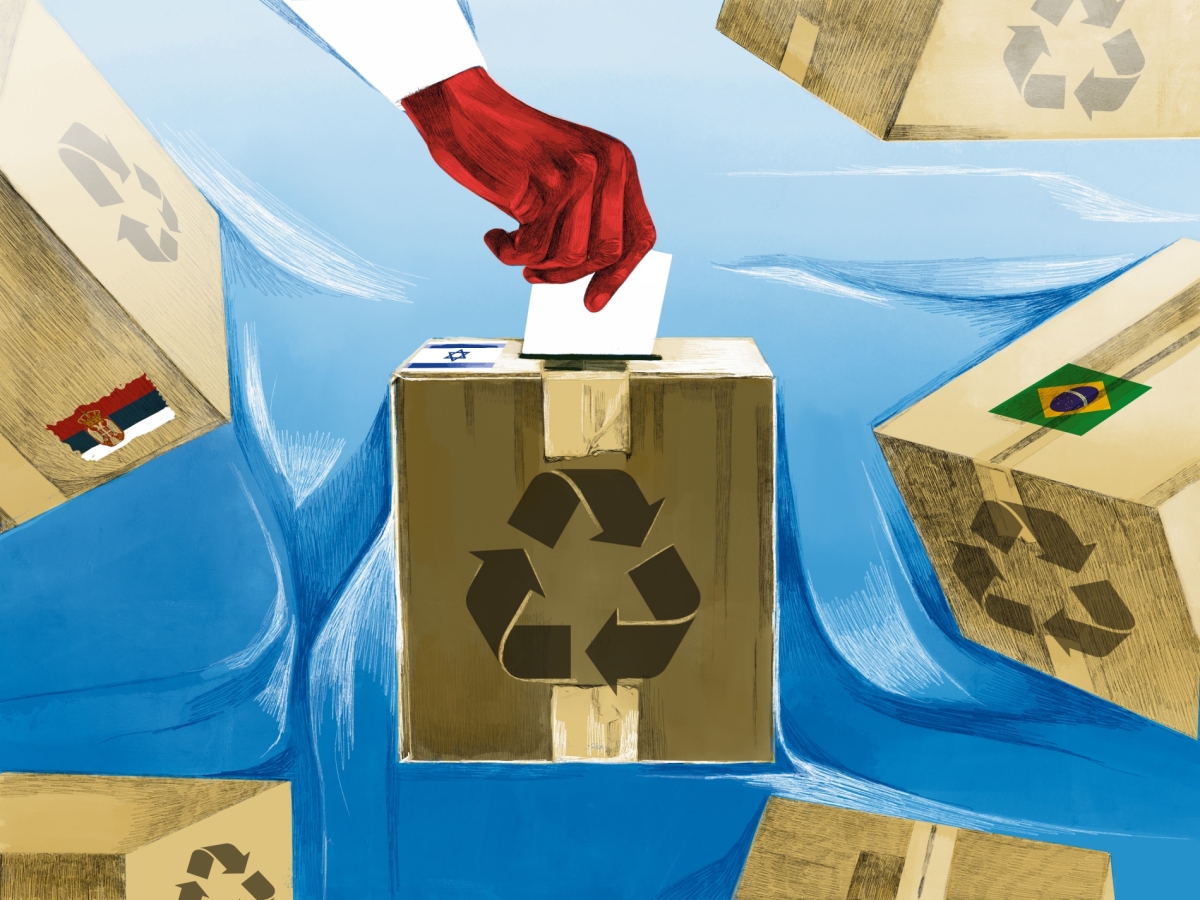
How much do elections change foreign policy? Sometimes democratic elections have strong foreign policy components. In 1952, Dwight D. Eisenhower promised to end the Korean War and arranged an armistice soon after taking office. In 2019, Boris Johnson pledged to “Get Brexit Done” and signed a deal to exit the EU six weeks after winning a parliamentary majority.

However, such instances are generally the exception rather than the rule, and it is far more common for elections to have only a limited impact on a state’s foreign policy. Will this also prove true of the high-profile elections of 2026? Many hope outcomes in Israel and the US, for example, will prompt shifts in foreign policy, but history suggests dramatic changes are unlikely. Even in countries that have recently seen the defeat of long-ruling leaders, like Serbia and Hungary, foreign policy change is more likely to be nuanced than transformative.

There are two common reasons given by scholars why elections rarely bring about major foreign policy change. The first is that external matters are usually secondary at the ballot box. Political scientists have long argued that foreign policy is subordinated to economic and social priorities by most electorates. Even if a government has pursued an unpopular foreign policy, they’re often able to still win elections due to domestic successes. A classic example was Tony Blair’s victory in 2005, despite widespread opposition to his invasion of Iraq two years earlier.

The second is that incoming governments either don’t want to or find it difficult to make major foreign policy change. International Relations scholars, especially Realists, argue that states have relatively fixed foreign policy interests and new leaders will often only tweak previous approaches rather than abandon them.

Whoever is elected in Japan, for example, is likely to see Tokyo’s international interests as revolving around an alliance with the US, suspicion of China and opposition to North Korea. A new government may nuance policies, like détente with Beijing or more independence from Washington, but will likely remain within the parameters of Japan’s ‘core interests.’ Moreover, even if a new government wanted to make more significant foreign policy changes, structural forces make it difficult.

States’ security structures and economies are often deeply entwined with long-lasting alliances and enmities that can take years to unpick, often in the face of considerable opposition. In contrast, domestic changes, especially after receiving a new electoral mandate, are easier to achieve and hence new governments tend to focus on those.
REUTERS/Shir Torem
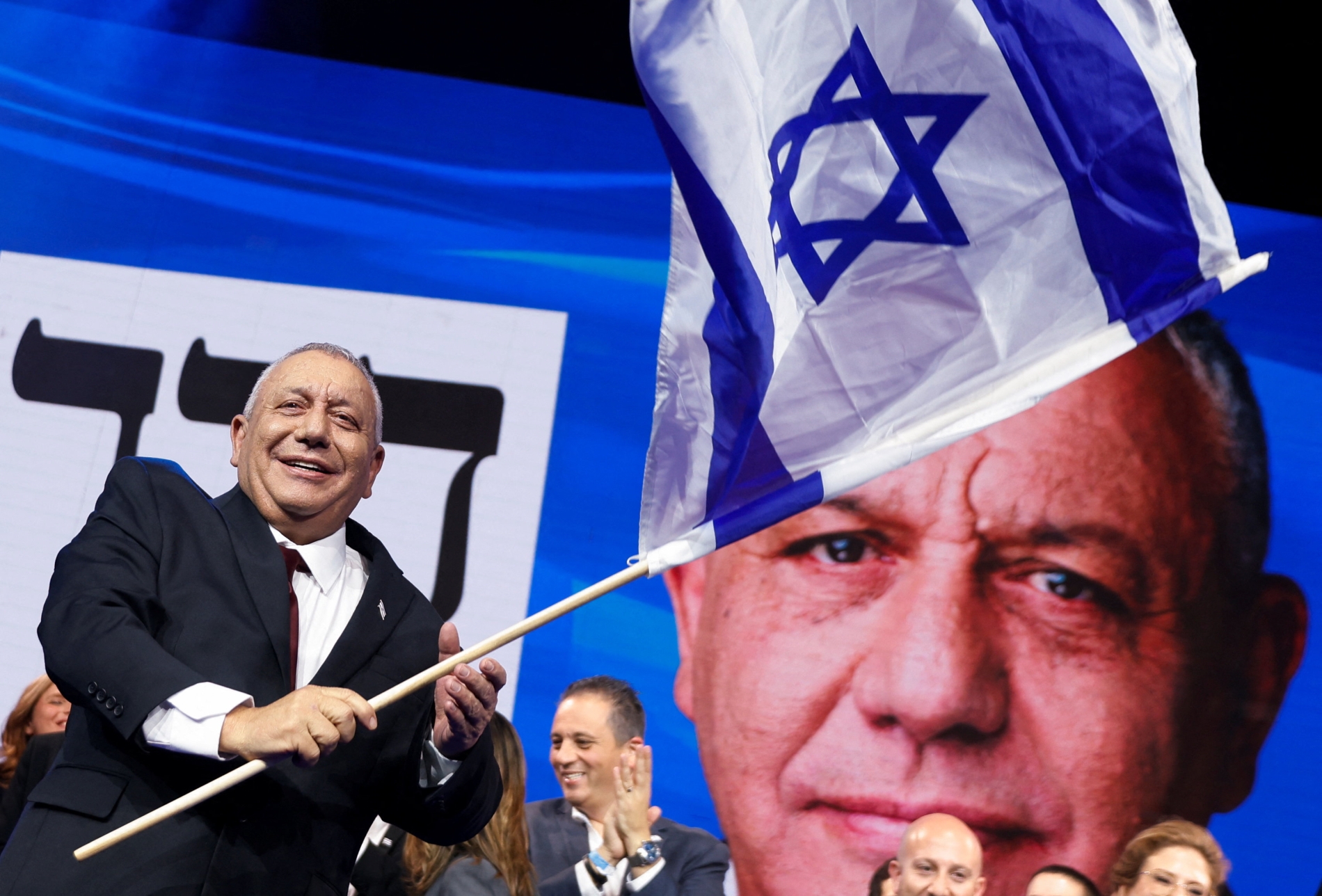
Former military chief Gadi Eisenkot, leader of the Yashar party, waves an Israeli flag following the exit polls at his party headquarters, on the evening of Israel's national election, in Tel Aviv, Israel, on 28 October 2026.

Cautious optimism

Some caution should therefore be directed at hopes that Israel’s election will prompt a significant change in its foreign policy. The election has produced an inconclusive result: Benjamin Netanyahu’s bloc secured 53 of the 120 seats in the Knesset, while the opposition took 48, with Arab-led parties winning a record 19. Neither side has an outright majority, meaning weeks of expected coalition negotiations. But even if Netanyahu is replaced, his opponents' foreign policy approach is not radically different from his own.

The opposition leader, Gadi Eisenkot, a former chief of the Israeli army, has been critical of Netanyahu’s war on Iran, arguing that regime change is unachievable, but he still supports military action against Tehran’s nuclear programme. Likewise, while Eisenkot opposes annexing the West Bank as Netanyahu’s coalition allies urge, he supports settlement in the occupied territories. His proposal on Palestine is a ‘minus state’: an autonomous territory on part of the West Bank without its own military and not requiring the evacuation of Israeli settlements. Were he to lead a government, likely following some kind of deal with Israel’s Arab parties, he may need to progress these plans a bit further.
For all his bluster, Trump has not walked out of NATO, nor made a compromise peace in Ukraine, nor annexed Greenland

However, it looks unlikely that he will suddenly become a peacenik, having said, "anyone who talks about 'peace now' and two states doesn't understand the conflict." This, of course, reflects Israeli public opinion, with a recent Gallup poll suggesting 65% of Israelis oppose a two-state solution. If he becomes Prime Minister, Eisenkot may therefore prove a little less hawkish than Netanyahu on Iran and Palestine, but not radically different.

Trump contained or unleashed?

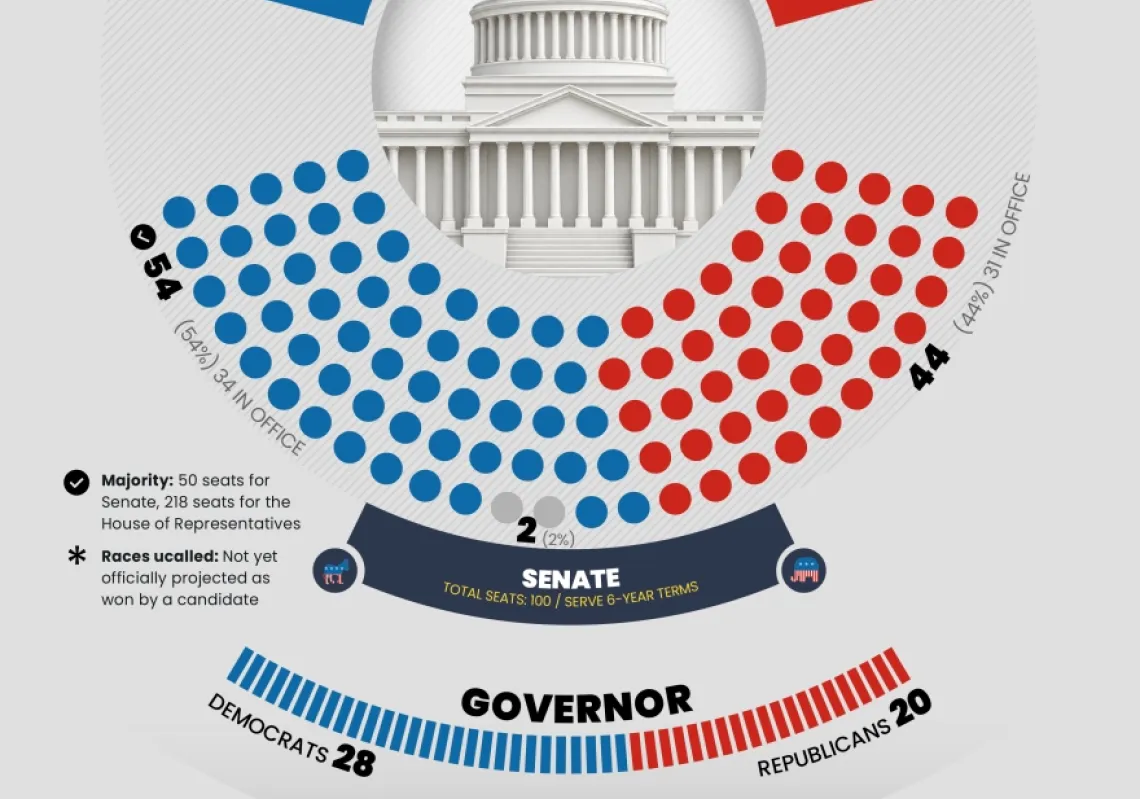
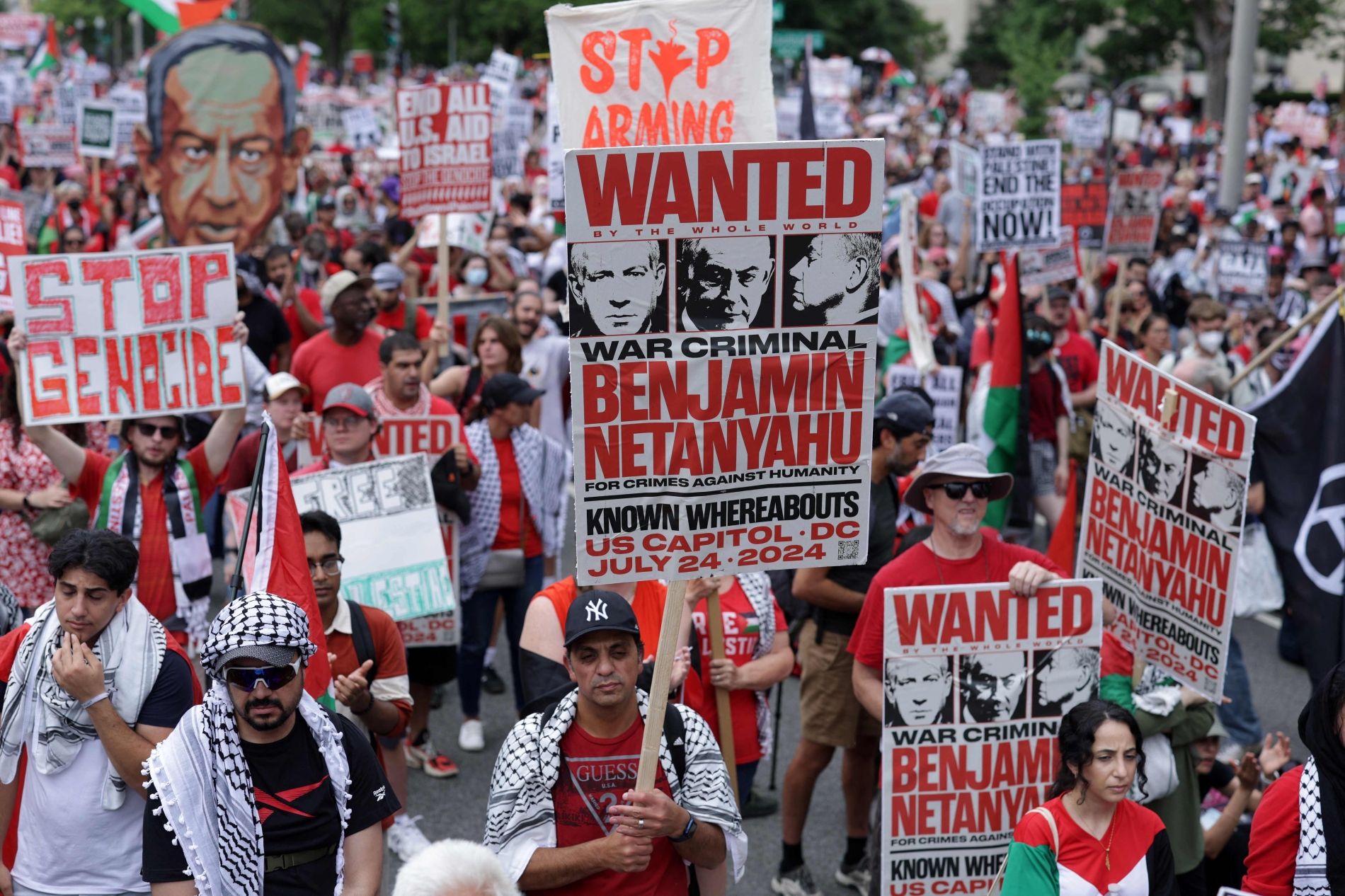
The US midterms are a slightly different prospect, as they are for the legislative rather than executive branches of government. The Republicans were decimated in the elections, losing control of both chambers of the US Congress. However, Donald Trump will still be president after 3 November. Interestingly, this election is proving to be one of the rare occasions when foreign policy has been an electoral issue, because Trump's war on Iran has raised gas prices and worsened the cost-of-living crisis.

Alex Wong/ AFP
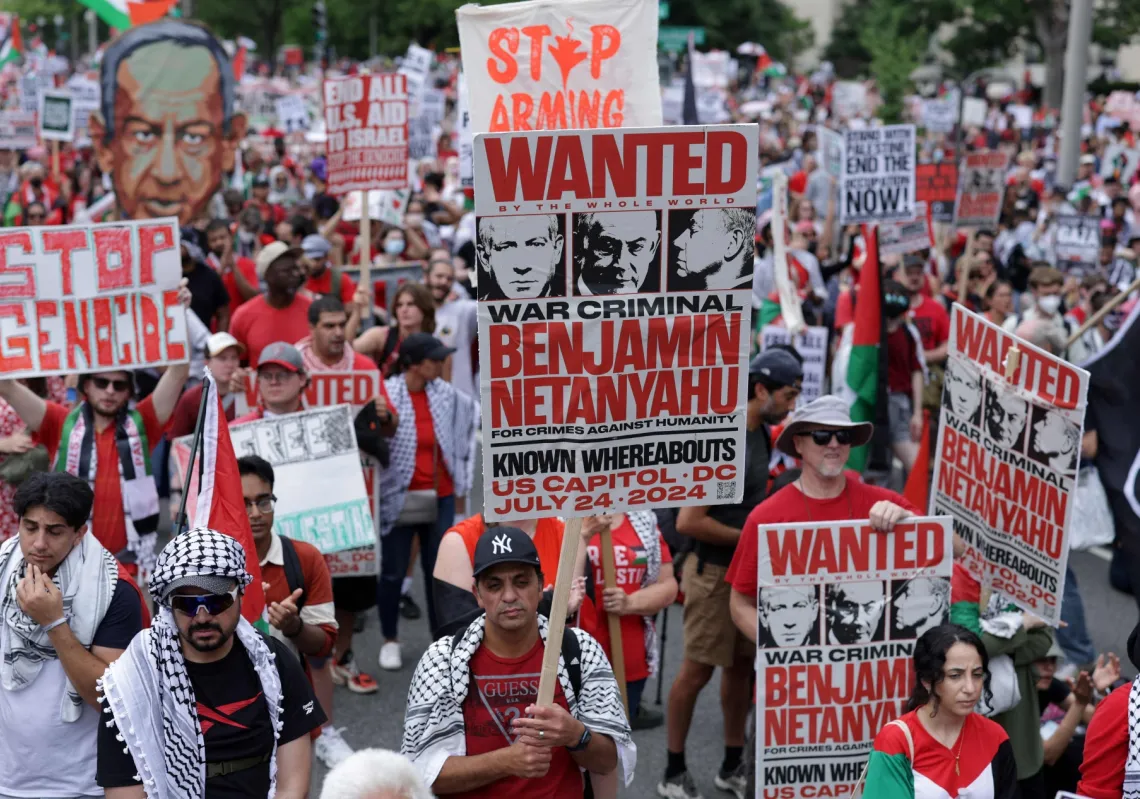
Activists protest near the US Capitol on 24 July 2024, in Washington, DC. Activists staged multiple demonstrations near the Capitol to protest Prime Minister Benjamin Netanyahu's visit to Washington and Israel's war on Gaza.

Read more: Americans care about foreign policy. Now Democrats must listen to them.

Still, the Democrat victory may not necessarily impact US foreign policy. If Trump's domestic agenda is frustrated by a hostile Congress, he could be even more reckless abroad because foreign policy is an area where he could operate with few domestic constraints. Some have even speculated that Trump will renew his attacks on Iran after the midterms, despite his loss.

Although Trump is a relatively unique president who has rejected many decades-long staples of US international affairs, many of his seemingly radical shifts have often been escalations of existing policy rather than new innovations. The US has long been hostile to Iran and supportive of Israel, for example, even if Trump has taken this to new extremes. On China, Trump was the first president to emphasise strategic competition in his first term, but Joe Biden continued this when he came into office, and it will likely persist after Trump has left the White House.

Likewise, for all his bluster, Trump has not walked out of NATO, nor made a compromise peace in Ukraine, nor annexed Greenland. Like his predecessors, Trump still faces structural constraints and limited parameters in which to operate. Whoever succeeds him will almost certainly abandon some totemic 'Trumpist' positions but, like Biden, will show continuity in other areas.

REUTERS/Marton Monus
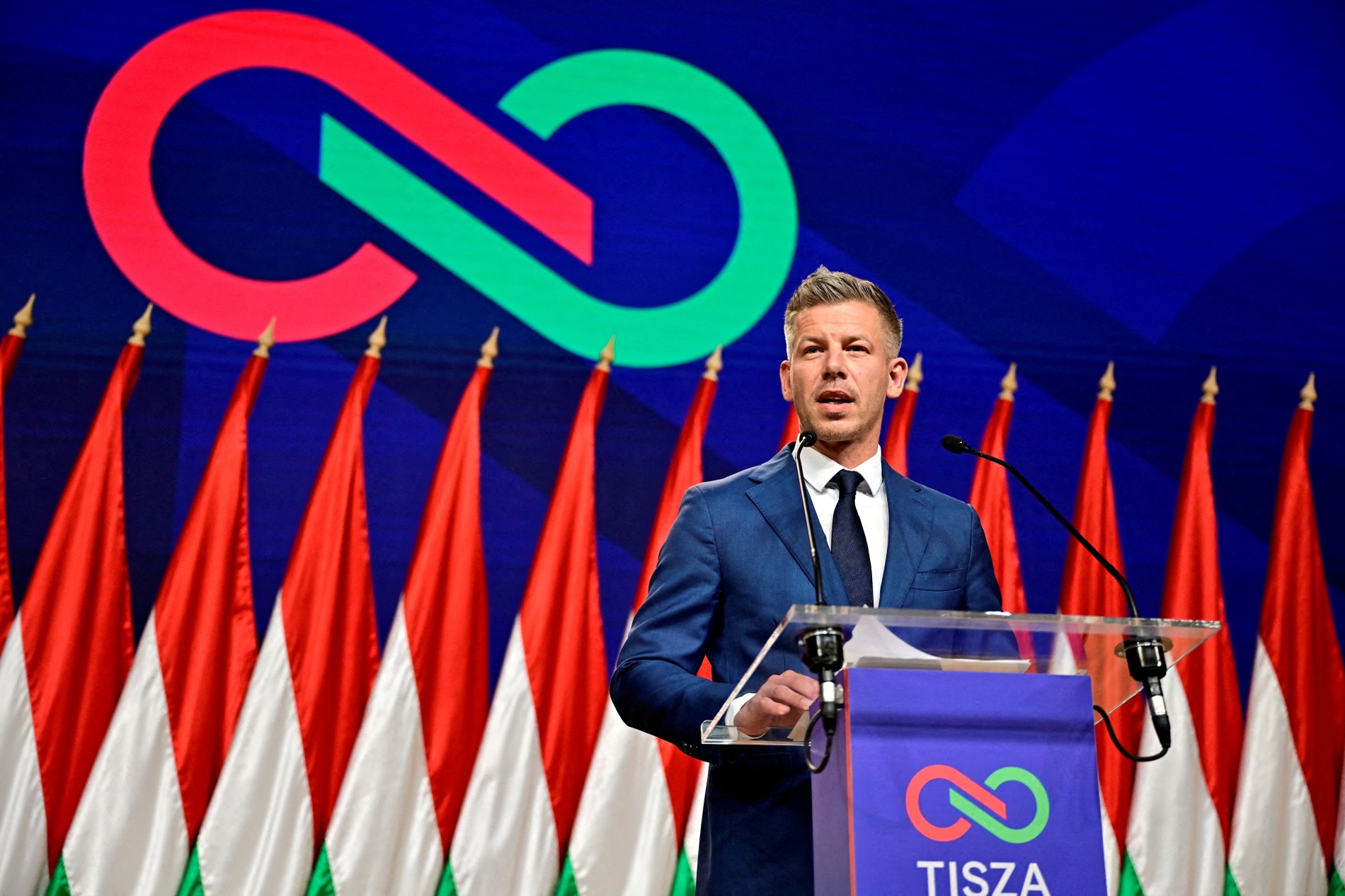
Magyar, leader of the opposition Tisza Party, speaks during a press conference a day after the parliamentary election, in which Hungarian Prime Minister Viktor Orban conceded defeat, Budapest, Hungary, on 13 April 2026.

Shifts and continuities

In contrast to Israel and the US, some recent elections have produced clearer examples of foreign policy change. Peter Magyar's defeat of Viktor Orban in Hungary in April has seen Budapest orient itself more firmly towards EU policy on Russia, for example. Likewise, the Student List, which recently won in Serbia, is keen to press forward with Belgrade's application to join the EU after years of stagnation under strongman President Aleksandar Vučić.

That said, even these changes come alongside notable continuities. Magyar, for example, despite dropping Orban's frequent vetoes of Brussels' support for Ukraine, still opposes fast-tracking Kyiv's application for EU membership, and still relies heavily on Russian energy. Meanwhile, the professor heading the Student List, Ilija Srdanović, is reluctant to recognise Kosovan independence, a long-standing Serbian nationalist position that would have to be thrashed out with the EU.

As with Israel and, to a lesser extent, the US, these newly elected leaders are still primarily focused on domestic rather than international policies and face many internal and external structural limitations to changing foreign policy, should they wish to do so. As a result, even elections that seem hugely transformative at home can prove more muted in their impact abroad. 

font change