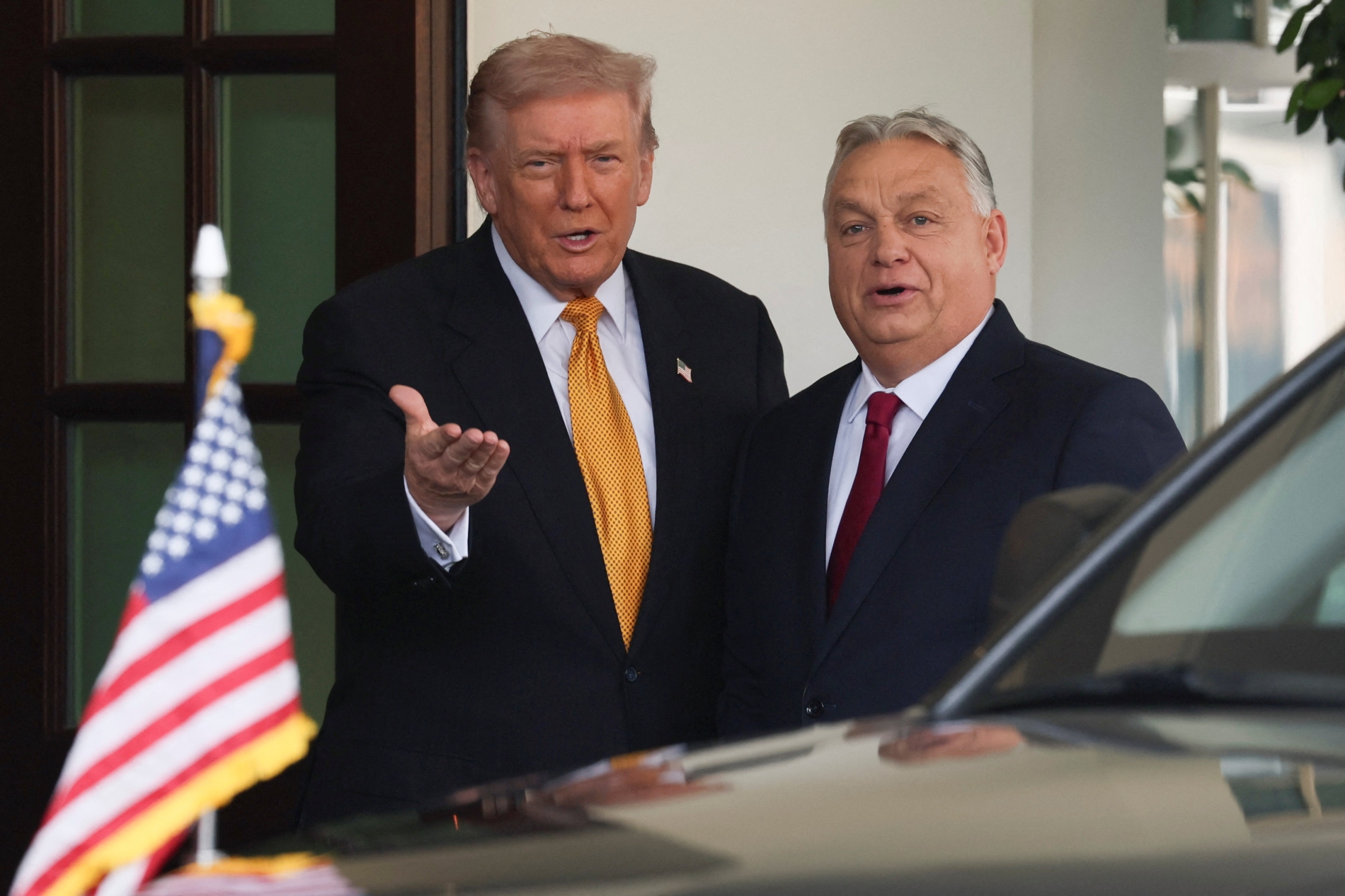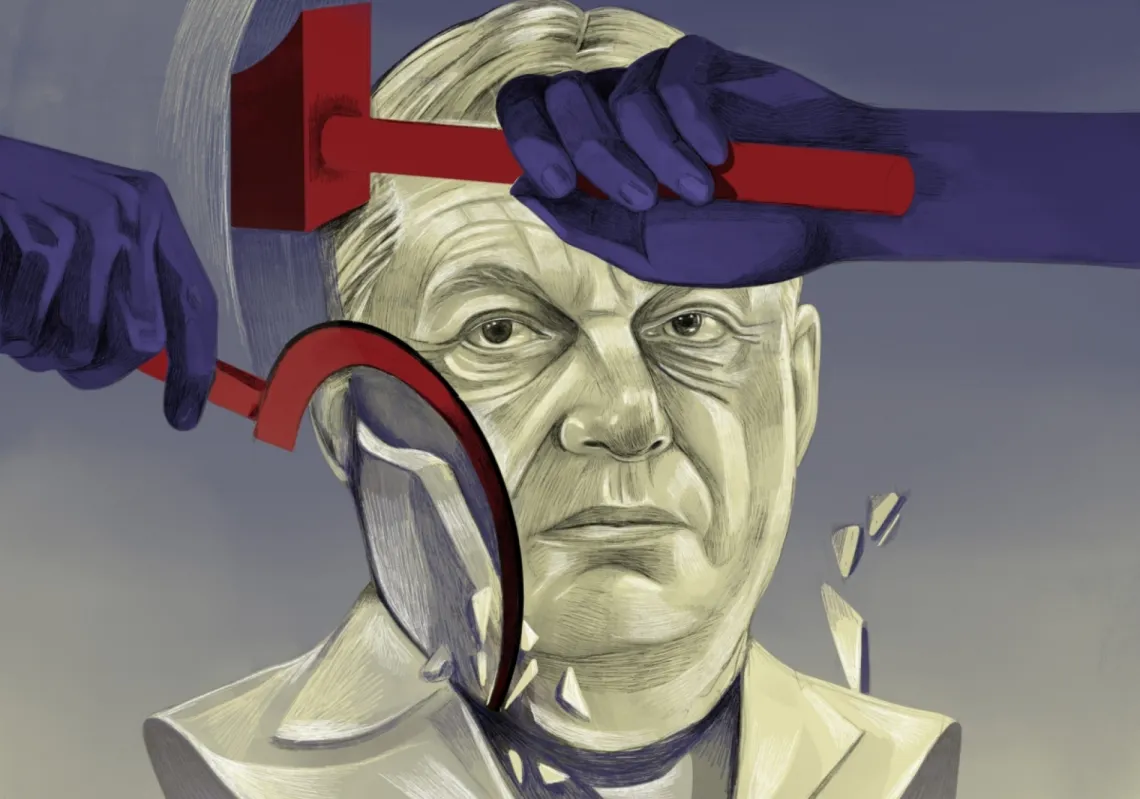

The electoral earthquake that shook Hungary on 12 April brought an end to 16 years of rule by Viktor Orbán, one of the most prominent symbols of the conservative right in Europe and beyond. Strangely, Orbán’s survival had been a political priority for both the White House and the Kremlin, the former even sending US Vice President J.D. Vance to visit in support a few days before the vote.
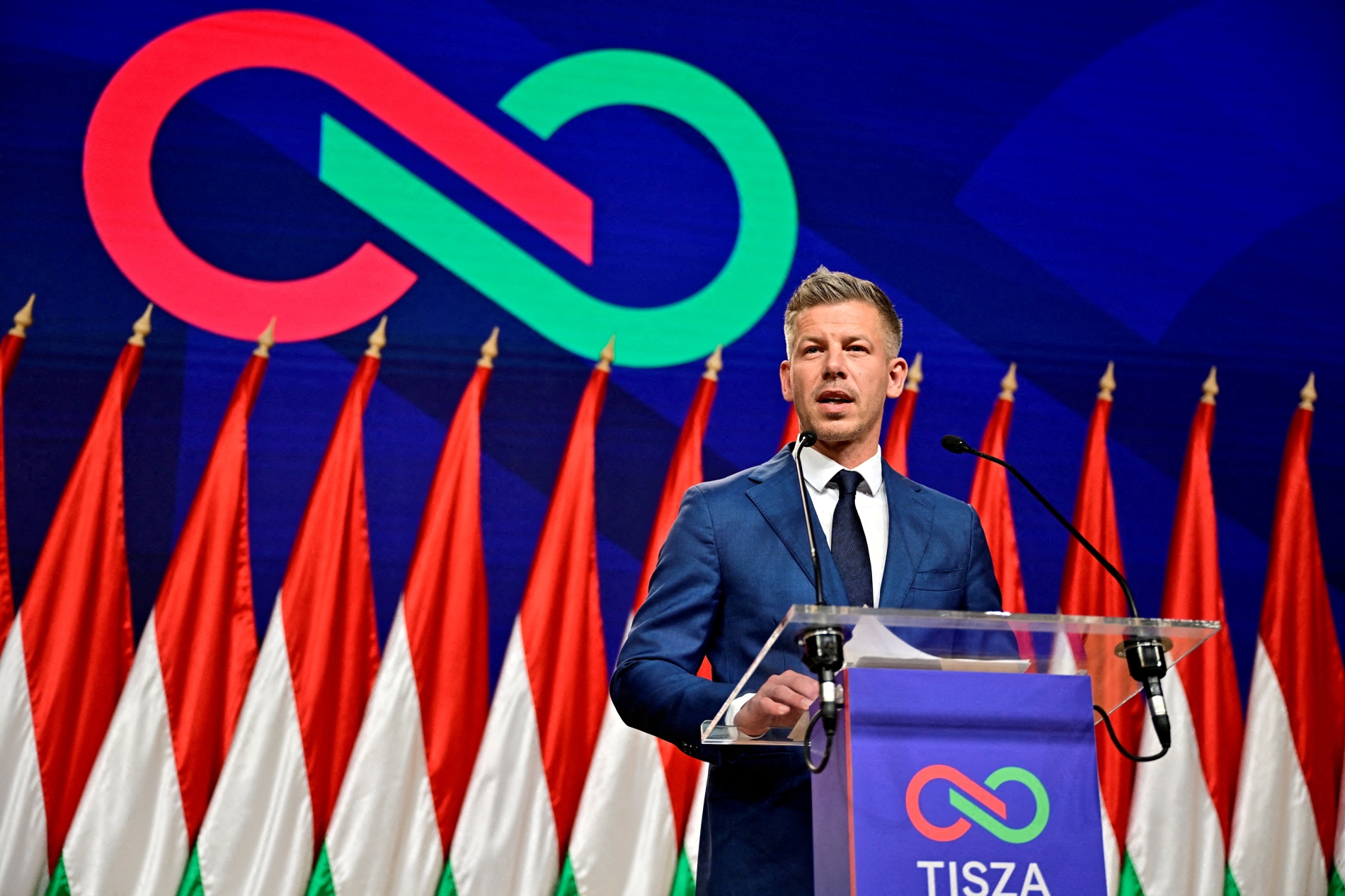
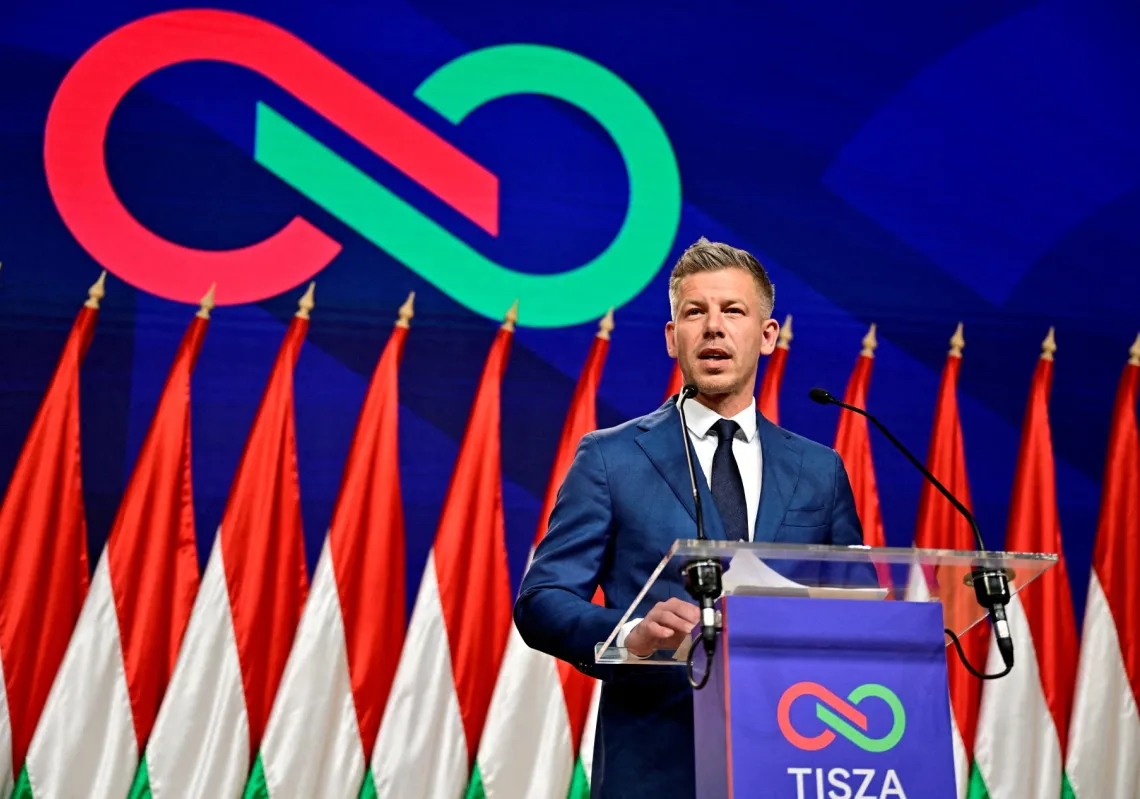
The elections, in which Orbán and his party were soundly defeated, heralded a transfer of power in Budapest to the Tisza Party, led by Péter Magyar, who won 140 of the 199 seats in the National Assembly. Particularly significant was the turnout, which rose to 79.5%, the highest since the collapse of the Soviet Union almost half a century ago. The vote was shaped by a powerful mobilisation of young people. Together, they have given Magyar a clear mandate for change.
Orbán’s defeat has many explanations. They include the erosion of his authority, economic failure, control over the media and state institutions, the weakening of the rule of law, the curtailment of judicial independence and public freedoms, and Péter Magyar’s success in uniting the opposition behind him, while also benefiting from exceptionally high voter turnout. Economic factors helped, too. Amid mounting pressure on living standards, Orbán’s circle was widely accused of corruption. Indeed, since the loss, many of his newly wealthy advisors have sought to move their money out of the country.
To overcome his poor domestic record, Orbán centred his election campaign on foreign policy, relentlessly denouncing ‘enemies’ such as non-governmental organisations, liberal universities, and the European Union. He portrayed himself as defending Hungarian sovereignty, but the crushing defeat suggests that the public may have been sceptical of the narrative.
A blow to populism
The election result can be regarded as exceptional; a leader who came to symbolise illiberal democracy was removed from power in a democratic vote in a peaceful political transition, ending more than a decade of populism. Yet after such a prolonged period in power, it will be neither easy nor quick to dismantle Orbán’s legacy, not least because nationalist populists are on the rise throughout Europe.
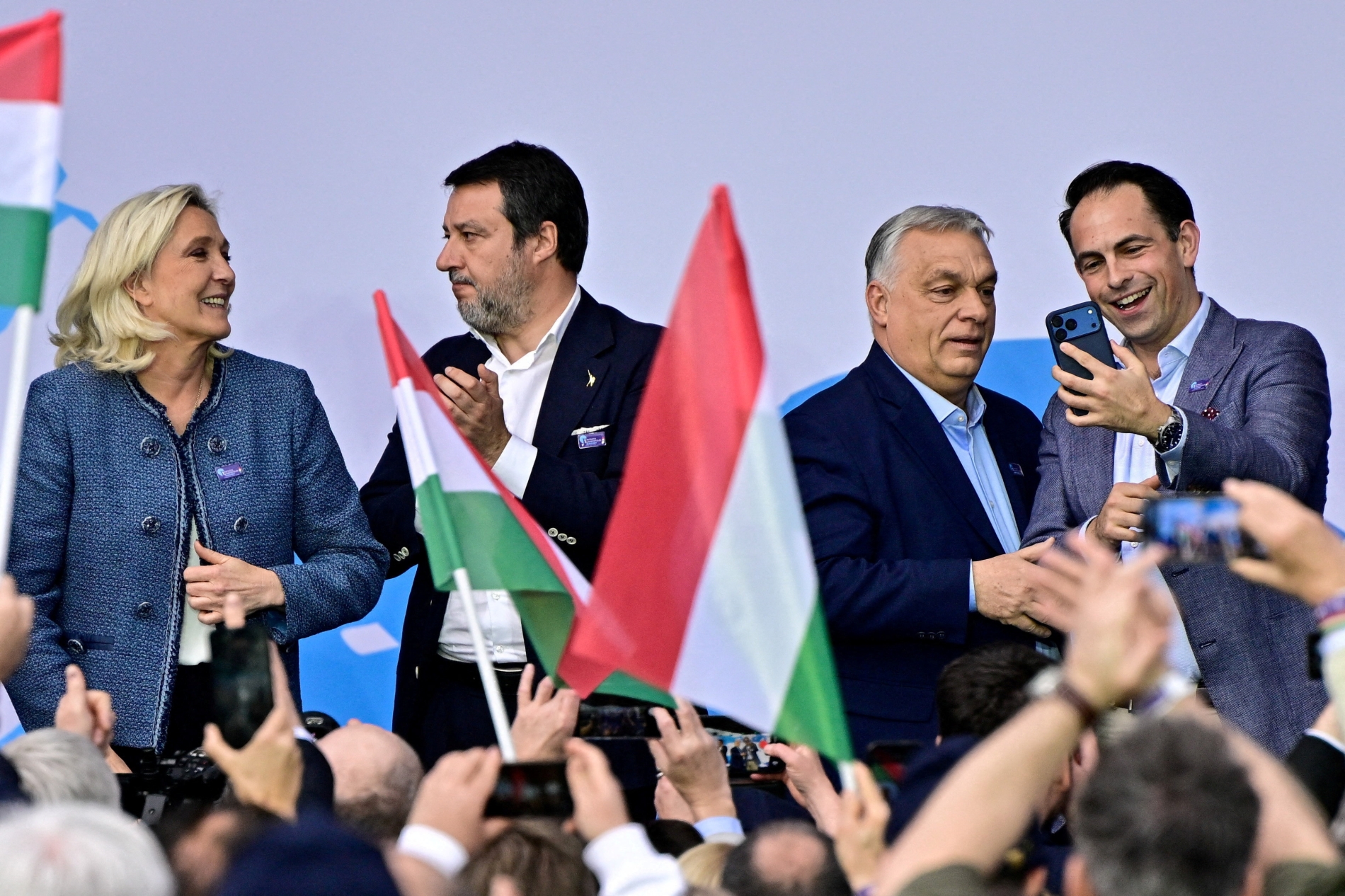
Some analysts contend that Orbán lost his populist instincts after drifting away from his voters' concerns. His model fused political power with institutional control under the cover of sovereignty. His resounding defeat can be read not only as a rejection of that at home, but as a warning to Europe’s other populists that voters concerned about the economy and jobs tend to prioritise remedies over grand political rhetoric.
In recent weeks, Italian Prime Minister Giorgia Meloni lost a high-stakes referendum linked to judicial reform. One of Italy’s longest-serving premiers of recent years, the result was a rare indication that her political dominance is not absolute. Likewise, in France, the far-right suffered a setback in the March municipal elections. Although the National Rally party made gains in small towns, it failed to capture the cities.
Hard-right parties won power in Hungary under Viktor Orbán in 2010; Poland under the Law and Justice party in 2015, and Italy under Giorgia Meloni in 2022. They have also gained ground in several countries, including Germany, France, and Britain, but some think the Hungarian result may represent a turning point, coming after the Law and Justice party in Poland was removed from power in 2023. Only Meloni remains in power, and she now appears weakened after the referendum.
Some are calling this the ‘Budapest Spring,’ in a nod to the Prague Spring of 1968, a liberalising revolt in neighbouring Czechoslovakia (now the Czech Republic). But caution is needed before investing too much in this historic label, and expectations should remain measured, given that Europe’s recent political history shows that a single election result cannot on its own restore liberal democracy overnight. Populism and nationalism leave deep scars wherever their proponents have seized power. Poland is a case in point.
Relief in Brussels
In the European Union, there was widespread relief after Orbán’s defeat, with Magyar’s supporters saying: “Hungary chose Europe.” Under Orbán, Hungary had become a chronic source of friction, not least over sanctions, Ukraine, and Russia (Orbán was famously close to Russia’s Vladimir Putin).
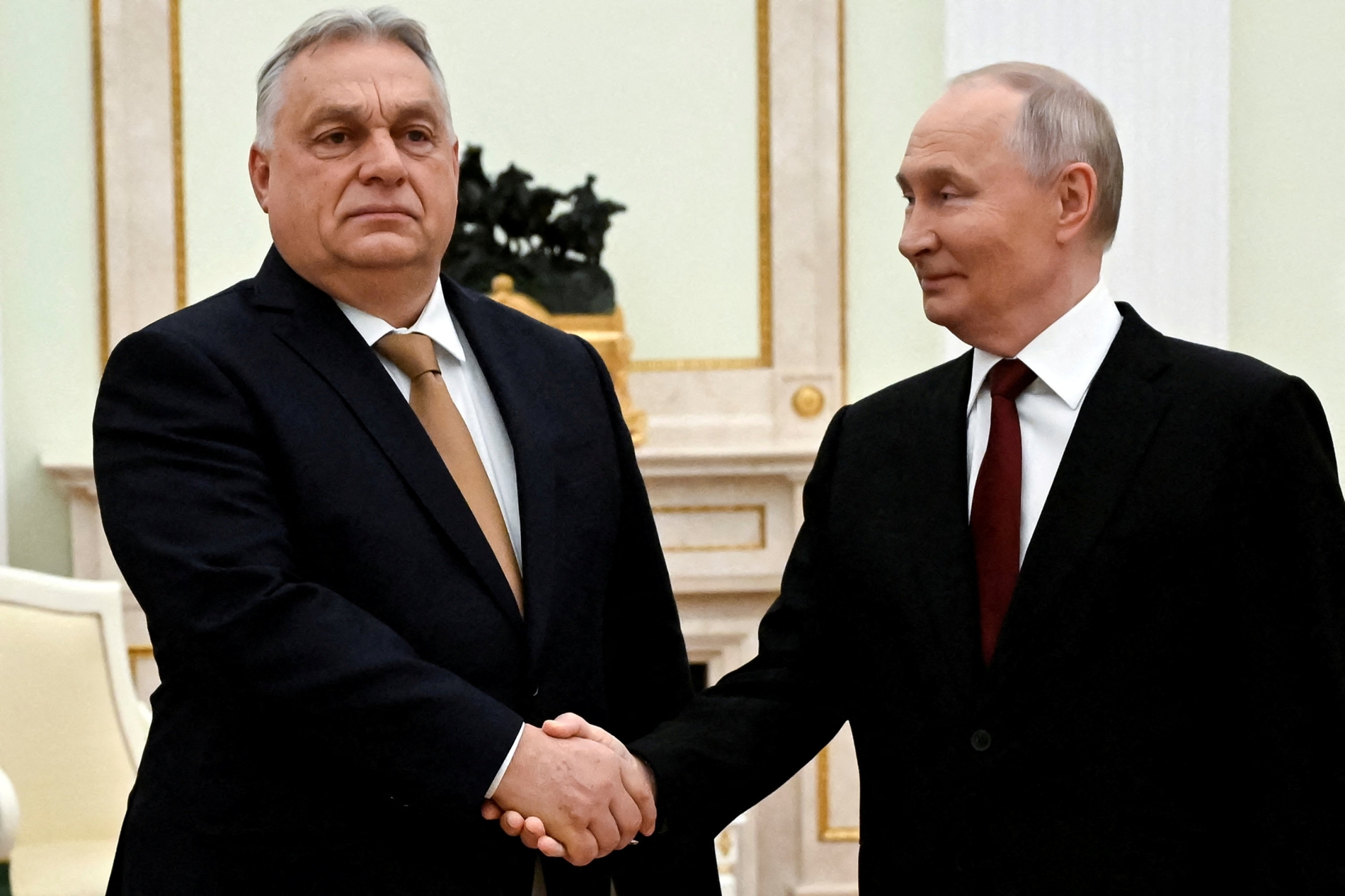
The new government is likely to prove less obstructionist and more inclined to repair relations with Brussels, which has had concerns about Hungary’s commitment to the rule of law, judicial independence, and the bloc’s principle of free movement of people.
Some accuse Brussels of waging economic warfare, including by freezing billions of euros, to push Hungary towards a change in political leadership and towards a replacement more closely aligned with the EU's political line. Others feel that unanimity in such a big bloc may now need to be replaced by qualified majority voting, particularly on matters of foreign policy.