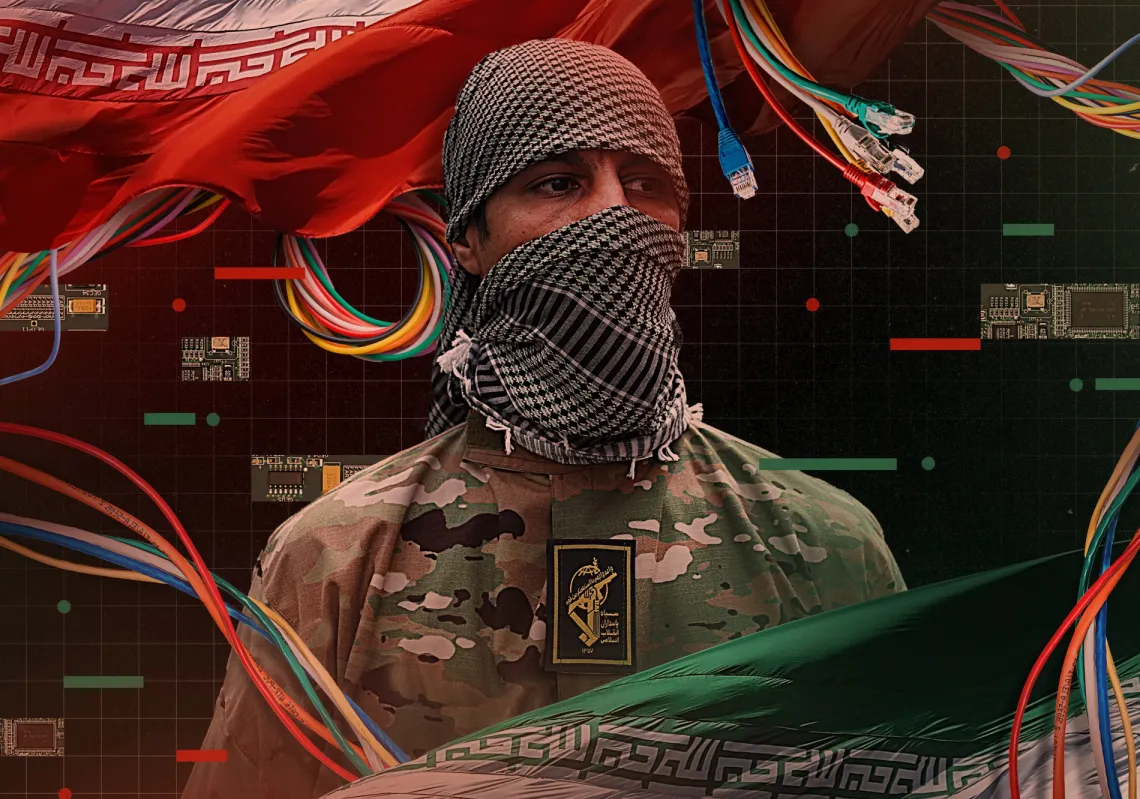

Gulf states are intensifying security campaigns to dismantle networks linked to Iran and Hezbollah, accused of espionage, sabotage, money laundering and directing missile attacks amid the US-Iran war. The investigations reveal how sleeper cells have evolved into cross-border operational networks targeting security and economic infrastructure through ideological recruitment, front companies and encrypted digital technologies.
Across the Gulf, the Middle East and Europe, governments say Tehran is pursuing a strategy of "exporting disorder" to unsettle its adversaries through asymmetric warfare. Gulf capitals, meanwhile, are strengthening intelligence cooperation, tightening financial oversight and targeting funding and influence networks linked to the Revolutionary Guard and its regional proxies.
Gulf states take on Iran’s sleeper cells is this week’s cover story in Al Majalla, featuring investigations and analysis from the Gulf, Syria and Europe.
Read more:
1. Iran's bid to export disorder across the Gulf by Omar Harkous
2. How Europe helps keep Hezbollah in business by Lina Khatib
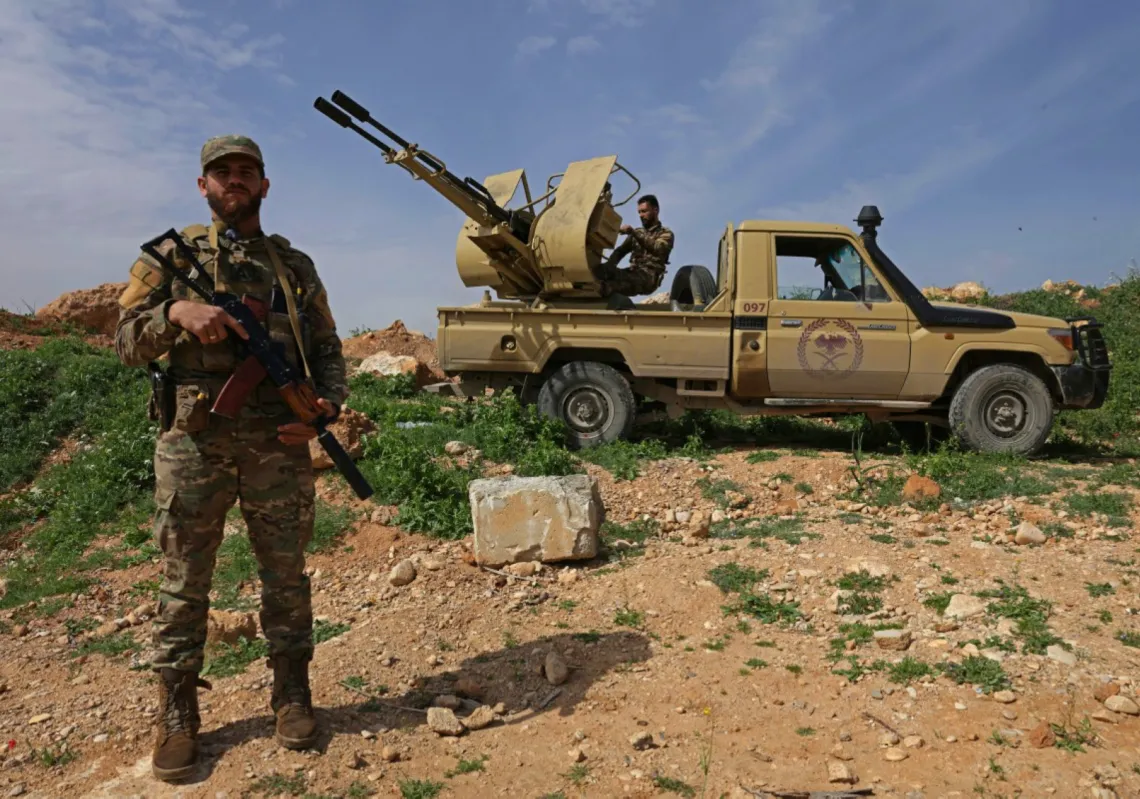
3. Iran steps up Syria destabilisation efforts by Subhi Franjieh