Armenia’s foreign policy to be tested at the ballot boxhttps://en.majalla.com/node/330925/politics/armenia%E2%80%99s-foreign-policy-be-tested-ballot-box
Armenia’s foreign policy to be tested at the ballot box
Having made strides towards peace with both Azerbaijan and Türkiye, the country's West-leaning prime minister faces frustrated voters next month in a contest that has stoked Moscow’s interest
AFP
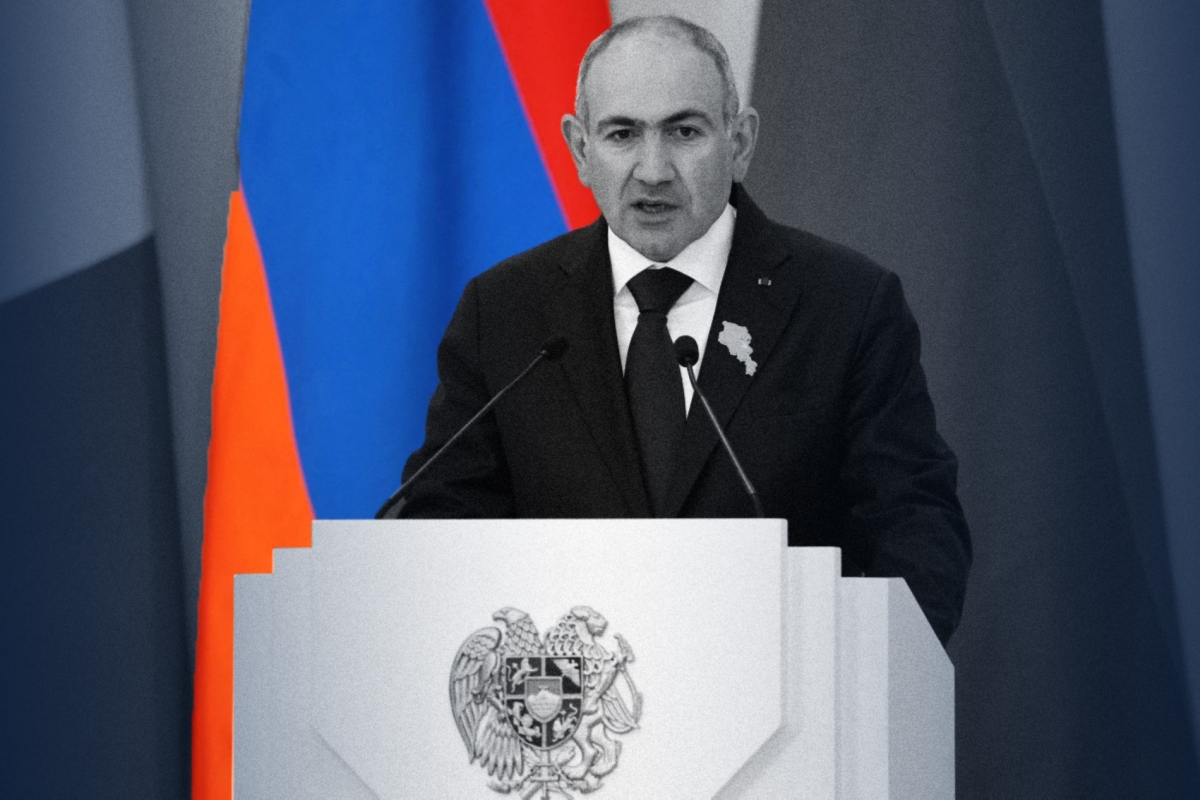
Armenian Prime Minister Nikol Pashinyan delivers a speech during talks with the French President in Yerevan on 5 May 2026.
Armenia’s foreign policy to be tested at the ballot box
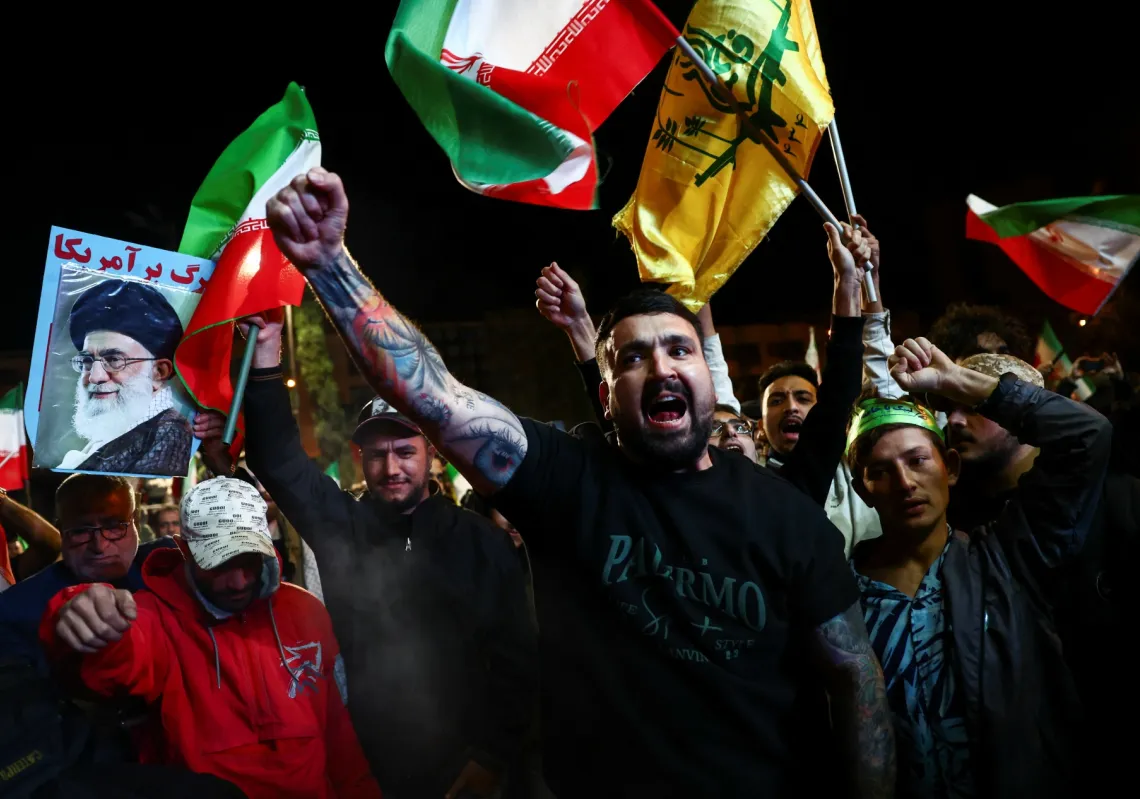
The war in Ukraine over the past four years and the effects of this year’s Iran war have propelled global energy security to the top of the global agenda, with alternative oil and gas transit routes now urgently sought, as both exporters and importers realise that key waterways can be blocked. In this context, the Caucasus has emerged as a region of interest. Yet long before Iran took control of the Strait of Hormuz, it was a battleground for some of the world’s bigger powers.
The three Caucasus countries—Azerbaijan, Armenia, and Georgia—sit on their own energy resources and/or across key transit routes, meaning that they are impacted by the competing interests of Russia and the United States, but also Türkiye, Iran, and other nations seeking a share of the region’s economic and commercial potential.
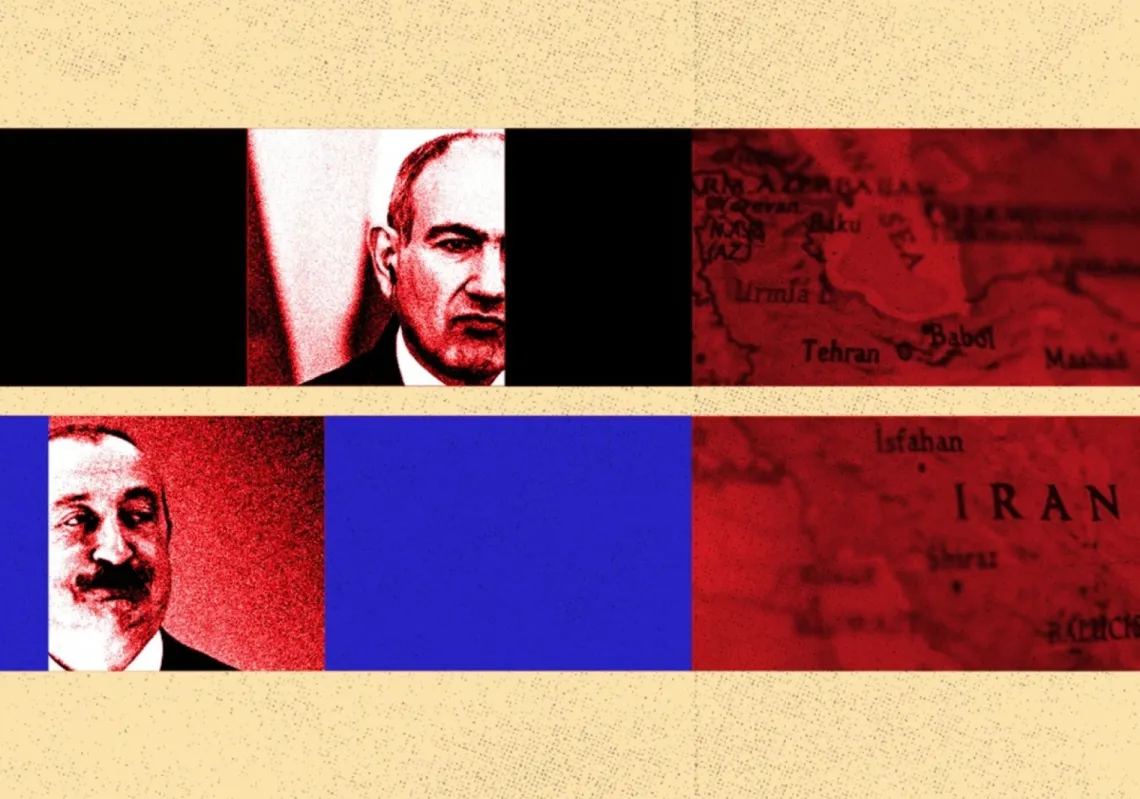
Georgia is facing a serious political crisis, pitting pro-Western voices against those who want closer ties to Moscow, while Azerbaijan and Armenia have been at odds since their independence in 1990.
Armenia initially occupied around 20% of Azerbaijani territory, including Karabakh, but this was reversed after the Second Karabakh War in 2020 and the 2023 operation. Now, after more than five years of calm, there is a process to normalise relations between them, and between Türkiye and Armenia. Before that, however, there are sensitive issues that need to be resolved.
Amid these developments, Armenia is preparing for a key election on 7 June. The loss of Karabakh, a troubled Armenian economy, and concerns about social conditions have reduced support for Armenian Prime Minister Nikol Pashinyan and the Civil Contract Party he leads. Pashinyan has held power since 2018, but although his popularity has fallen, he remains the favourite to win, partly because other candidates currently poll even less favourably.
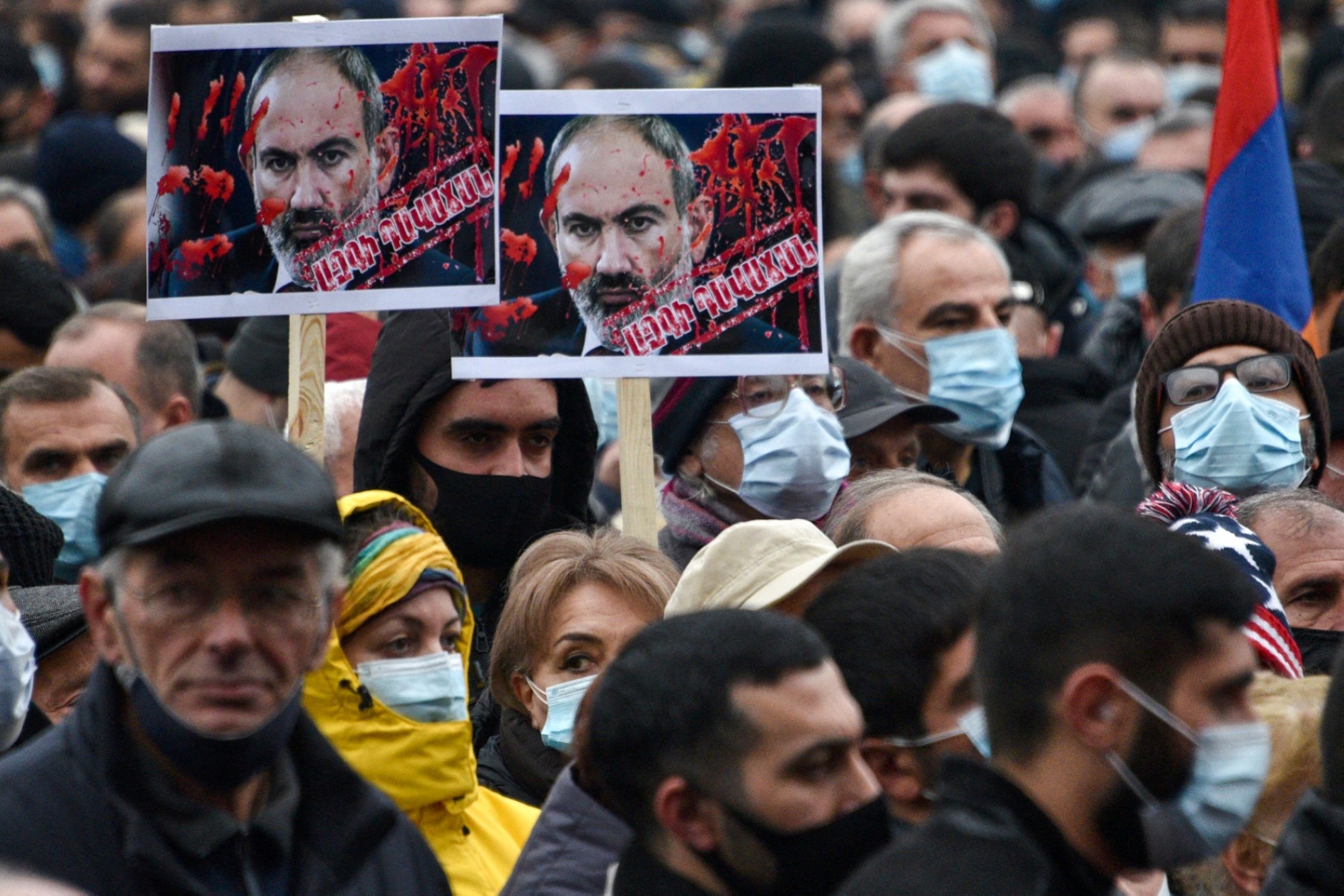
People hold posters of Armenia's Prime Minister Nikol Pashinyan during a rally against a controversial peace agreement with Azerbaijan in Yerevan on 5 December 2020.
Pashinyan’s rivals include Robert Kocharyan (Armenian Alliance), a former president backed by ultra-nationalists, and Armenian-Russian oligarch Samvel Karapetyan (Strong Armenia Party). A former Armenian foreign minister said two central pillars of the anti-Pashinyan camp were Russia and the Church.
Pashinyan's promises
For his part, Pashinyan has promised to improve relations with Azerbaijan and Türkiye, strengthen ties with the West, and revitalise the economy. But his opponents say Armenia’s future prospects are better served by closer ties with Russia. If Pashinyan wins, analysts wonder whether he will be able to rule, or whether the forces ranged against him will intervene and drag Armenia into a crisis.
Pashinyan has vowed to strengthen ties with the West and improve relations with Azerbaijan and Türkiye, but his critics prefer closer ties with Russia
Türkiye has a big role to play in this equation, not least because of its geographical location, historical role, and very close ties with Azerbaijan. Turkish President Recep Tayyip Erdoğan stated that the liberation of Azerbaijan's occupied territories had ushered in a new era in the Caucasus.
The normalisation process, which took a major step forward in Washington in August 2025, had initially been stymied by an Armenian precondition that Türkiye first acknowledge the genocide at the hands of the Ottomans during the First World War, but in choosing to drop this, Pashinyan paved the way for diplomacy.
Signs of progress
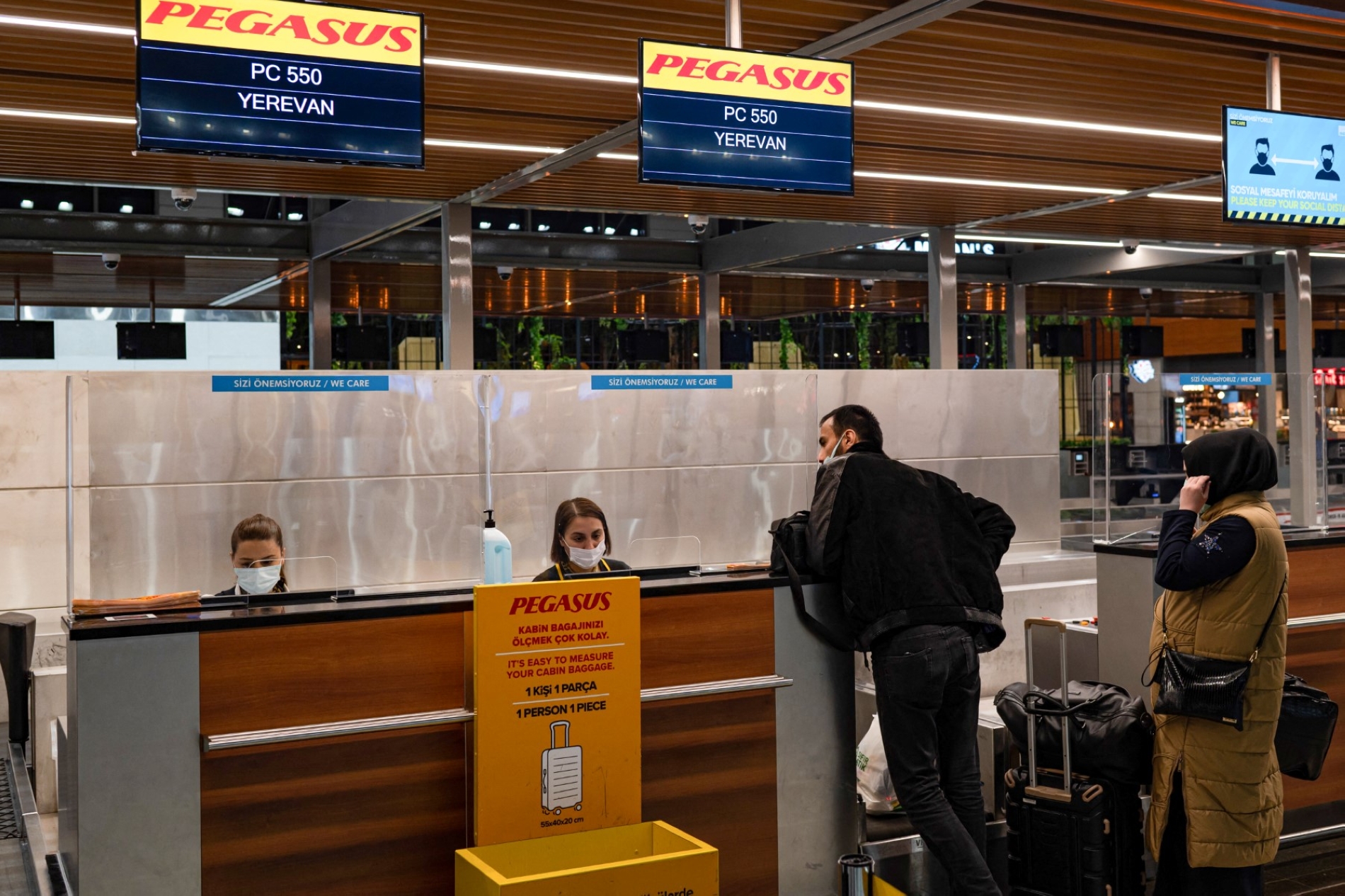
The shared border has been shut for 35 years, but there are signs of progress. Special envoys appointed by Türkiye and Armenia have met regularly. Turkish Airlines and Pegasus (Türkiye's largest private airline) now fly daily between Istanbul and Yerevan, with flights always fully booked both ways (most passengers are Armenian).
Passengers wait before boarding for the Pegasus Airlines flight departing from the Sabiha Gokcen International Airport for the first time to land in the Yerevan International Zvartnots Airport, in Istanbul, on 2 February 2022.
Direct trade does not yet exist, but Turkish goods valued at around $1.3bn are understood to be exported to Armenia via Georgia every year. The infrastructure is in place to allow people and vehicles to traverse the Alican/Margara border crossing between Türkiye and Armenia, but the decision to operationalise the system has yet to be made.
Armenia's current pro-Western government, which wants to normalise relations with Türkiye and open the border, feels that the process is slow. Armenians say that even allowing third-country citizens to cross the border would highly contribute to the already improved atmosphere.
For its part, Türkiye is being careful to coordinate its own normalisation with Armenia with the broader normalisation work between Azerbaijan and Armenia. This is to avoid tensions with Azerbaijan, which was upset when Türkiye and Armenia signed the famous Zurich Protocols in 2009.
Azerbaijan says it is waiting for Armenia to remove the references in its constitution stating that Karabakh is part of Armenia before the two can sign a peace agreement. Pashinyan has suggested that he would be in favour of doing so, but first needs to win the elections. If he does, the constitutional amendment must be approved by parliament and in a referendum.
Meanwhile, Yerevan hosted the leaders of 45 nations for the 2026 summit of the European Political Community (EPC), where Canada's Prime Minister Mark Carney, Ukrainian President Volodymyr Zelensky, and Turkish Vice President Cevdet Yılmaz attended. Azerbaijan's president, Ilham Aliyev, joined via video call. Whilst in Yerevan, Yılmaz met his Armenian counterpart in a meeting that reportedly went well, and the two countries even signed a memorandum of understanding to restore the historic Ani Bridge.
Source of concern
Russia is a major source of concern in Armenia, as it is in almost all the other countries of the former Soviet Union. Many Armenians think Moscow will interfere in the elections and after, if the results don't go its way.
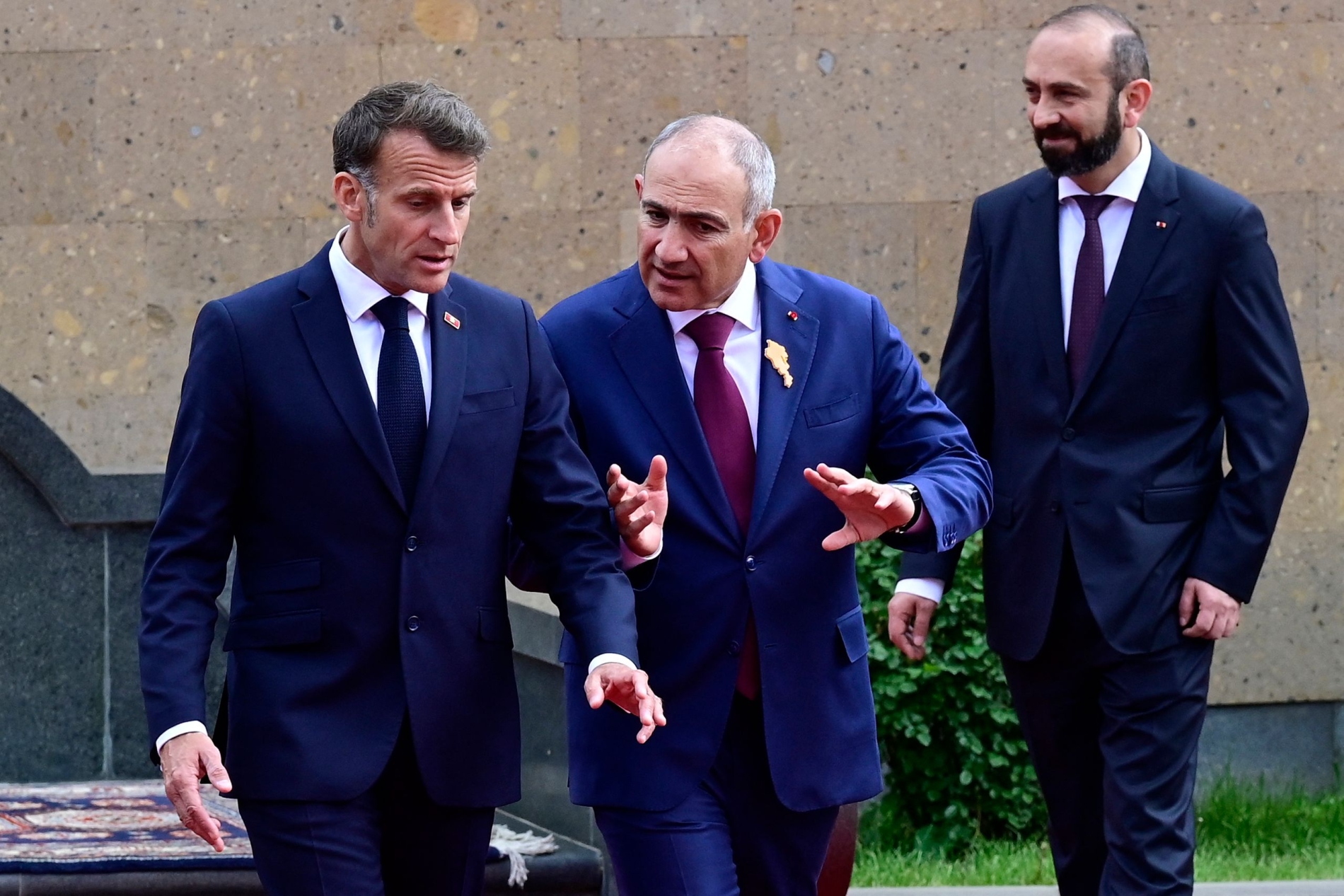
France's President Emmanuel Macron and Armenia's Prime Minister Nikol Pashinyan walk during a welcoming ceremony prior to their talks in Yerevan on 5 May 2026.
For his part, Pashinyan doesn't want Armenia to fall under Russia's hegemony again and was praised by French President Emmanuel Macron at the EPC summit. Referring to the "very impressive" work of the Pashinyan administration, Macron said Armenia had been seen as "a sort of de facto satellite of Russia" before 2018. A former high-ranking Armenian diplomat put it this way: For Yerevan, "more West" and "more Türkiye" mean "less Russia".
Since Pashinyan came to power, Russia's influence and presence in Armenia have noticeably waned. The country's electricity grid is now run by the Armenian state, for instance, while control of the borders is now managed by Armenian border guards, not Russian personnel.
Yet the break is far from total. Other strategic sectors—such as natural gas, banking, and railways—remain partially or largely under Russian control, while Russia's 102nd military base just outside the Armenian city of Gyumri was reinforced by units from Russia's Southern Military District last summer.
American interest
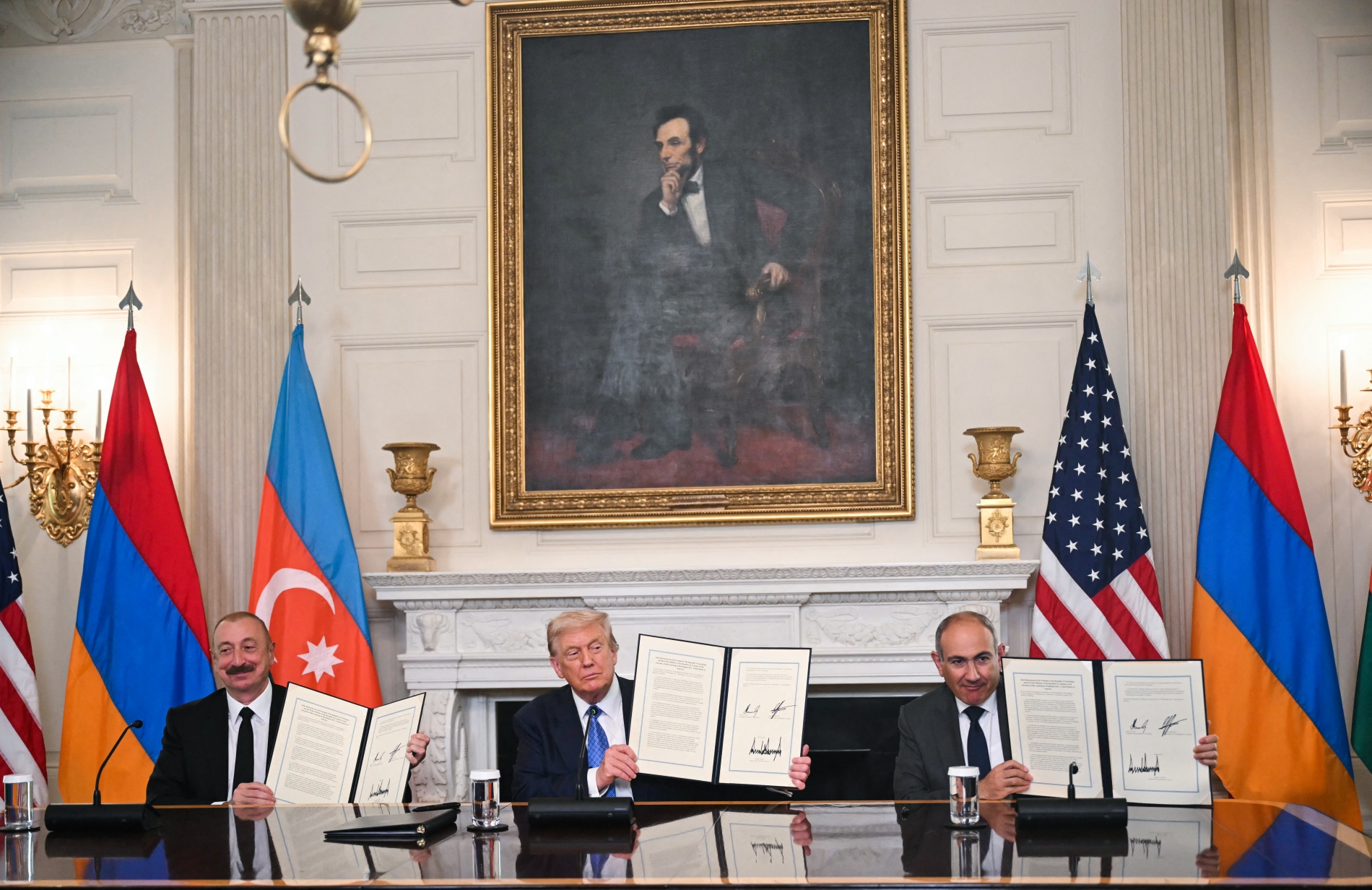
Still, Russia is not the only game in town. The huge US Embassy in Yerevan, with around 1,800 personnel, is a clear indication of Washington's interest in Armenia and the wider region. US President Donald Trump, who claims to have ended the Armenia-Azerbaijan conflict, took steps to secure the benefits of peace talks through the International Peace and Prosperity Route (TRIPP) project.
US President Donald Trump (C), Azerbaijani President Ilham Aliyev (L) and Armenian Prime Minister Nikol Pashinyan display the agreement they signed in the State Dining Room of the White House in Washington, DC, on 8 August 2025.
This US project will connect Azerbaijan to the Nakhchivan Autonomous Republic—and from there to Türkiye—via a 43km transportation and energy corridor passing through Armenia's Syunik region. Both Türkiye and Azerbaijan strongly support this project, which they call the 'Zangezur Corridor'. Once it is built, Türkiye's connections to Asia will be further strengthened. Iran is unhappy about TRIPP, partly because it doesn't want any US presence along its borders. Russia also has misgivings.
The Armenian diaspora is seen as the driving force behind anti-Türkiye campaigns and genocide allegations, but some think diaspora and nationalist voices have lost influence. For its part, Türkiye is keen that relations between Ankara and Yerevan are not overshadowed by the past, but what Armenia calls a genocide has long been a major source of tension. Türkiye describes the episode as a "tragic incident" in which both sides suffered losses.
Turks want future relations to be based on mutual respect and cooperation, and in his message on 24 April this year, Erdoğan said many Ottoman citizens of Armenian descent suffered greatly during World War I, adding that he shares Armenians' pain and commemorates all Ottoman citizens who lost their lives.
It is hoped that such conciliatory wording will help all sides address painful memories and reduce antagonism. It appears that the mutual respect and interests required for a shared future between Türkiye and Armenia are, to a large extent, already in place. Whether that remains so after Armenia's election next month remains to be seen.