
Iran’s attempts to destabilise Syria have continued since its strategic project collapsed with the fall of the Assad regime on 8 December 2024. Since then, Tehran has sought to reorganise its activities in Syria through its regional proxies, chiefly Lebanese Hezbollah and affiliated Iraqi militias, using a range of methods and strategies.
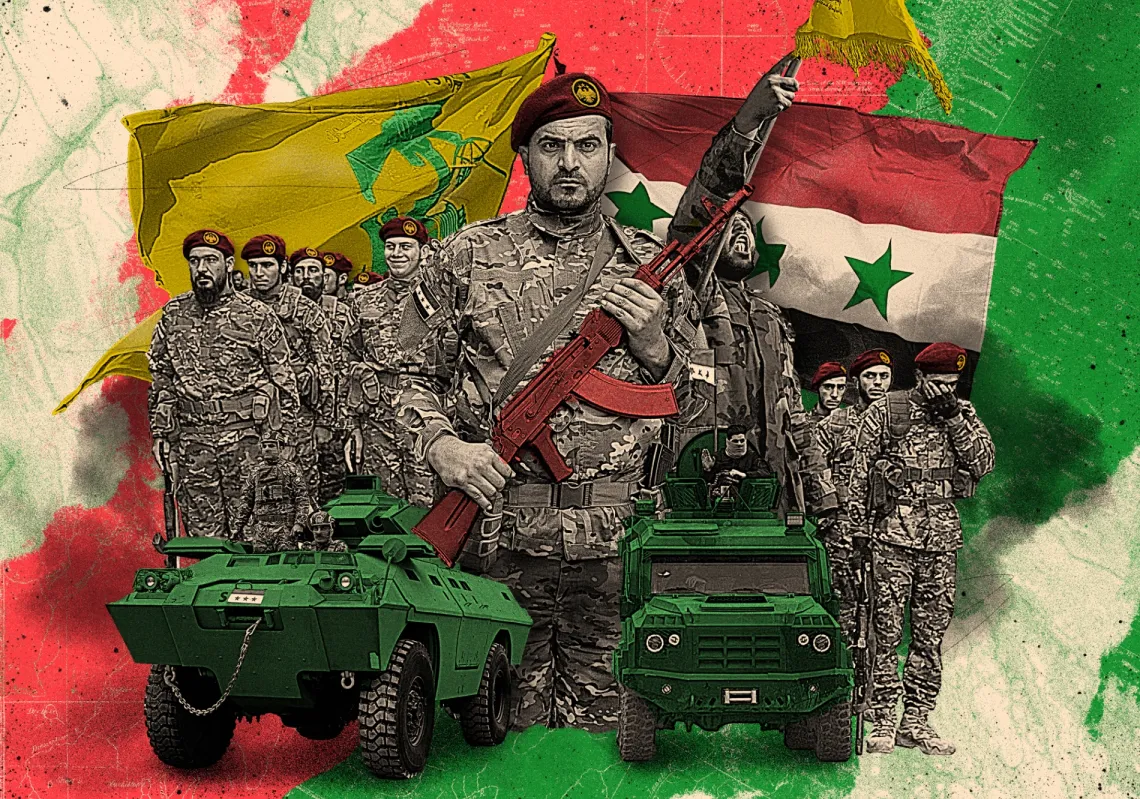
It appears to have divided responsibilities among its militias across the region. Lebanese Hezbollah is seeking to recruit new cells in southern Syria, rural Damascus, Homs, areas overlooking the Lebanese border, and coastal towns and cities. Iraqi militias, meanwhile, are overseeing recruitment in eastern Syria, including Deir ez-Zor, Al Bukamal, and areas along the Iraqi border.
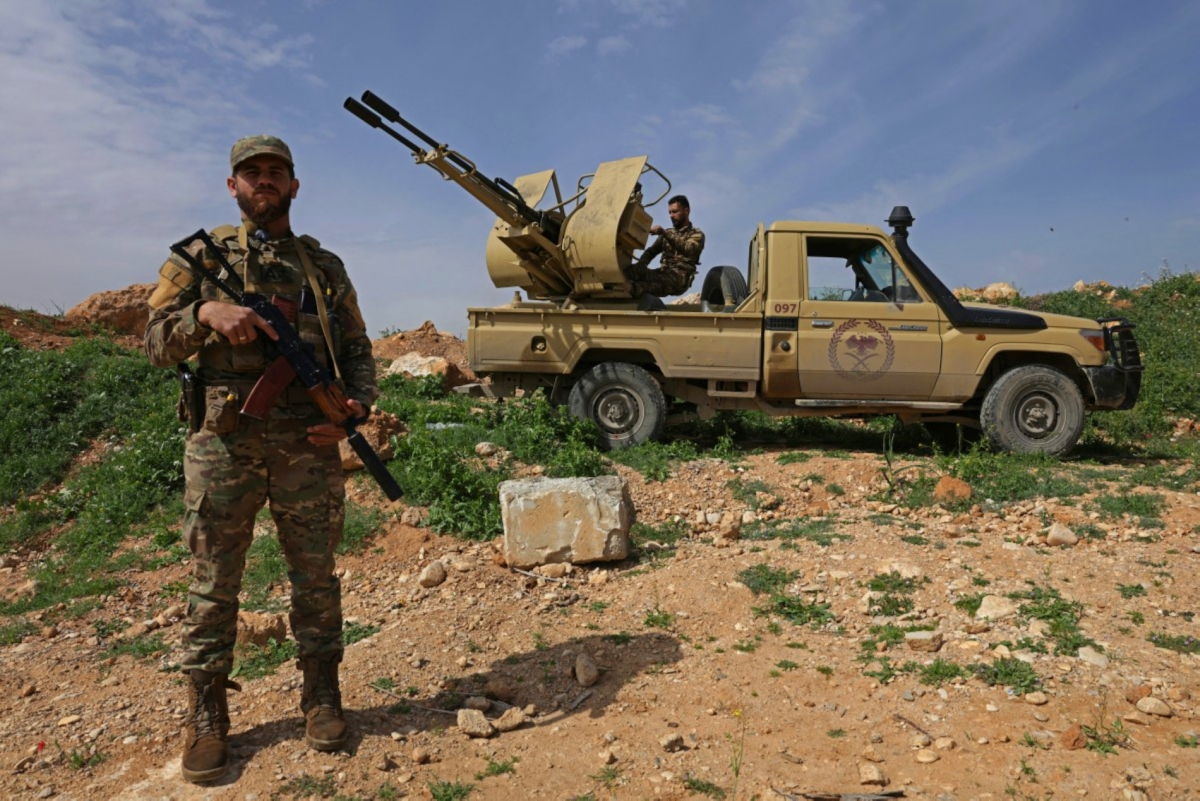
In response, the Syrian government has mobilised its resources to confront these mobilisations. According to information obtained by Al Majalla, the Syrian government recently enhanced its monitoring of Iranian cell movement inside Syria. Since the beginning of April, it has carried out more than ten security operations against these cells. The latest took place on Tuesday, 5 May, when it dismantled an “organised” cell affiliated with Lebanese Hezbollah, whose members had infiltrated Syrian territory from Lebanon after “receiving intensive specialised training”.
Shrinked influence
Tehran's shrinking influence in Syria represents a crippling blow to a geopolitical project in which it had invested decades of effort and vast sums of money. Iran had long used Syrian territory as a land corridor to finance and arm Lebanese Hezbollah, as well as a hub for its militias to smuggle and manufacture tonnes of narcotic pills. These drugs moved from Syria towards Jordan and the Gulf states, and through the Syrian coast to Europe and Arab countries on the Mediterranean.
Iran also deployed foreign militias under its command, alongside Lebanese Hezbollah and Iraqi militias, while establishing local armed groups intended to serve as a Syrian military force loyal to Tehran rather than to the Syrian army.
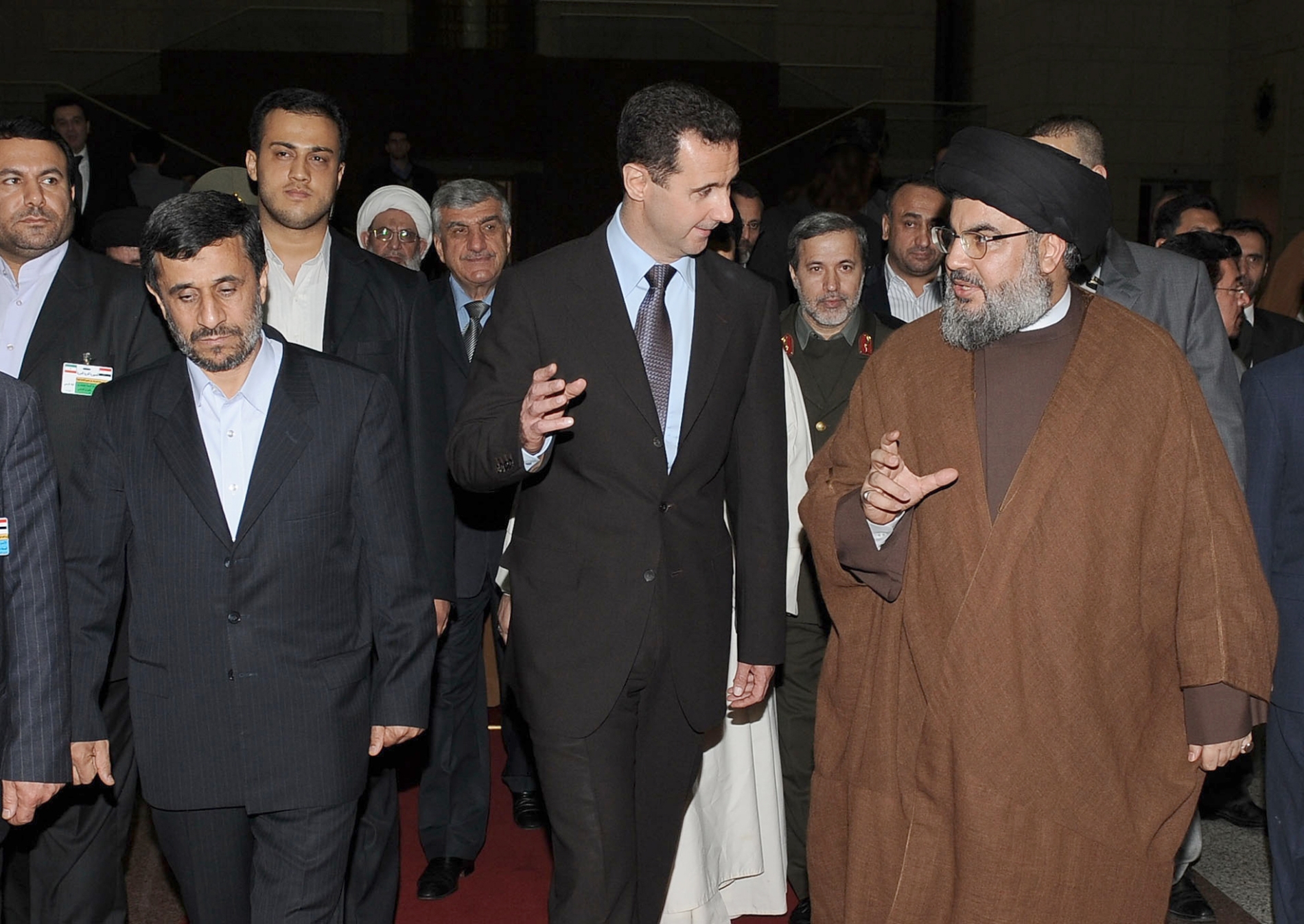
The Assad regime facilitated this strategy, not just by turning a blind eye to Iranian activity but also by providing all the facilities needed for the passage of money and weapons shipments through Syrian territory. During the years of the Syrian revolution, from 2011 to 2024, Bashar al-Assad granted Tehran a base at Damascus International Airport for Iranian military advisers.
He also turned Syrian military bases into staging grounds and weapons depots for the Islamic Revolutionary Guard Corps, Lebanese Hezbollah, Iraqi militias, and non-Arab transnational militias backed by Iran, such as the Fatemiyoun and Zainabiyoun brigades, as well as dozens of local militias.
Iran is continuing its efforts to reactivate its cells in Syria, using its militias in Iraq and Lebanon to that end. Al Majalla has learned that recruitment attempts and movements by Iranian-backed Iraqi militias and Lebanese Hezbollah have intensified since the war in Iran began in late February.
The reason lies in Tehran’s desire to widen the scope of the war launched against it by Washington and Tel Aviv. It has directly targeted Gulf states under the pretext of striking American sites, pushed its militias in Iraq to target the Gulf, particularly Kuwait, and Lebanese Hezbollah has carried out attacks on Israel, dragging Lebanon into a new war.
Hezbollah also tried to push its cells in Syria to launch attacks against neighbouring states from Syrian territory, but the Syrian government was able to thwart these plans through operations in rural Damascus, southern Syria, and Deir ez-Zor.
Recruitment efforts
Al Majalla has learned from several local sources in Deir ez-Zor that Iraqi militias are trying to contact individuals who had belonged to Iranian-backed militia formations under the former regime, seeking to entice them with monthly salaries.
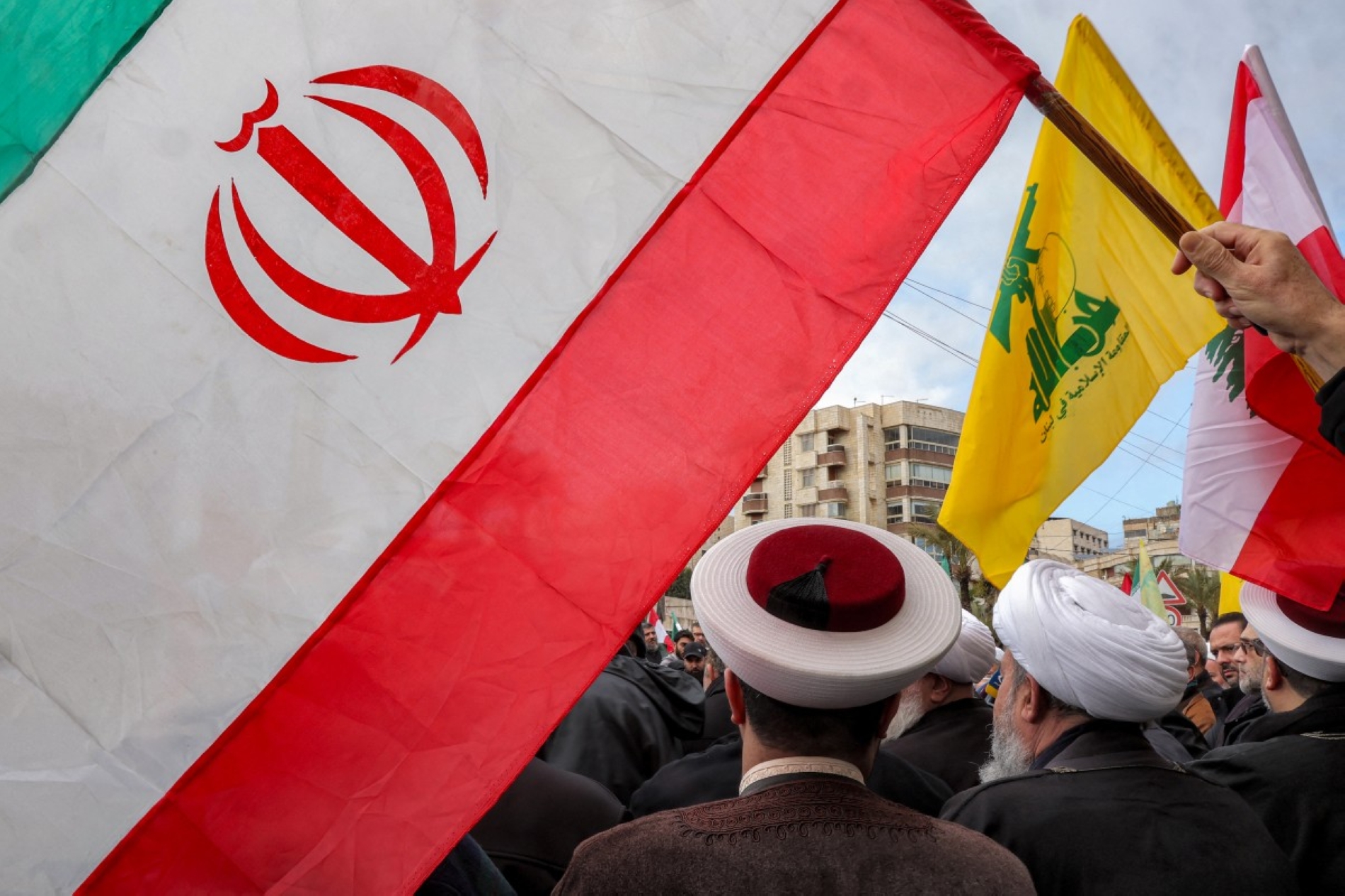
At the same time, Lebanese Hezbollah is carrying out similar recruitment efforts in southern Syria, rural Damascus, and the towns and villages overlooking the Syrian-Lebanese border in rural Homs and along the Syrian coast. These recruitment drives aim to enlist former smugglers to support cross-border operations involving money, weapons, and narcotics. They also seek to recruit former fighters for use in operations against the Syrian government and its officials, as well as in cross-border attacks launched from southern Syria.
Smuggling operations from Iraq into Syria involve narcotics, money, and weapons, while those from Lebanon into Syria are used to move narcotics and individuals. Smuggling from Syria into Lebanon, by contrast, is now almost entirely limited to attempts to transfer weapons hidden in Syria that Hezbollah had possessed during the Assad era, in addition to funds arriving from Iran through Iraq and Syria.
Lingering drug trade
Drug-smuggling attempts from Syria into Jordan, though far less frequent than under Assad’s rule, continue along various routes. Sources in southern Syria told Al Majalla that the main substances smugglers are trying to move into Jordan are Captagon pills and hashish brought from Lebanon into Syria through smugglers and dealers linked to Lebanese Hezbollah, as well as crystal meth smuggled from Iraq through smugglers and dealers connected to Iraqi militias. This trade remains one of the principal sources of funding for Iran-linked militias in Lebanon, Iraq, and the wider region.
These smuggling operations rely on car drivers, porters crossing rugged terrain on foot, plastic mortar shells filled with Captagon pills and hashish, as well as balloons and cheap drones. The shift in strategies and smuggling methods was noted by the Jordanian army in its statement issued on 3 May, which said that drug traffickers and smugglers had begun using new patterns in their operations.
Jordan steps in
Most smuggling at present passes through areas outside the control of the Syrian government in southern Sweida, where the National Guard forces in Sweida hold sway. This explains why the Jordanian army has intervened instead of Syrian government forces, which are pursuing drug traffickers and smugglers in Daraa and in border towns and areas with Jordan and Iraq that are fully under its control.
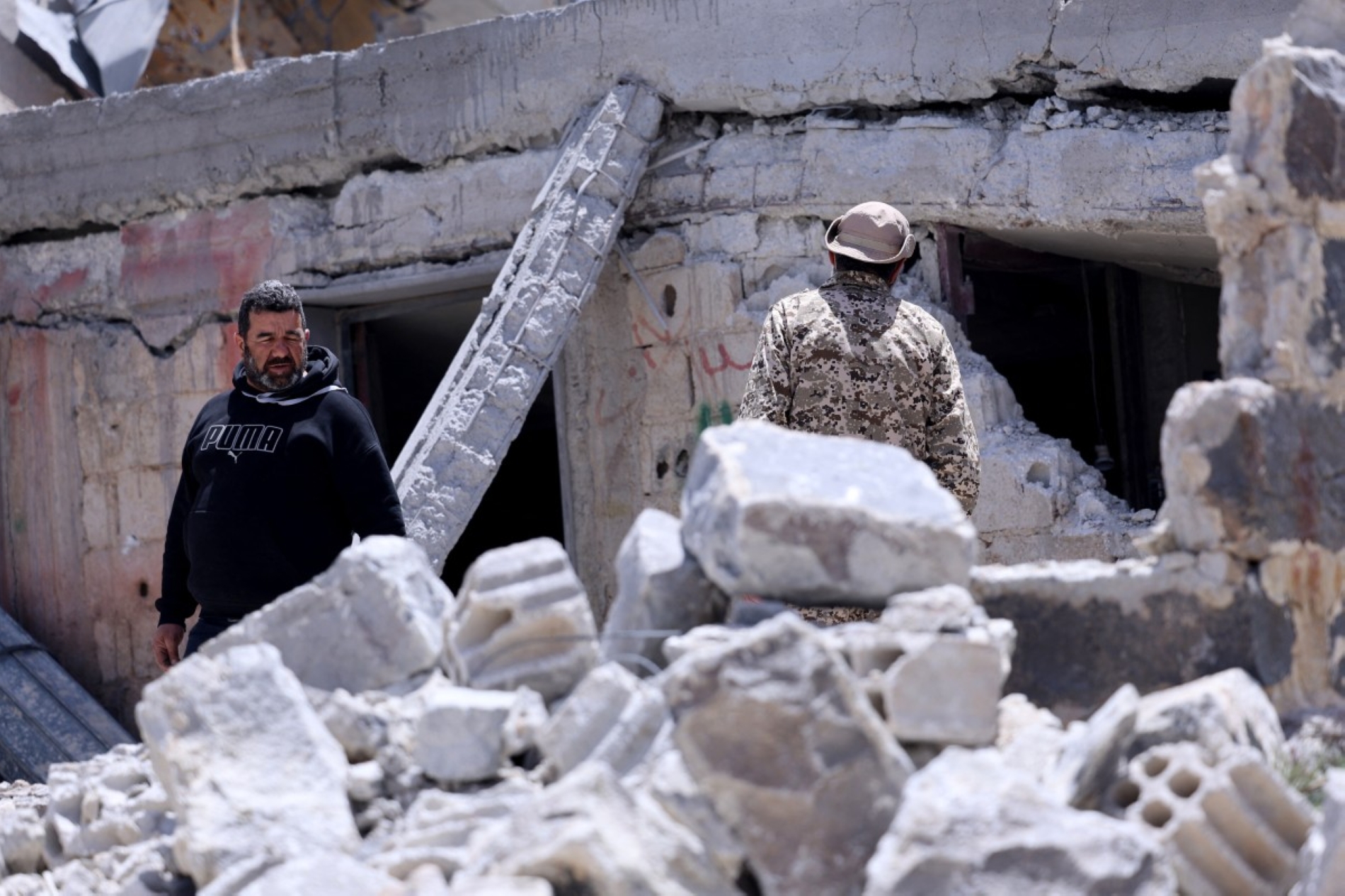
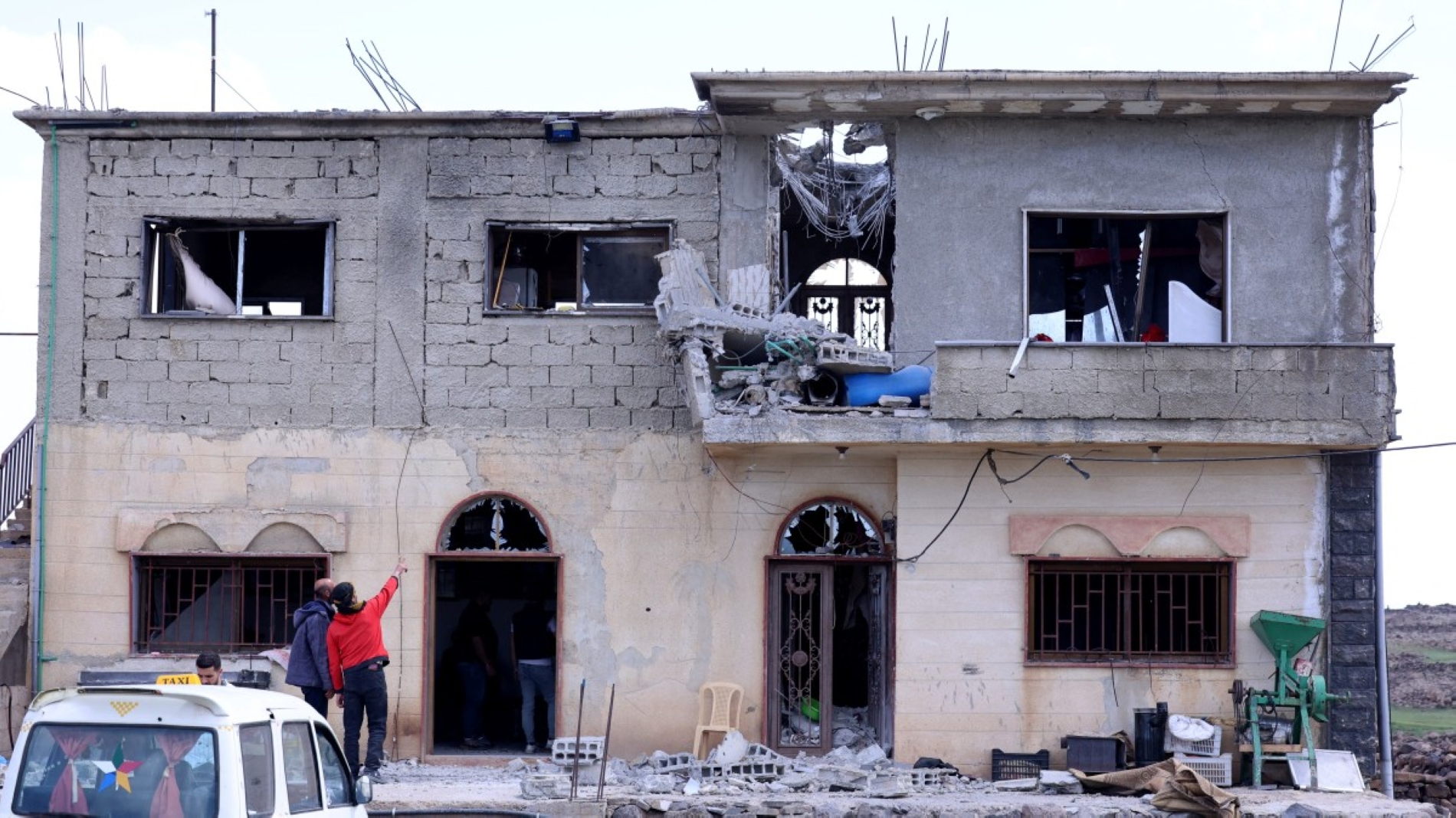
At dawn on Sunday, 3 May, the Jordanian army launched several airstrikes on sites belonging to drug manufacturers and smugglers. In its statement, it said it had targeted “a number of sites belonging to arms and drug traffickers”, explaining that it had relied on “intelligence and operational information” to identify “the locations of factories, workshops, and warehouses used by these groups as launch points for their operations towards Jordanian territory, where they were targeted and destroyed”.
To confront attempts by Iran and its militias to destabilise Syria and the wider region, and to prevent Syrian territory from being used as a platform for attacks against regional states or as an instrument in Iran’s efforts to spread chaos and undermine regional security, Damascus has made changes among the officials and commanders responsible for tracking Iranian and militia cells in Syria.
In April, the Syrian government reinforced the team of officials and commanders responsible for tracking and countering Iranian-linked cells, particularly those with knowledge of Iranian militia methods and tactics and experience in devising plans to pursue small, concealed networks.
Damascus has also strengthened coordination between the Internal Security Forces, intelligence services and the departments responsible for interrogating detainees affiliated with these cells. The aim is to accelerate security operations against remaining cells, identify their methods and communication channels, and uncover their short- and long-term plans.
Intensfied crackdown
The Syrian government is now moving at a rapid pace to confront these cells, from arrest to interrogation, and then to security operations based on intelligence and leads obtained from detainees. The operations carried out since last February reveal a marked improvement in the Syrian government’s ability to confront these cells.
The Syrian Ministry of Interior announced on 5 May, that, in cooperation with the General Intelligence Service, it had succeeded “in delivering a crushing pre-emptive blow to a terrorist plot targeting the country’s security and its symbols”. This was achieved through “simultaneous security operations covering the governorates of rural Damascus, Aleppo, Homs, Tartous and Latakia”, which resulted in “the dismantling of an organised cell affiliated with the Hezbollah militia, whose members had infiltrated Syrian territory after receiving intensive specialised training in Lebanon”.
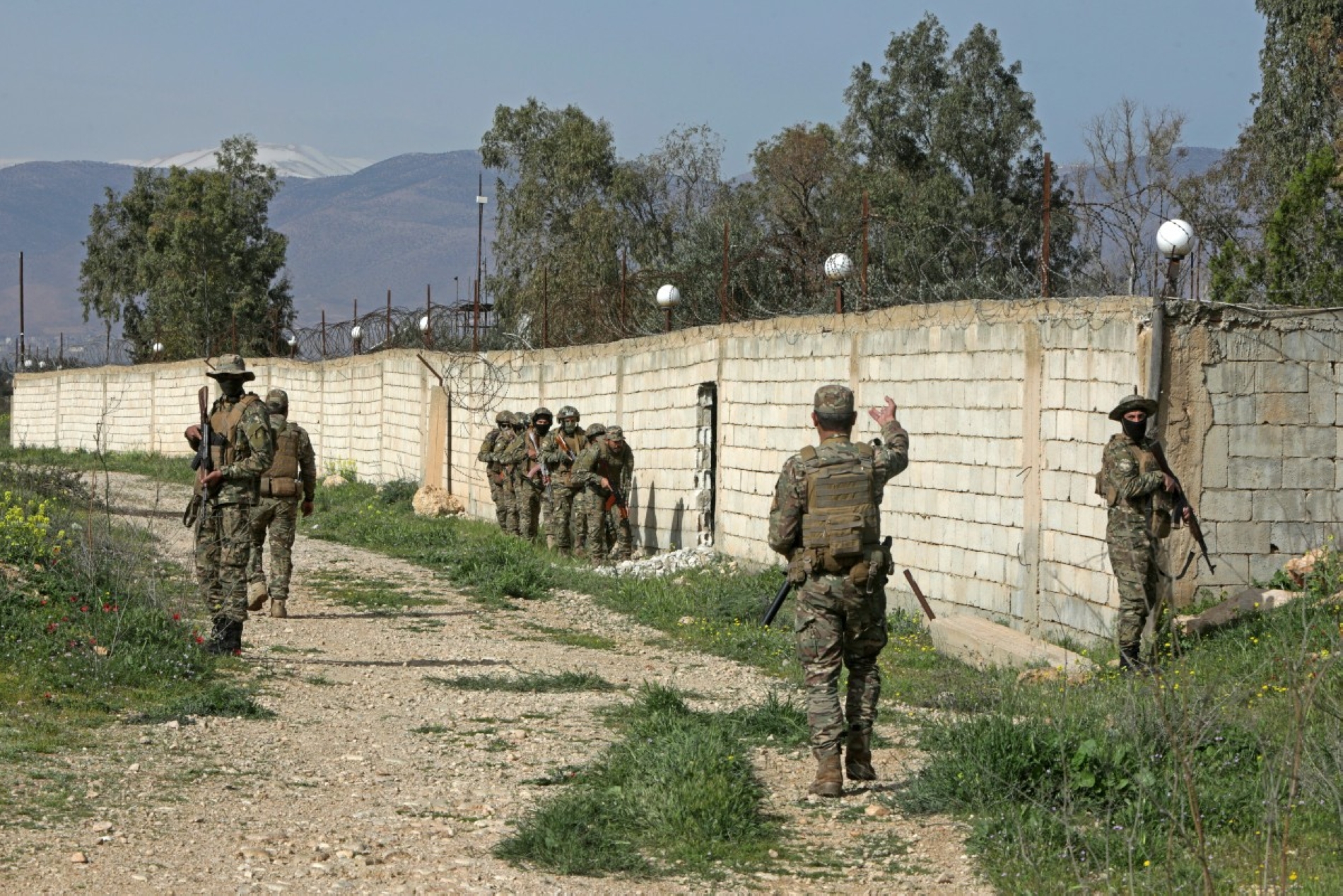
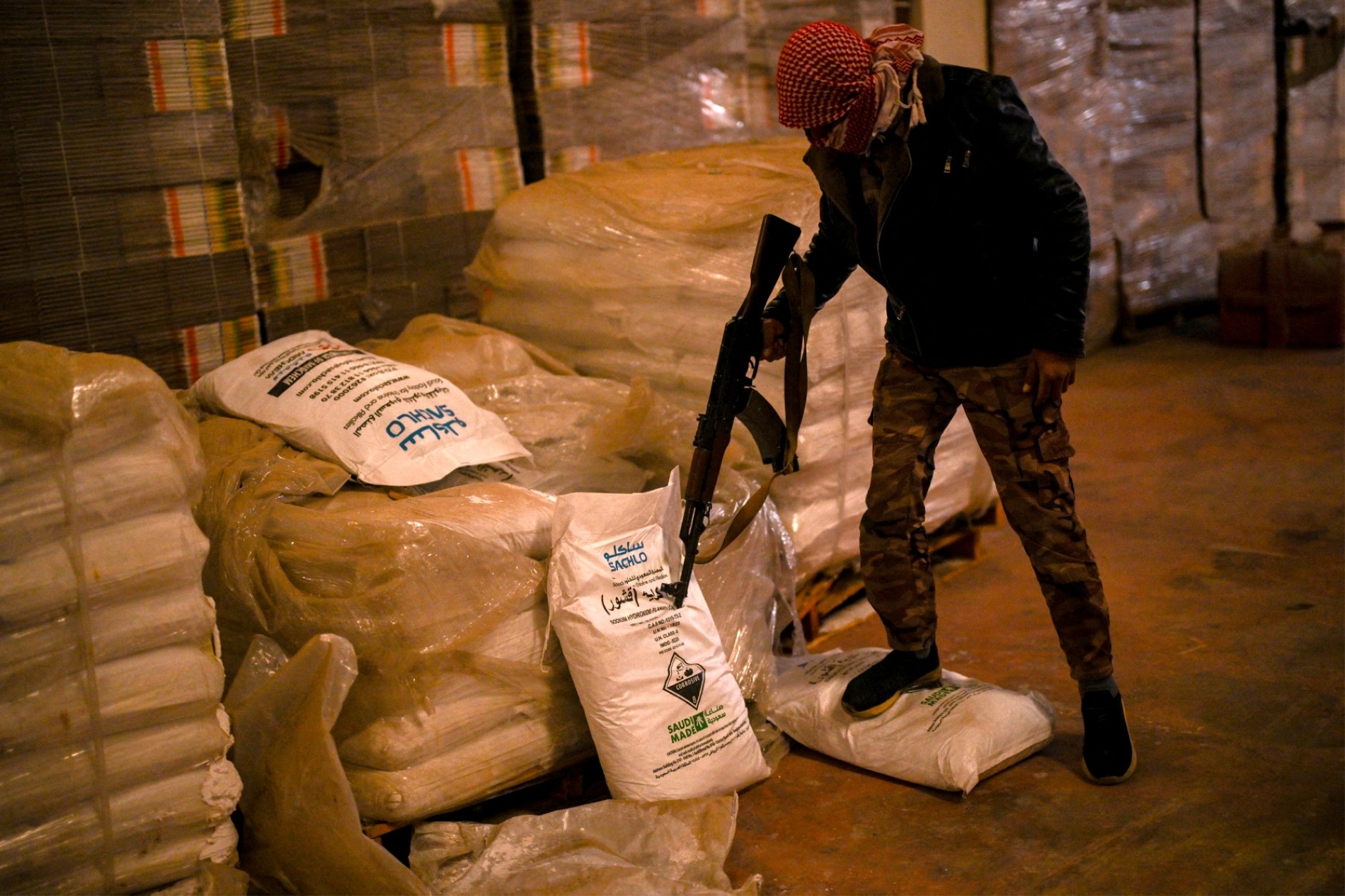
According to the statement, the arrested cell “was preparing to implement a sabotage agenda that included systematic assassinations targeting senior government figures”. The statement added that “specialised units” had “seized a full arsenal of military equipment”, including “explosive devices prepared for detonation, RPG launchers and rounds, automatic rifles, quantities of hand grenades and various types of ammunition, as well as surveillance and technical support equipment, including specialised binoculars and cameras”. The statement said the cell had reached “the highest stage of readiness to begin implementing its sabotage agenda”.
The Syrian Ministry of Interior had also announced on 19 April, that it had thwarted attempts aimed at destabilising the country and harming public security, explaining that these efforts were being driven by elements of the former regime and cells linked to Lebanese Hezbollah.
The ministry said that one of the foiled attempts took place in Quneitra governorate, where a cell linked to Lebanese Hezbollah was arrested while planning to carry out cross-border attacks from the area. This was a clear indication that the cell was seeking to target Israeli territory from inside Syria. According to the Ministry of Interior, the weapons confiscated included rockets and launch platforms “prepared and professionally concealed on board a civilian vehicle”.
Hezbollah had bolstered the presence of its members and forces along the Syrian-Lebanese border and had sent in personnel, including Syrian fighters who had served in the ranks of the former regime and militias affiliated with Hezbollah and Iran, before fleeing Syria after the Assad regime fell in December 2024.
The group was trying to recruit former fighters from the ranks of Iranian-backed militias that had operated in Syria under the Assad regime, offering monthly salaries of up to $300. It further noted that the Syrian government had repeatedly assured Lebanese leaders that it had no desire for any direct confrontation with Lebanese Hezbollah, and that intervention in Lebanon was not part of Damascus’s plans.
However, Damascus argued that the Lebanese government must exert every possible effort to secure its border with Syria and prevent Hezbollah from pursuing its agenda and launching attacks through Syrian territory.
Strengthening coordination
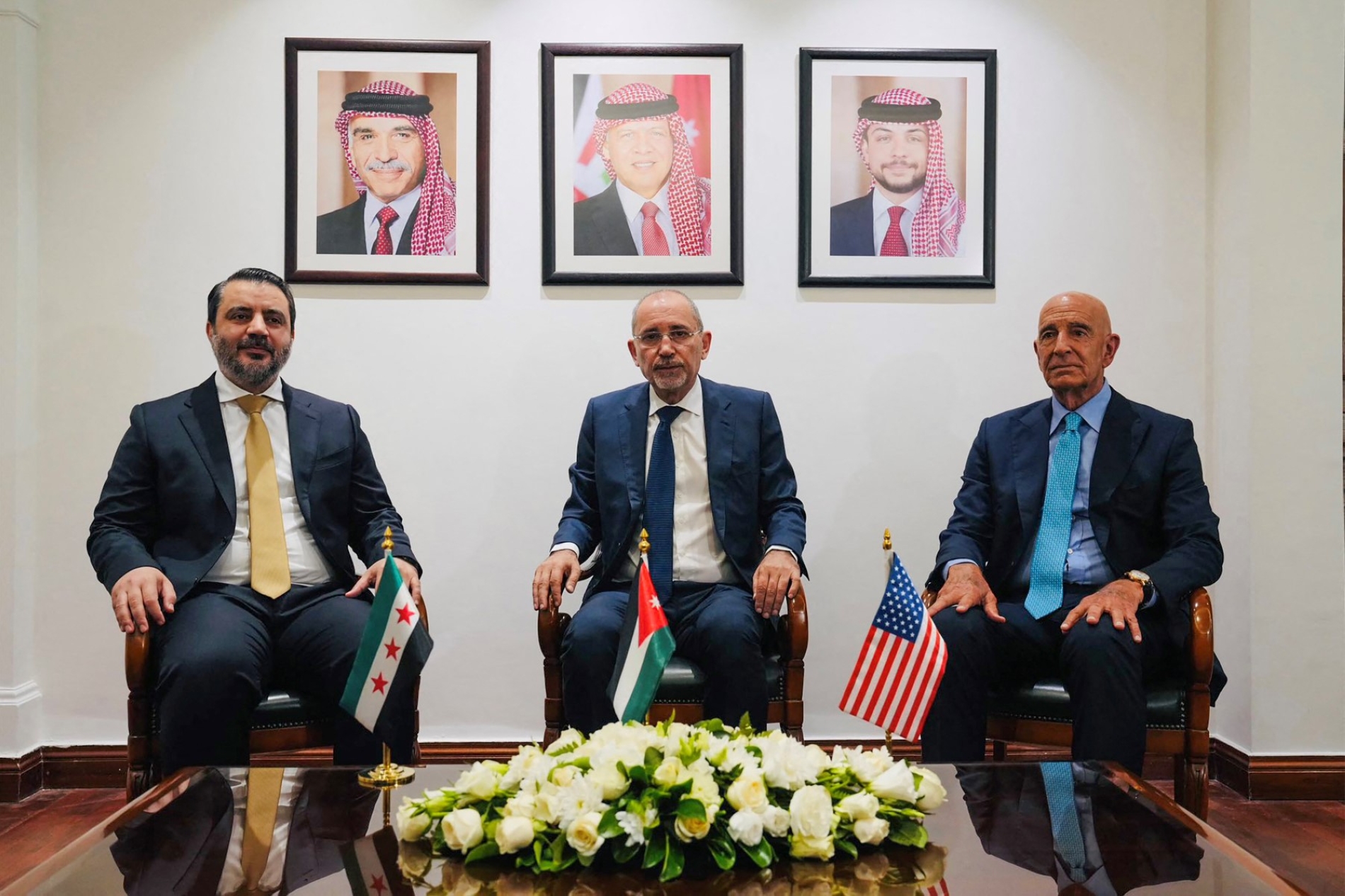
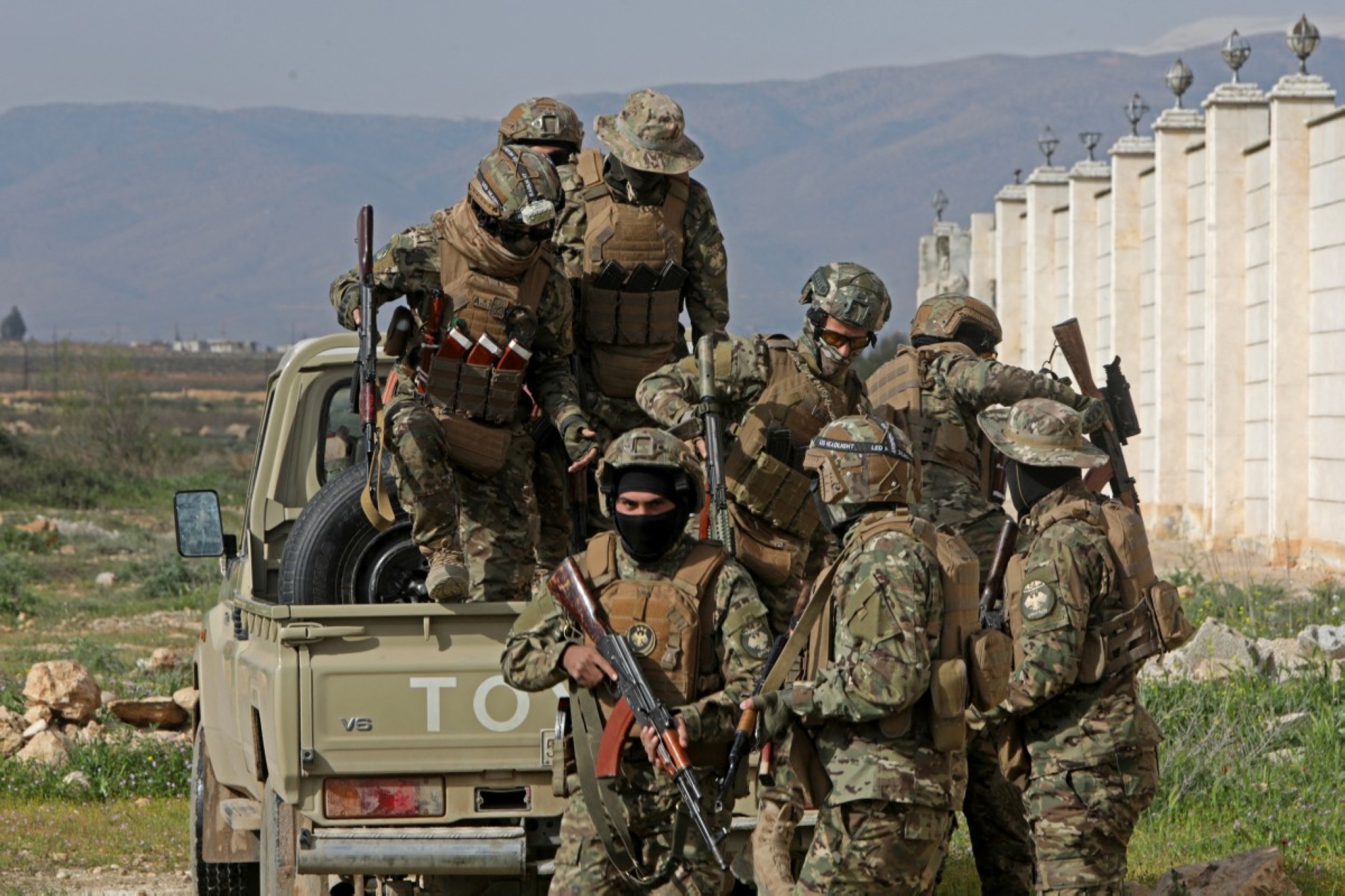
The Syrian government is seeking to strengthen its coordination with Amman and Baghdad against cross-border smuggling, a matter Damascus regards as central to Syrian security. The smuggling of weapons, drugs, and people undermines Damascus’s efforts to restore security and prevent Iran from spreading chaos inside the country. These operations also threaten Arab and regional security, as they supply Iran-backed militias with weapons and money, enabling them to spread narcotics across the region to finance themselves and carry out military operations against regional states in service of Tehran’s agenda.
According to Damascus, that agenda seeks to undermine stability in the Middle East and obstruct regional efforts to build the planned energy pipeline expected to run through Syria from Saudi Arabia and Jordan to the Syrian coast and Türkiye.