Why a cornered Iran is also a problem for China

Even when appeals to open the Hormuz Strait come from a close ally like Beijing, they fall on deaf ears in Tehran. But hope is not yet lost.

Axel Rangel Garcia

Why a cornered Iran is also a problem for China

The world breathed a sigh of relief when US President Donald Trump extended the two-week Iran-US ceasefire, despite no peace agreement having been reached. With his approval ratings low and the mid-term elections fast approaching, he accepted the ‘off-ramp’ presented by Pakistan, extending the ceasefire indefinitely.

To save face, Trump claimed that the Iranian government was “seriously fractured” after the bombing and needed time to reach a consensus among themselves before talks could resume. Upon closer examination, however, Trump’s claim does not hold water. Even after the 12-Day War in 2025—when the US and Israel used talks to deceive Iran into lowering its guard before attacking—Iran remained divided between hardliners and moderates.

This changed after the US-Israeli war on Iran this year, during which more than 40 high-ranking Iranian officials were killed. Many of these officials, like Ali Larijani, had lived through the deadly Iran-Iraq War, which killed over half a million people, so they were more willing to compromise to avoid bloodshed. Their deaths have paved a path to power for hardliners unwilling to compromise and have hardened their resolve.

Iran’s hardliners

Despite their desire for revenge, decision-makers in Tehran are not blinded by hate; they are realistic about Iran’s strengths and weaknesses. A strength is that Iran is now more unified than ever, rallying around a triple rejection: no to war, no to peace, and no to talks.

They reject war because the odds are stacked against them, yet they are also against peace because, in the absence of external existential threats, domestic unrest would once again threaten the Iranian government. Finally, they are cynical about talks with the Americans because Trump demands at the negotiating table what he cannot secure by victory on the battlefield.

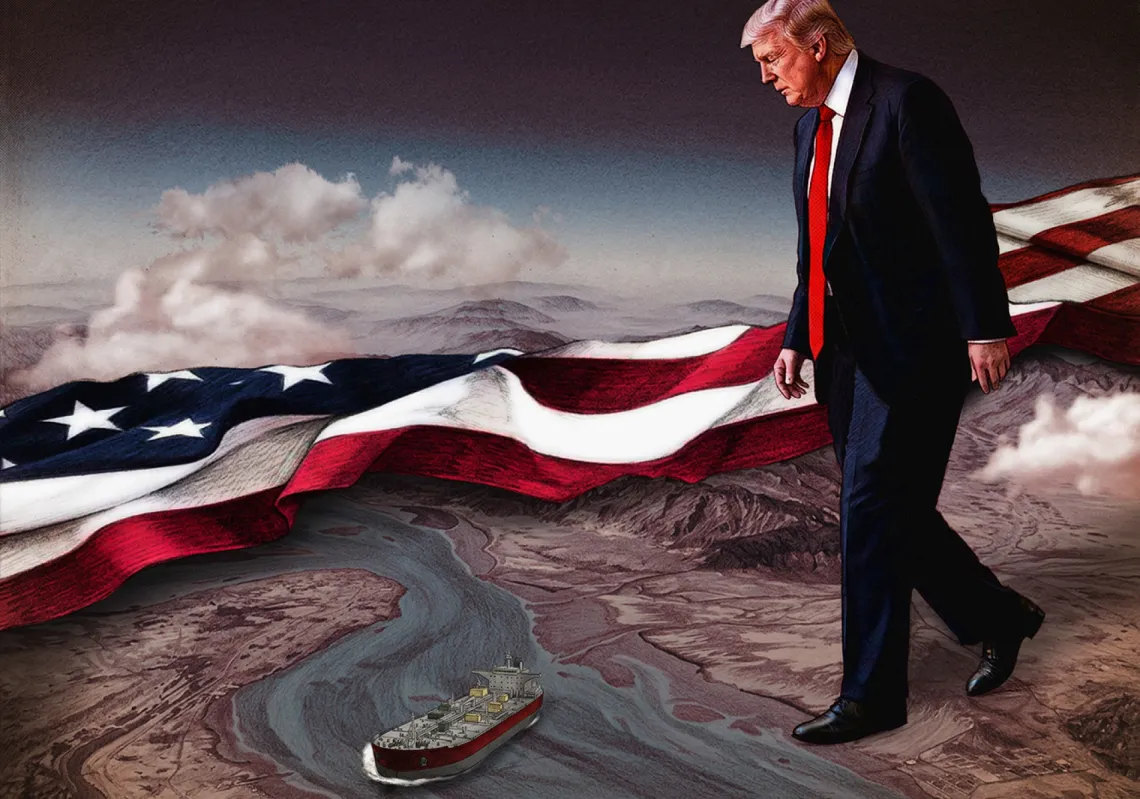
Trump now faces a dilemma. Resuming the war would lead Iran to respond in kind, attacking Washington’s Gulf allies’ key energy infrastructure sites, but maintaining the status quo would mean Iran maintains control over the vital Strait of Hormuz waterway. Although Trump would deny it, this would signal to the world that the US was unable to protect its allies or their interests.
REUTERS
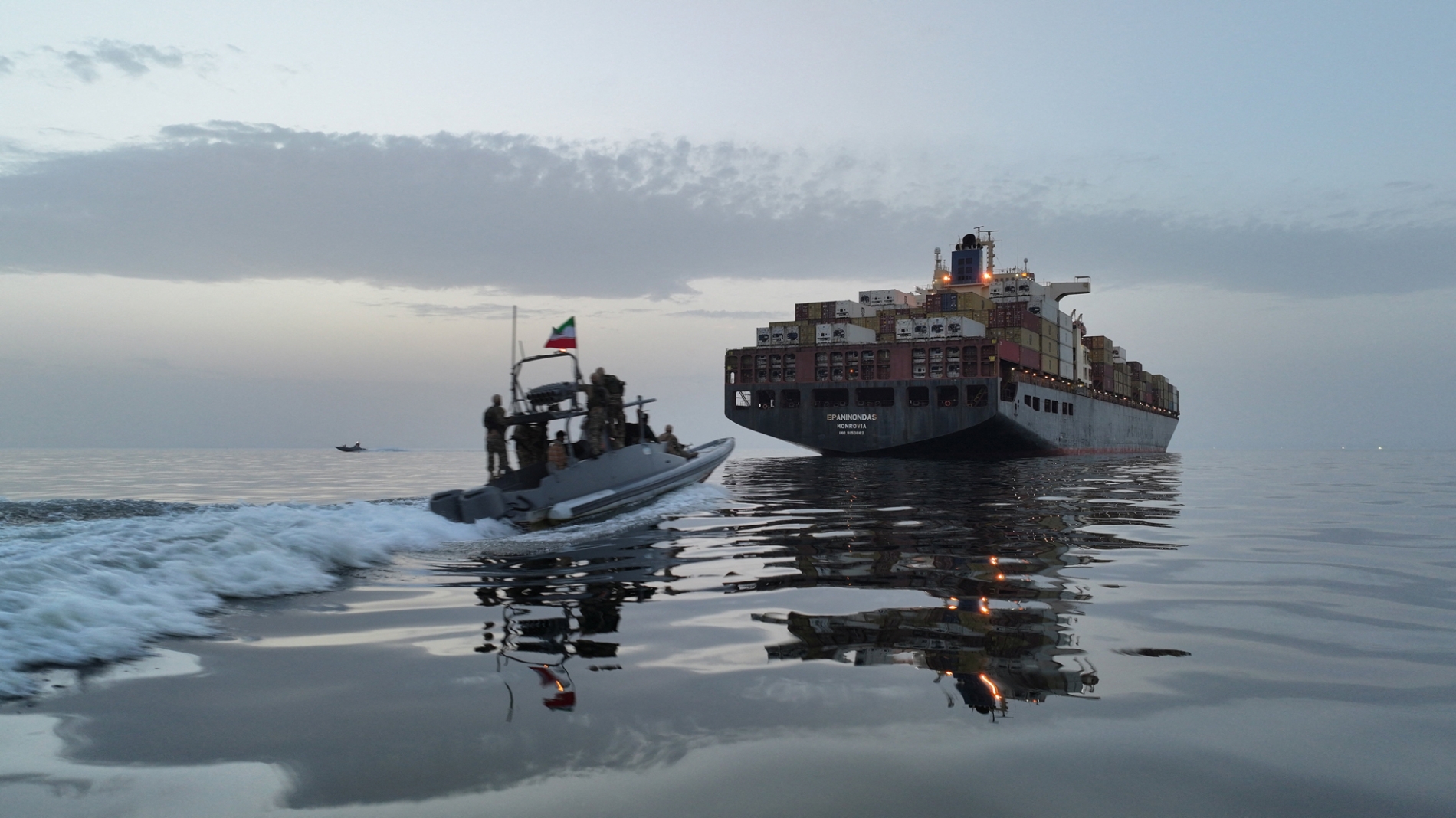
Iran's Revolutionary Guard Corps detains a ship in the Strait of Hormuz.

Iran and the US are therefore stuck in limbo, leading analysts to wonder whether China has in fact emerged as an unlikely winner of the war, without it having had to fire a single shot. Yet while China was well prepared to weather the economic fallout of the war, it has not escaped unscathed. The interconnectedness of the global economy means that a single Iranian drone over Saudi Arabia could send oil prices soaring in China.
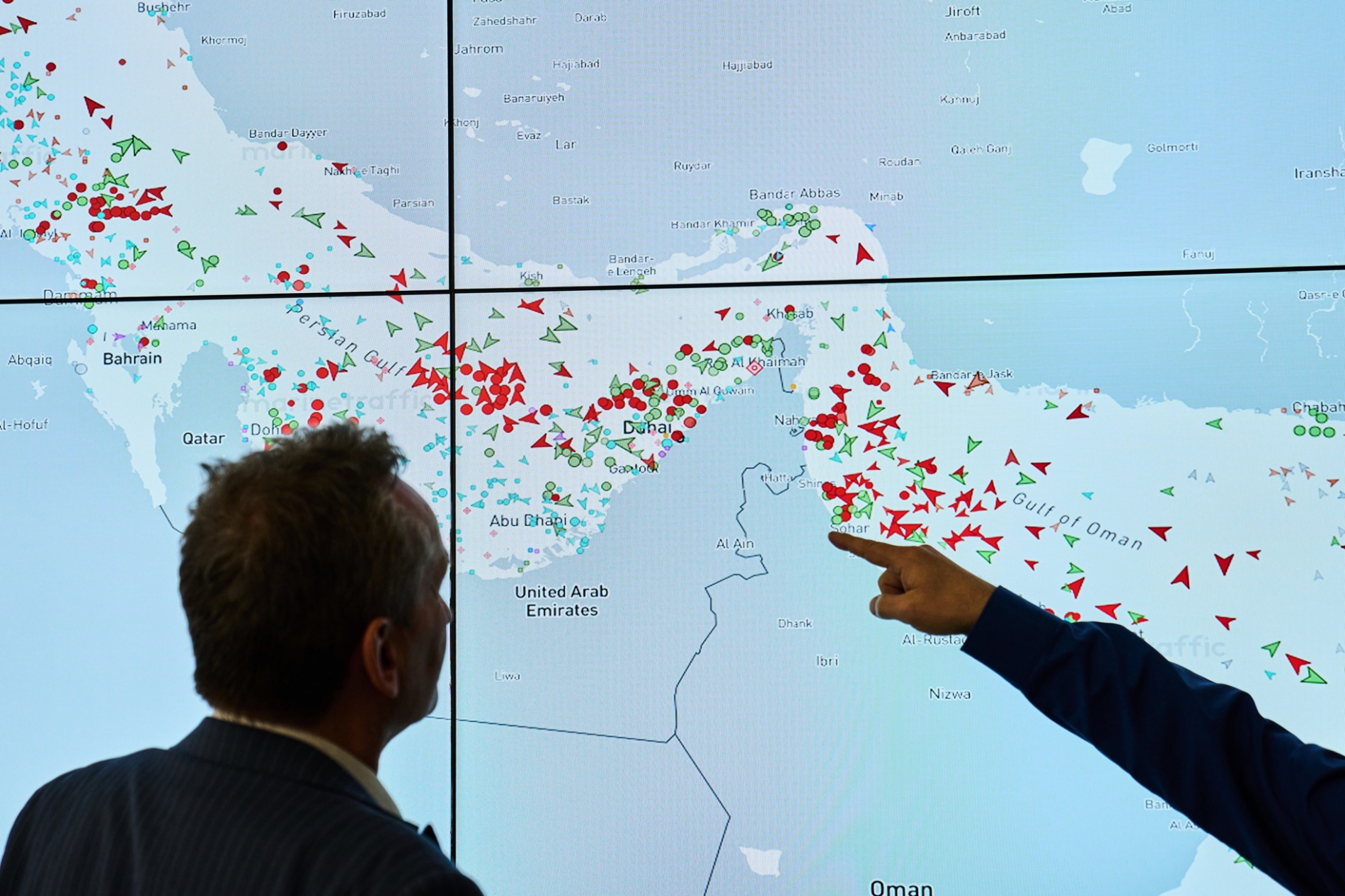
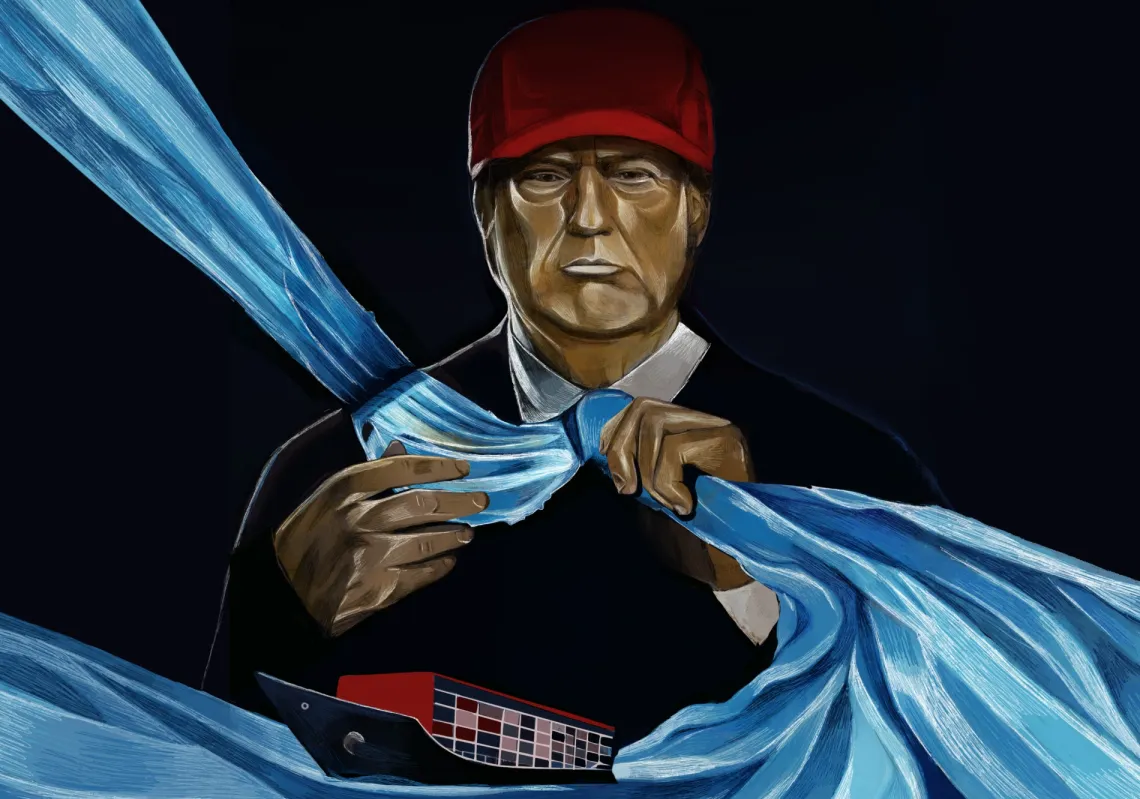
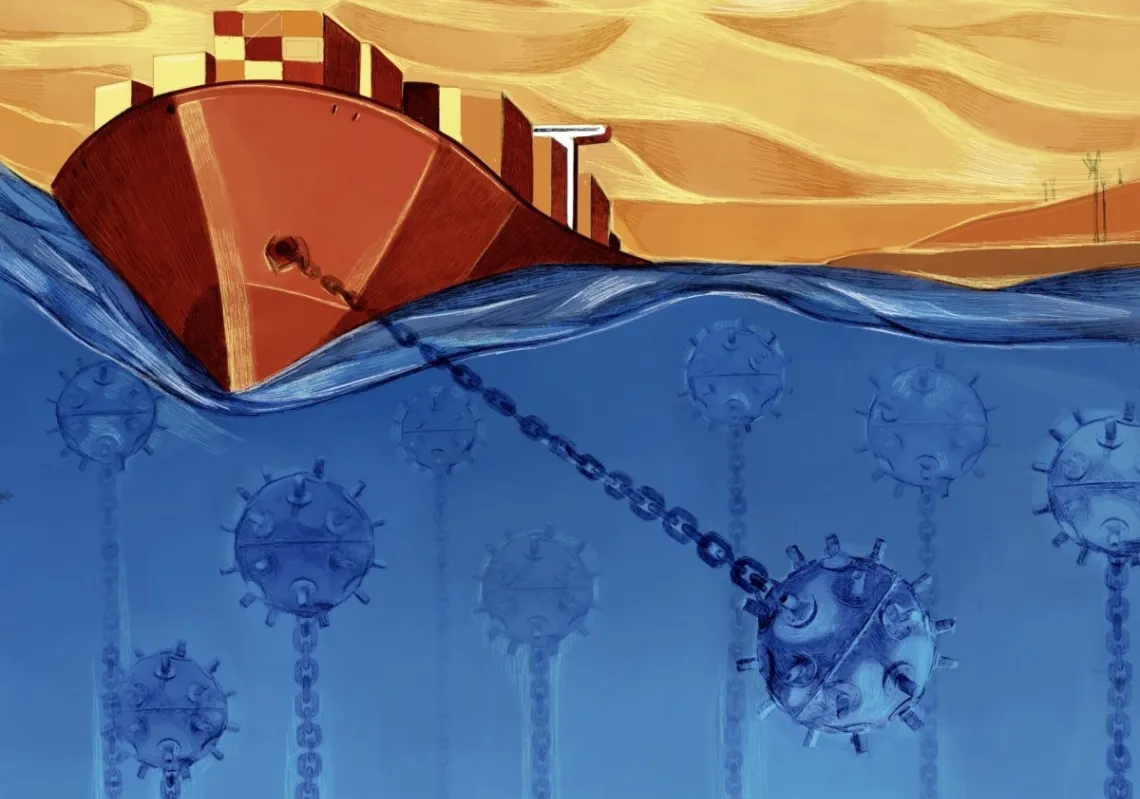
Iran's closure of the Strait of Hormuz is now a double-edged sword, affecting friends and foes alike

Game of chess

China's close ties with Russia and its lead in renewable energy mean that high oil prices can be alleviated. Besides, Beijing had already been preparing to decouple from major economies before the war broke out. Still, it has to recalculate following its loss of leverage over Iran.

Trump thought that the war against Iran would be similar to the short, sharp shock that US forces inflicted on Venezuela in January; a flex of American military muscle and its foe capitulates. Not so. Iran has been hurt, but it has not been defeated, and its closure of the Strait of Hormuz is now a double-edged sword, affecting both foes and friends (like China) alike. 

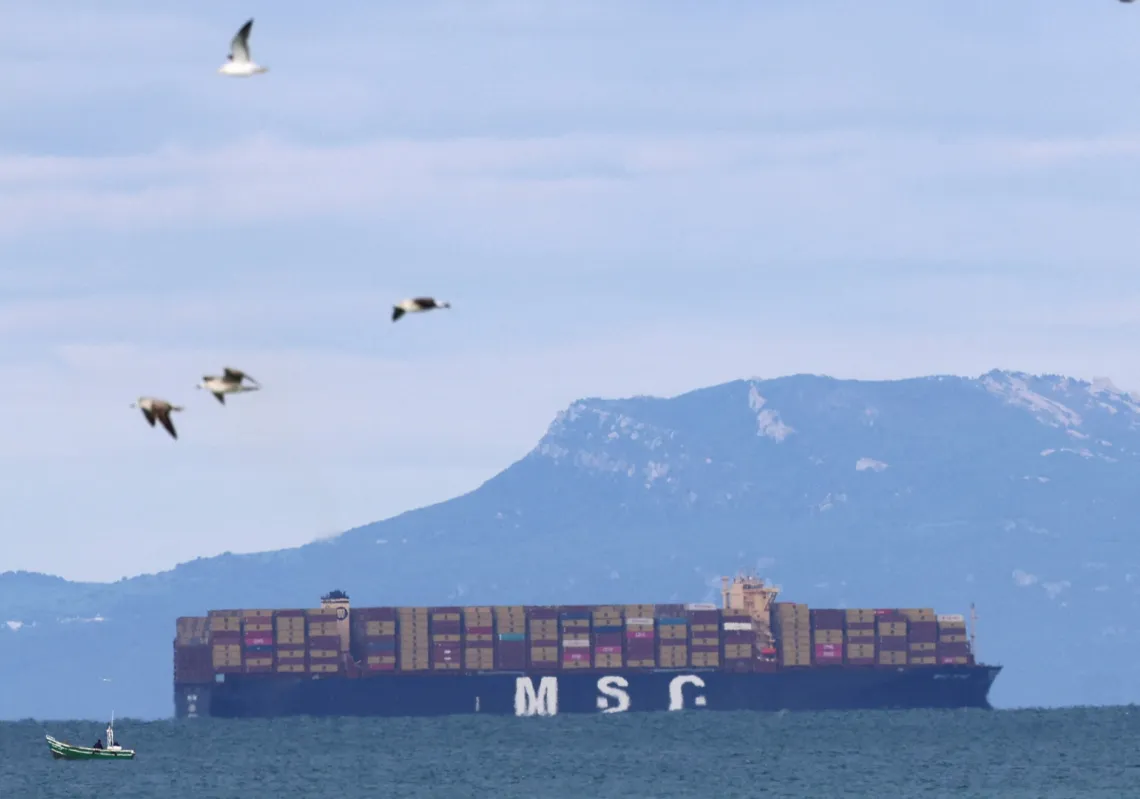
AP
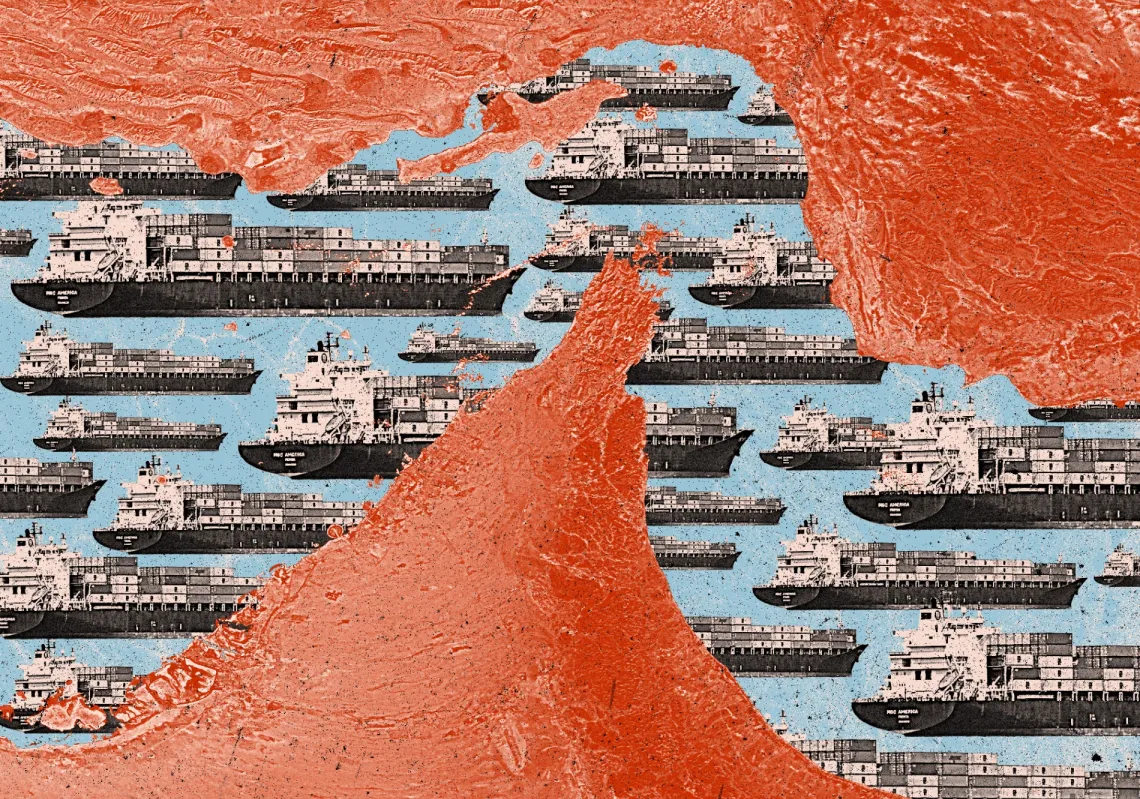
Ship and cargo traffic in the Strait of Hormuz, on 15 April 2026.

Trump claims the US does not need to reopen the strait, arguing that it imports little oil from the Gulf, yet the closure still hurts the US by disrupting oil exports and imports for US allies and driving up oil prices. Likewise, although Iran has said that Chinese ships may pass freely, the closure of the Strait of Hormuz has affected China more than the US, owing to China's reliance on oil imports from the Gulf states—imports that are not always carried by Chinese ships.

Compounding this problem is the difficulty of tracing ship ownership. Today, most ships are registered under flags of convenience rather than their country of origin, so many Chinese ships—as well as ships carrying Chinese goods or goods bound for China—are stranded at both ends of the strait.

The US will not pay war reparations, so Iran now plans to collect tolls from ships passing through the Strait of Hormuz. Although China is sympathetic towards Iran, it is not responsible for Iran having been attacked and does not intend to pay for Iran's reconstruction. As such, it would not accept a toll on oil passing through the waterway, which China objects to Iran imposing, urging that civilian ships be allowed through.

The war has put Iran's hardliners in the ascendency and transformed the country into 'an army with a state,' as opposed to 'a state with an army'. Furthermore, Iran's economy has now been set back further, and the Islamic Revolutionary Guard Corps (IRGC) has become further entrenched.

AFP
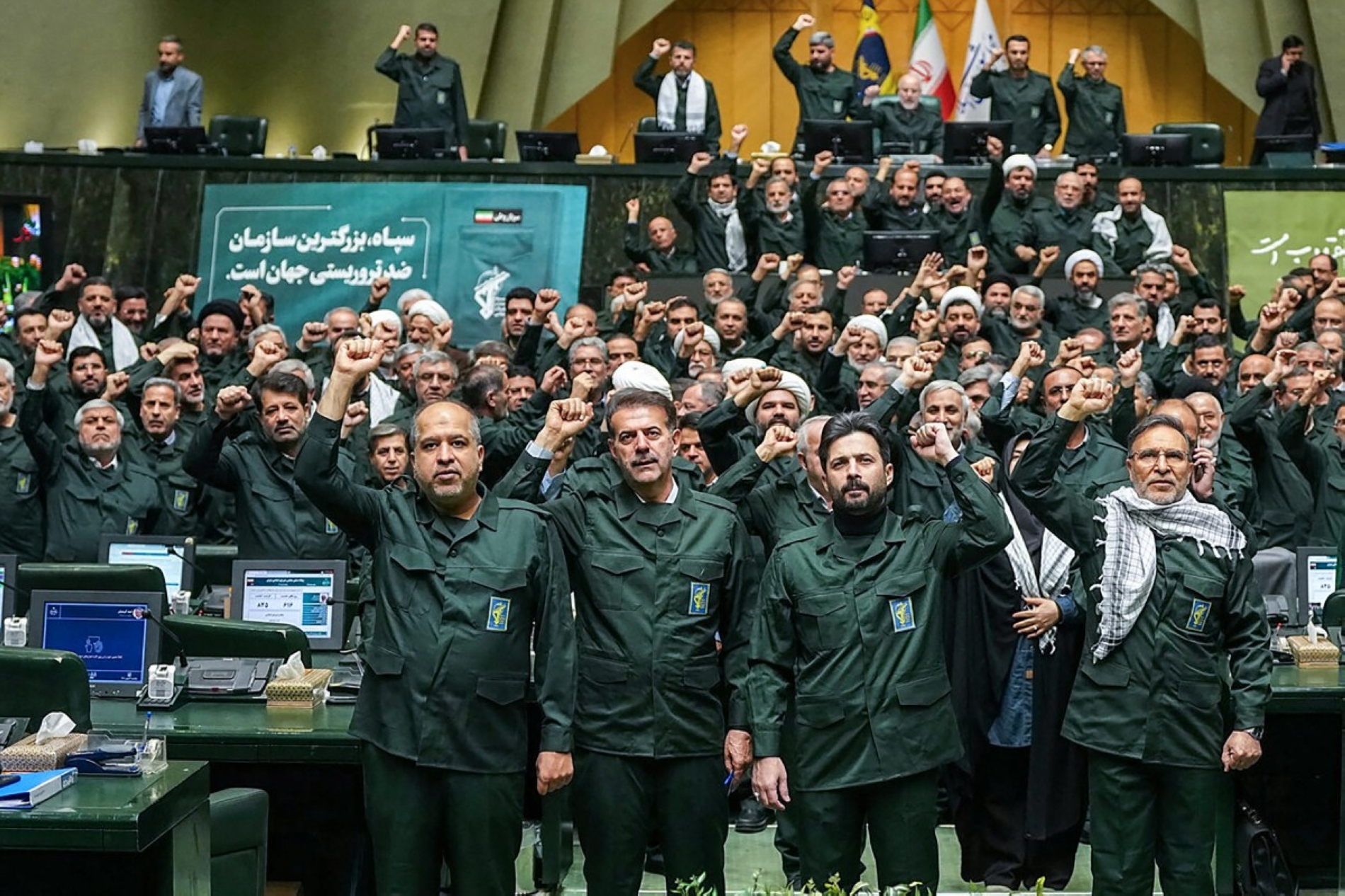
Members of Iran's parliament dressed in IRGC uniforms chant "Death to America" during a session in Tehran on 1 February 2026.

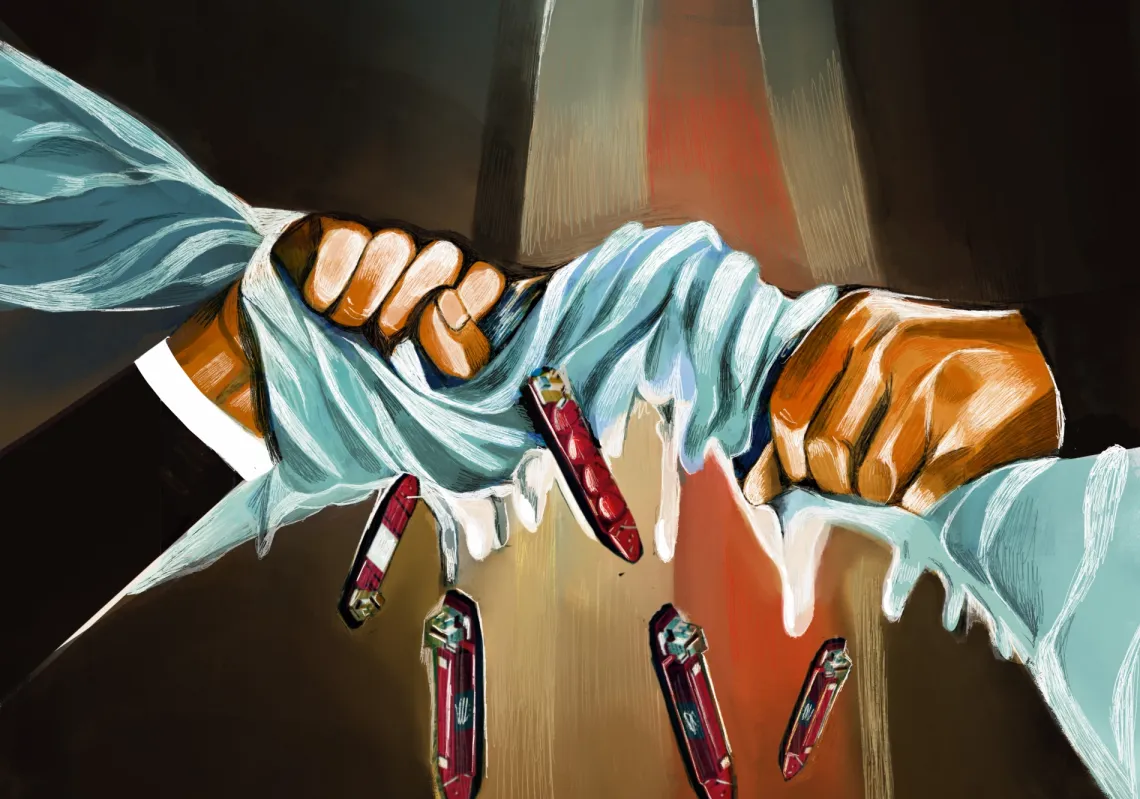
With limited retaliation options and facing two foes with overwhelming military superiority, Iran is holding the global economy hostage through the closure of the Strait of Hormuz. In this zero-sum worldview, anyone who objects is seen as being 'against' Iran. That is why Chinese pleas have fallen on deaf ears.

Diplomacy not dead

Still, China has not yet given up on diplomacy. For Beijing, Iran's closure of the Strait of Hormuz is not an intractable problem, but one that requires delicacy. That is why China voted against the UN Security Council resolution presented by Bahrain on behalf of Gulf states, which called on Iran to open the Strait of Hormuz.

As the Chinese proverb goes, the only one who can fix the problem is the one who created it. The root of the problem lies in the illegal and immoral war waged by the US and Israel; therefore, it falls on them to resolve it. The international community's objective should not be to pay for their war, but to press them to return to the negotiating table, albeit this time in good faith.

font change