The argument is over the price and presentation, not the basic instinct to preserve the system
Majid Asgaripour / Reuters
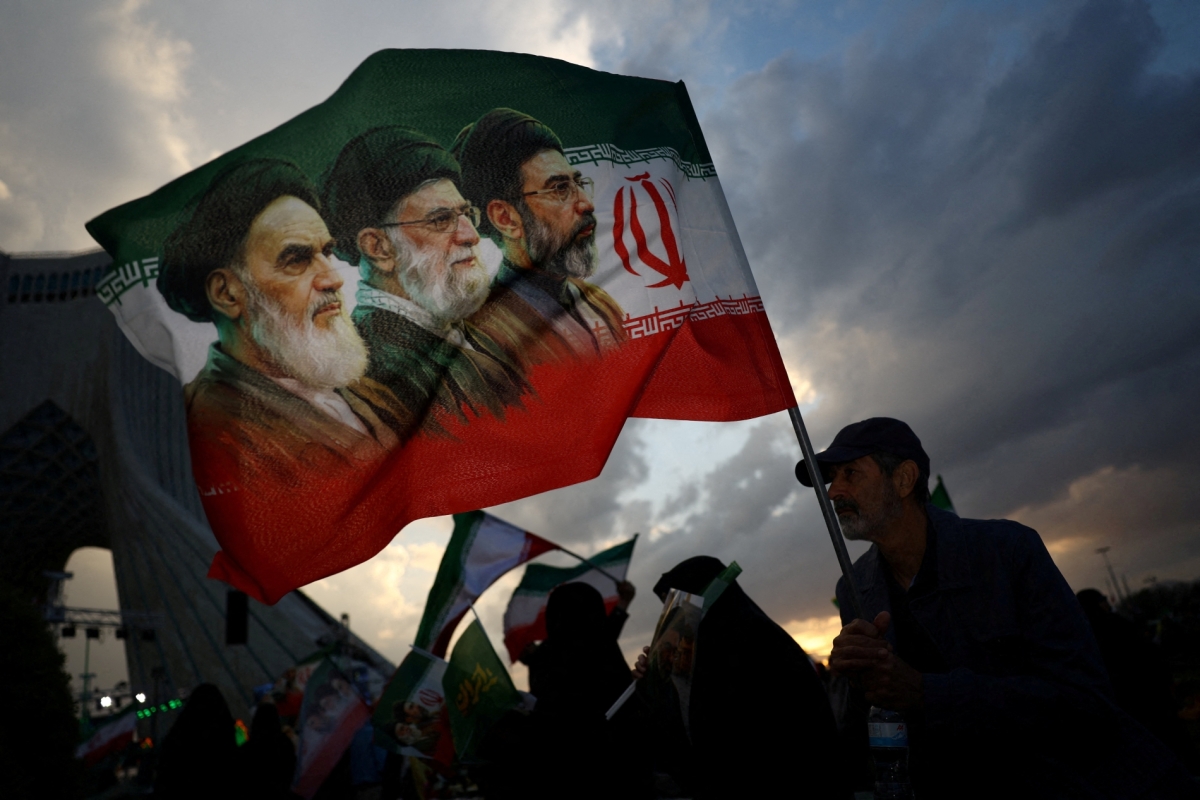
A man holds a flag featuring the late leader of the Islamic Revolution Ayatollah Ruhollah Khomeini, the late Supreme Leader of Iran Ali Khamenei and the new leader, Mojtaba Khamenei, at a rally in Tehran on 29 April 2026.
In Washington, the latest speculation is that Iran is deeply divided, perhaps too divided to make a serious diplomatic decision in the standoff with the Trump administration. The argument is familiar: one faction wants a deal with the United States, another wants confrontation, and the regime is trapped between them. It is a tempting reading, but far too simple.
Iran’s ruling elite is divided, but not in the way many outside observers imagine. There is no fundamental split over the need to reduce pressure if a credible diplomatic opening becomes available. Across much of the regime, there is recognition that the country's economic situation is fragile, that sanctions are biting, and that an agreement with Washington would be welcome under the right optics. Having said that, division does exist, but it's mostly over how much to compromise, how fast to move, and how to prevent any potential agreement with the United States from looking like a surrender.
Embedded agitators
This is where the ultra-hardliners matter. They are not the majority, not even close, and probably have no more than a single-digit support in society. They do not speak for Iranian society, nor do they even speak for the hardline camp as such. But they are loud, organised, and embedded inside the system in ways that allow them to slow, embarrass, or complicate any diplomatic opening.
At the centre of this current stands Saeed Jalili, the former nuclear negotiator whose political identity has been built around resistance to accommodation with the West. Surrounding him is the Paydari Front—a little-known but highly influential ultra-conservative party—and a cluster of hardline figures who have become familiar names in debates over negotiations, social control, and ideological discipline, including Mahmoud Nabavian, Morteza Aghatehrani, and Hamid Rasai.
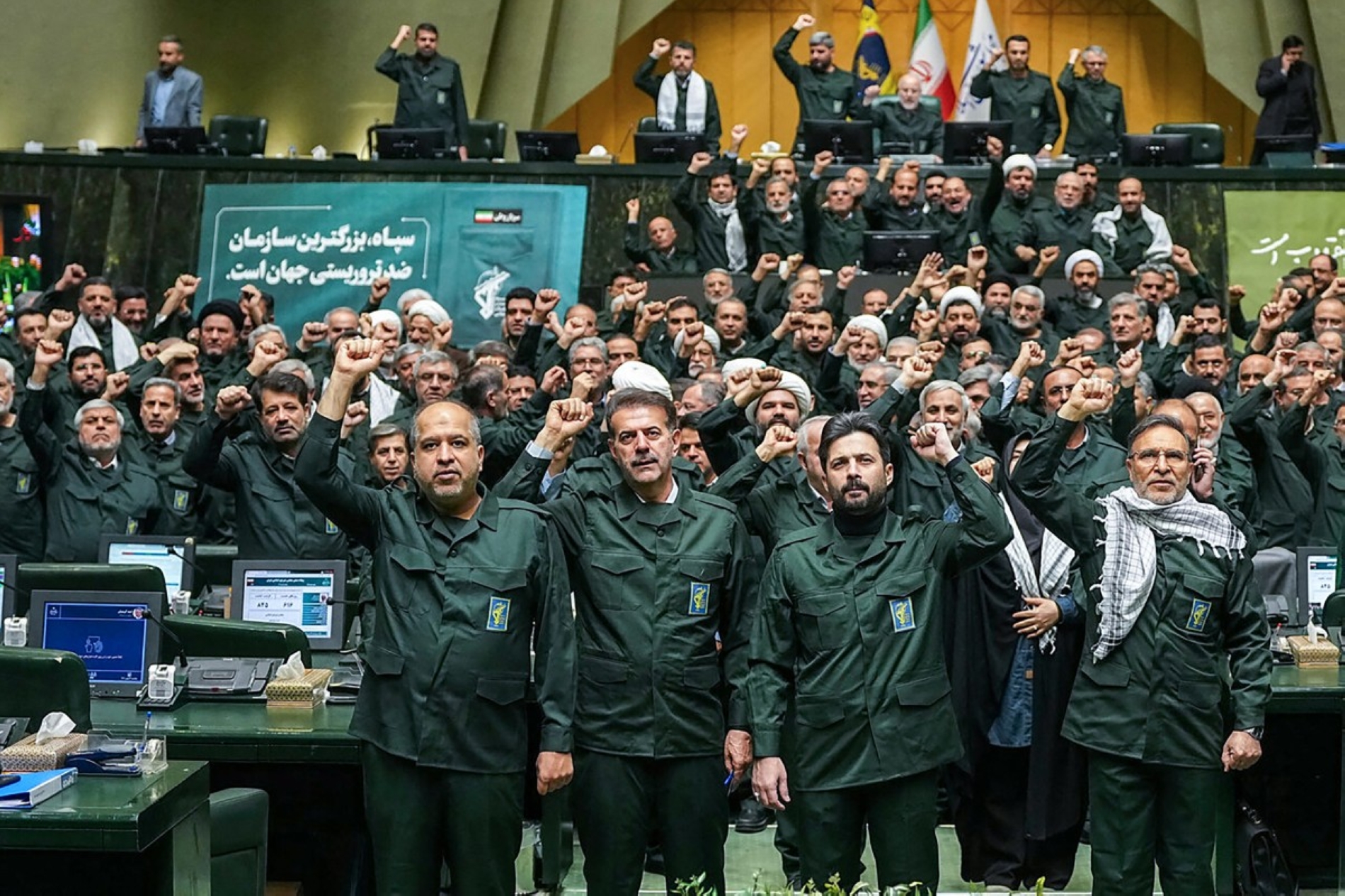
Members of Iran's parliament dressed in IRGC uniforms chant "Death to America" during a session in Tehran on 1 February 2026.
Their recent refusal to sign a parliamentary statement backing the negotiation team led by Mohammad Bagher Ghalibaf was revealing. While 261 MPs supported the statement, a small but vocal group of deputies aligned with Jalili and the Paydari current withheld their backing, underscoring persistent resistance within the system.
That gesture was not just parliamentary theatre. It captured the faction’s tactics. This camp never commands a majority. Its power lies elsewhere: in ideological networks, media platforms, ties to thuggish pressure groups operating in the streets, and the ability to accuse rivals of weakness, betrayal, or deviation from the revolutionary line. It does not need to govern effectively. It only needs to raise the cost of compromise.
Parts of Iran's security establishment now see ultra-hardline agitation not as revolutionary vigilance, but as a threat to internal cohesion.
Since 1979, talks with Western powers have often been framed by revolutionary maximalists as something morally suspect. Negotiation is not treated simply as statecraft; it is presented as a test of loyalty. Those who negotiate are vulnerable to being accused of selling out the revolution, ignoring the blood of martyrs, or placing trust in an inherently hostile enemy. This approach has repeatedly distorted Iranian diplomacy. Crises are allowed to escalate, and when the state finally moves toward talks, negotiators return home exposed to accusations that they have crossed an ideological red line.
This is why the recent attacks on Iran's speaker of parliament, Mohammad Bagher Ghalibaf, matter. Ghalibaf is no reformist; he is a former IRGC commander, a hardline power broker, and a man of the system. Yet even he is not immune to the charge of betrayal when he sits across from Americans. This tells us something essential: for the ultra-hardliners, the issue isn't whether the negotiator is revolutionary enough, but whether diplomacy itself poses a threat to their political relevance.
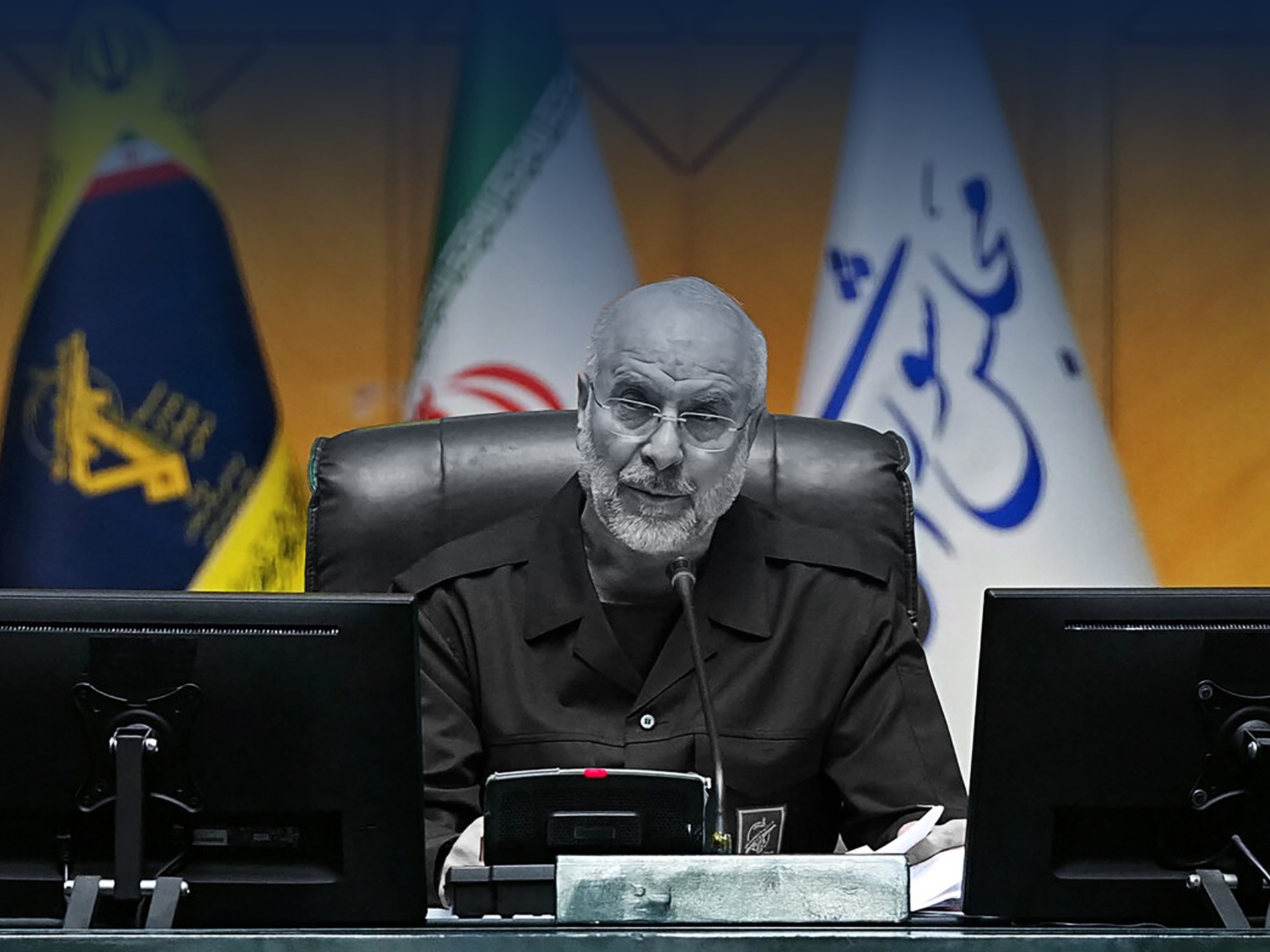
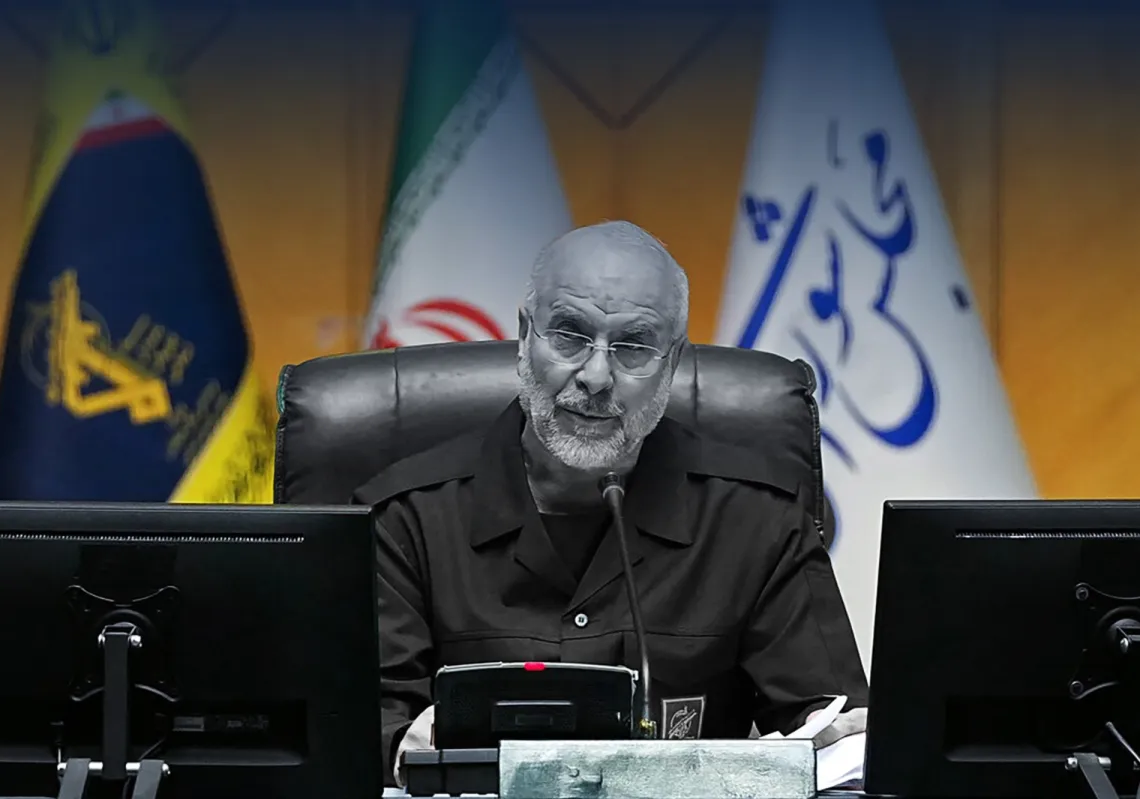
Iran's Parliament Speaker Mohammad Bagher Ghalibaf, dressed in an IRGC uniform, chairs a session in Tehran on 1 February 2026.
'Purity' guardian
Jalili's career embodies this tension. He has long presented himself as the guardian of a purer revolutionary path. During his years as nuclear negotiator, critics accused him of turning diplomacy into sermonising, of preferring maximalist demands to practical bargaining. Later, after losing the 2013 presidential election, he created what he called a "shadow government." In theory, it was meant to monitor policy and offer alternatives. In practice, it became a tool of obstruction, or so his critics allege.
This pattern appeared again in the battles over the nuclear deal, its revival, the controversy around Iran adhering to the rules of the Financial Action Task Force (FATF), and other files touching relations with the outside world. Jalili and his allies opposed the 2015 nuclear deal (JCPOA), attacked efforts to revive it, warned against financial transparency measures, and treated many forms of engagement as traps. Their language has always been larger than the issue at hand. A negotiation is never merely a negotiation. It becomes capitulation. A concession becomes a surrender, and a diplomatic opening becomes a plot for the external enemies to weaken the regime.
But the paradox is that this faction's public base is hugely limited. Jalili has contested power repeatedly but has never secured a serious mandate. His rallies have often looked narrow and ideological rather than national. His support comes from a committed minority, not from a mass movement. The Paydari Front is powerful not because it reflects the Iranian public, but because it operates within the state's arteries. It is a network faction, not a popular one.
Even within hardline politics, it has often been viewed as difficult and disruptive. The Raisi years showed this clearly. Ebrahim Raisi was himself a hardline president, but even his government ran into trouble with the Jalili-Paydari current. When negotiations over reviving the nuclear agreement seemed possible, these actors pushed back. They criticised the negotiating team, warned against concessions, and helped make compromise politically costly. In other words, even a hardline administration found them hard to manage.
The same dynamic is now visible in the fight around Ghalibaf. Ghalibaf represents a different kind of regime pragmatism. He is not a liberal, not a moderate in the Western sense, and not someone seeking reconciliation with the United States as a strategic transformation. But he understands institutions, interests, and pressure. He seems to recognise that Iran cannot live indefinitely on slogans alone. If diplomatic talks can reduce pressure without breaking the regime's ideological frame, he is prepared to test them.
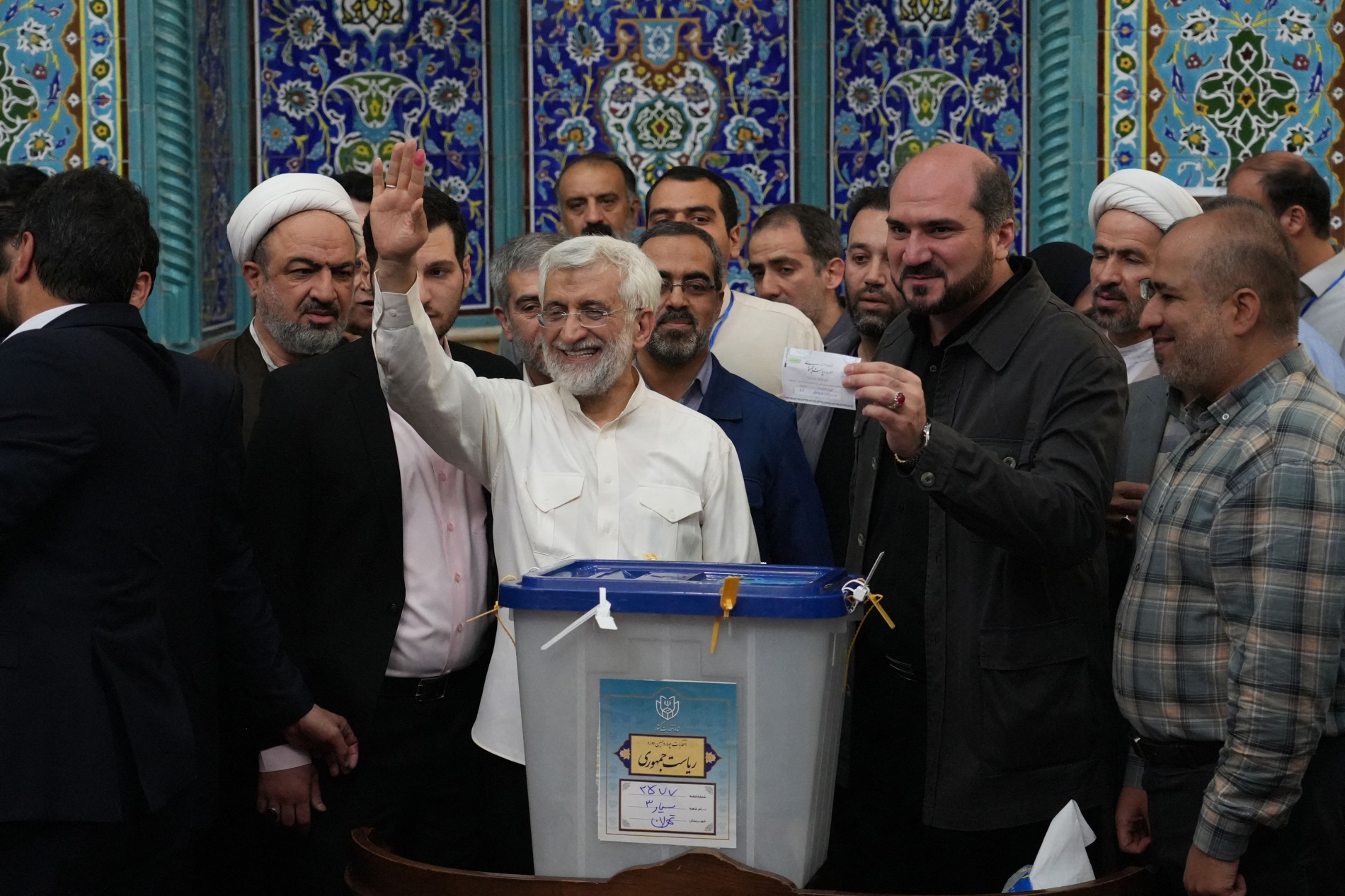
Iranian presidential candidate and ultraconservative former nuclear negotiator Saeed Jalili waves at a polling station where he cast his vote during the presidential election in Tehran on 28 June 2024.
For Jalili and Paydari, that is precisely the danger. Their politics depends on keeping compromise morally contaminated. If Ghalibaf, a former IRGC commander and hardline heavyweight, can negotiate and remain within the revolutionary fold, then their monopoly over revolutionary authenticity weakens. Their anger is, therefore, not only about America. It is about status inside the regime.
Revealing sign
A revealing sign of the current moment is that criticism of this faction is no longer coming only from reformists or centrists. Even parts of the hardline and security-adjacent media ecosystem have begun to treat the Jalili-Paydari style as a problem. The recent fight between Tasnim, an outlet linked to the IRGC, and Raja News is important for this reason. Raja News, associated with the Paydari milieu, attacked those supporting talks and national unity. Tasnim then responded by accusing such behaviour of division-making and even of serving the enemy's project. The language was harsh, but the meaning was clear: parts of the security establishment now see ultra-hardline agitation not as revolutionary vigilance, but as a threat to internal cohesion.
When the system believes that resistance serves survival, it resists. When it believes that talking serves survival, it talks.
Unity hyper-focus
This matters because Iran is currently hyper-focused on unity. Official discourse is full of calls for national solidarity, resistance to psychological warfare, and the need to prevent internal fractures during external pressure. Much of this language is propaganda, but it also reflects a real anxiety. Tehran knows that war, sanctions, economic pain, and social exhaustion have made the domestic arena more fragile. In that context, a faction that constantly brands rivals as traitors can become a liability.
This doesn't mean Jalili and his allies are irrelevant. They still have tools. They can use parliament and friendly media, including influence within the state broadcaster, where figures such as his brother, Vahid Jalili, hold senior roles and help shape the ideological tone of coverage. They can mobilise ideological supporters, pressure clerics, Islamist student groups, and so-called revolutionary organisations. They can make any agreement look politically dangerous, appealing to a deep revolutionary instinct inside the system—the fear that compromise with America will open the door to wider concessions.
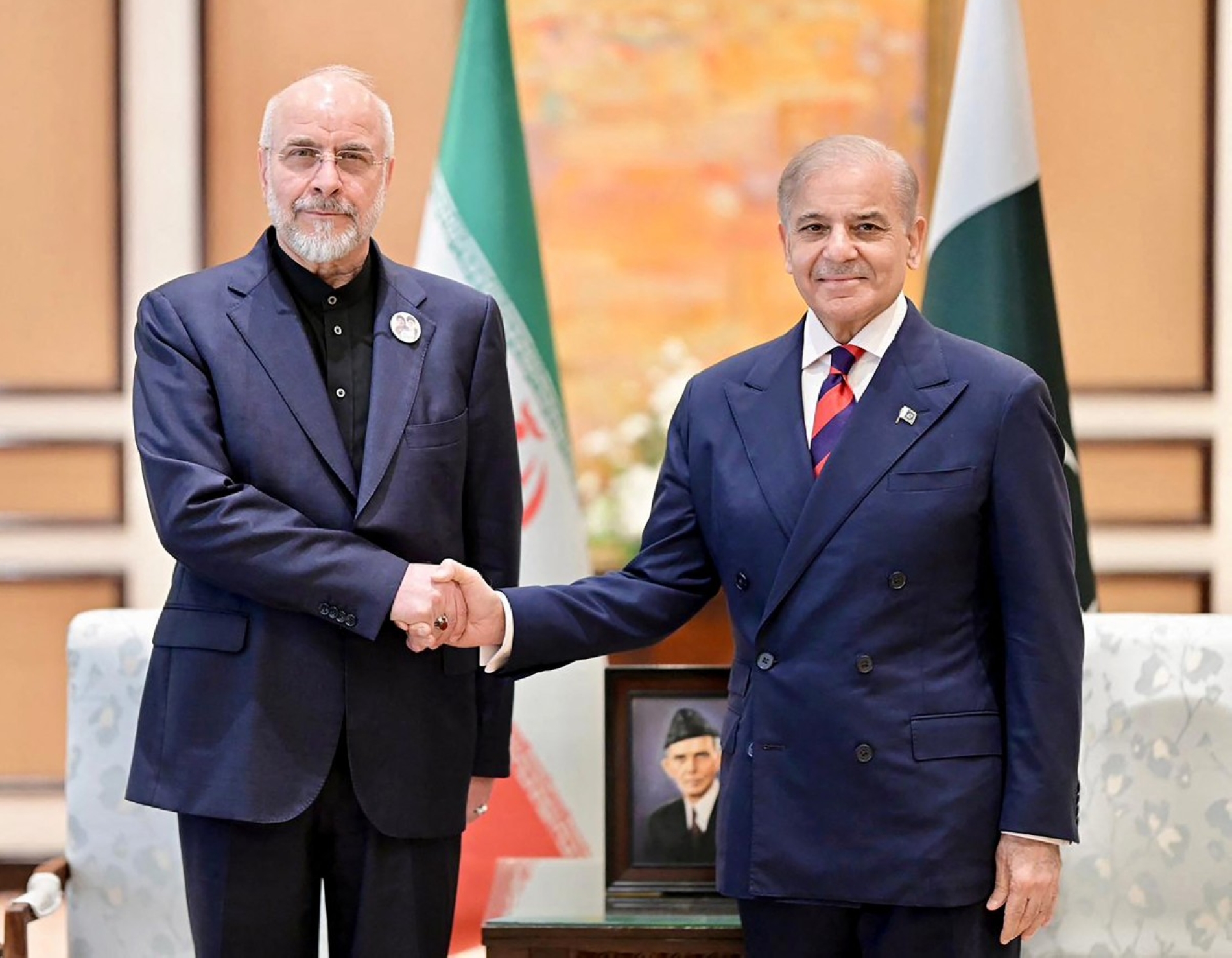
Pakistan's Prime Minister Shehbaz Sharif shakes hands with Iran's parliamentary speaker Mohammad Bagher Ghalibaf during their meeting prior to the US-Iran peace talks in Islamabad on 11 April, 2026.
But influence is not the same as control. The ultra-hardliners can disrupt, delay, and even poison the atmosphere. But what they cannot easily do is stop a diplomatic track that has the backing of the core state, especially if the leadership concludes that talks are necessary for survival. It must be noted that Supreme Leader Mojtaba Khamenei appears to be aligned with, or at least permissive of, the current diplomatic track with Washington—an important signal in a system where even passive consent at the top can be decisive.
This is the key point Washington should understand. Iran's factions fight fiercely, but usually with a shared commitment to regime survival. When the system believes that resistance serves survival, it resists. When it believes that talking serves survival, it talks. The argument is over the price and presentation, not the basic instinct to preserve the system.