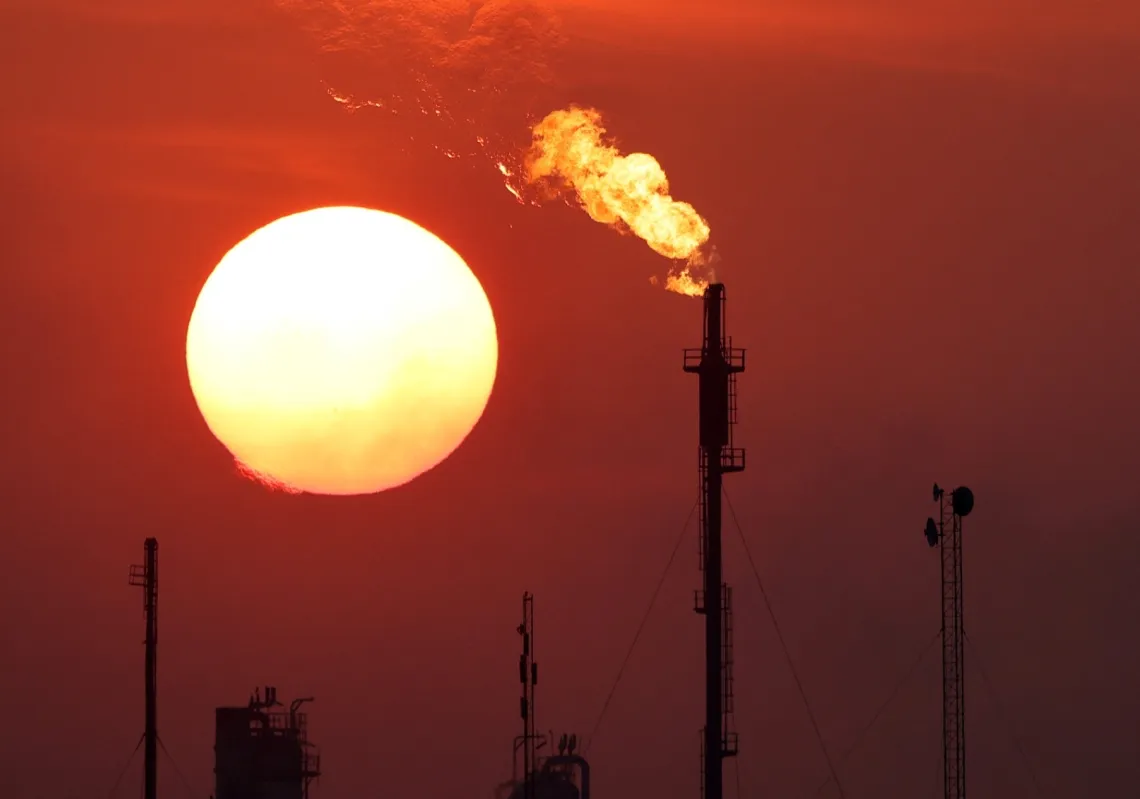
Borrowing to offset potential shortfalls in oil revenues will likely remain an important part of Gulf governments' financing strategies in the coming years
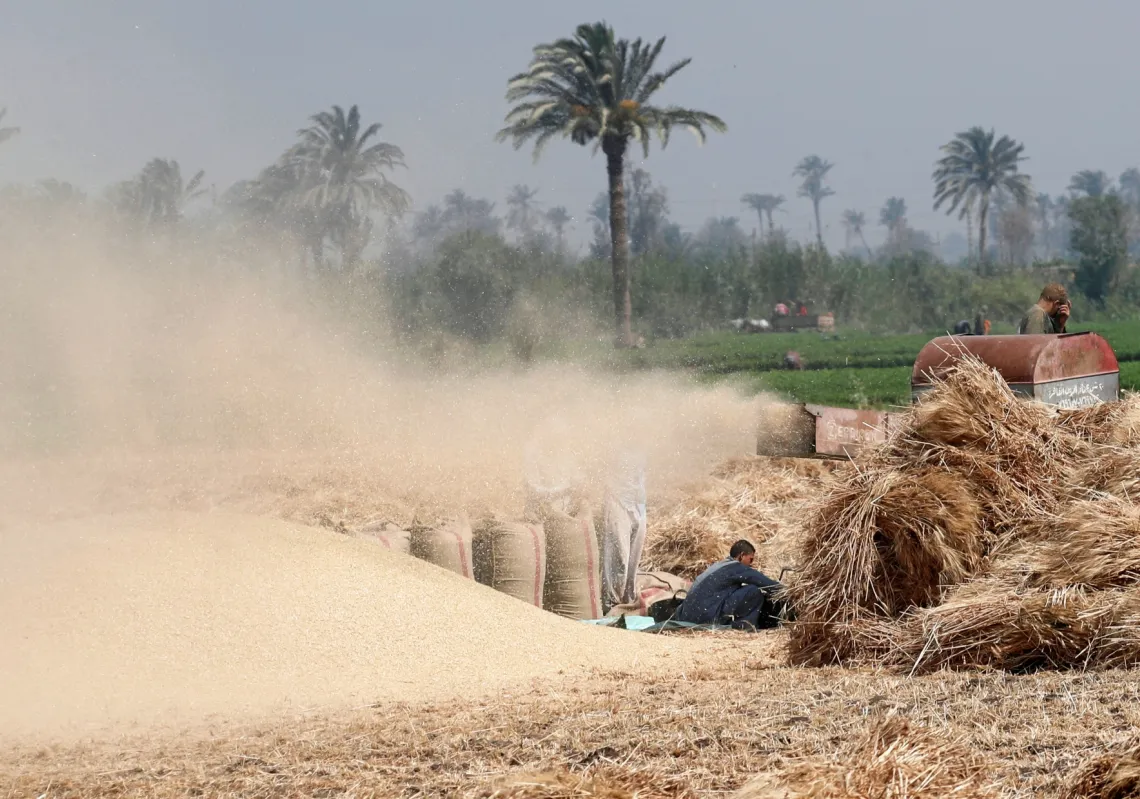
Last year, 17,500 Egyptians took boats to Europe, while three million work in the Gulf. With no rural prospects, they leave for jobs. Can hope be brought back to the countryside?
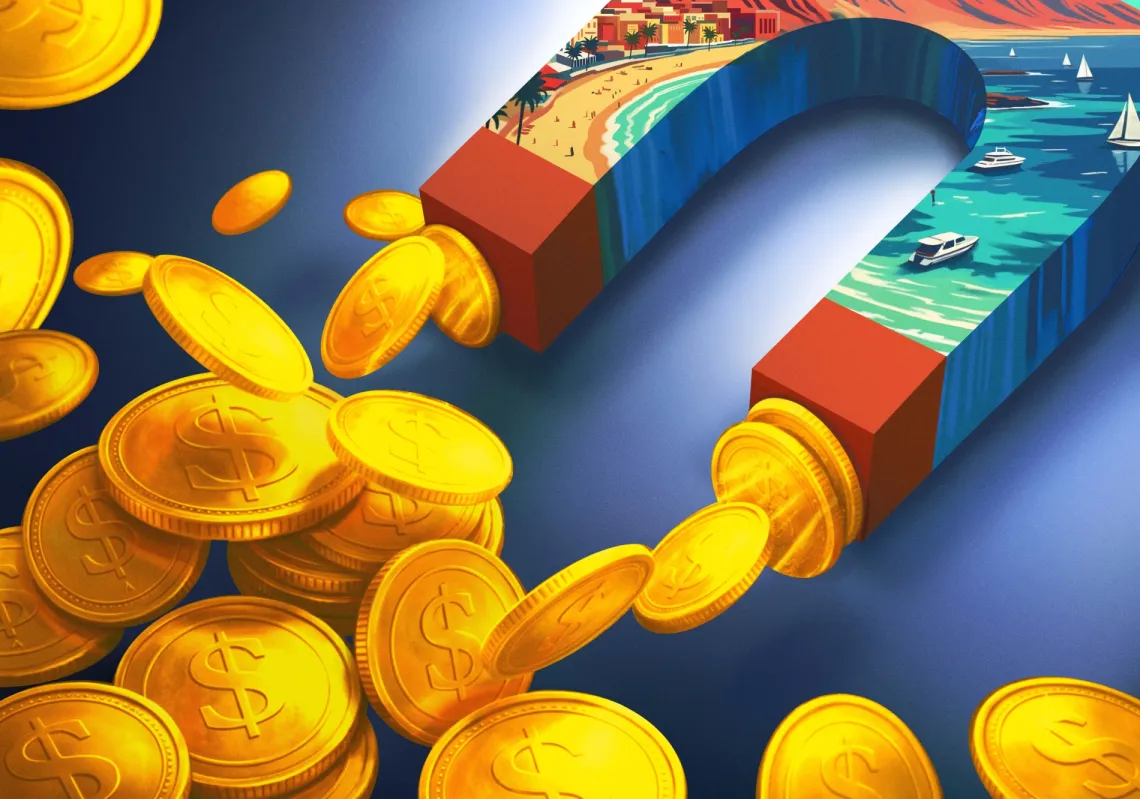
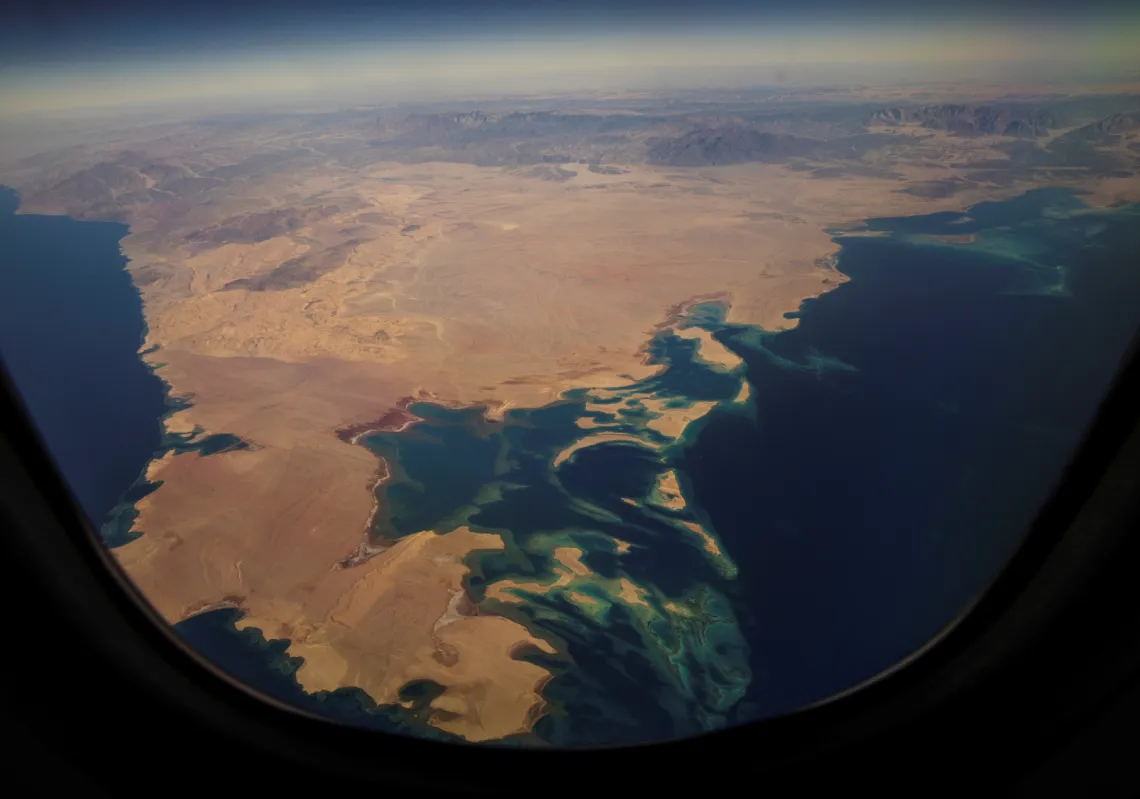
Tourist numbers are rising again, hotels and land are cheap, and new flight routes are opening new markets. Egypt's premier Red Sea resort could be in for a makeover
Baghdad is opening its energy sector to US investment while racing to diversify oil exports, strengthen its economy, and reduce its vulnerability to regional conflict
Lower oil prices, less tourists, and an over-reliance on state funding has led to some of the biggest tourism development projects being paused until private capital is secured
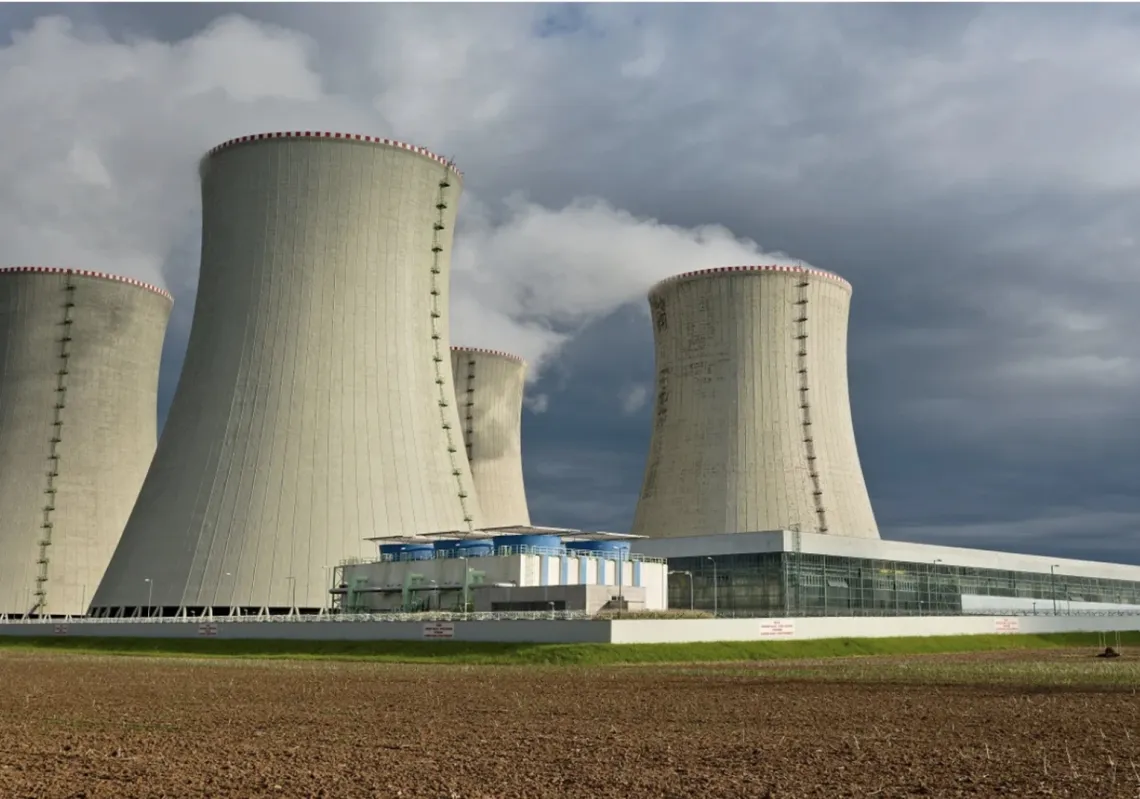
A giant $30bn four-reactor nuclear plant on Egypt's Mediterranean coast could ease some of the country's energy costs, but it would be paid for largely by a Russian loan
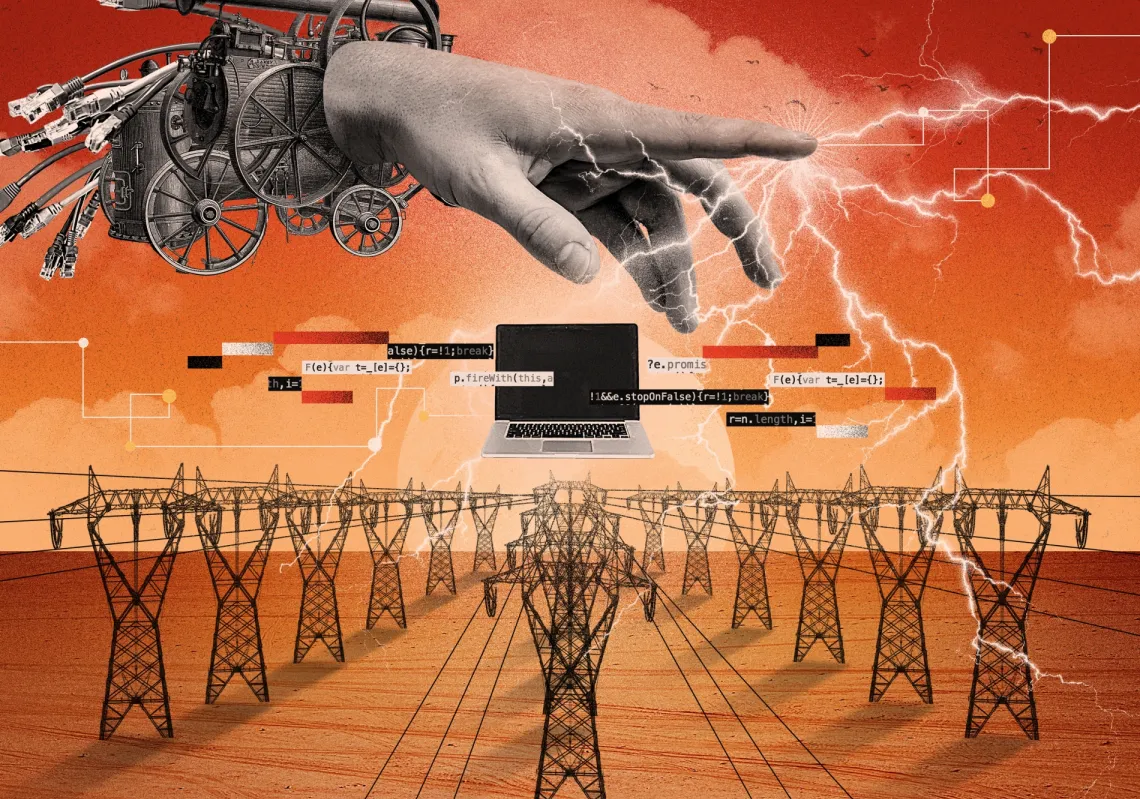
Traditional large electricity customers' requirements have tended to match utilities' capacities, but the enormous data centres on which the AI era is being built are redefining demand
Ankara wants to be a regional energy hub, while Israel seeks deeper integration into Europe's emerging energy system. Will Europe choose or the other, or a combination, to meet its energy needs?
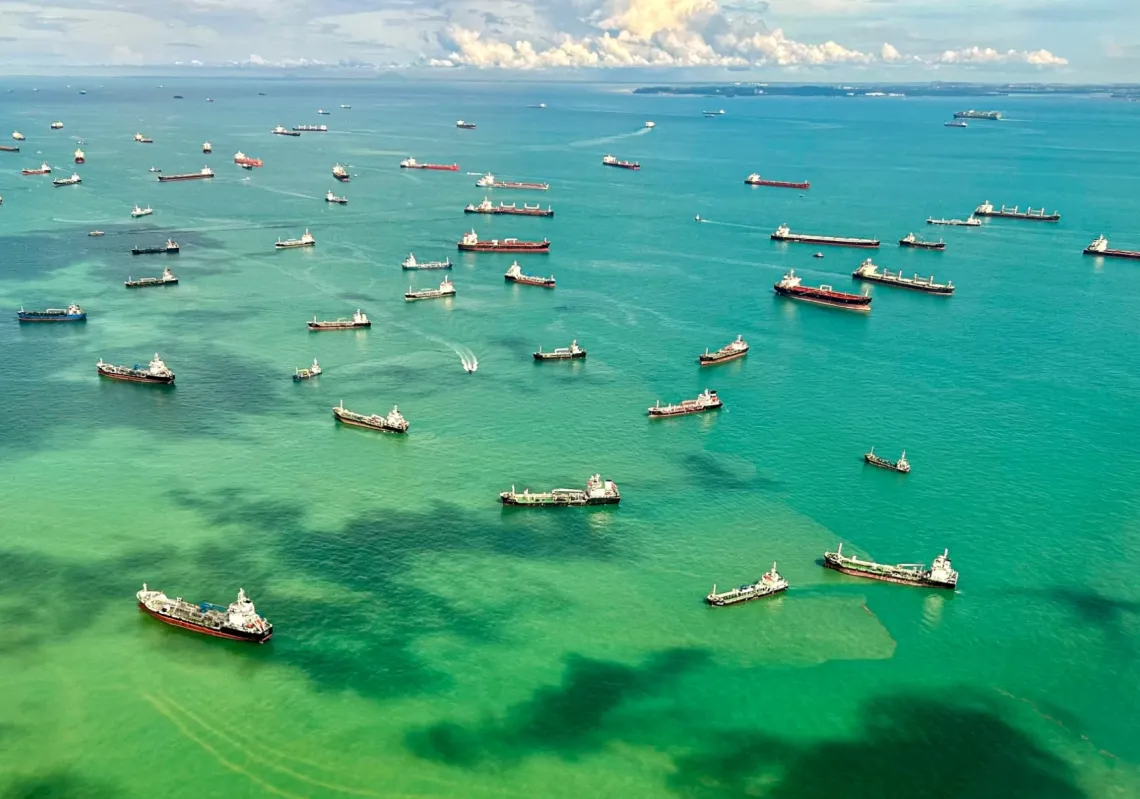
Once a port at the entrance to the Strait of Malacca, Singapore is now a hub for managing risk in international trade. There are broader lessons for countries dependent on energy flows
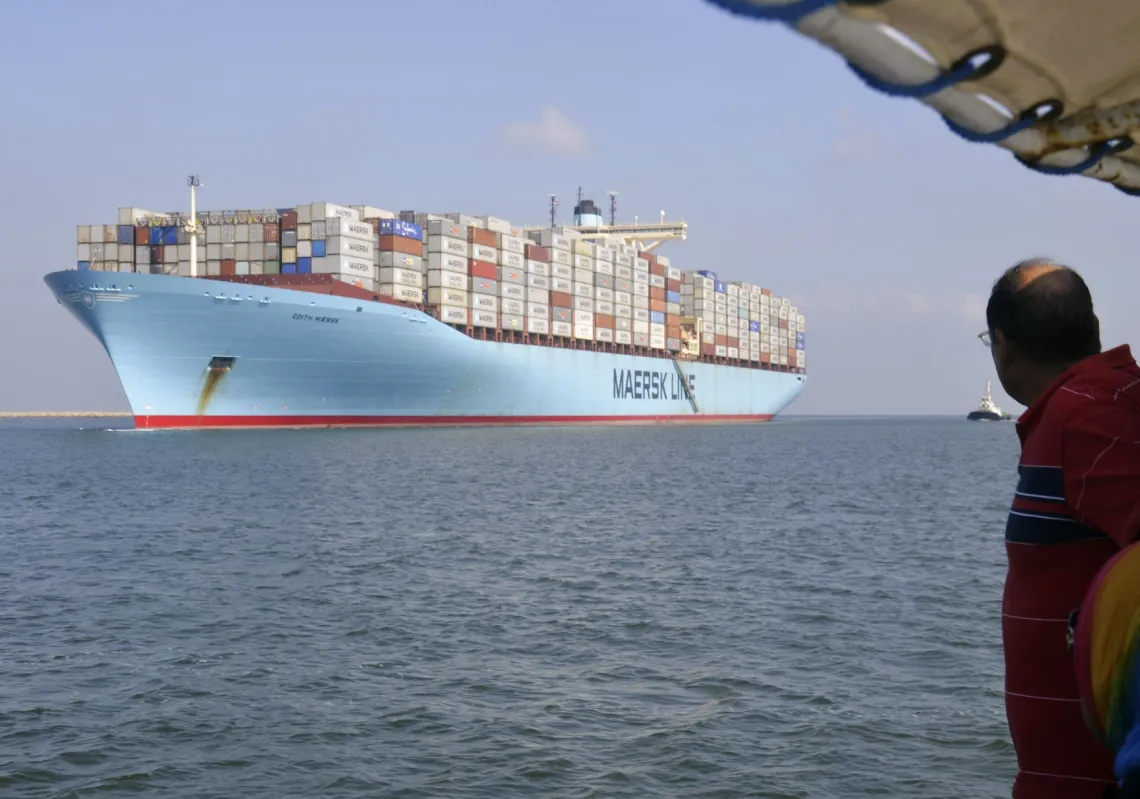
Some big shipping companies are starting to reroute through the iconic waterway once again, with more problems currently in the Strait of Hormuz and the Arabian Gulf than in the Red Sea
Al Majalla examines this changed landscape—from Israel's domestic political scene to its external ambitions, where it occupies large swathes of new territory in the West Bank, Lebanon and Syria
From Gaza to Egypt, Lebanon, Morocco, Jordan, Iraq, and Algeria, this year's Arab Oscar submissions explore stories of conflict, displacement, memory, and survival