
There’s little doubt that the standoff between the United States and Iran imposes economic costs on Americans. The price at the pump is up by more than a third since the start of the war, and economists project inflation rising and growth slowing. According to a recent poll by Ipsos, six out of 10 Americans disapprove of the conflict, and a majority believe US military action in Iran will have a negative impact on their personal financial situations. (Only 1% believe the war will have a positive impact on personal finances, and less than a quarter of Americans surveyed think the conflict has been worth it.)
Meanwhile, a poll conducted across six countries in the global south shows seven out of 10 respondents “very concerned” about the cost of living. The heightened sensitivity to events in the Gulf can be explained in part by the fact that, unlike the United States, a majority of the world’s nearly 200 countries are net importers of energy. Asia, in particular, accounts for 40% of the world’s energy demand, making its countries particularly sensitive to price shocks. Developing economies often lack the fiscal room to subsidise energy for their citizens, who in any case earn far less than Americans do and disproportionately suffer when energy prices spike. Additionally, just as a strong dollar helps American importers, it hurts countries that have to spend more rupees or pesos to buy commodities traded in US dollars. Finally, the tailwinds from AI are mostly enjoyed by US companies and their shareholders; the so-called Magnificent Seven, which includes Alphabet, Amazon, Apple, Meta, Microsoft, Nvidia, and Tesla, are all American.
The oil-rich Gulf economies are usually well-positioned to navigate a global economic shock, but they are, of course, particularly mired in the current conflict. In contrast, the US is geographically blessed with no adversaries nearby. Put together, Washington’s unique advantages mean that its citizens have so far suffered less than most other people around the world.
Pakistan has garnered headlines for mediating peace talks between the United States and Iran, but what has received less attention is how much Islamabad needs the war to end. Pakistan imports 80% of its energy from the Gulf. The conflict in the Middle East sent petrol and diesel prices in Pakistan to record highs. As a result, Islamabad instituted a four-day workweek for government offices, ordered half its federal staff to work from home, shuttered schools for two weeks, and asked cabinet ministers to forgo two months of salary. Meanwhile, Pakistan was forced to turn to Saudi Arabia for a $3bn bailout as it struggles to service debt payments and liquidity commitments made to the International Monetary Fund (IMF).
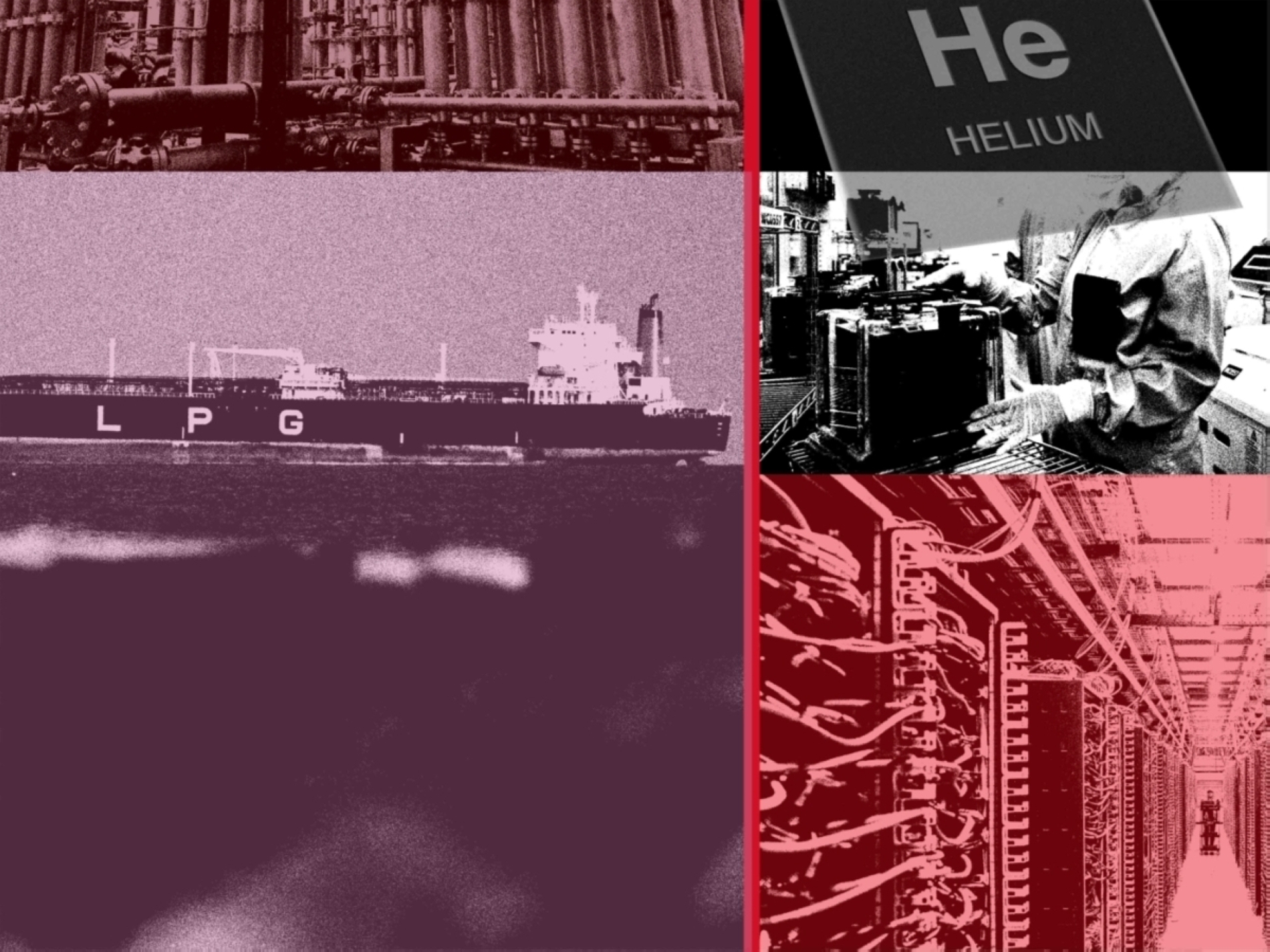
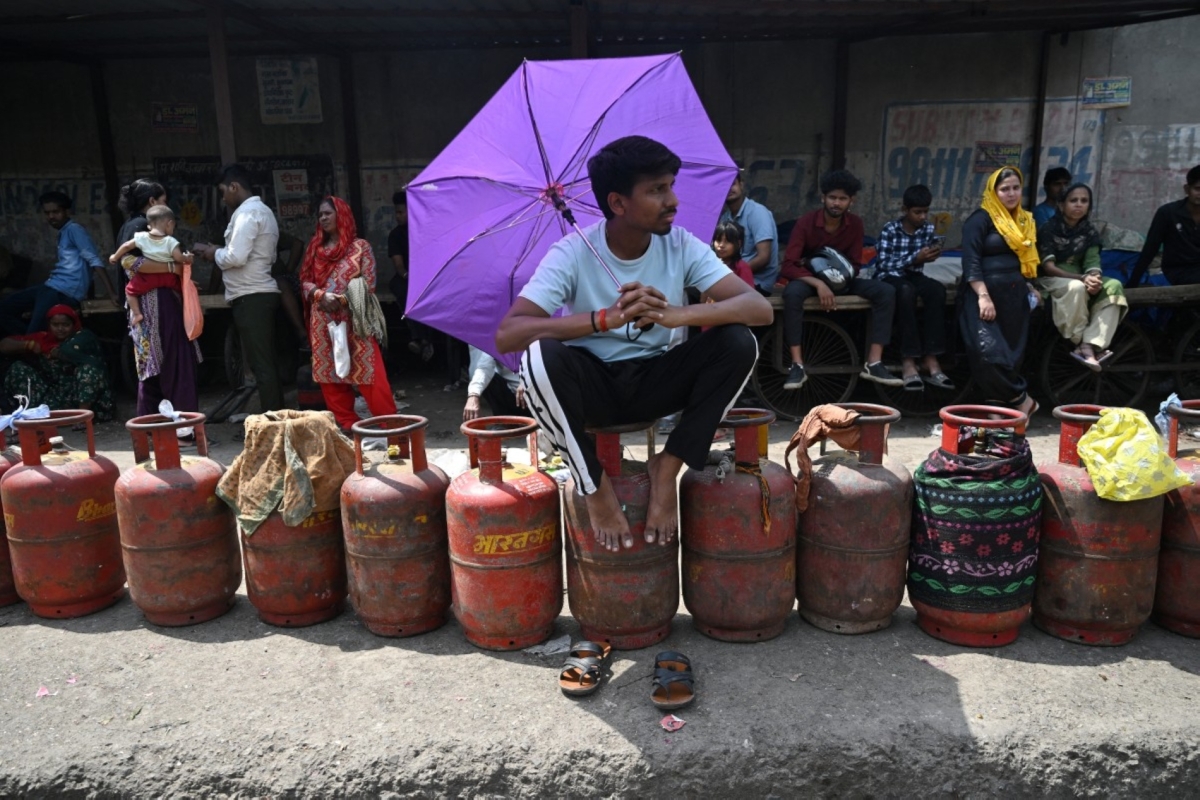
Pakistan’s woes are reflected across South Asia. Bangladesh, which imports 95% of its energy needs and holds less than a month’s worth of reserves, has imposed daily limits on fuel sales amid panic buying. Dhaka shut universities and ordered shopping centres to close by 8 in the evening. Local prices for liquefied petroleum gas (LPG), which is used widely from cooking to powering rickshaws, are up by nearly half since the start of the conflict. For a garment worker earning the equivalent of $4 a day, a 50% rise in the price of cooking gas translates to painful daily sacrifices.
Sri Lanka, too, has moved to a four-day workweek. In Nepal, transport strikes have driven up the price of rice and vegetables in a country where rural households already spend more than half of their income on food. Even Bhutan, the self-proclaimed happiest nation in the world, has long queues at its gas stations.
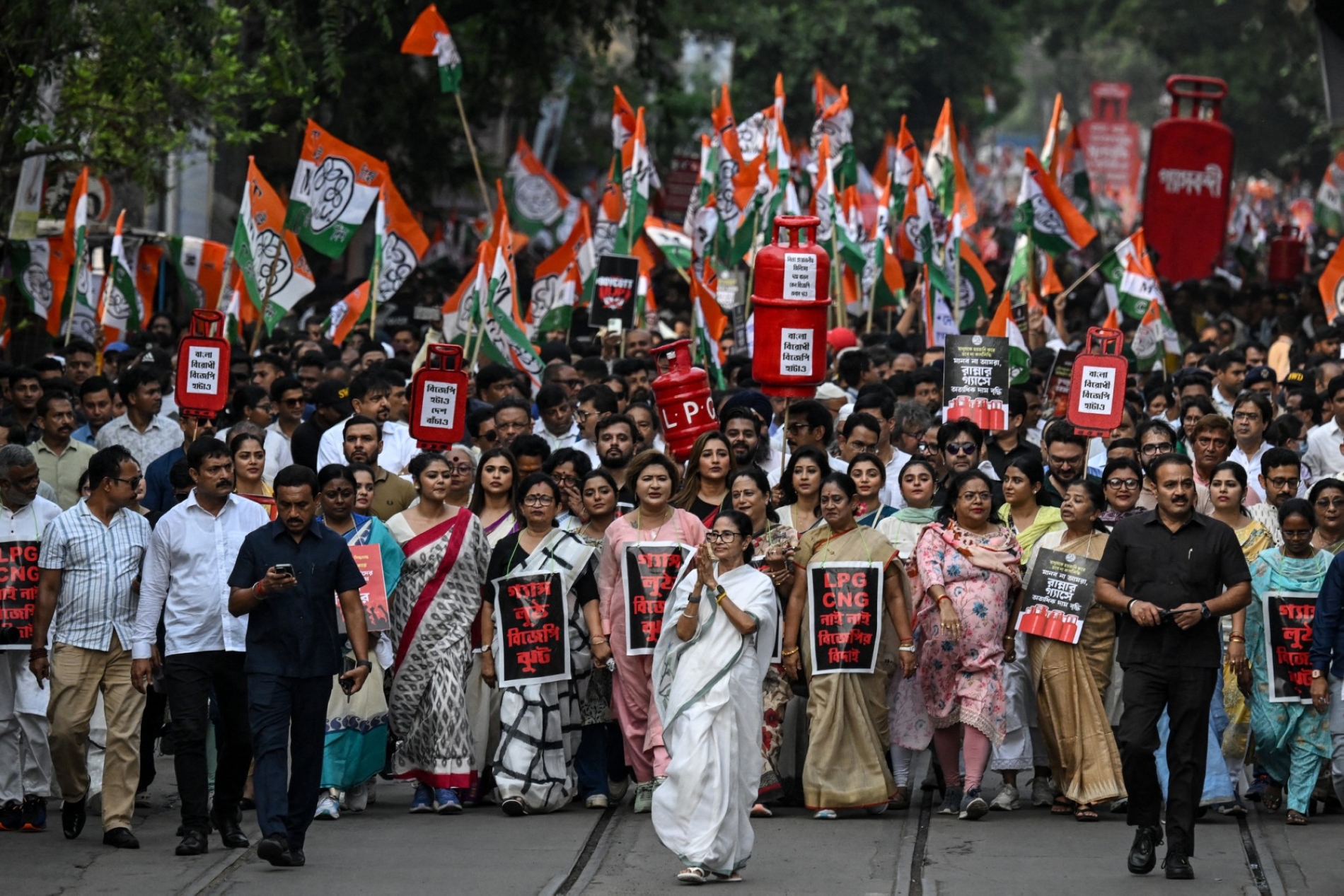
India, the world’s third-largest oil importer and sixth-biggest economy, has more room to manoeuvre than its neighbours. Ahead of state elections this month, New Delhi cut taxes on petrol and diesel to protect consumers from price increases, absorbing a hit to its national balance sheet. Even so, the country’s 1.4 billion people have been deeply affected by the conflict. India imports 90% of its LPG from the Gulf, and shortages have forced restaurants across the country to ration usage and slow business.
The country’s benchmark stock market has plunged by 8% since the start of the year, and its economic output is expected to decline by around a percentage point because of the conflict. India also imports a quarter of its fertiliser from the Middle East, raising the prospect of a food crisis in what remains a largely agrarian economy.