The US-Iran war forced Egypt to adopt swift austerity measures to contain the double of surging energy prices and mounting pressure on the Egyptian pound. Even if a two-week ceasefire set to expire on 22 April is extended, these shocks are likely to persist due to lingering volatility in energy markets, Suez Canal risks, and investor caution.
These factors are pushing the Egyptian government to act quickly, amid growing fears over a rising debt burden and a widening budget deficit. With oil prices climbing above $118 a barrel, against a budget assumption of $72, the state is left with few options other than curbing consumption and cutting costs by every available means.
To this end, a decision to halt commercial activity at 9pm for one month from 28 March, alongside an expansion of remote working across the public and private sectors, was introduced to reduce energy use and preserve scarce dollars. These measures coincided with the dollar rising to 55 Egyptian pounds before easing to 54 on 1 April, a shift that soon fed into the prices of food, goods, services, and transport as higher fuel costs spread through the economy.
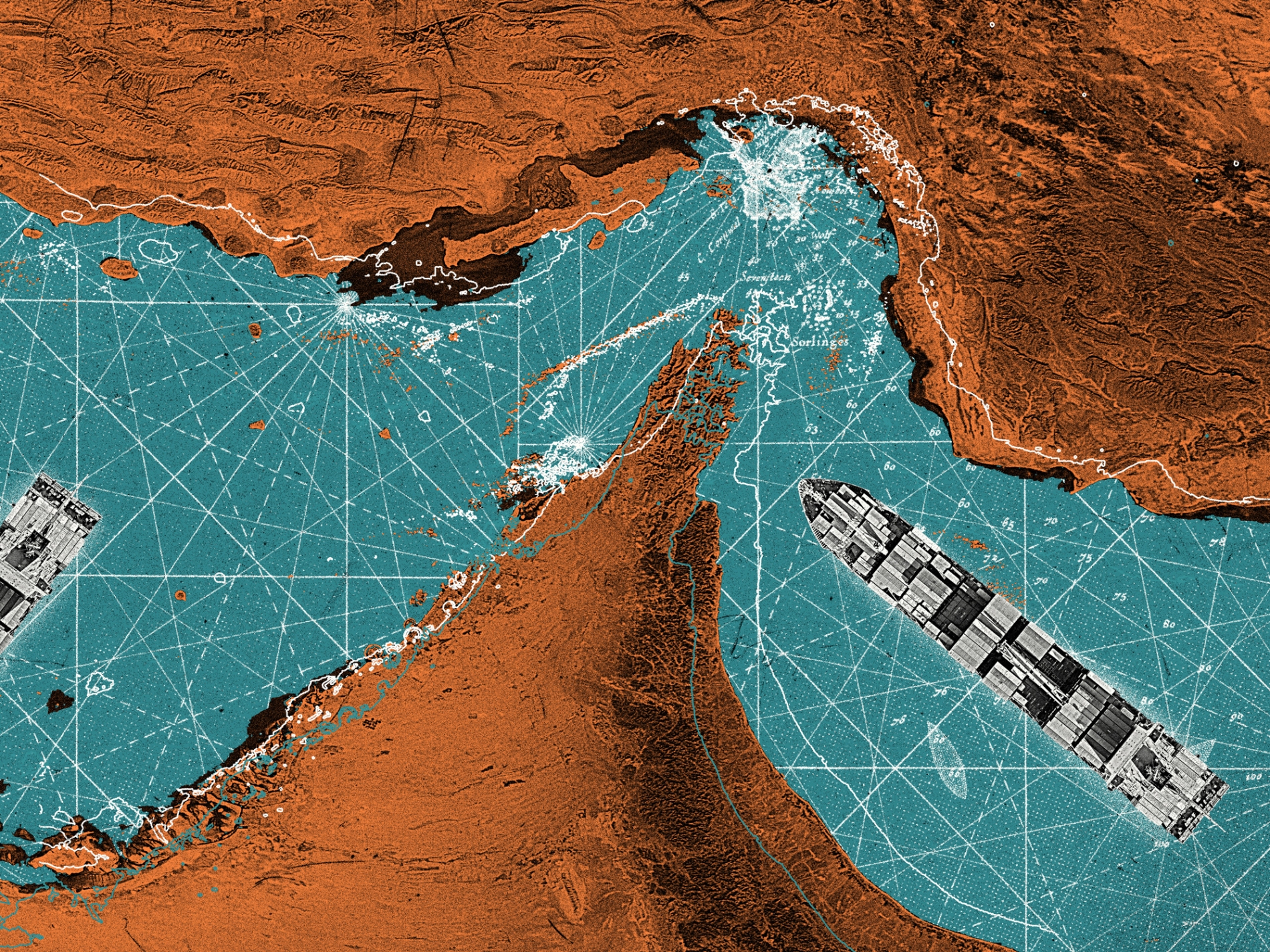
Tensions in the Strait of Hormuz, one of the world’s most important trade arteries, have threatened supply chains and further complicated shipping routes, placing additional pressure on Egypt’s food exports to the Gulf and the wider Arab region. Concern has also mounted over a possible decline in Suez Canal revenues and exports, alongside the prospect of weaker remittances and the return of Egyptian workers from abroad. Against this backdrop, Egypt’s headline indicators, including a GDP of $349.3bn in 2025, exports of $63.71bn in 2024, and foreign currency reserves of $52.7bn in February 2026, are now facing a serious test.
Although the government maintains reserves of essential goods and energy, it has moved quickly to diversify its oil import sources, turning to Kuwait and Libya to reduce transport costs and speed up deliveries. Yet the widening gap between the global oil price and the level assumed in the budget has forced the state to pass the difference on to ordinary citizens.
On 10 March, the government raised fuel prices by around three pounds per litre for both petrol and diesel. Cairo also approved fare increases of up to 25% for the metro and railways beginning in 2026-27, with the aim of generating an additional three billion Egyptian pounds. Train fares have likewise risen by 12.5% on long-distance routes and 25% on shorter lines, with railway revenues expected to reach 12 billion pounds, or about $223.8mn, and metro revenues 6.5 billion pounds, or roughly $121.2mn. Despite their fiscal logic, these measures carry clear social costs, especially for irregular workers in the service sector, whose livelihoods depend heavily on night-time activity.
People walk past a closed cinema as shops close early under a government-ordered curfew aimed at reducing energy costs in downtown Cairo on 2 April 2026.
A history of austerity
Over the past decade, Egypt has pursued a policy of fiscal austerity, beginning with shock measures before evolving into a more flexible, structural approach to managing economic pressures. These measures began in 2016, when Cairo signed a financing agreement with the International Monetary Fund (IMF). The government then moved to float the pound and implement a broad package of measures, including cuts to energy subsidies and the introduction of value-added tax, in a bid to address deep imbalances in the public finances and restore investor confidence.
Even if the ceasefire is extended, energy markets remain volatile, shipping risks persist, and investor caution is unlikely to dissipate quickly
As macroeconomic indicators gradually improved, the state moved to complete the removal of subsidies in 2019, particularly on fuel and electricity, while also applying an automatic pricing mechanism, thereby reinforcing the goal of achieving a primary surplus and reducing the deficit.
During the Covid-19 pandemic in 2020 and 2021, Egypt did not embrace severe austerity in the conventional sense. Instead, it maintained fiscal discipline while introducing limited support packages to avert a sharp economic contraction, benefiting in the process from the continuity of its programmes with the IMF.
Pressure returned with force in 2022 and 2023 amid the repercussions of the war in Ukraine and capital outflows, prompting Egypt to undertake a fresh currency devaluation, raise interest rates, and return to a new IMF financing programme, within the framework of emergency austerity aimed at confronting the currency crisis and inflation.
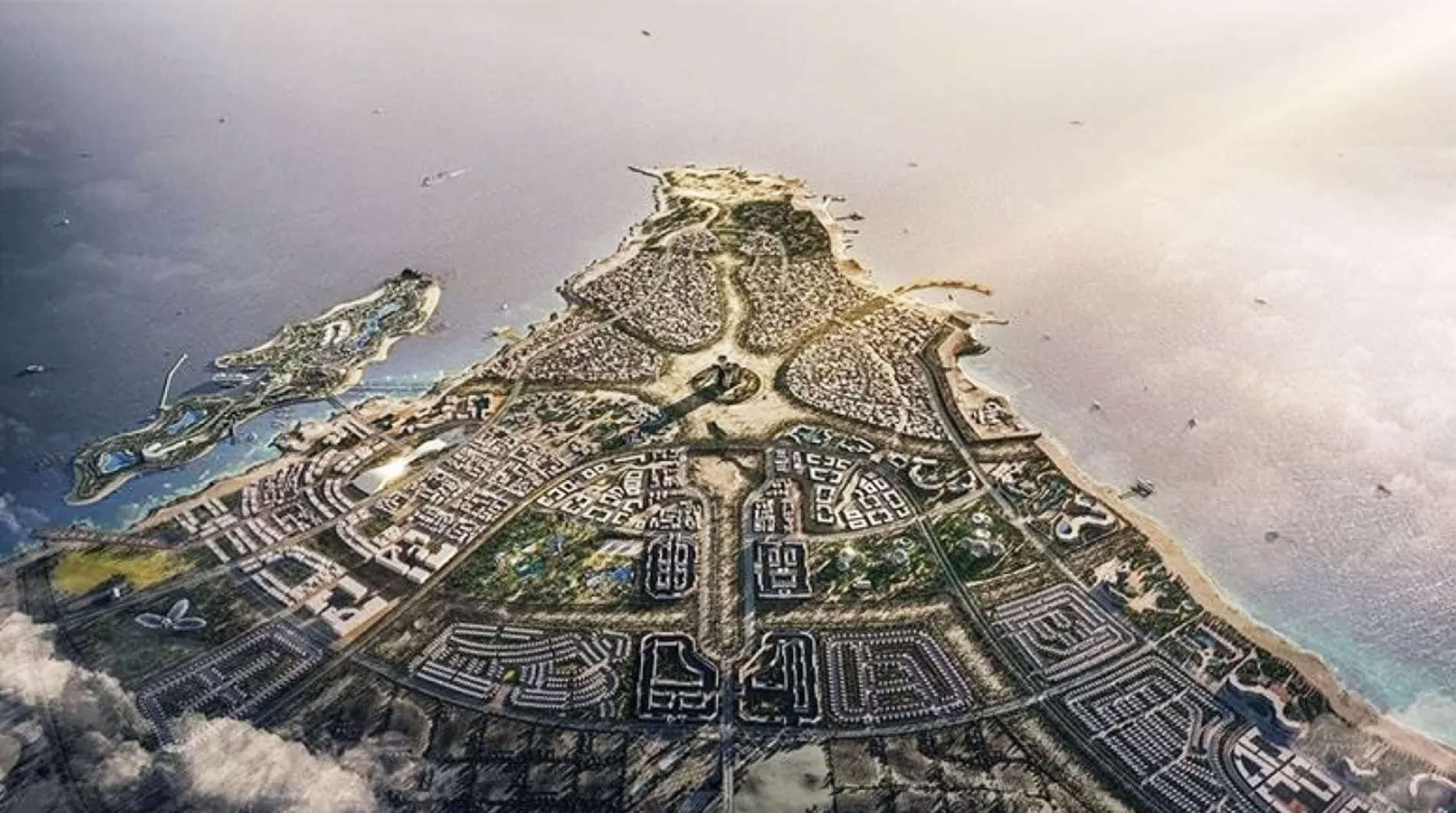
A render of the Ras El-Hikma development project in Egypt.
In the latest phase, spanning 2024 to 2025, Egyptian economic policy moved towards what might be described as smart structural austerity. The government focused on selling assets, slowing selected projects and attracting major foreign investments, most notably the $35bn Ras El Hekma deal, under which development rights to a Mediterranean coastal site were transferred to ADQ, Abu Dhabi's sovereign wealth fund, in return for large-scale hard currency inflows. The aim was to ease pressure on the currency without resorting to broad social shocks.
Recession warnings
Maged Refaat, a retired Egyptian diplomat and member of the Egyptian Council for Foreign Affairs, believes the new austerity policies "will produce gains in lowering electricity and fuel consumption, perhaps by between 15 and 20%, as a result of reduced night-time activity and the switching off of advertisements". At the same time, however, he warns of "a temporary recession in small and medium-sized business sectors such as shops, cafés, and advertising companies, together with the accompanying decline in consumption and in the profits of the firms connected to them".
The weakening of the pound and the fall in stock market indicators "reflect genuine fears over the rising cost of energy imports, particularly with recourse to spot market purchases following the cancellation of hedging," adds Refaat. He also points to debt obligations of $40bn by the end of the year, as well as the possibility of declining Gulf investments. He does not rule out "the central bank being forced to raise interest rates rather than cut them, or the government adopting more stringent measures if oil prices remain above $100 a barrel for two months or more, including higher electricity prices, alongside the need to offer incentives to companies such as cancelling interest on overdue taxes and encouraging solar energy".
The economist Mohamed Fouad, meanwhile, argues that what is unfolding "is an emergency response to a dual shock, one that is reflected directly in the budget through three channels: increased energy subsidies, swelling debt service and a higher import bill". Fouad told Al Majalla that "the goal is not to achieve major fiscal savings, but to prevent the deficit from spiralling out of control". Yet he warns that "these contractionary policies may lead to economic slowdown, an erosion of purchasing power, and greater pressure on the middle class, which makes their success dependent on their ability to target genuine waste rather than simply impose temporary strain".
By contrast, the financial expert Hany Geneina has defended the government's measures, arguing in remarks to Al Majalla that they are "necessary to reduce burdens and secure gas supplies". He noted that the plan aims to cut consumption by about 8,000 megawatts from a daily total of 29,400 megawatts. He also stressed that the fuel import bill "has risen by roughly two and a half times, which justifies these policies, especially as foreign currency continues to be secured for imports".
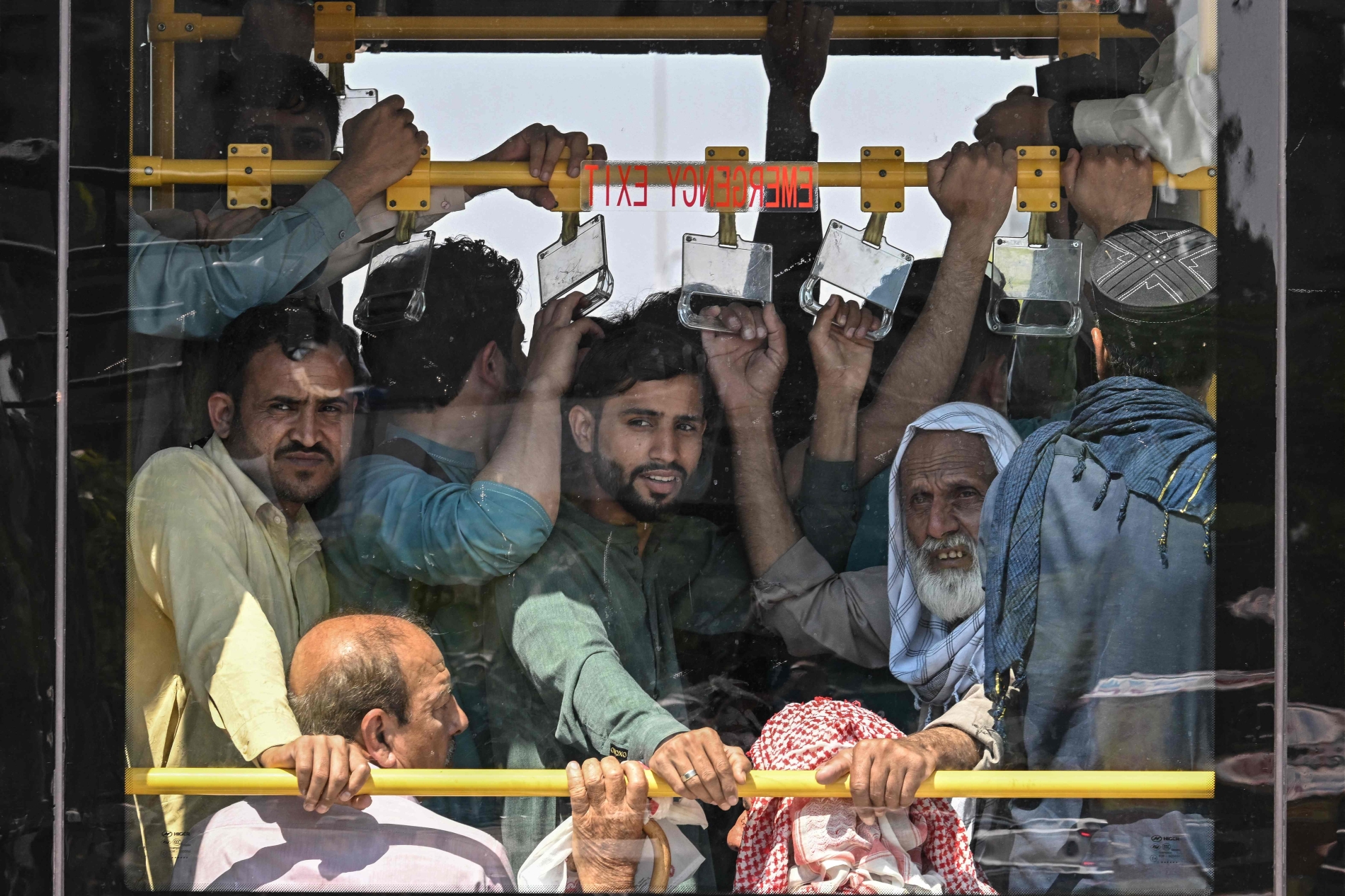
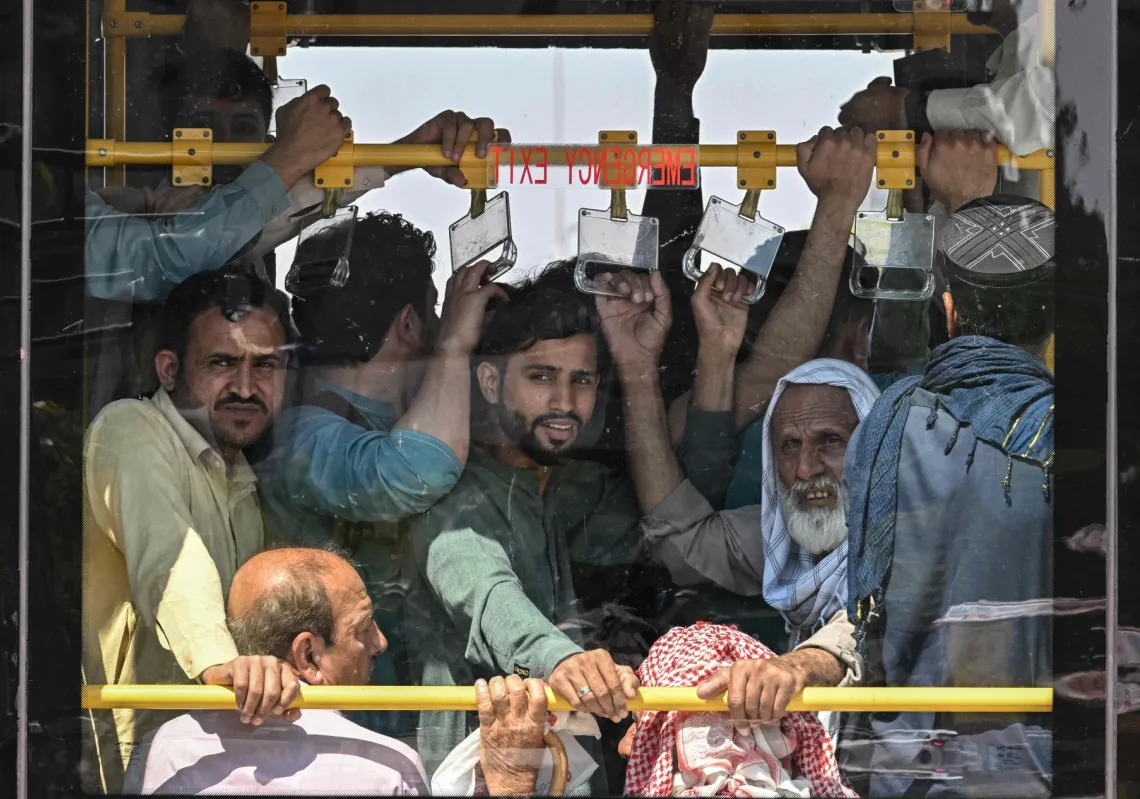
Commuters travel on a free state-run public bus in Islamabad on 6 April 2026, after the government drastically raised fuel prices due to the Iran war.
Geneina links Egypt's predicament to the pressures facing East Asian countries, which depend on the Middle East for 60% of their oil. "These countries have adopted similar measures, including higher fuel prices and remote working," he notes. China has raised fuel prices at the fastest pace in its history, while Pakistan has increased prices by 20% to around one dollar per litre and has lifted petrol prices for luxury cars to two dollars per litre.
Exchange-rate liberalisation and higher fuel prices, argues Geneina, "represent a fundamental economic shift, especially after the abandonment of the policy of printing money to finance subsidies". The government, he adds, "borrowed around one trillion Egyptian pounds, roughly $37bn at current exchange rates, from the central bank in 2023, but began repayment in 2025 with about 200 million pounds, around $3.7mn, with a plan to clear the outstanding balance by 2029". He also sees the dollar's rise as reflecting a point of equilibrium after the shock of hot-money outflows.
For his part, economist Mohamed Anees offers a more granular reading of the fallout, dividing them into two broad axes: cash flows and prices. On the first, he points to "the exit of around $10bn in hot money during a single month of war, compared with $20bn during the Russia-Ukraine war in 2022, along with expectations of weaker remittances, tourism, exports and Suez Canal revenues".
On the second, he warns that "Egypt will face higher costs across all imports, from oil and gas to wheat, oils and pulses, amid supply-chain disruption and the oil market's shift from a surplus of two million barrels per day to a deficit of 10 million".
He also points to the difficulties of importing oil from Kuwait following the closure of the Strait of Hormuz, which prompted Egypt to seek alternatives in Libya and Algeria, and possibly Saudi Arabia, amid strong demand from China, India, South Korea, and Japan. Added to this is a shift towards importing gas from the US rather than Qatar, alongside further risks stemming from threats to Bab el-Mandab.
In Anees's view, 'the government's only option is to pass costs swiftly into the market in order to avoid even higher inflation later, even if this pushes the inflation rate up by two to three per cent in the short term". He adds that savings in electricity consumption may prove limited, yet they reached about 10% on the first day of the measures—a significant figure—though three months will be needed before the effectiveness of the policies can be properly judged.
A ceasefire may offer temporary relief, but its economic impact is likely to be limited. Energy markets remain volatile, shipping risks persist, and investor caution is unlikely to dissipate quickly. For Egypt, this means that pressures on the currency, import costs and capital flows may ease only gradually, if at all, leaving the government's austerity measures largely in place even in the absence of active hostilities.